Western Herbalism
Tolu
Balsam tolu
Also known as Tolu balsam, Balsam of Tolu, (Balsam) Balsam of Tolu, Tolu balsam; (tree) Tolu balsam tree, Tolu balsam tree.
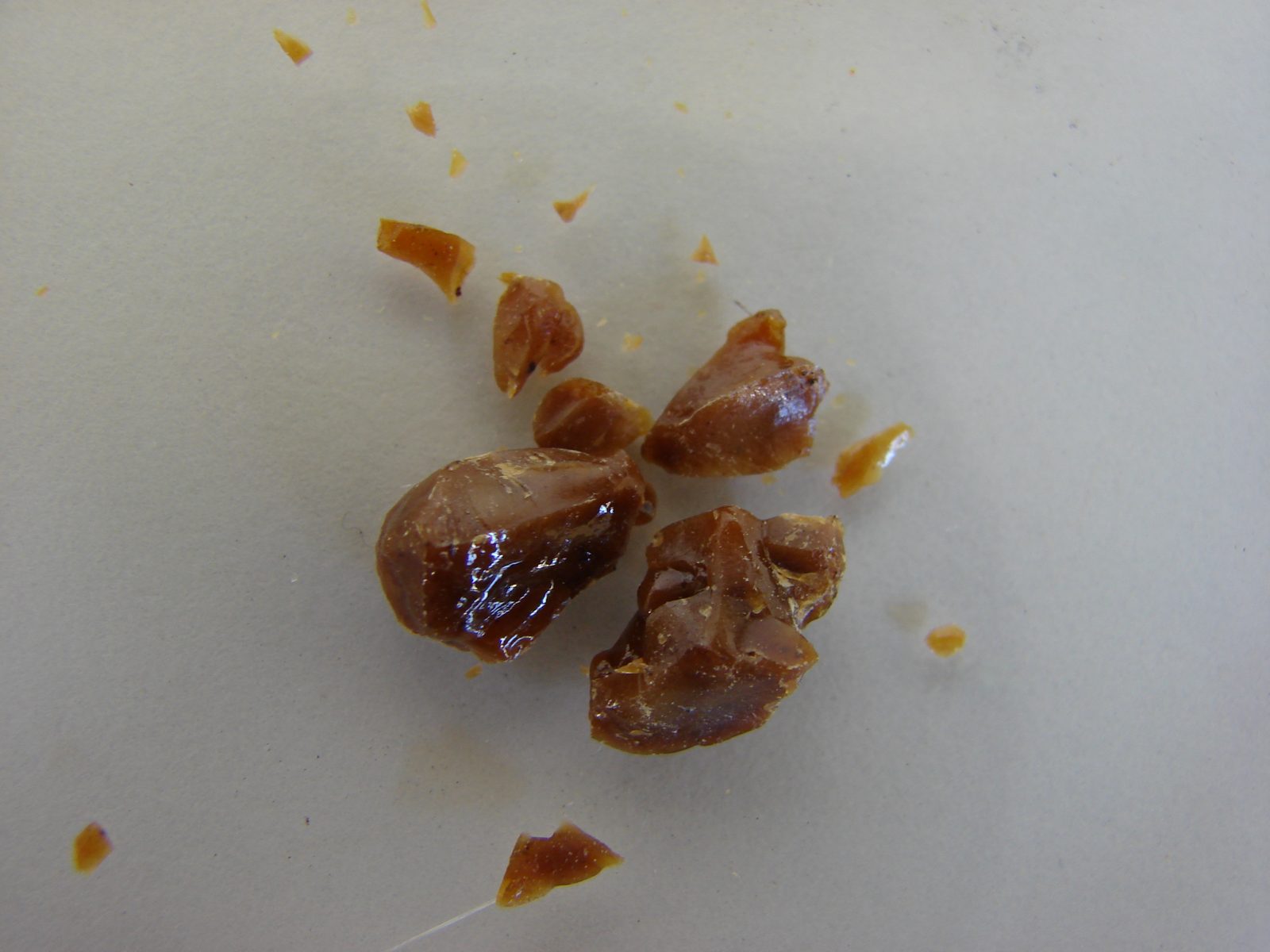
Tolu balsam is a fragrant, semi-solid oleoresin obtained by cutting the bark of Myroxylon balsamum trees native to the tropical forests of Colombia and Venezuela. The resin hardens on exposure to air into a brittle, vanilla-scented mass that has long been valued both as a medicine and as a fixative in perfumery. In the eclectic materia medica it held a modest but steady place as a mild expectorant and mucous membrane tonic, most often given as a syrup or tincture to support the action of more direct respiratory remedies.

Ask Herbert about Tolu. Herbert is the master herbalist inside Bountiful Herbs: he answers from this plate and eleven hundred others, with dosing, pairing and cautions. Your first ten questions are free.
Ask HerbertActions
Indications what the tradition reached for it in
- Chronic bronchitis
- Subacute bronchial catarrh
- Dry, hacking cough
- Productive cough with thick, tenacious mucus
- Laryngitis
- Pharyngitis with irritated mucosa
- Minor wounds and abrasions (topical)
- Chapped or fissured skin
- As a soothing base and flavoring agent in cough syrups
- Chronic bronchitis with copious mucus
- Persistent catarrh
- Productive cough
- Chronic laryngitis
- Slow-healing wounds and ulcers
- Scabies
- Ringworm of the scalp
- Chronic eczema
- Chilblains
- Chapped nipples
- Chronic leucorrhea
- Chronic diarrhea (traditional use)
Specific indications
Short, sharp, dry, hacking cough arising from irritated bronchial mucosa with scanty expectoration
Chronic cough with copious thick mucus and a relaxed, atonic feel to the mucous membranes, where tolu helps tone the tissue while easing expulsion of mucus
Safety
Low dose botanical. Used in drop doses in the classical practice; not a plant to dose freely.
Pregnancy: Not safe. Avoid in pregnancy given the absence of modern safety data and its historical reputation for renal and gastrointestinal irritation in excess.
Pregnancy, our record: Limited data. No safety data are available for internal use in pregnancy; avoid unless professionally indicated.
Breastfeeding: Not safe. Avoid in lactation for the same reason, as adequate safety data are lacking.
Breastfeeding, our record: Limited data. No safety data are available; avoid internal use during lactation as a precaution.
The record lists 5 contraindications; open the plate in the library to read them in full.
In practice
Tolu is rarely used alone; it earns its place in a formula as a gentle balsamic tonic to the respiratory mucosa that smooths out the action of sharper expectorants such as senega, ipecac, or squill, and lends a pleasant taste that makes a cough syrup easier for children to take.
Dosing as the sources wrote it
| Preparation | As written | Metric |
|---|---|---|
| Syrup of Tolu | 2-5 mL of syrup (about 10% w/v) three to four times daily | |
| Tincture (1:5) | 0.5-2 mL three times daily | 0.5-2 mL |
| Topical | Tincture or ointment applied to minor wounds or chapped skin as needed | |
| The dose is from 10 to 30 grains, frequently repeated, and given in tincture, syrup, or similar to balsam of Peru. | ||
| Tincture (1:5) | 0.3-1 mL three times daily | 0.3-1 mL |
| Syrup | 1-4 mL as an expectorant, up to three times daily |
Doses are reproduced from the sources for practitioners and are not a recommendation for any person.
From the sources
Overview. Tolu balsam is a fragrant, semi-solid oleoresin obtained by cutting the bark of Myroxylon balsamum trees native to the tropical forests of Colombia and Venezuela. The resin hardens on exposure to air into a brittle, vanilla-scented mass that has long been valued both as a medicine and as a fixative in perfumery. In the eclectic materia medica it held a modest but steady place as a mild expectorant and mucous membrane tonic, most often given as a syrup or tincture to support the action of more direct respiratory remedies.
Overview. Balsam of Tolu is the resinous exudate collected from incisions made in the trunk of Myroxylon balsamum, a tall leguminous tree native to the tropical forests of Colombia and Venezuela. The fresh balsam is a soft, aromatic, brownish resin that hardens with age; it has long been valued in Western herbal and eclectic medicine as a warming expectorant and topical vulnerary, and it remains a familiar flavoring and fixative in cough preparations and pharmaceutical compounding today.
Clinical Notes. Tolu is rarely used alone; it earns its place in a formula as a gentle balsamic tonic to the respiratory mucosa that smooths out the action of sharper expectorants such as senega, ipecac, or squill, and lends a pleasant taste that makes a cough syrup easier for children to take.
Clinical Notes. Tolu balsam is chiefly reached for as a gentle, warming expectorant in chronic catarrhal states where secretions are profuse but the tissue is sluggish and low in tone, rather than in acute febrile chest infections where its stimulating warmth is unwelcome.
Drawn from King's American Dispensatory, 18th edition (Felter and Lloyd); Ellingwood's American Materia Medica, Therapeutics and Pharmacognosy, and the Bountiful Herbs editorial.
Also mentioned under
Also mentioned under Balsam of Peru
Often paired with
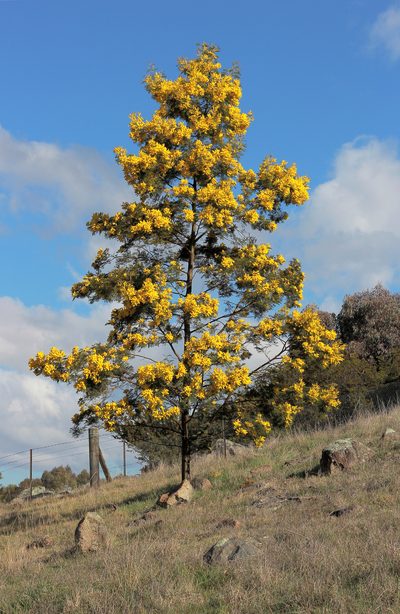 AcaciaSenegalia senegal
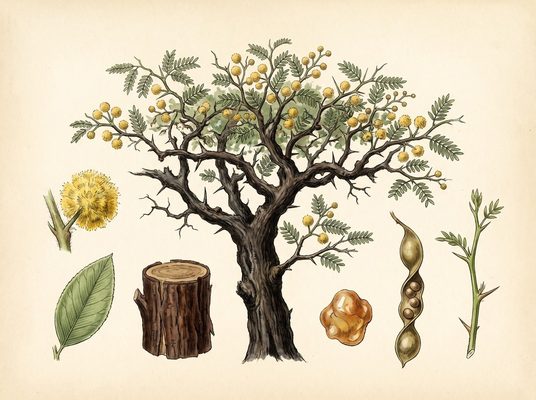 Gum arabicAcacia vera
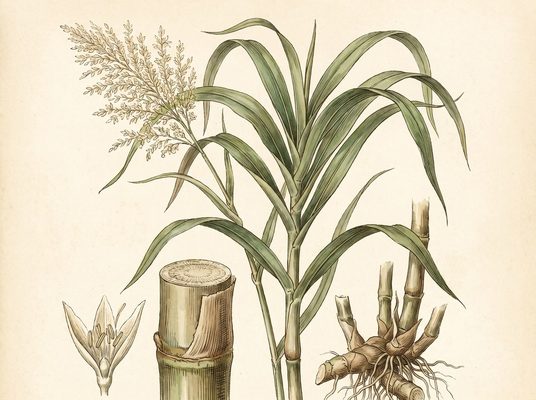 SugarSaccharum
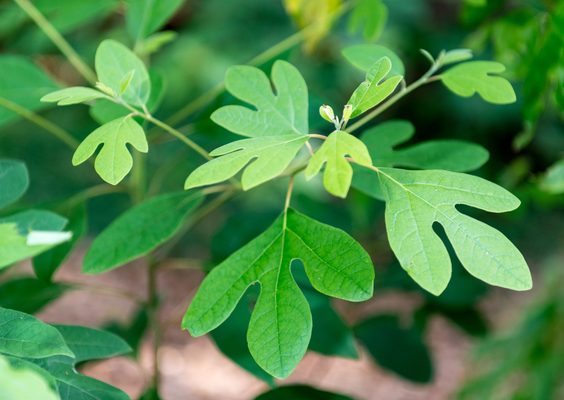 SassafrasSassafras albidum
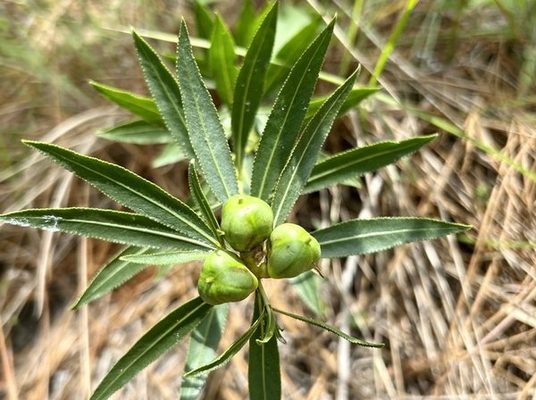 StillingiaStillingia sylvatica
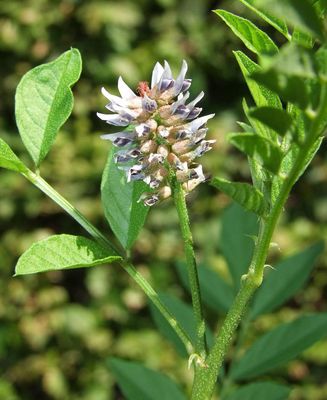 Licorice rootGlycyrrhiza glabra
Nearby on the shelf
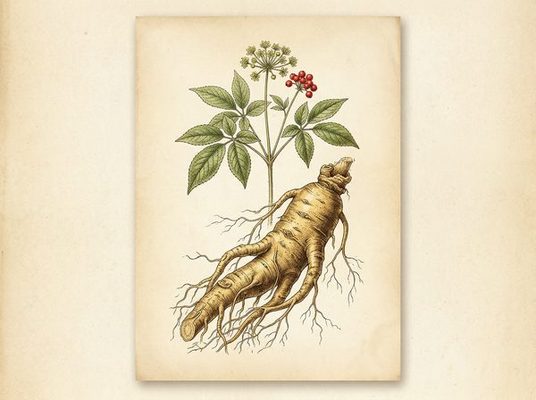 Tienchi GinsengPanax notoginseng
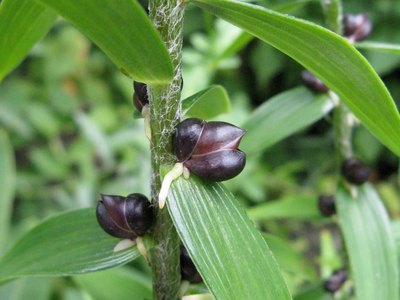 Tiger LilyLilium tigrinum
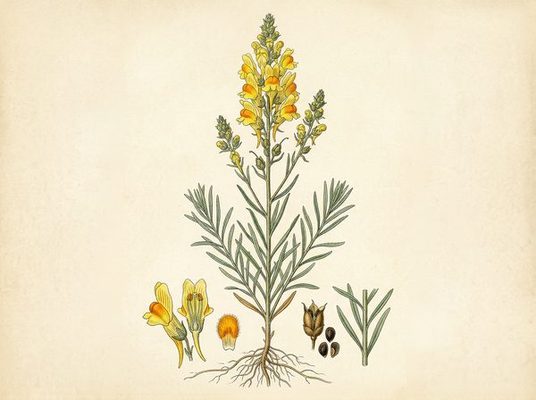 ToadflaxLinaria vulgaris
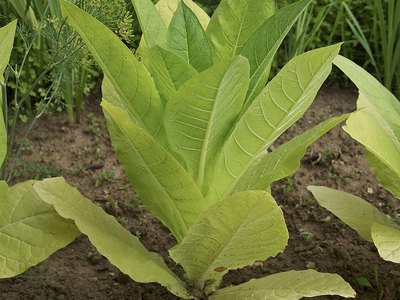 TobaccoNicotiana tabacum
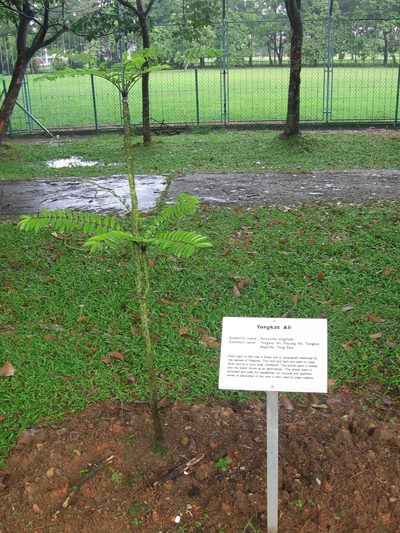 Tongkat AliEurycoma longifolia
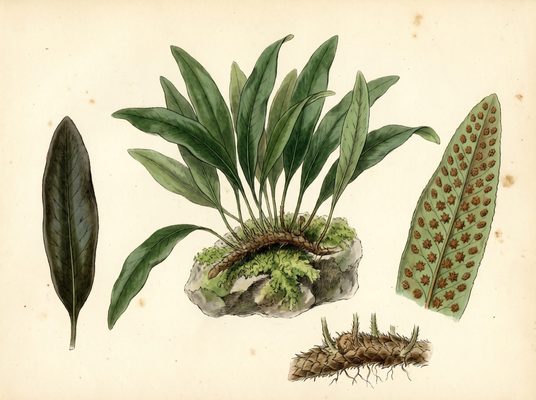 Tongue fernPyrrosia lingua
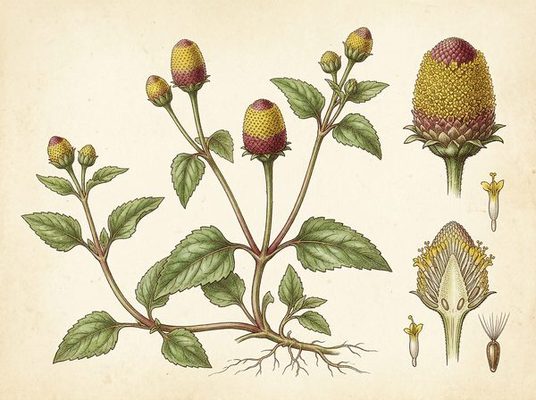 Toothache PlantSpilanthes acmella
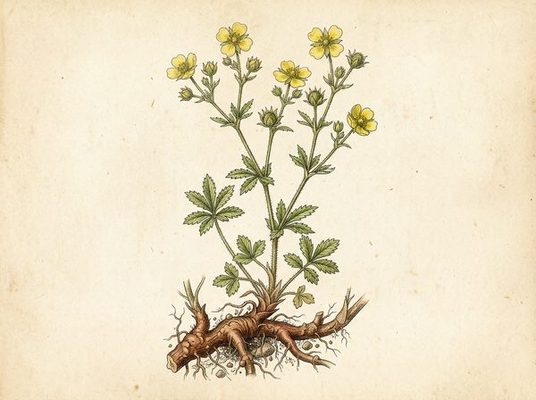 TormentilPotentilla erecta
The whole plate is in the library. The compass, Compare, the Sky of eleven hundred plants and the formulary open with an email address and a password, free, with the formula builder and its safety engine. Herbert in full, his formulating, clients, the handouts and the labels are the paid room.
Open the library, free