Western Herbalism
Acacia
Acacia
Also known as Gum Arabic, Gum Acacia, Senegal Gum.
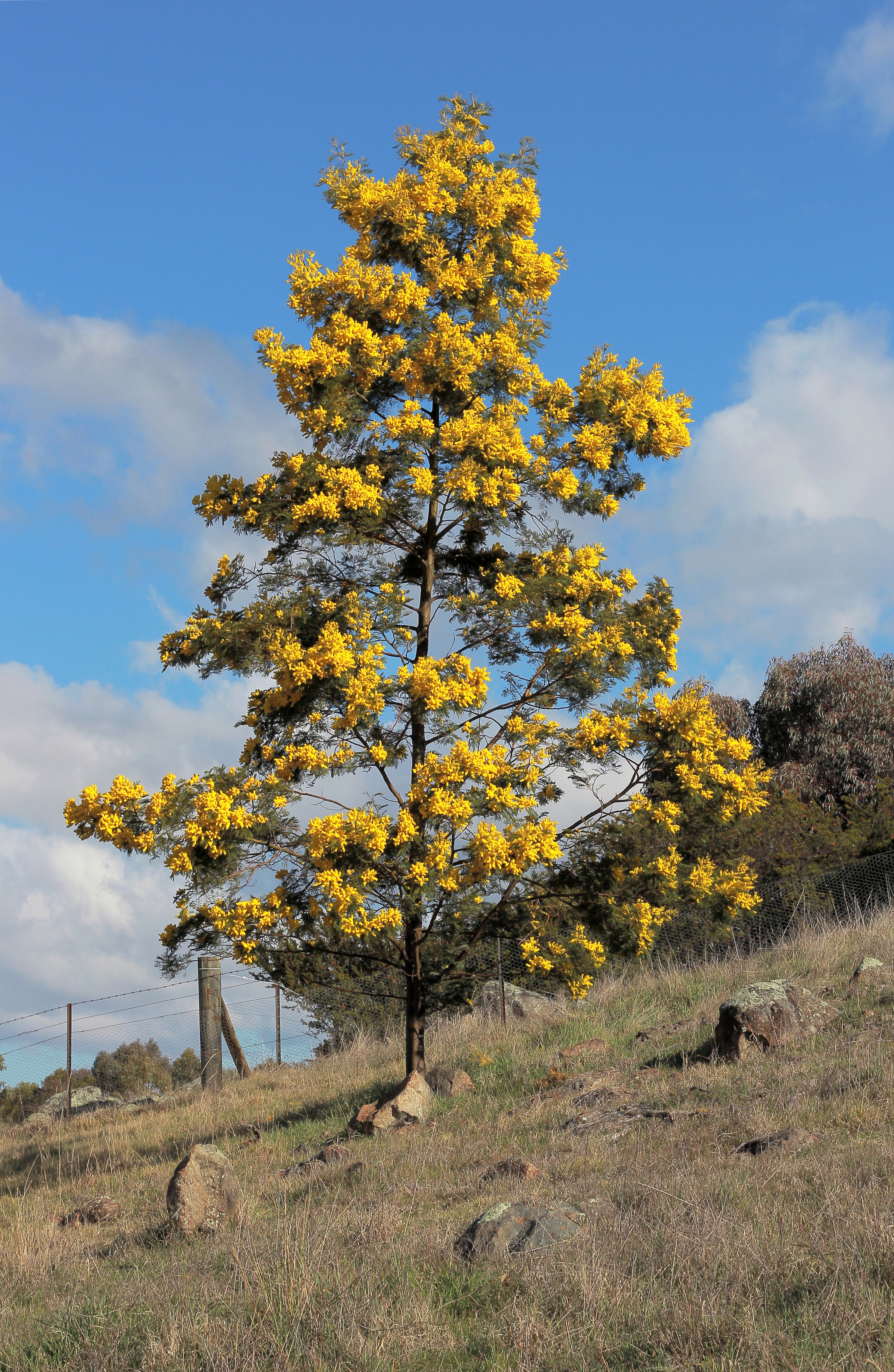
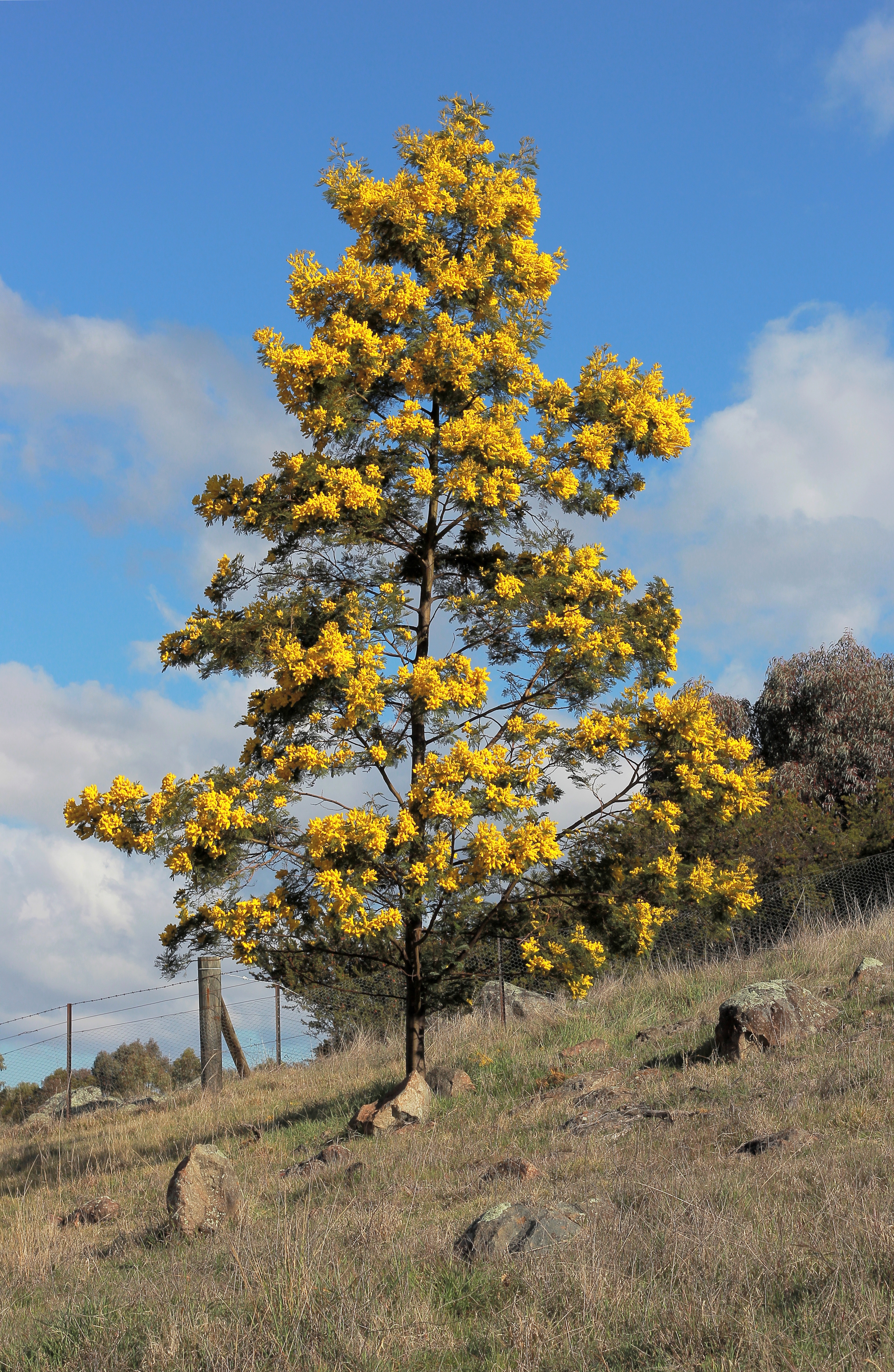
Acacia gum, commonly called gum arabic, is the dried exudate collected from the bark of Senegalia senegal (formerly classified as Acacia senegal) and related acacia species, small thorny trees native to the semi-arid Sahel belt of Africa. The gum is tapped from wounds in the bark and hardens into pale, translucent tears that dissolve readily in water to form a smooth, bland mucilage. It has long served both as a pharmaceutical excipient, for suspending powders and emulsifying oils and resins, and as an internal demulcent in eclectic and folk medicine for soothing irritated mucous membranes.

Ask Herbert about Acacia. Herbert is the master herbalist inside Bountiful Herbs: he answers from this plate and eleven hundred others, with dosing, pairing and cautions. Your first ten questions are free.
Ask HerbertActions
Indications what the tradition reached for it in
- Dry, irritating cough
- Sore throat and pharyngitis
- Hoarseness
- Gastric irritation
- Diarrhea with mucosal irritation
- Dysentery, adjunct soothing agent
- Burns and scalds of the mouth and throat
- Irritable stomach in febrile illness with poor appetite
- Constipation, as a gentle bulking fiber
- Elevated cholesterol, adjunct dietary fiber use
Specific indications
Raw, inflamed throat or gut lining with a burning or scalded quality, wanting a bland coating soother rather than a stimulating remedy
Debilitated patient in a low fever who can take little food, needing a mucilaginous sweetened liquid to relieve hunger and settle the stomach
Safety
The record lists 2 contraindications; open the plate in the library to read them in full.
In practice
Acacia mucilage is reached for less as a primary remedy and more as a soothing vehicle: a smooth base to coat and protect an irritated throat, esophagus, or gut lining while other more active remedies do their work.
Dosing as the sources wrote it
| Preparation | As written | Metric |
|---|---|---|
| Mucilage | 30-50 g gum dissolved in 250-300 mL water, taken in tablespoon doses several times daily | 30000-50000 mg |
| Powder | 2-5 g stirred into water or juice as needed for throat or stomach irritation | 2000-5000 mg |
| Dietary fiber use | 10-30 g daily as a soluble fiber supplement | 10000-30000 mg |
| Mucilago Acaciae, Mucilage of Acacia | Dose, 1 to 4 fluidrachms or more. | 3.7-14.79 mL |
| When the stomach is irritable in low fevers and in pulmonary tuberculosis, a half ounce of acacia may be dissolved in 5 fluidounces of water, sweetened with sugar, and given in tablespoonful doses occasionally to relieve the sense of hunger when but little food can be taken. | 148 mL | |
| Action, Medical Uses, and Dosage: Gum arabic is nutritive and demulcent, and exerts a soothing influence upon irritated or inflamed mucous tissues, by shielding them from the influence of deleterious agents, atmospheric air, etc. On this account it has been used in diarrhoea and dysentery, to remove tenesmus and painful stools, in catarrh, cough, hoarseness, gonorrhoea, ardor urinae, etc: (Coxe.) It may be given almost ad libitum in powder, lozenge, or solution, alone or combined with syrups, decoctions, etc. In acute diseases, where it becomes necessary to use the lightest and most readily digested food, there is no article, probably, equal to gum arabic. It maybe used for this purpose by dissolving half an ounce of the powdered gum in 5 ounces of water, and sweetening with loaf-sugar, of which a tablespoonful may be given every 2 or 3 hours |
Doses are reproduced from the sources for practitioners and are not a recommendation for any person.
From the sources
Overview. Acacia gum, commonly called gum arabic, is the dried exudate collected from the bark of Senegalia senegal (formerly classified as Acacia senegal) and related acacia species, small thorny trees native to the semi-arid Sahel belt of Africa. The gum is tapped from wounds in the bark and hardens into pale, translucent tears that dissolve readily in water to form a smooth, bland mucilage. It has long served both as a pharmaceutical excipient, for suspending powders and emulsifying oils and resins, and as an internal demulcent in eclectic and folk medicine for soothing irritated mucous membranes.
Clinical Notes. Acacia mucilage is reached for less as a primary remedy and more as a soothing vehicle: a smooth base to coat and protect an irritated throat, esophagus, or gut lining while other more active remedies do their work.
Action and Therapy. Acacia is largely employed in the preparation of pills and in the emulsification of oils and resins. It is demulcent and probably slightly nutritive. In the form of a solution or mucilage it is an agreeable lenitive for irritated and inflamed membranes, and for this purpose is frequently used in medicinal preparations for coughs, colds, hoarseness, pharyngitis, gastric irritation and inflammation, diarrhea, dysentery, ardor urinae, etc.
Action, Medical Uses, and Dosage. This flavored and sweetened, diluted mucilage forms an agreeable and soothing drink for febrile and inflammatory conditions, being particularly applicable in gastric and respiratory inflammations. It is probably nutritive. In pharmacy it is employed to give adhesiveness in pill masses, and in mixtures to hold in suspension insoluble ingredients. It is sometimes used in making troches. It may be freely given.
Drawn from King's American Dispensatory, 18th edition (Felter and Lloyd); Felter's Eclectic Materia Medica, Pharmacology and Therapeutics, and the Bountiful Herbs editorial.
Often paired with
 SugarSaccharum
 Gum arabicAcacia vera
 Licorice rootGlycyrrhiza glabra
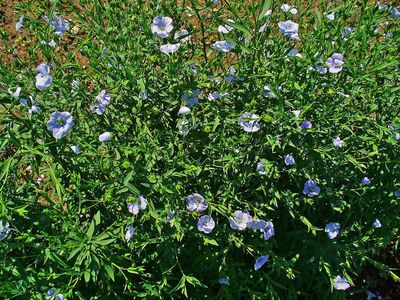 flaxLinum usitatissimum
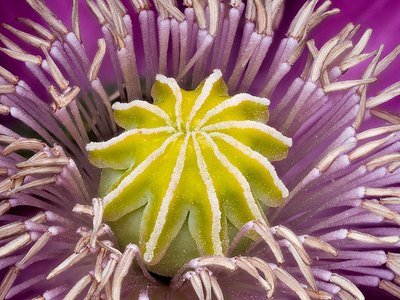 Opium poppyPapaver somniferum
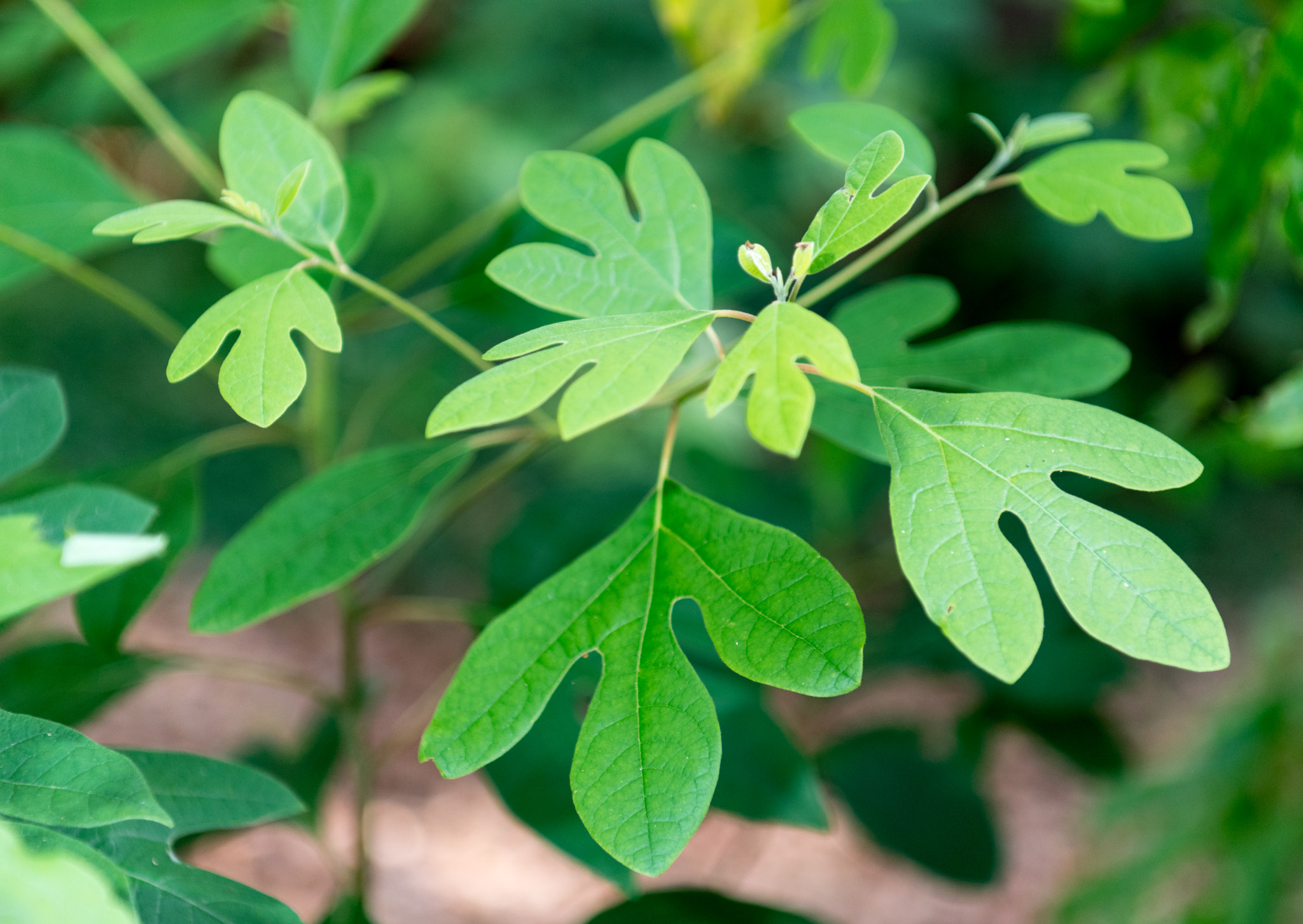 SassafrasSassafras albidum
Nearby on the shelf
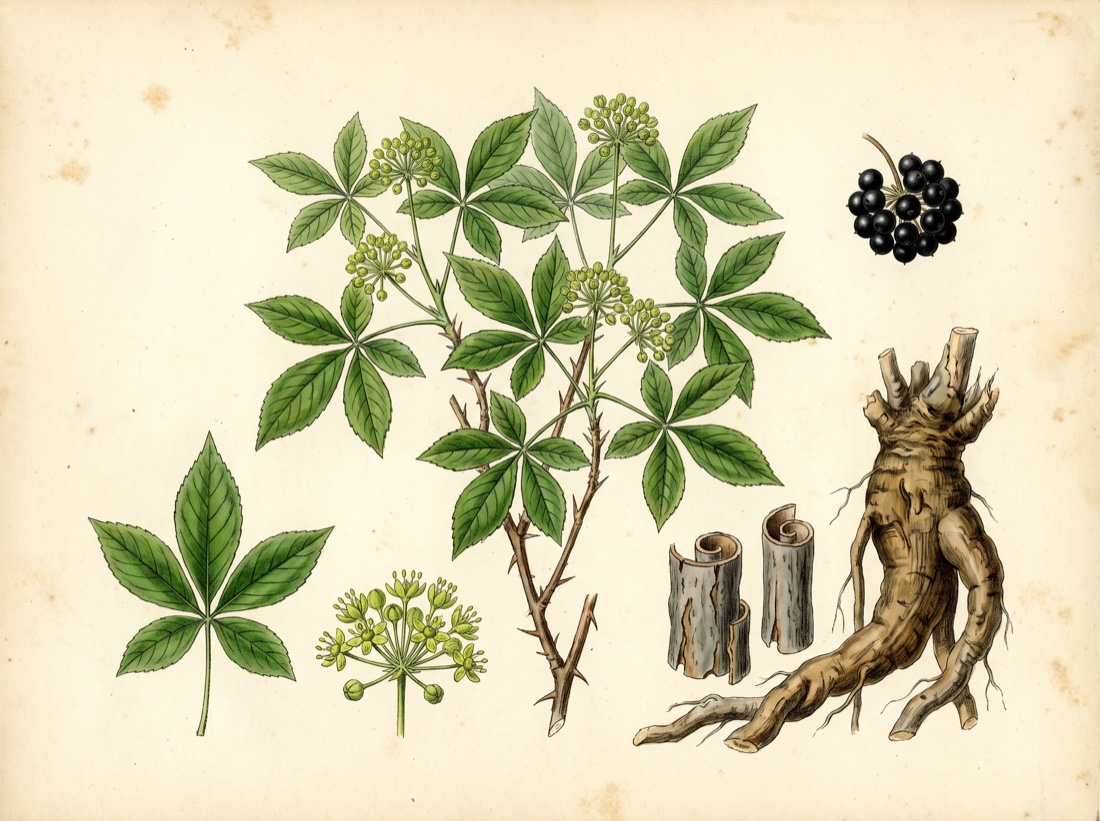 Acanthopanax root barkEleutherococcus gracilistylus
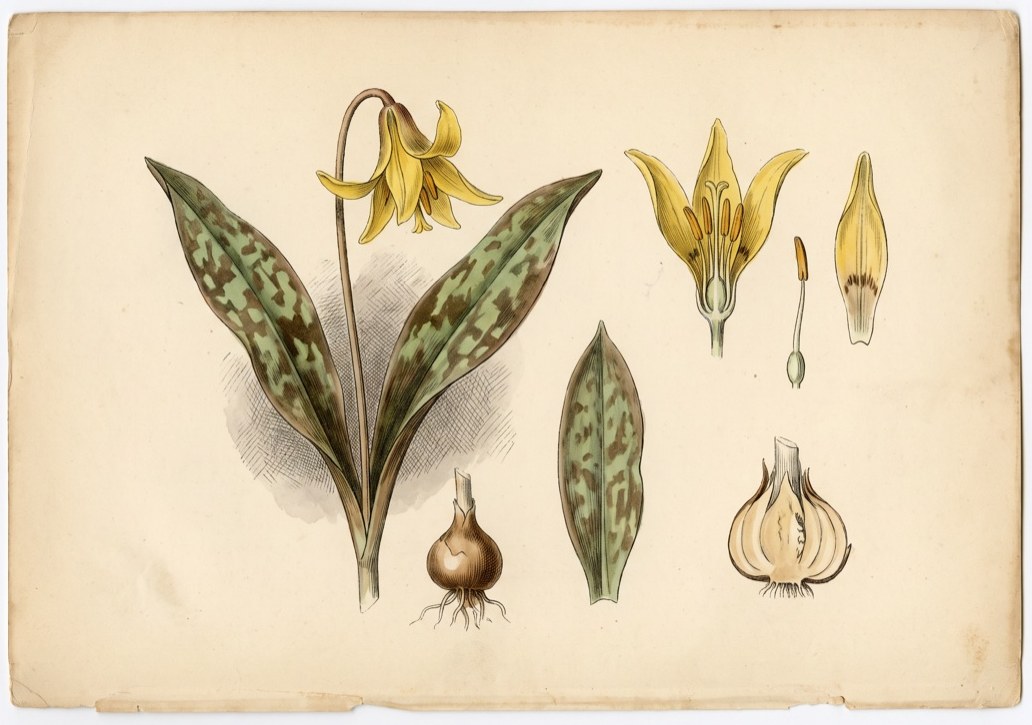 Adder's TongueErythronium
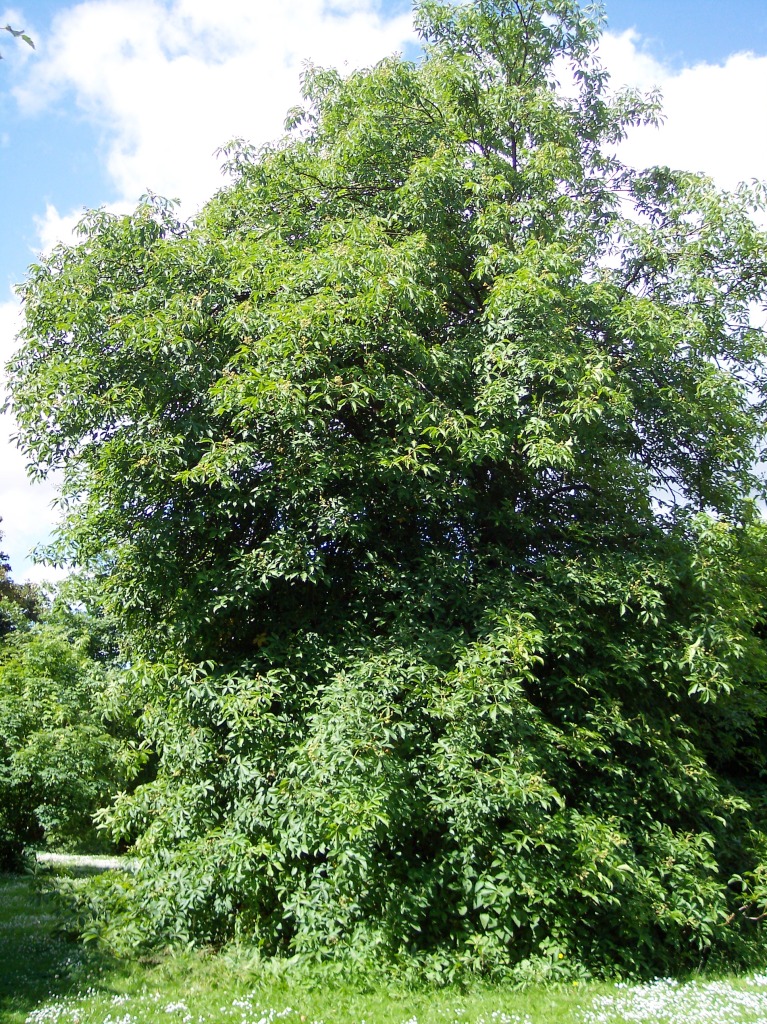 AesculusAesculus glabra
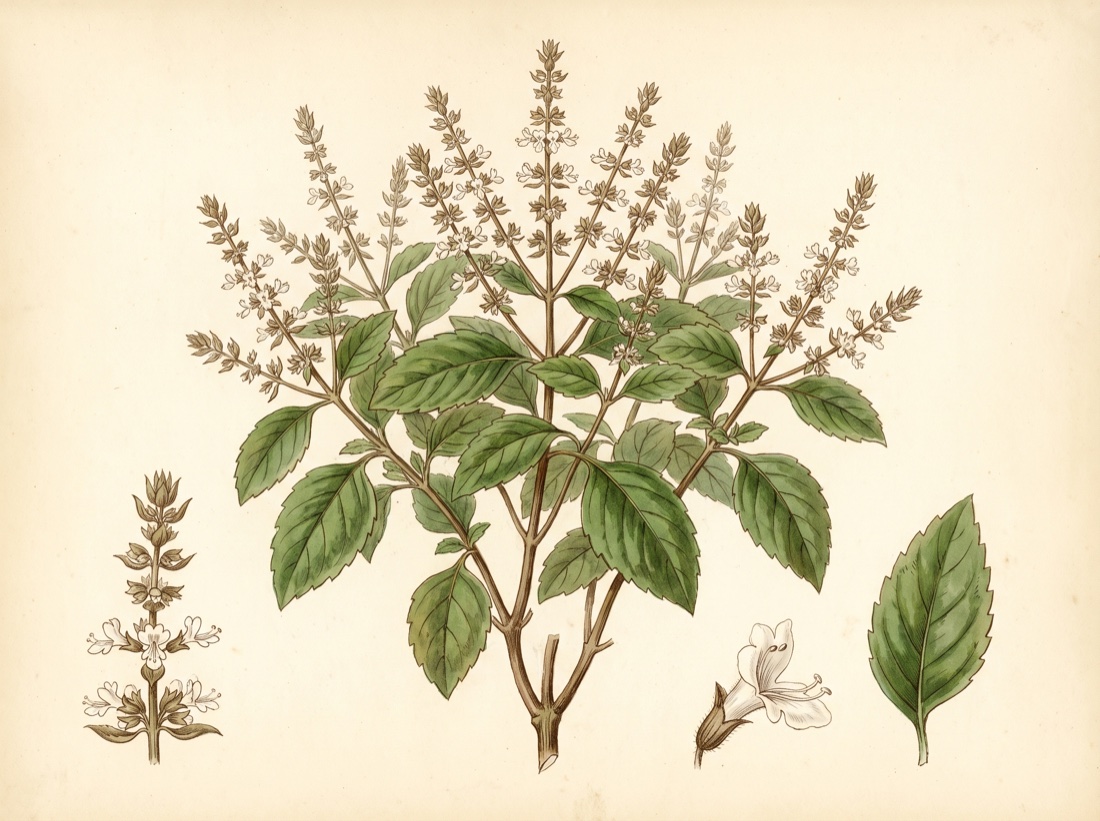 African basilOcimum gratissimum
The whole plate is in the library. The compass, Compare, the Sky of eleven hundred plants and the formulary open with an email address and a password, free, with the formula builder and its safety engine. Herbert without limit, his formulating, clients, the handouts and the labels are the paid room.
Open the library, free