Western and Ayurvedic herbalism
Gum arabic
Acacia vera
Also known as Gum senegal, Egyptian thorn, babul, gum arabic tree, Indian gum arabic tree, prickly acacia, Babbula, Barbura, Kinkirata.
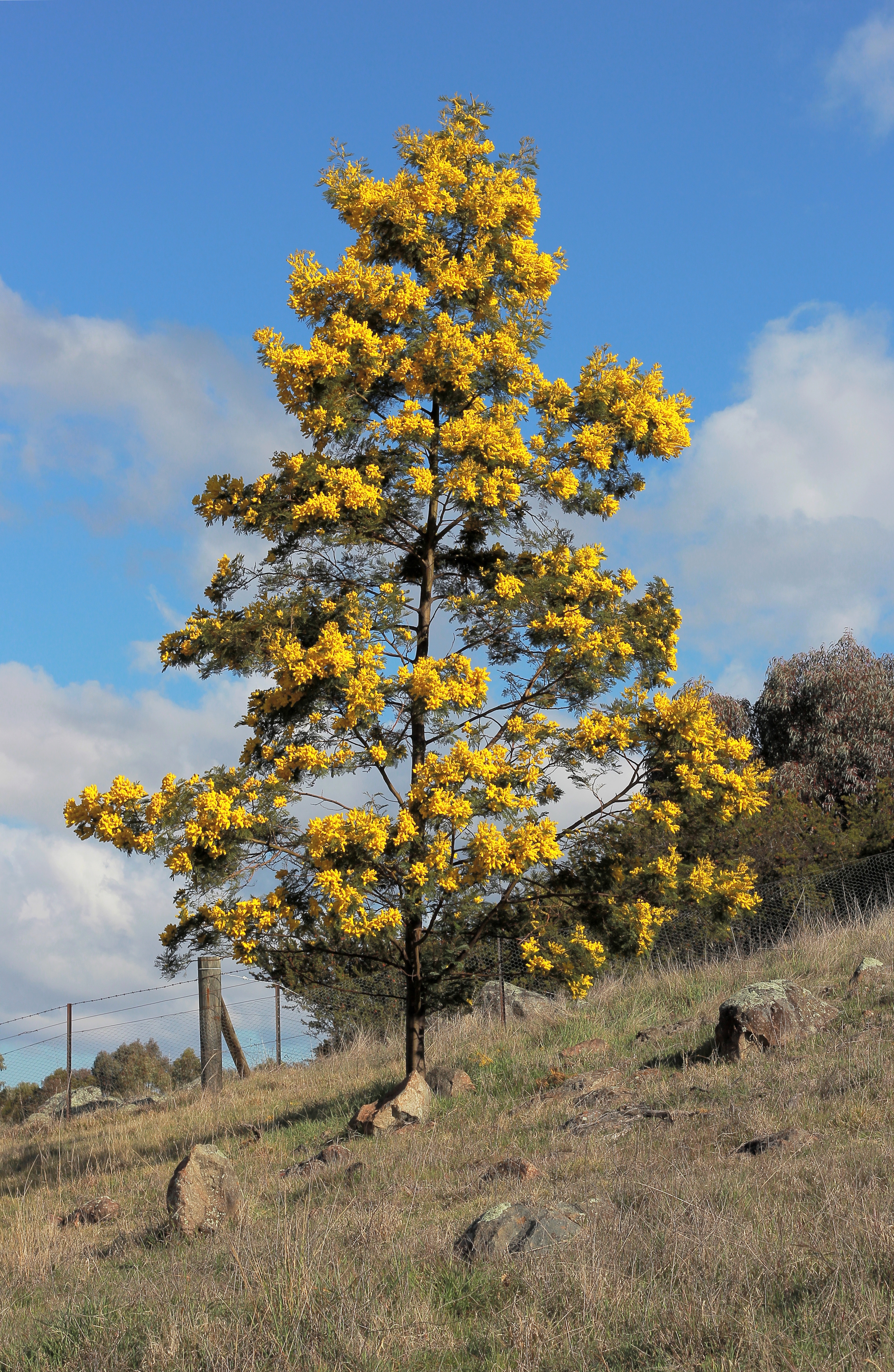
Vachellia nilotica, long known as Acacia nilotica or Acacia arabica, is a thorny, dark barked tree of the dry plains of India, Pakistan, Arabia and Africa, with fragrant yellow flower balls and constricted, beaded pods, and it is the babul of the Indian countryside, grown for fuel, fodder, tannin and gum. Ayurveda calls it Babbula and uses the bark, gum and pods as a cooling, drying astringent for diarrhea, bleeding, discharges, skin and gum disease, while the gum doubles as a nourishing tonic and the twigs as the everyday toothbrush of rural India.

Ask Herbert about Gum arabic. Herbert is the master herbalist inside Bountiful Herbs: he answers from this plate and eleven hundred others, with dosing, pairing and cautions. Your first ten questions are free.
Ask HerbertActions
Indications what the tradition reached for it in
- Acute and chronic diarrhea and dysentery
- Bleeding gums, gingivitis and loose teeth
- Sore throat and mouth ulcers (gargle)
- Leukorrhea and heavy menstrual bleeding
- Bleeding hemorrhoids (sitz bath and internal)
- Weeping eczema, wounds and ulcers (wash)
- Type 2 diabetes with loose stools (pod powder, adjunct)
- Premature ejaculation and spermatorrhea (traditional)
- Dry cough with irritated throat (gum)
- Postpartum weakness (gum, as a nourishing food)
- Conjunctivitis (leaf wash, traditional)
Safety
No toxicity, pregnancy or breastfeeding flag is recorded for this plant. That is the record speaking, not a promise; the library carries the full safety section.
In Ayurveda
Rasa: kashaya (astringent); the gum is also sweet. Virya: sheeta (cooling). Vipaka: katu (pungent). Guna: guru (heavy), ruksha (dry); the gum is snigdha (unctuous). Dosha: pacifies kapha and pitta; may aggravate vata in excess. Karma: stambhana (astringent, checks discharge); grahi (absorbent, antidiarrheal); raktastambhana (stops bleeding); vranaropana (heals wounds); kaphapittahara (reduces kapha and pitta); krimighna (antimicrobial, anthelmintic); kanthya (good for the throat); dantya (strengthens teeth and gums); shukrastambhana (retains semen, checks premature ejaculation); balya (strengthening; the gum); kushthaghna (relieves skin disease). Classical indications: atisara and pravahika (diarrhea and dysentery); raktapitta (bleeding disorders); pradara (leukorrhea and menorrhagia); prameha (urinary disorders including diabetes); kasa (cough); dantaroga (dental and gum disease); mukhapaka (mouth ulcers); vrana (wounds and ulcers); kushtha (skin disease); shukrameha (spermatorrhea); arsha (hemorrhoids); netraroga (eye disease, as a wash). The bark is decocted for internal use and for gargles, washes and sitz baths; the gum is dissolved in water or fried in ghee as a nourishing tonic; the pods are powdered for diabetes and diarrhea; the tender twigs are chewed as toothbrushes; and the leaves are made into paste and eyewash. Classical formulations: Babbula twak kwatha, Babbula kwatha gandusha (gargle), Babbularishta (regional), Babbula niryasa (gum) in Panchanimba churna and in postpartum ladoo, Dashana samskara churna (some versions), Irimedadi taila (tradition uses the related Irimeda, Acacia farnesiana). Described in: Charaka Samhita, Sushruta Samhita, Bhavaprakasha Nighantu, Dhanvantari Nighantu, Raja Nighantu, Kaiyadeva Nighantu, Ayurvedic Pharmacopoeia of India.
Dosing as the sources wrote it
| Preparation | As written | Metric |
|---|---|---|
| Kwatha | 50-100 mL bark decoction twice daily | 50-100 mL |
| Churna (bark or pod) | 3-6 g powder twice daily with water or buttermilk | 3000-6000 mg |
| Gandusha (gargle) | 50-100 mL warm bark decoction held in the mouth two to three times daily | 50-100 mL |
| Gum (niryasa) | 3-6 g gum dissolved in warm water or fried in ghee, once or twice daily | 3000-6000 mg |
| Wash or sitz bath, topical | 500-1000 mL bark decoction used as a wash or sitz bath once or twice daily | 500-1000 mL |
Doses are reproduced from the sources for practitioners and are not a recommendation for any person.
From the sources
Overview. Vachellia nilotica, long known as Acacia nilotica or Acacia arabica, is a thorny, dark barked tree of the dry plains of India, Pakistan, Arabia and Africa, with fragrant yellow flower balls and constricted, beaded pods, and it is the babul of the Indian countryside, grown for fuel, fodder, tannin and gum. Ayurveda calls it Babbula and uses the bark, gum and pods as a cooling, drying astringent for diarrhea, bleeding, discharges, skin and gum disease, while the gum doubles as a nourishing tonic and the twigs as the everyday toothbrush of rural India.
Clinical Notes. Babbula is the strong, safe astringent of the Ayurvedic dispensary. The bark decoction is the first choice for diarrhea and dysentery with heat and moisture, for bleeding from the bowel or uterus, for leukorrhea and for the bleeding, spongy gums of poor oral hygiene.
Properties and Uses. This gum is one of the purest of all mucilages; and is nutritive as well as demulcent. It is used to soothe irritation of mucous membranes in dysentery, gastritis, bronchitis, later stages of typhoid, etc. In acute dysentery it relieves the pain by softening and shielding the passages during the discharge of acrid materials; and lessens the mucous discharges by relieving the excitement. It is best employed by dissolving a drachm or more in eight ounces of cold water, and using freely, as the stomach will bear. A dilute preparation will be received for some days, without clogging the stomach. It is merely an adjunct to the other appropriate treatment.
Description. Order and generic characters the same as in Acacia catechu. Mimosa nilotica of Linnaeus. A. VERA: A tree eight to twelve feet high, with a crooked gray stem, and purplishyellow branches. Leaves alternate, bipinnate, smooth; pinnae two to four pairs; leaflets of the pinnae eight to ten pairs, oblong-linear, a gland between the pinnae, and two opposite white spines at the base of each common petiole.
Drawn from Cook's Physio-Medical Dispensatory, and the Bountiful Herbs editorial.
In formulas
Gum arabic stands in 9 documented formulas in the library, among them Mṛtasaṅjīvanī Surā, Kāṅkāyana Guṭikā, Babbūlariṣṭa.
Often paired with
 AcaciaAcacia
 SugarSaccharum
 Licorice rootGlycyrrhiza glabra
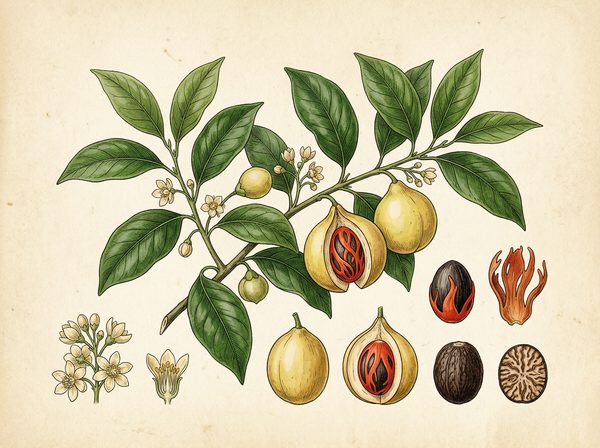 nutmegMyristica fragrans
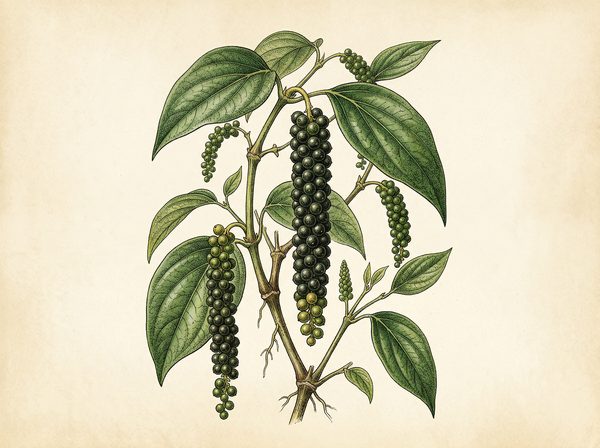 black pepperPiper nigrum
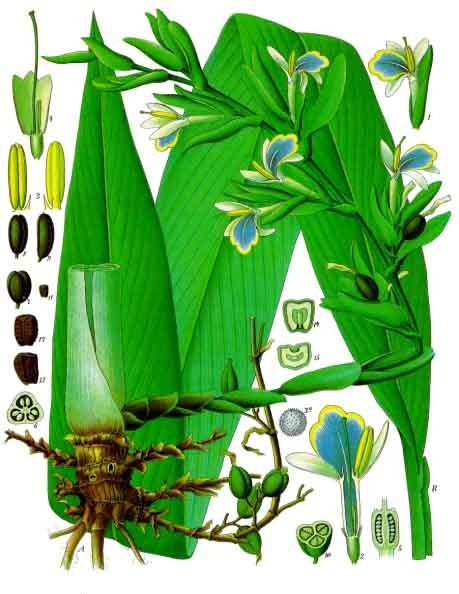 cardamomElettaria cardamomum
Nearby on the shelf
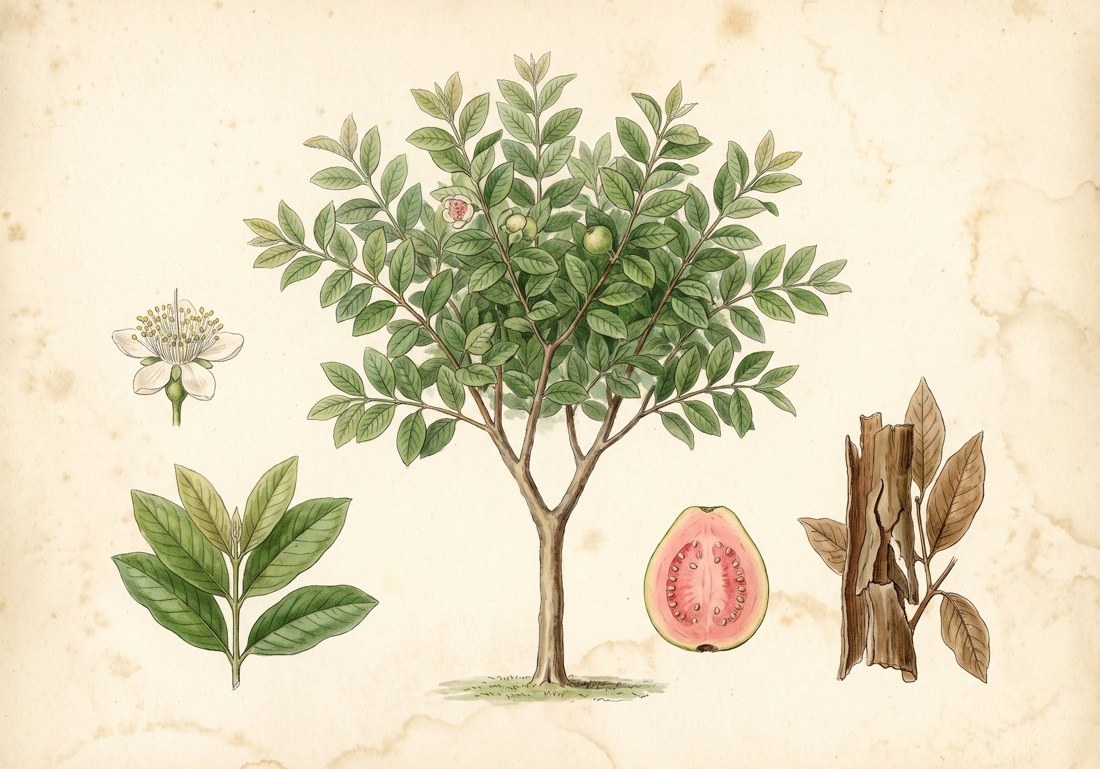 GuavaPsidium guajava
 GuduchiTinospora cordifolia
 GuggulCommiphora mukul
 Gum ammoniacumDorema ammoniacum
 Gum weedGrindelia spp.
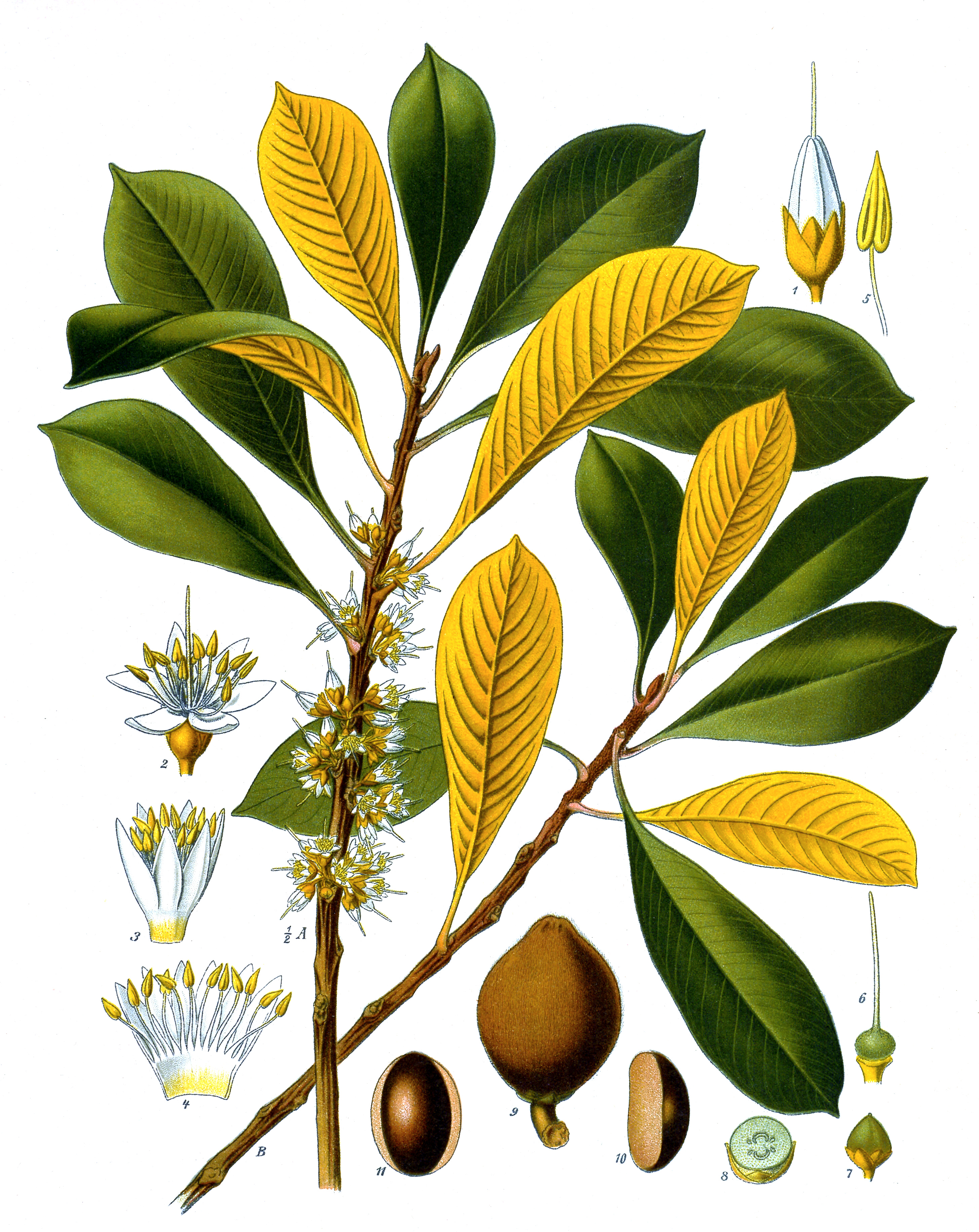 Gutta-PerchaGutta-Percha
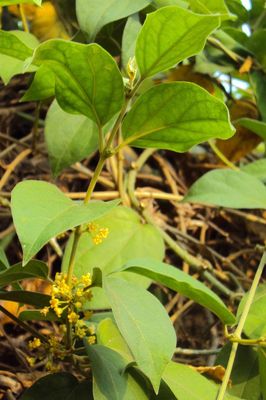 GymnemaGymnema sylvestre
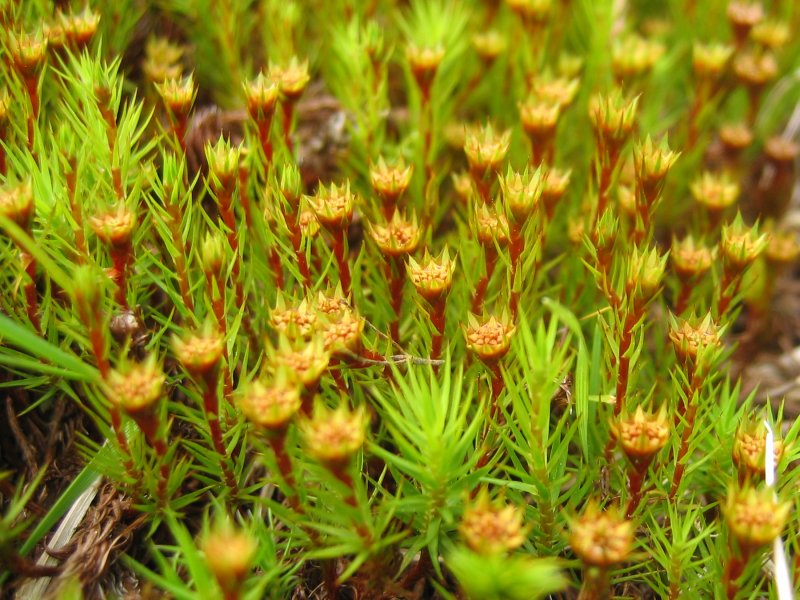 Hair-cap mossPolytrichum juniperum
The whole plate is in the library. The compass, Compare, the Sky of eleven hundred plants and the formulary open with an email address and a password, free, with the formula builder and its safety engine. Herbert without limit, his formulating, clients, the handouts and the labels are the paid room.
Open the library, free