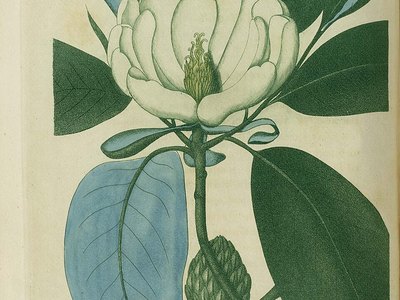
Western Herbalism
Sweet magnolia
Magnolia glauca
Also known as White bay, Swamp sassafras, Magnolia, Beaver tree, Sweetbay magnolia, Laurel magnolia, White or Red Laurel, (See below.).
Magnolia virginiana (long known as Magnolia glauca), the sweetbay magnolia, is a small evergreen to semi-deciduous tree native to swamps and wet coastal woodlands of the eastern United States, from Massachusetts south to Florida and west to Texas. Its aromatic bark, taken from the trunk and root, was a favorite tonic of nineteenth century American Eclectic and physiomedicalist physicians, who valued it as a gentler, more pleasant tasting alternative to the bark of the related cucumber tree, Magnolia acuminata. It has no established place in modern pharmacy and is now mainly of historical and horticultural interest.

Ask Herbert about Sweet magnolia. Herbert is the master herbalist inside Bountiful Herbs: he answers from this plate and eleven hundred others, with dosing, pairing and cautions. Your first ten questions are free.
Ask HerbertActions
Indications what the tradition reached for it in
- Convalescent debility with poor appetite
- Low-grade intermittent fever (historical malarial use)
- Chronic rheumatism
- Gout (traditional)
- Dyspepsia with sluggish digestion
- General atonic states following acute illness
- Damp, cold catarrhal conditions
- Historical aid for tobacco cessation (bark chewed as substitute)
- Mild feverish colds calling for a warming diaphoretic
Specific indications
Low fever with marked debility and poor appetite during convalescence
Chronic rheumatic pain that is worse in damp weather, in a patient with sluggish, atonic digestion
Safety
Recognised toxicity. This plant carries a toxicity flag in the record; it is for trained practitioners only.
Pregnancy: Avoid in pregnancy as there is no modern safety data and traditional use does not substitute for pharmacovigilance.
Breastfeeding: Avoid in lactation for the same reason of absent modern safety data.
The record lists 4 contraindications; open the plate in the library to read them in full.
In practice
Eclectic physicians reached for sweetbay bark chiefly as a warming bitter tonic for the tail end of febrile illness, when a patient was weak, appetite poor, and digestion sluggish. It was given as an infusion or tincture, often alongside other bitters or mild stimulant diaphoretics, to rouse tone in convalescence and to support the body through low, lingering fevers, including the intermittent fevers common in malarial regions of the old South before quinine became universally available.
Dosing as the sources wrote it
| Preparation | As written | Metric |
|---|---|---|
| Bark infusion or decoction | 2-4 g dried bark daily | 2000-4000 mg |
| Tincture (1:5, 45% alcohol) | 2-4 mL three times daily | 2-4 mL |
| Dose of the powder, from ten to twenty grains | 648-1296 mg | |
| The powdered bark | Dose, from one-half to one dram, five or six times a day. | 1944-3888 mg |
| The bark in powder may be administered in ½- drachm or drachm doses, to be repeated 5 or 6 times a day; the infusion may be taken in wineglassful doses, repeated 5 or 6 times a day. | ||
| The tincture, made by adding an ounce of the powder to a pint of brandy, and allowing it to macerate for 10 or 12 days, may be given in tablespoon doses 3 times a day, for the same purposes. |
Doses are reproduced from the sources for practitioners and are not a recommendation for any person.
From the sources
Overview. Magnolia virginiana (long known as Magnolia glauca), the sweetbay magnolia, is a small evergreen to semi-deciduous tree native to swamps and wet coastal woodlands of the eastern United States, from Massachusetts south to Florida and west to Texas. Its aromatic bark, taken from the trunk and root, was a favorite tonic of nineteenth century American Eclectic and physiomedicalist physicians, who valued it as a gentler, more pleasant tasting alternative to the bark of the related cucumber tree, Magnolia acuminata. It has no established place in modern pharmacy and is now mainly of historical and horticultural interest.
Clinical Notes. Eclectic physicians reached for sweetbay bark chiefly as a warming bitter tonic for the tail end of febrile illness, when a patient was weak, appetite poor, and digestion sluggish. It was given as an infusion or tincture, often alongside other bitters or mild stimulant diaphoretics, to rouse tone in convalescence and to support the body through low, lingering fevers, including the intermittent fevers common in malarial regions of the old South before quinine became universally available.
Therapy. In the treatment of intermittent fevers, after the active stage has passed, magnolia has been used. It is not an agent for inflammatory conditions, but restores the tone of the gastro-intestinal tract, which has been lost through the persistence of prostrating fevers, or active malarial conditions. In chronic rheumatism, accompanied with prostration, and loss of appetite, with mal assimilation, the remedy may be used to advantage. It is not an active remedy, but one that has a few enthusiastic advocates.
Properties and Uses. This root is a mild tonic, with stimulating and relaxing qualities, and moderately diffusive. A warm infusion acts gently toward the surface, improving the pliancy and outward circulation, but scarcely procuring perspiration.
Drawn from Cook's Physio-Medical Dispensatory; Scudder's Specific Medication and Specific Medicines; King's American Dispensatory, 18th edition (Felter and Lloyd); Ellingwood's American Materia Medica, Therapeutics and Pharmacognosy, and the Bountiful Herbs editorial.
In formulas
Sweet magnolia stands in 35 documented formulas in the library, among them guì zhì jia hòu pò xìng zĩ tāng, huáng lóng táng, wú thù yú tāng, ging yí tāng, ping wèi sǎn, huò xiang zhèng qì sǎn.
Often paired with
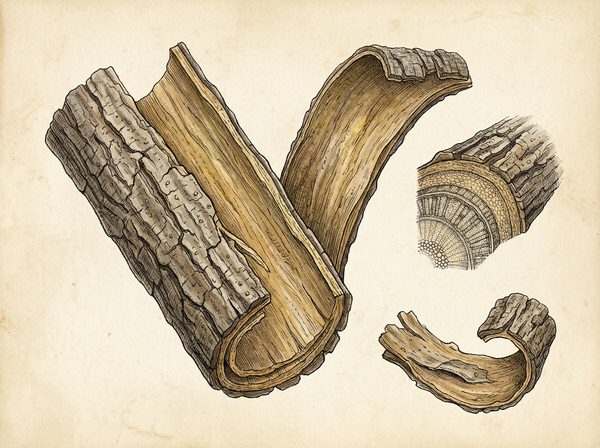 Magnolia BarkMagnolia officinalis
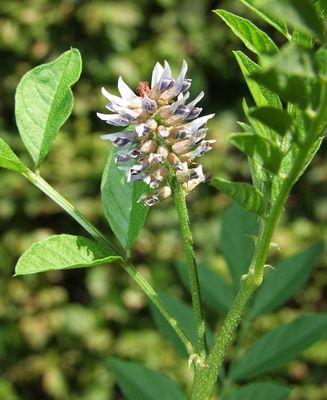 Licorice rootGlycyrrhiza glabra
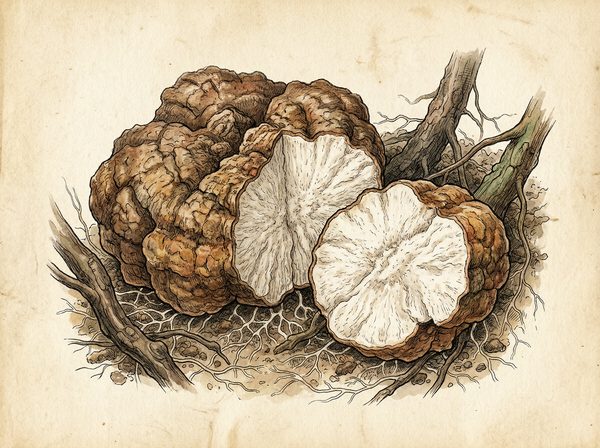 PoriaWolfiporia extensa
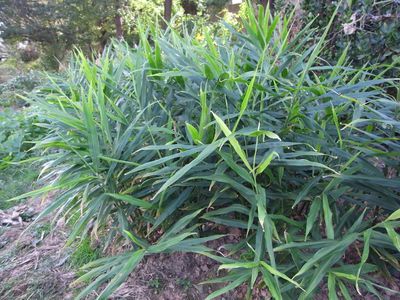 GingerZingiber officinale
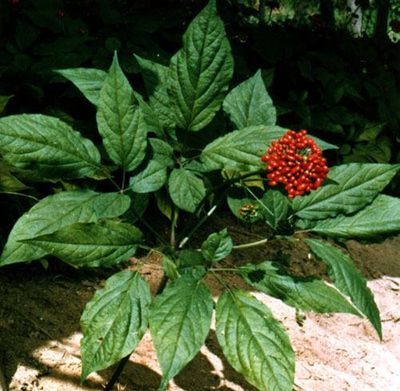 GinsengPanax ginseng
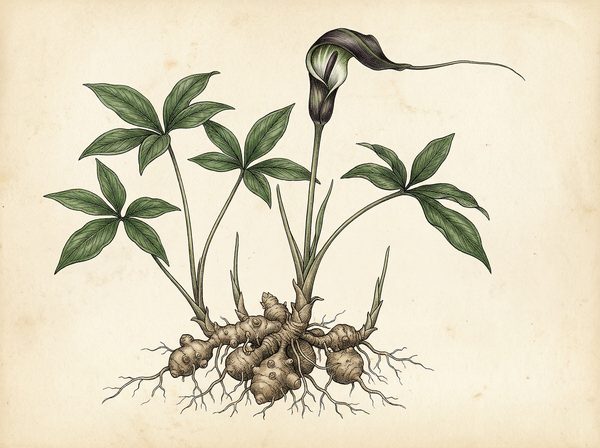 PinelliaPinellia ternata
Nearby on the shelf
 Sweet cicelyOsmorhiza longistylis
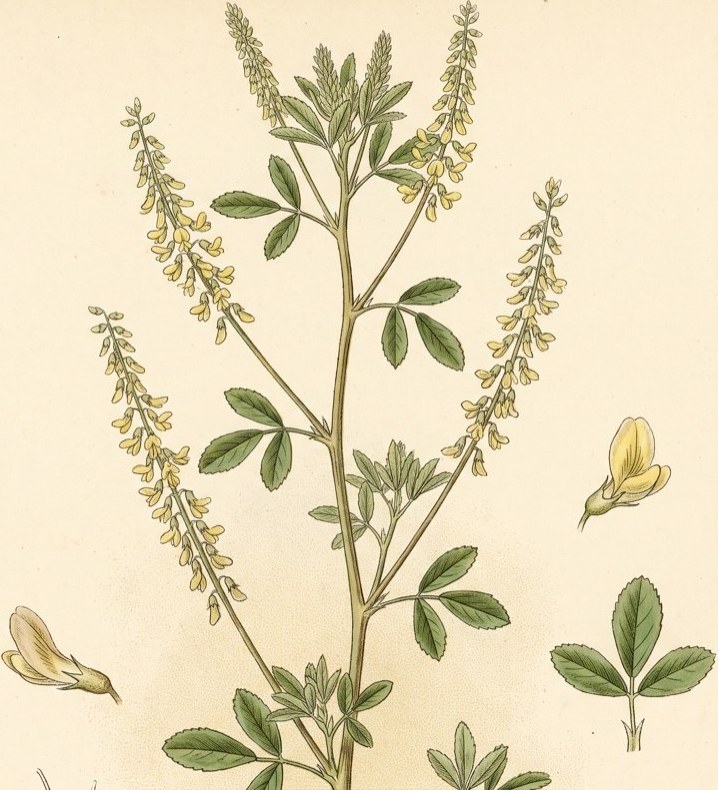 Sweet cloverMelilotus officinalis
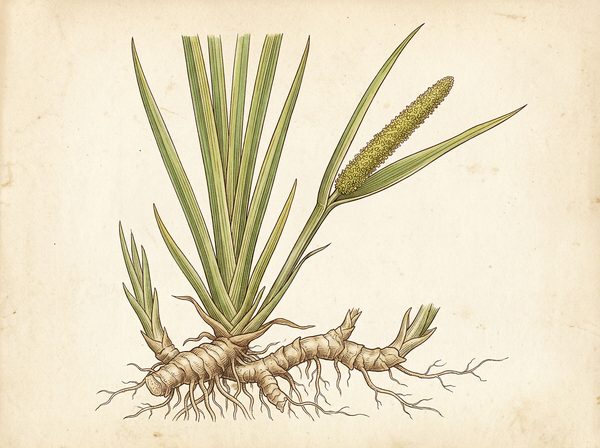 Sweet flagAcorus calamus
 Sweet GoldenrodSolidago odora
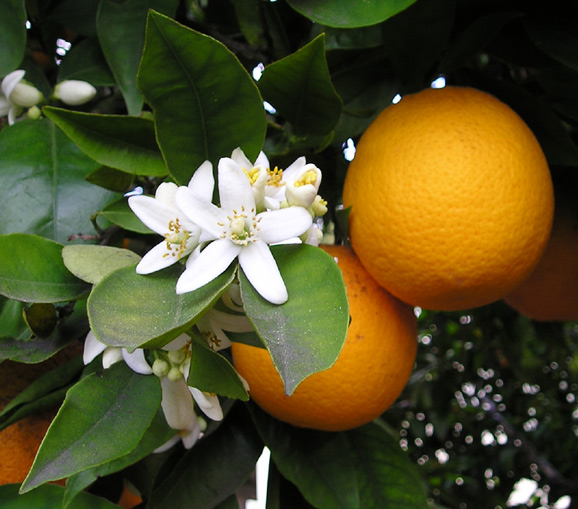 Sweet OrangeCitrus sinensis
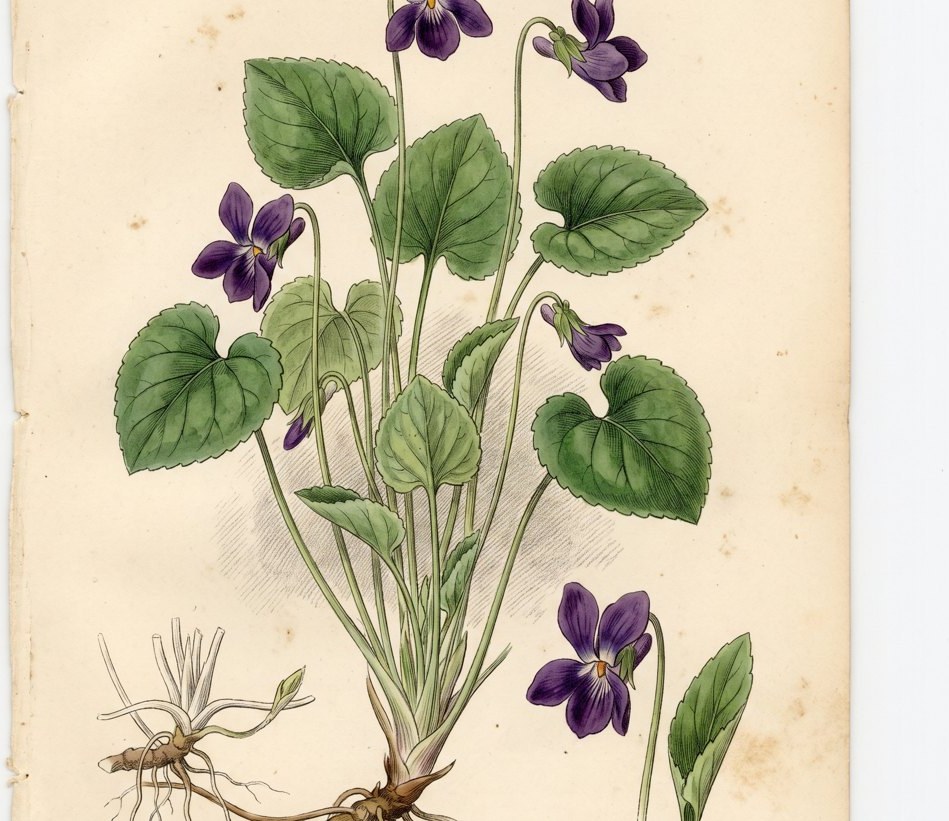 Sweet VioletViola odorata
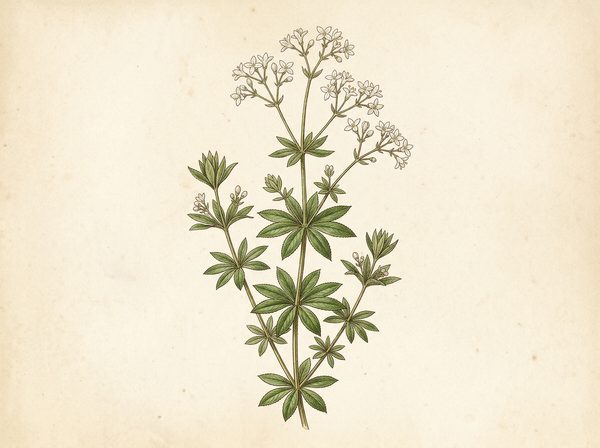 Sweet WoodruffGalium odoratum
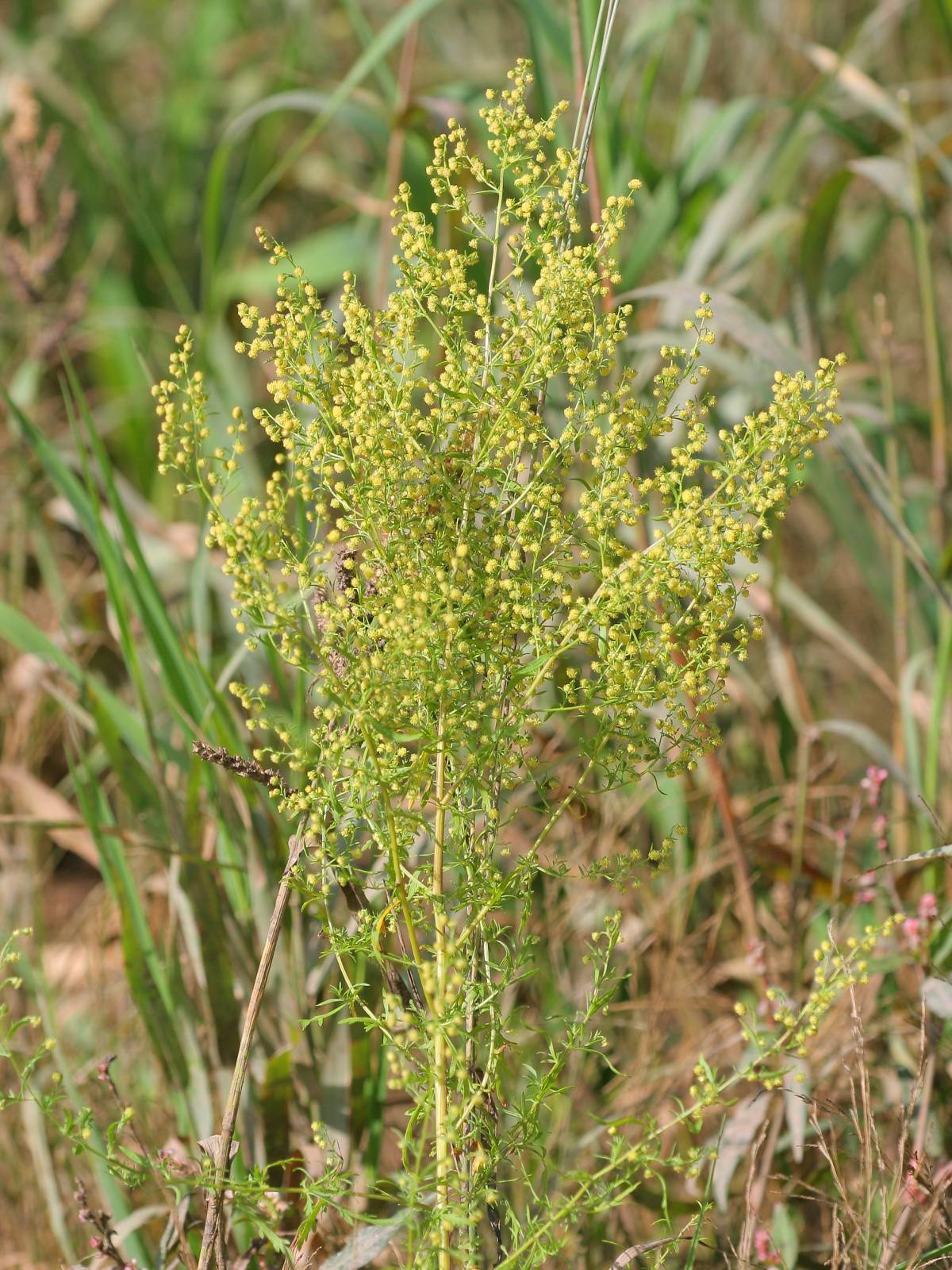 Sweet WormwoodArtemisia annua
The whole plate is in the library. The compass, Compare, the Sky of eleven hundred plants and the formulary open with an email address and a password, free, with the formula builder and its safety engine. Herbert without limit, his formulating, clients, the handouts and the labels are the paid room.
Open the library, free