Western Herbalism
Spikenard
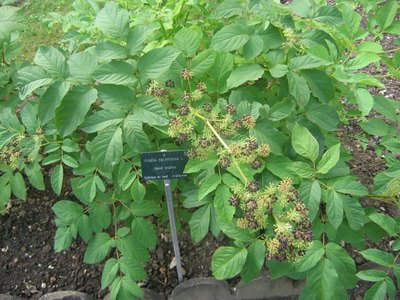
Aralia Racemosa
Also known as American spikenard, Spignet, Pettymorrel, American nard, Aralia, Indian Turnip, Jack-in-the- Pulpit, Dragon Root.
Aralia racemosa is a tall herbaceous perennial of the ginseng family, native to rich, moist woodlands of eastern North America. Its thick, aromatic root was a staple of nineteenth century American Eclectic and physiomedical practice, valued as a warming pectoral and alterative. The root was traditionally combined with other pulmonary herbs in syrups for chronic chest complaints, and it was also used, less commonly, as a substitute for true sarsaparilla in alterative formulas.

Ask Herbert about Spikenard. Herbert is the master herbalist inside Bountiful Herbs: he answers from this plate and eleven hundred others, with dosing, pairing and cautions. Your first ten questions are free.
Ask HerbertActions
Indications what the tradition reached for it in
- Chronic productive cough
- Bronchitis with copious mucus
- Asthma with mucus congestion
- Chronic catarrh
- Debility following respiratory illness
- Chronic rheumatism
- Skin eruptions needing alterative support
- Pleurisy (historical use)
- Sluggish digestion with flatulence
- General weakness in convalescence
Specific indications
Chronic, loose cough with abundant thin mucus in a debilitated patient who cannot clear the chest easily
Cold, damp rheumatic pains that worsen with weather change and respond to warming circulatory herbs
Irritative cough of debility with excessive secretion.
Safety
Low dose botanical. Used in drop doses in the classical practice; not a plant to dose freely.
Pregnancy: Not for use in pregnancy
Breastfeeding: No reliable safety data exist for use during breastfeeding, so it is best avoided or used only under professional guidance.
The record lists 3 contraindications; open the plate in the library to read them in full.
In practice
American spikenard root was reached for in the Eclectic era when a patient presented with a loose, rattling cough and copious mucus but insufficient strength to clear it, particularly in older or debilitated individuals recovering slowly from a chest infection.
Dosing as the sources wrote it
| Preparation | As written | Metric |
|---|---|---|
| Decoction | 2-4 g dried root three times daily | 2000-4000 mg |
| Tincture (1:5, 45%) | 2-4 mL three times daily | 2-4 mL |
| Traditional syrup | 5-10 mL of a compound syrup preparation three times daily | 5-10 mL |
| Specific Medicine Spikenard | Dose, from five to forty minims. | 0.31-2.46 mL |
| Dose, 5 to 40 drops in syrup or water. | 0.25-2 mL | |
| Dose, 1 to 5 drops. | 0.02-0.1 mL |
Doses are reproduced from the sources for practitioners and are not a recommendation for any person.
From the sources
Overview. Aralia racemosa is a tall herbaceous perennial of the ginseng family, native to rich, moist woodlands of eastern North America. Its thick, aromatic root was a staple of nineteenth century American Eclectic and physiomedical practice, valued as a warming pectoral and alterative. The root was traditionally combined with other pulmonary herbs in syrups for chronic chest complaints, and it was also used, less commonly, as a substitute for true sarsaparilla in alterative formulas.
Clinical Notes. American spikenard root was reached for in the Eclectic era when a patient presented with a loose, rattling cough and copious mucus but insufficient strength to clear it, particularly in older or debilitated individuals recovering slowly from a chest infection.
Action and Therapy. A pleasant aromatic stimulating expectorant for chronic pulmonic affections, with cough from marked irritation and excessive catarrhal secretions. The syrup is a really valuable cough remedy in greatly debilitated subjects. When used in very small amounts the specific medicine is an agreeable flavor for syrupy cough mixtures. A number of apocryphal uses have been recorded for it, but outside of its good effects upon the respiratory and renal mucosa it has nothing to commend it. ARISÆMA TRIPHYLLUM. The fresh corm of Arisaema triphyllum, Torre (Nat. Ord. Araceae). Common in damp woods and wet situations in North and South merica.
Therapy. Arisaema has been recommended for a variety of disorders, chiefly of the respiratory tract, and as a stimulant in low forms of fever, when delirium is marked and the membranes are inflamed and the tongue red, painful and swollen.
Drawn from Cook's Physio-Medical Dispensatory; King's American Dispensatory, 18th edition (Felter and Lloyd); Ellingwood's American Materia Medica, Therapeutics and Pharmacognosy; Felter's Eclectic Materia Medica, Pharmacology and Therapeutics, and the Bountiful Herbs editorial.
Often paired with
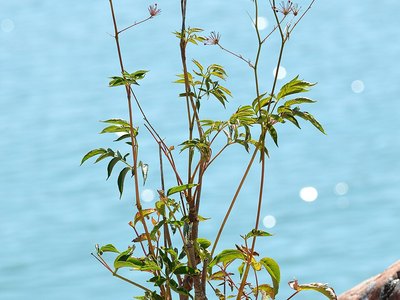 Dwarf ElderAralia Hispida
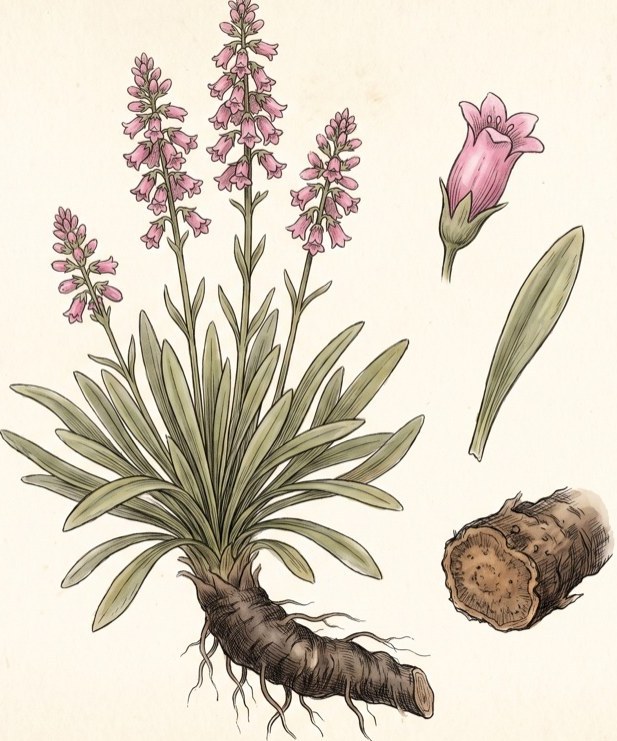 jatamansiNardostachys jatamansi
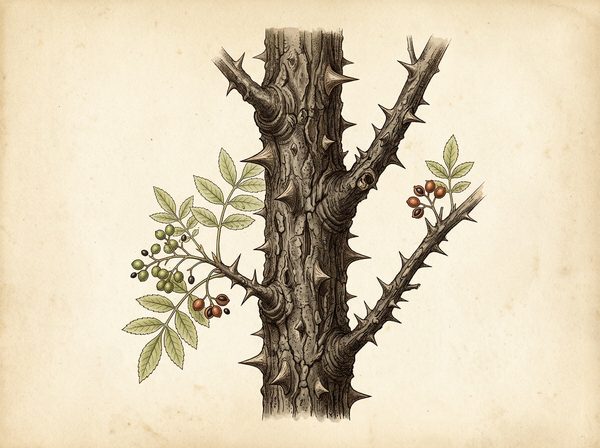 Prickly AshZanthoxylum americanum
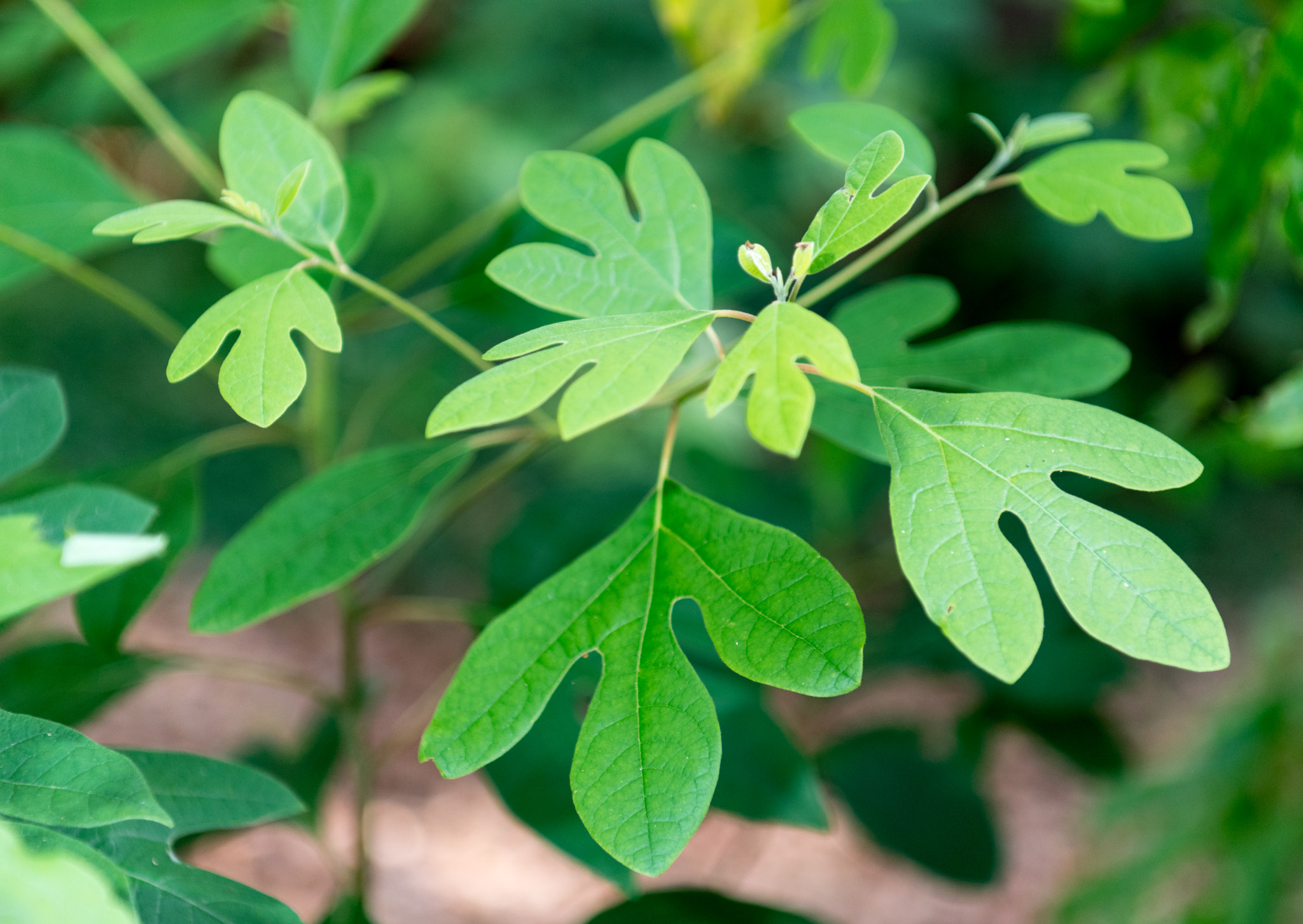 SassafrasSassafras albidum
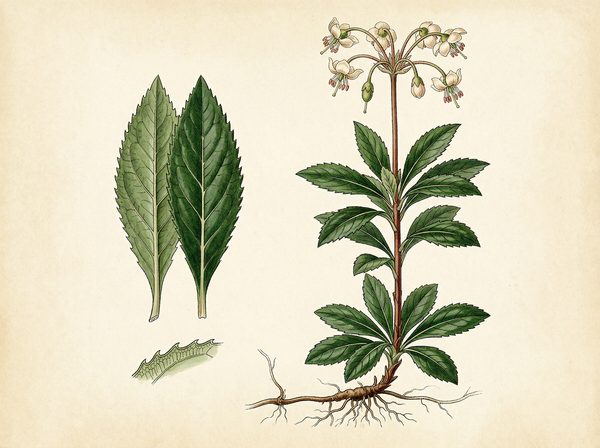 PipsissewaChimaphila umbellata
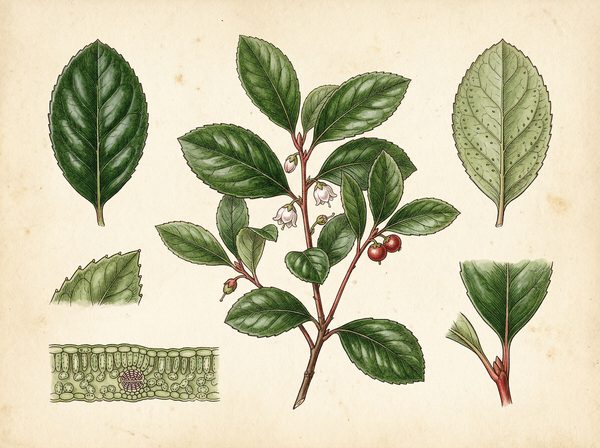 WintergreenGaultheria procumbens
Nearby on the shelf
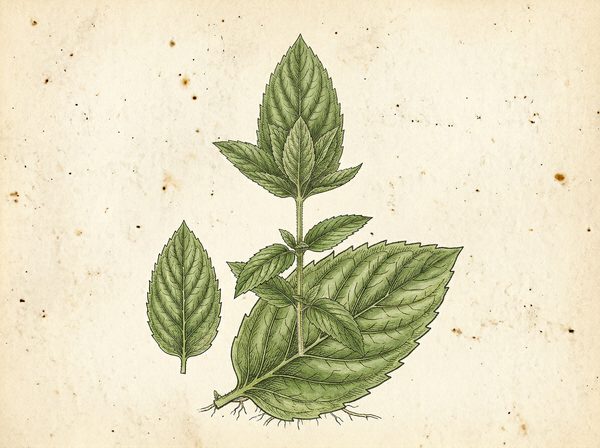 SpearmintMentha spicata
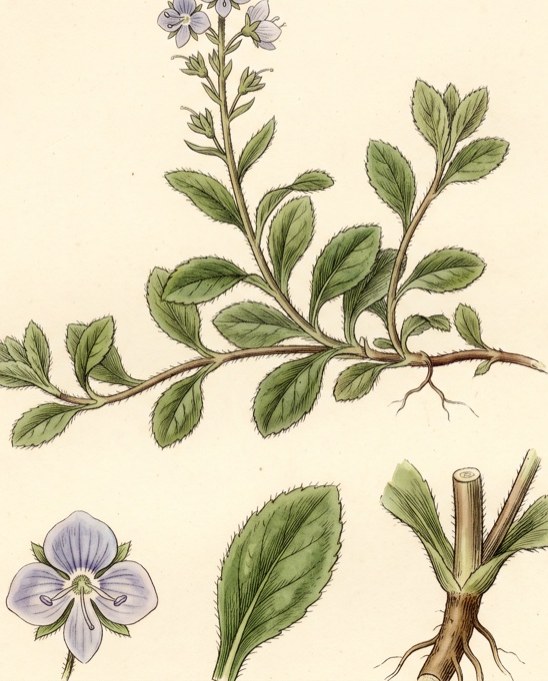 SpeedwellVeronica officinalis
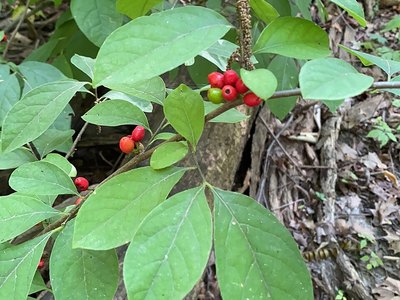 SpicebushBenzoin odoriferum
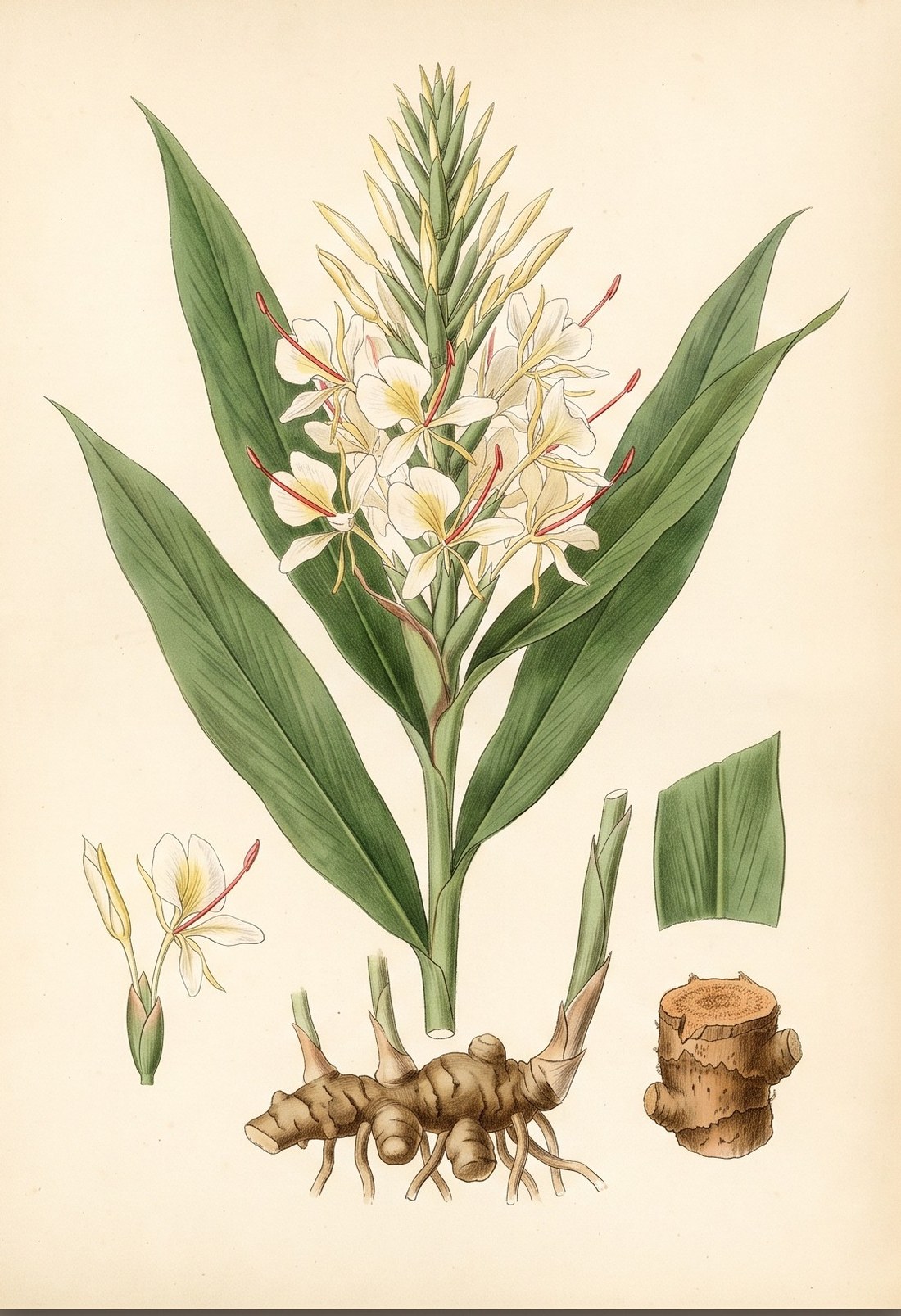 Spiked ginger lilyHedychium spicatum
 SpirulinaArthrospira platensis
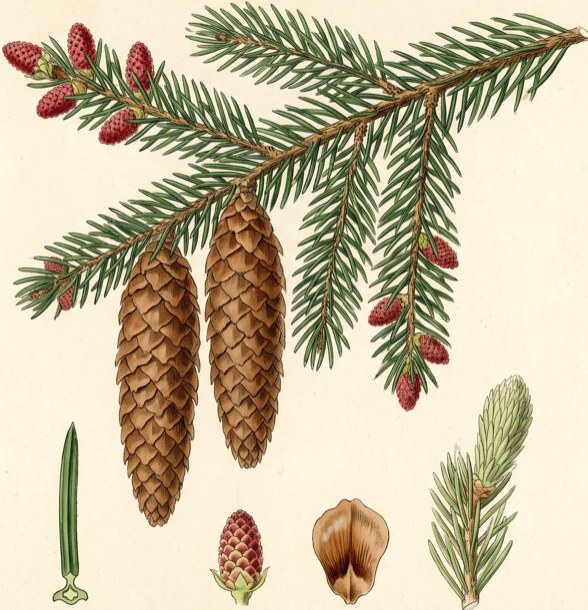 SprucePicea abies
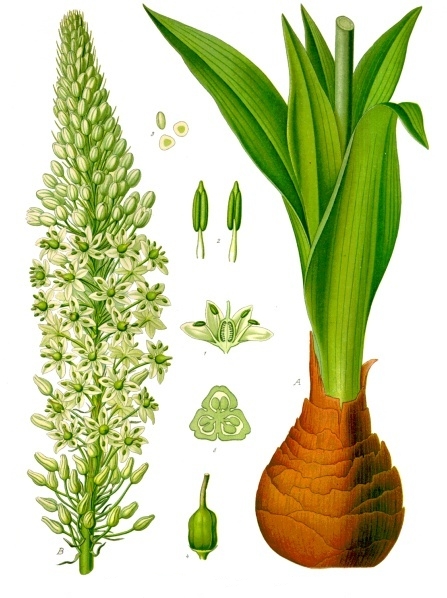 SquillDrimia maritima
 St. John's WortHypericum perforatum
The whole plate is in the library. The compass, Compare, the Sky of eleven hundred plants and the formulary open with an email address and a password, free, with the formula builder and its safety engine. Herbert without limit, his formulating, clients, the handouts and the labels are the paid room.
Open the library, free