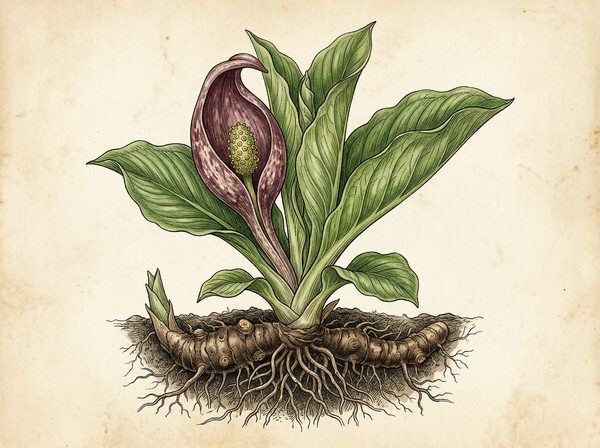
Western Herbalism
Skunk Cabbage
Symplocarpus foetidus
Also known as Skunkweed, Skunk Weed, Pole Cat Weed, Meadow Cabbage, Polecat-weed, Foetid hellebore.
Officially listed in U.S. Pharmacopoeia as 'dracontium' 1820-1880 for respiratory diseases, nervous disorders, rheumatism, dropsy used by Native Americans raw plant toxic - must dry or cook thoroughly rhizome harvested autumn/spring, potency decreases with storage

Ask Herbert about Skunk Cabbage. Herbert is the master herbalist inside Bountiful Herbs: he answers from this plate and eleven hundred others, with dosing, pairing and cautions. Your first ten questions are free.
Ask HerbertActions
Indications what the tradition reached for it in
- Hemorrhage
- Catarrh
- Bruises
- Whooping cough
- Bronchial spasms
- Nervous disorders
- Vertigo
- Rheumatism
- Bronchitis
- Epilepsy
- Asthma
- Toothache
- Swelling
- Headache
- Convulsions
- Cough
- Respiratory disease
- Wounds
- Hay fever
- Splinters
- Colic
- Cramps
- Edema
- Fluid retention
- Muscle spasms
- Nervous tension
- Respiratory congestion
- Stress
- Urinary disorders
- Respiratory complaints
Safety
Low dose botanical. Used in drop doses in the classical practice; not a plant to dose freely.
Pregnancy: Pregnancy Caution
Breastfeeding: Lactation (source flag notSafeInLactation)
The record lists 4 contraindications; open the plate in the library to read them in full.
Dosing as the sources wrote it
| Preparation | As written | Metric |
|---|---|---|
| Dried rhizome powder | Dried rhizome powder 3-6 g/day divided doses | 3000-6000 mg |
| tincture | tincture 0.5-1 mL 3x/day | 0.5-1 mL |
| powder | powder 10-20 grains | 648-1296 mg |
| cold infusion | cold infusion 10 g in 250 mL water | 10000-10000 mg |
| Powdered rhizome/root 0.5-1.0 g in honey or as an infusion or decoction three times daily .(G7) Liquid extract 0.5-1.0 mL (1 : 1 in 25% alcohol) three times daily .(G7) Tincture 2-4 mL (1 : 10 in 45% | 500-1000 mg | |
| Dose of the powder, from ten to twenty grains every three or two hours | 648-1296 mg |
Doses are reproduced from the sources for practitioners and are not a recommendation for any person.
From the sources
Clinical Notes. Officially listed in U.S. Pharmacopoeia as 'dracontium' 1820-1880 for respiratory diseases, nervous disorders, rheumatism, dropsy used by Native Americans raw plant toxic - must dry or cook thoroughly rhizome harvested autumn/spring, potency decreases with storage
Action and Therapy. In large doses dracontium will cause nausea and vomiting, dizziness, headache, and impaired vision. In small doses it is a stimulant, expectorant, and antispasmodic. It very markedly relieves nervous irritation with tendency to spasmodic action, making it a remedy of some value in nervous irritability, asthma, and whooping cough, and in chronic coughs and catarrhs.
Properties and Uses. The roots, and also the seeds, are relaxant, very diffusive, promotive of perspiration, and much valued as an antispasmodic in coughs, and in the restlessness of fevers. By most persons it is accused of being mildly narcotic; but many experienced and careful physicians assure me that it is in no sense narcotic, but a simple and reliable nervine, of the most innocent and effective soothing character.
Action, Medical Uses, and Dosage. This tincture forms an excellent emetic for children and infants, and may be safely used in croup, whooping-cough, bronchitis, asthma, convulsions, and in all cases where an emetic is required. It will likewise be found beneficial as an expectorant, or nauseant in coughs, pleuritic affections, asthma, pertussis, and whenever expectorants are indicated.
Drawn from Cook's Physio-Medical Dispensatory; Scudder's Specific Medication and Specific Medicines; King's American Dispensatory, 18th edition (Felter and Lloyd); Felter's Eclectic Materia Medica, Pharmacology and Therapeutics, and the Bountiful Herbs editorial.
Often paired with
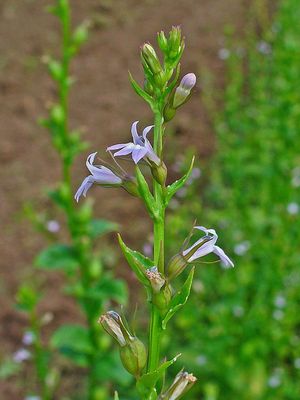 Indian tobaccoLobelia inflata
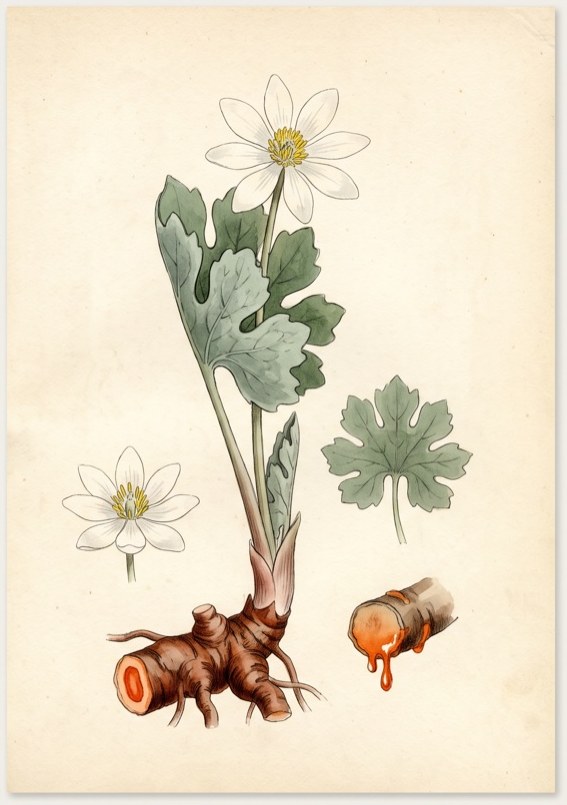 BloodrootSanguinaria canadensis
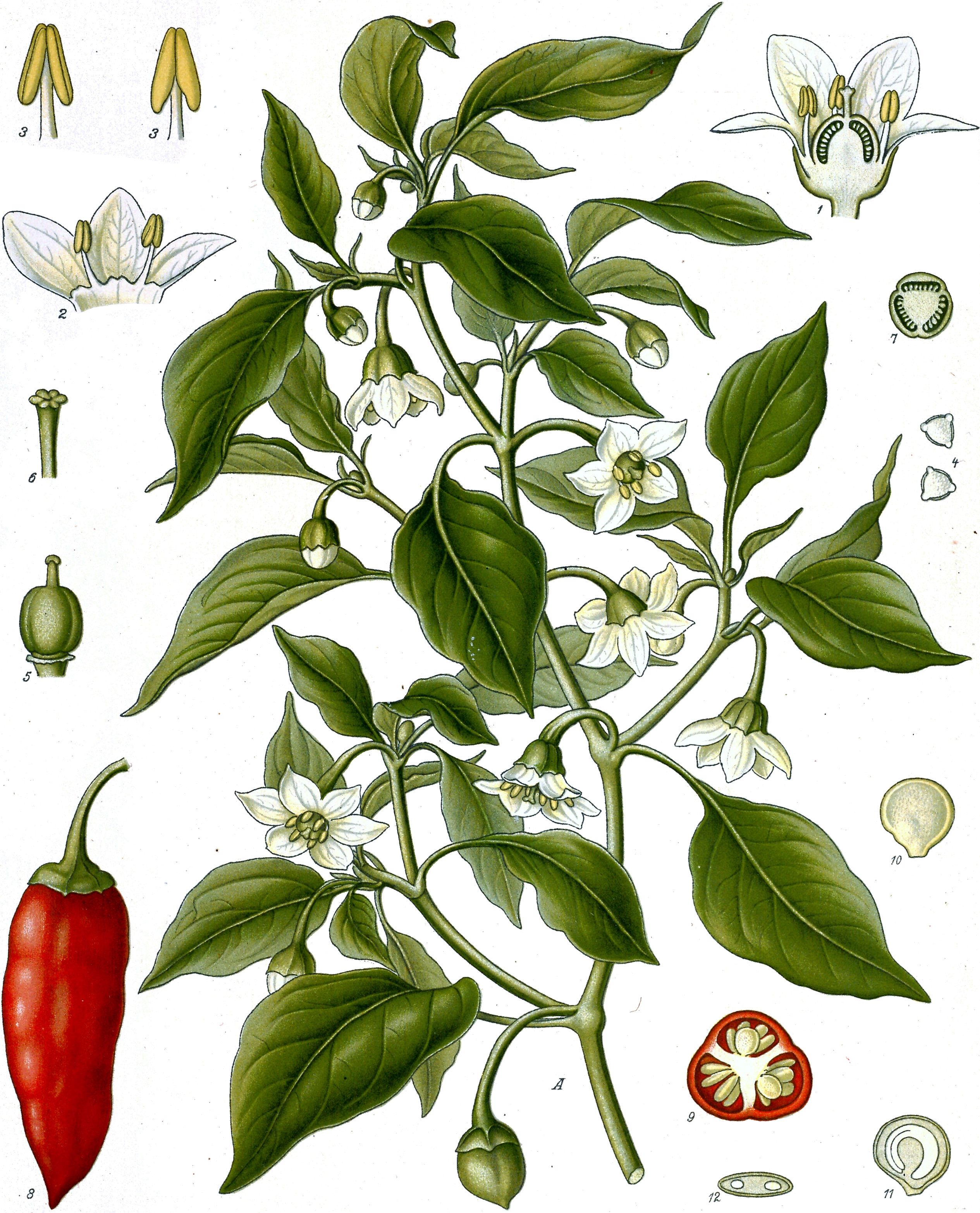 CayenneCapsicum frutescens
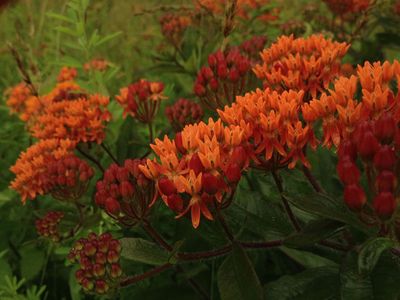 Pleurisy rootAsclepias tuberosa
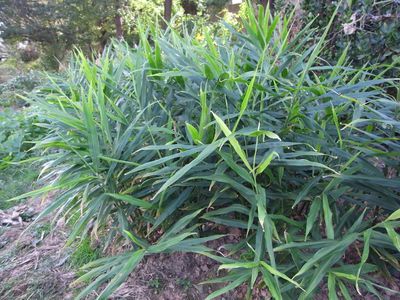 GingerZingiber officinale
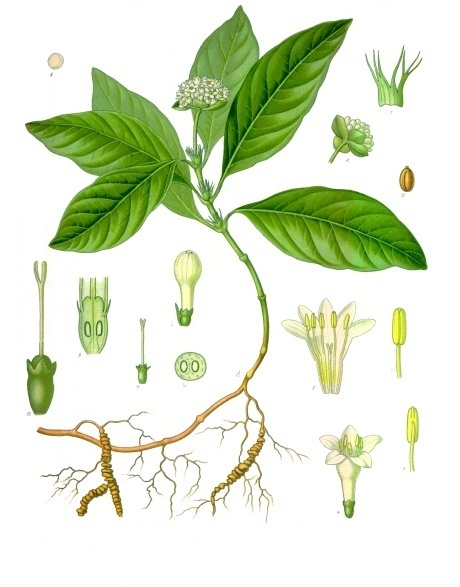 IpecacCarapichea ipecacuanha
Nearby on the shelf
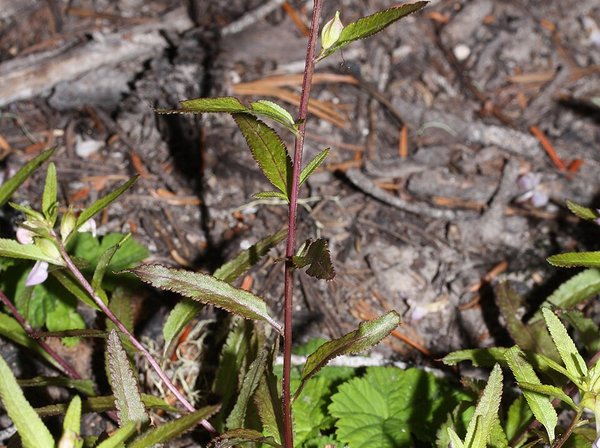 Sickletop LousewortPedicularis racemosa
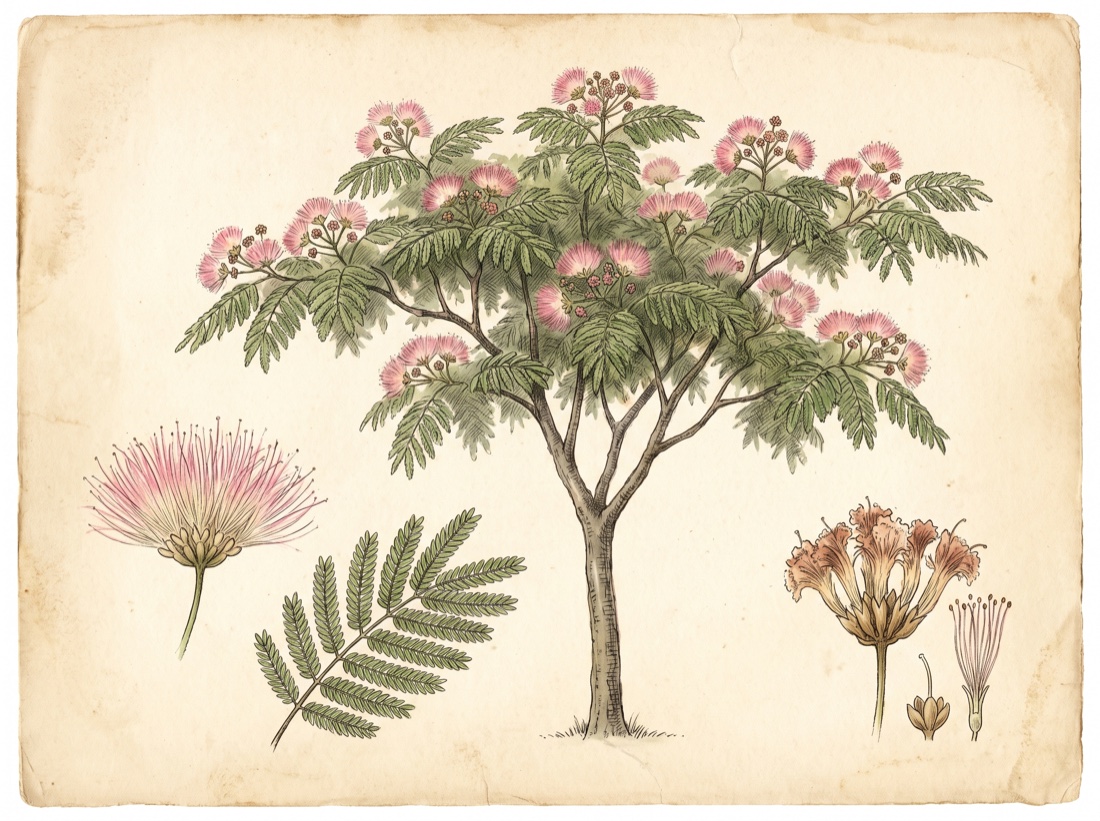 Silk treeAlbizia julibrissin
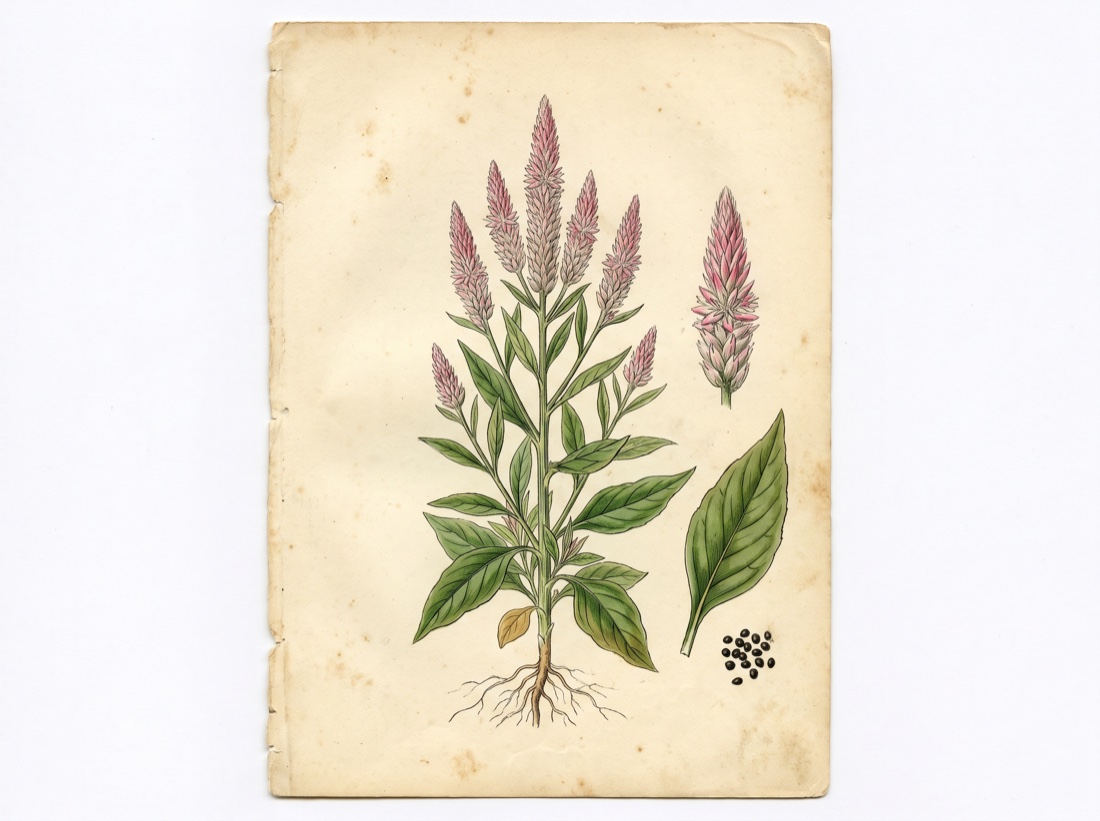 Silver cockscombCelosia argentea
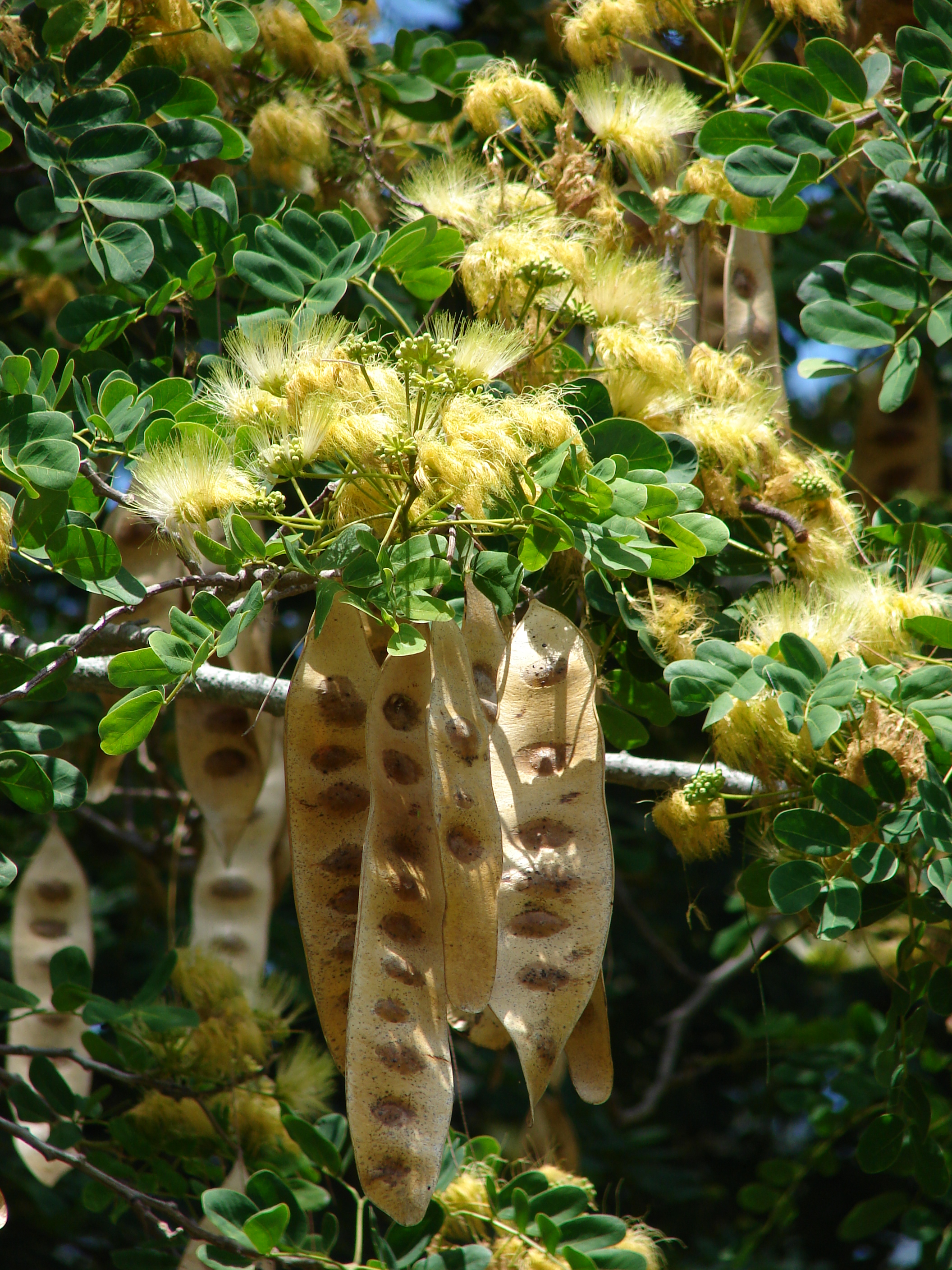 SirisAlbizia lebbeck
 Slippery elmUlmus rubra
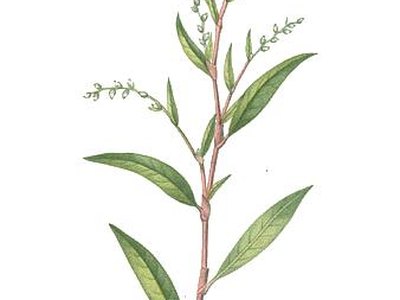 SmartweedPolygonum hydropiper
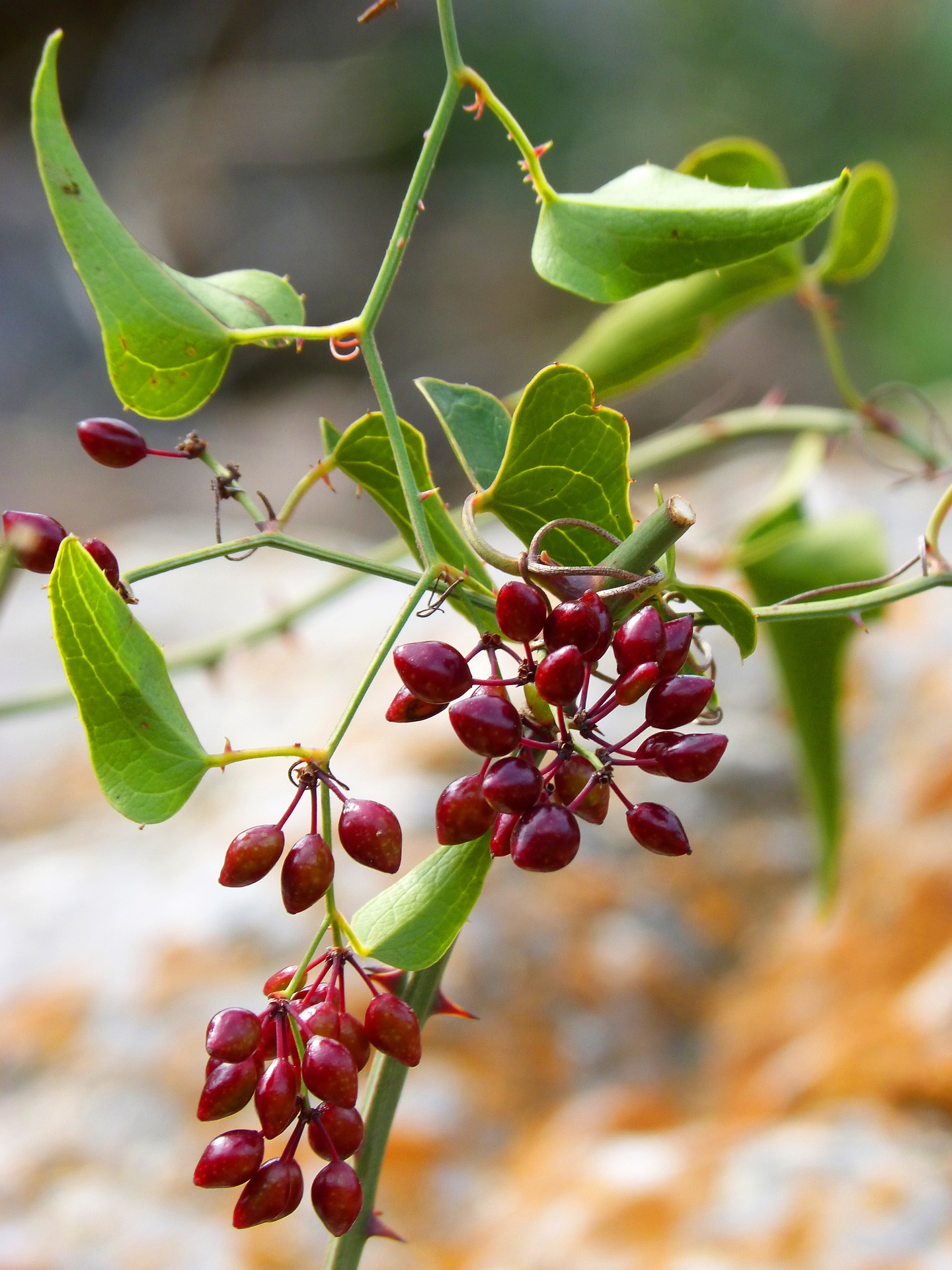 Smilax regeliiSmilax regelii
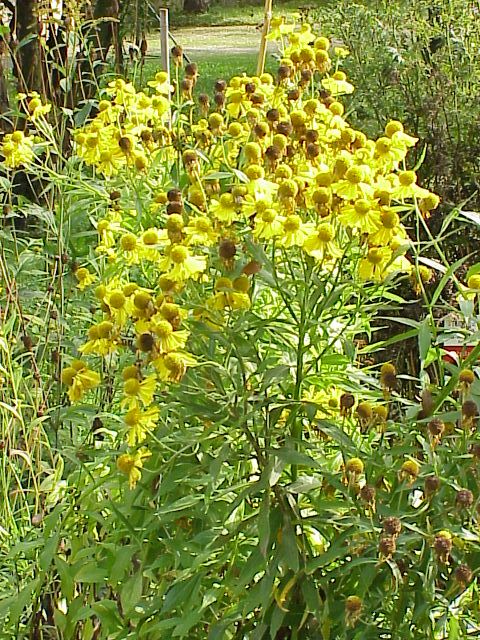 SneezeweedHelenium
The whole plate is in the library. The compass, Compare, the Sky of eleven hundred plants and the formulary open with an email address and a password, free, with the formula builder and its safety engine. Herbert without limit, his formulating, clients, the handouts and the labels are the paid room.
Open the library, free