Western Herbalism
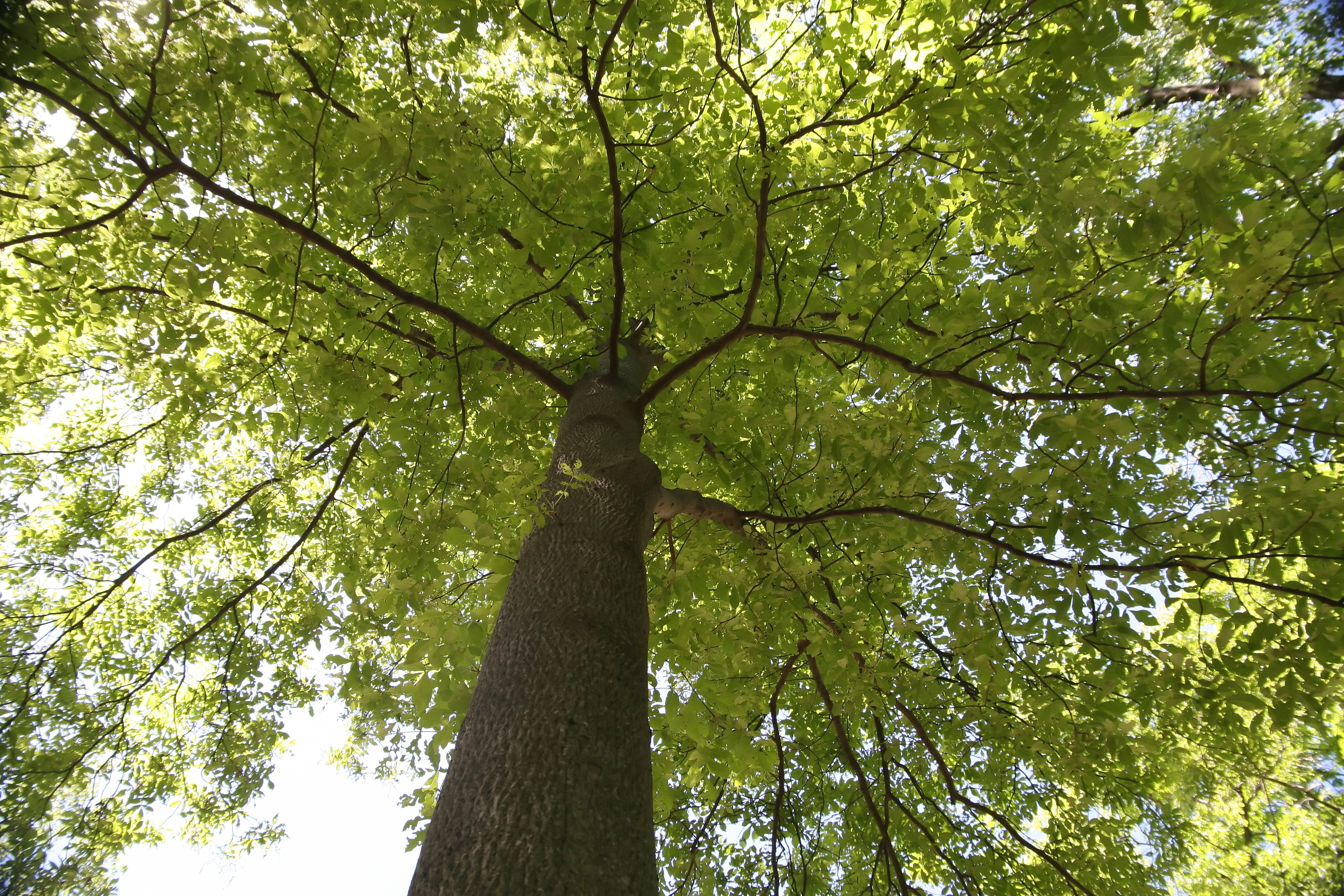
Shagbark hickory
Carya alba
Also known as shag-bark hickory, shellbark hickory.
Shagbark hickory is a tall North American tree of the walnut family, easily recognized by its shaggy, plate-like bark, growing widely through the eastern and central United States. The middle bark of the trunk was the part used medicinally by nineteenth century physiomedicalist and eclectic practitioners, valued as a warming bitter tonic. It has little presence in modern herbal practice and is documented almost entirely in historical American botanical medicine.

Ask Herbert about Shagbark hickory. Herbert is the master herbalist inside Bountiful Herbs: he answers from this plate and eleven hundred others, with dosing, pairing and cautions. Your first ten questions are free.
Ask HerbertActions
Indications what the tradition reached for it in
- Poor appetite
- Atonic dyspepsia
- Sluggish digestion
- Deficient bile flow
- General debility with cold digestion
- Convalescence with low vitality
- Torpid liver function
- Weak, slow circulation
Specific indications
A cold, atonic stomach with poor appetite and slow, weak digestion, calling for a warming bitter tonic to restore tone
Sluggish biliary flow with a dull appetite and coated tongue, suggesting need for gentle cholagogue stimulation rather than a harsh purgative
Safety
Pregnancy: Avoid in pregnancy given the complete absence of modern safety data on this bark.
Breastfeeding: Avoid in lactation given the complete absence of modern safety data on this bark.
The record lists 3 contraindications; open the plate in the library to read them in full.
In practice
In the physiomedicalist framework, shagbark hickory bark was classed among the positive stimulating tonics: agents that restore tone to a relaxed, atonic tissue state rather than simply astringing or sedating it.
Dosing as the sources wrote it
| Preparation | As written | Metric |
|---|---|---|
| Decoction of dried bark | 2-4 g dried bark three times daily | 2000-4000 mg |
| Tincture (1:5, 45%) | 2-4 mL three times daily | 2-4 mL |
Doses are reproduced from the sources for practitioners and are not a recommendation for any person.
From the sources
Overview. Shagbark hickory is a tall North American tree of the walnut family, easily recognized by its shaggy, plate-like bark, growing widely through the eastern and central United States. The middle bark of the trunk was the part used medicinally by nineteenth century physiomedicalist and eclectic practitioners, valued as a warming bitter tonic. It has little presence in modern herbal practice and is documented almost entirely in historical American botanical medicine.
Clinical Notes. In the physiomedicalist framework, shagbark hickory bark was classed among the positive stimulating tonics: agents that restore tone to a relaxed, atonic tissue state rather than simply astringing or sedating it.
Description. Natural Order, Juglandaceae. The Genus CARYA is in the well-known Hickory family-embracing the hickory-nut, butternut, and pecan-nut trees. The one here to be spoken of, is that which produces the smaller hickory-nut; a tall, straight tree, with its outer bark loosening into plates, easily separated from the middle bark, and giving the tree a rough appearance.
Drawn from Cook's Physio-Medical Dispensatory, and the Bountiful Herbs editorial.
Nearby on the shelf
 Sensitive plantMimosa pudica
 SerpentariaAristolochia serpentaria
 SesameSesamum indicum
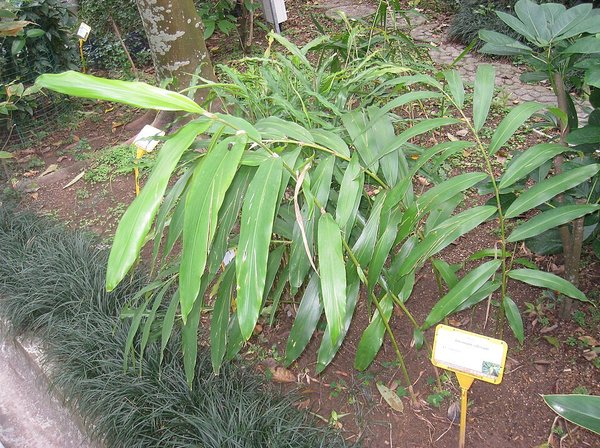 Sha RenAmomum villosum
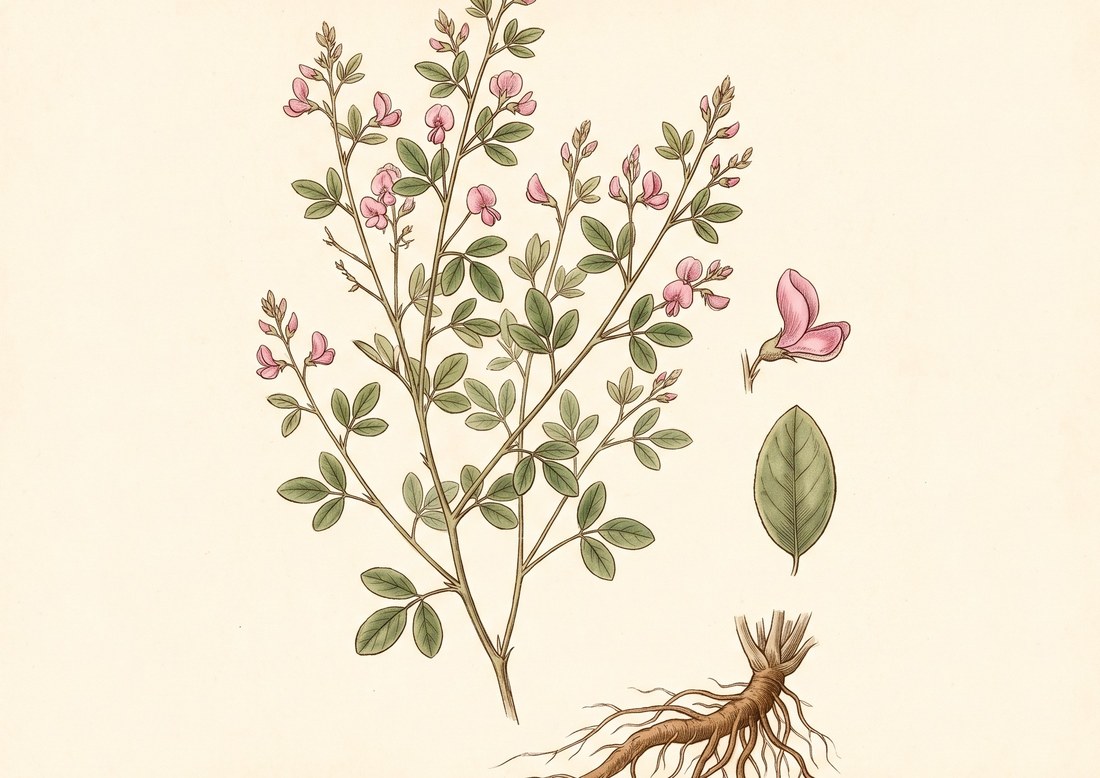 ShalparniDesmodium gangeticum
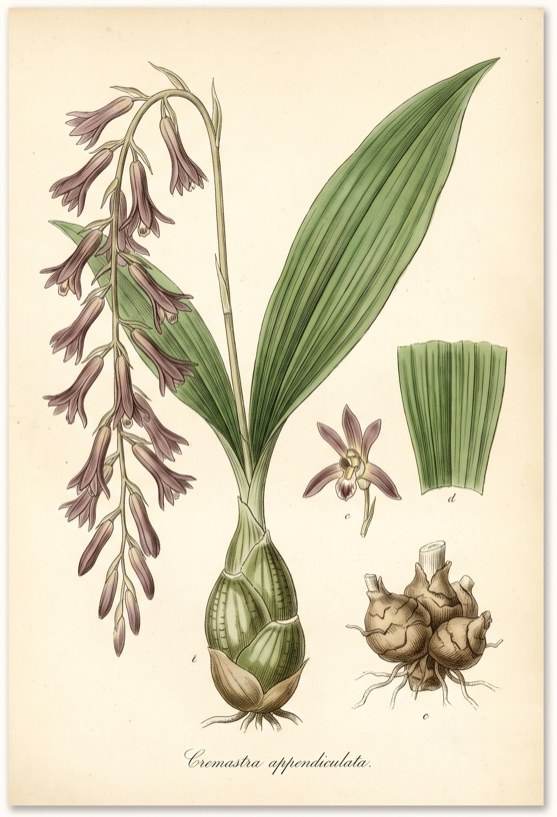 Shan Ci GuCremastra appendiculata
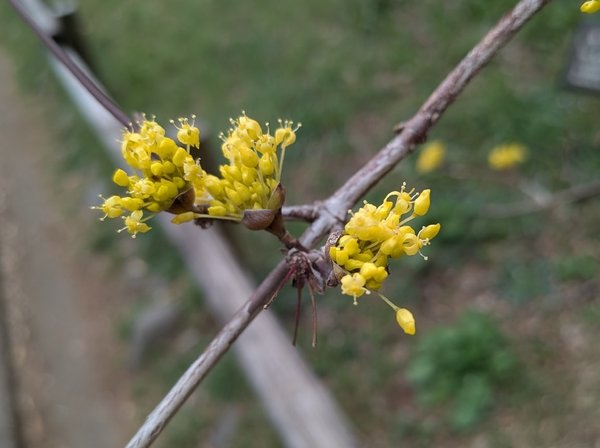 Shan Zhu YuCornus officinalis
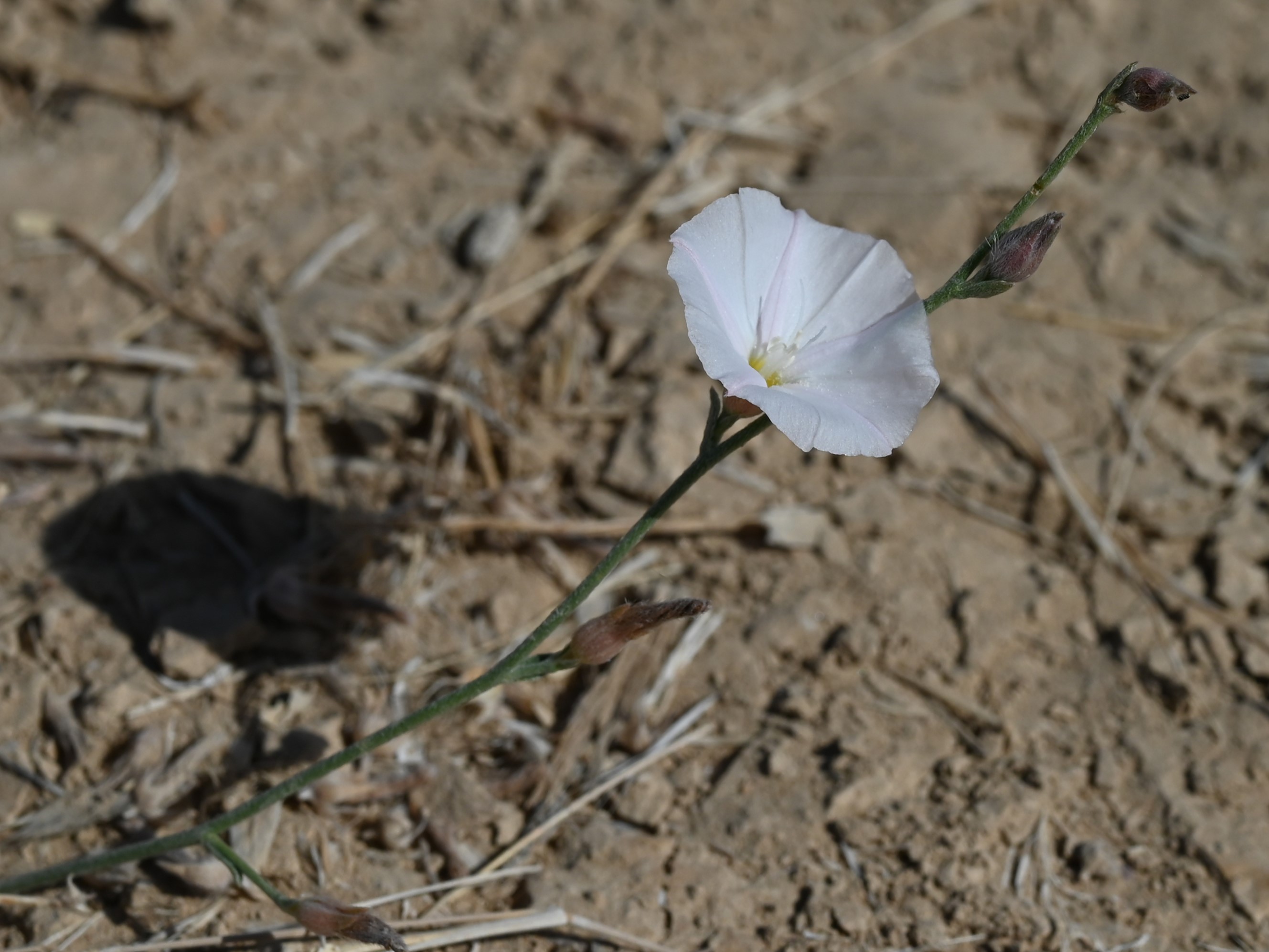 ShankhpushpiConvolvulus pluricaulis
The whole plate is in the library. The compass, Compare, the Sky of eleven hundred plants and the formulary open with an email address and a password, free, with the formula builder and its safety engine. Herbert without limit, his formulating, clients, the handouts and the labels are the paid room.
Open the library, free