Western Herbalism
Cajeput
Melaleuca cajuputi
Also known as Cajuput, White tea tree, Swamp tea tree.
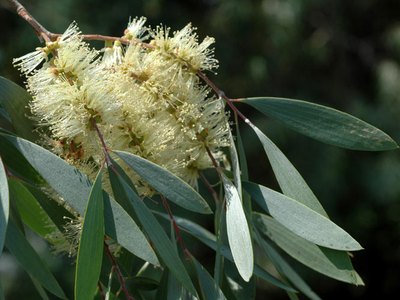
Cajeput is a small to medium tree of the myrtle family native to the swampy lowlands of Southeast Asia, from Indonesia and Malaysia through to northern Australia. The pale, papery-barked tree yields aromatic leaves that are steam distilled to produce cajeput oil, a pale to emerald green volatile oil once prized by physiomedical and eclectic practitioners as a powerful diffusive stimulant. Historically the oil was valued both internally, in small diluted doses for colic and spasm, and far more commonly externally as a rubefacient liniment for rheumatic and gouty complaints.

Ask Herbert about Cajeput. Herbert is the master herbalist inside Bountiful Herbs: he answers from this plate and eleven hundred others, with dosing, pairing and cautions. Your first ten questions are free.
Ask HerbertActions
Indications what the tradition reached for it in
- Muscular rheumatism
- Arthralgia and joint stiffness
- Chest congestion with thick mucus
- Bronchitis (adjunct, inhaled or chest rub)
- Sinus congestion
- Tension headache (topical temple application)
- Minor cuts and skin infections (dilute antiseptic)
- Toothache (dilute topical application)
- Colic and flatulence (historical internal use, now largely superseded)
- Cold and influenza symptomatic relief
Specific indications
Deep, cold, aching muscular or joint pain that feels better for warmth and vigorous rubbing, calling for a diffusive stimulating liniment.
Chest tightness with thick, sluggish mucus where a warming, penetrating volatile oil applied over the chest or inhaled helps loosen and move secretions.
Safety
Low dose botanical. Used in drop doses in the classical practice; not a plant to dose freely.
Pregnancy: Avoid internal use and use only well diluted topical preparations in pregnancy, as safety data are lacking.
Breastfeeding: Avoid application to or near the breast and chest area when breastfeeding, and avoid internal use; safety data are insufficient.
The record lists 6 contraindications; open the plate in the library to read them in full.
In practice
Cajeput oil sits in the same aromatic, cineole-rich family as eucalyptus and tea tree, and it is used clinically in much the same way: diluted in a carrier oil for chest rubs and rheumatic liniments, or added to steam inhalations for sinus and chest congestion.
Dosing as the sources wrote it
| Preparation | As written | Metric |
|---|---|---|
| Topical liniment | 1-5% cajeput essential oil diluted in a carrier oil, applied to the affected area two to three times daily | |
| Steam inhalation | 2-5 drops essential oil in hot water, inhaled as steam once or twice daily | 0.04-0.1 mL |
| but it is scarcely employed thus, though doses of one or two drops may be given, in extreme cases of prostration, with an ounce of some good mucilage, but not alone nor as an essence | 0.04-0.04 mL | |
| Dose, from two to ten minims. | 0.12-0.62 mL | |
| Spiritus Cajuputi, Spirit of Cajuput | Dose, one fluid dram. | 3.7-3.7 mL |
| Dose, from, one to two fluid drams. |
Doses are reproduced from the sources for practitioners and are not a recommendation for any person.
From the sources
Overview. Cajeput is a small to medium tree of the myrtle family native to the swampy lowlands of Southeast Asia, from Indonesia and Malaysia through to northern Australia. The pale, papery-barked tree yields aromatic leaves that are steam distilled to produce cajeput oil, a pale to emerald green volatile oil once prized by physiomedical and eclectic practitioners as a powerful diffusive stimulant. Historically the oil was valued both internally, in small diluted doses for colic and spasm, and far more commonly externally as a rubefacient liniment for rheumatic and gouty complaints.
Clinical Notes. Cajeput oil sits in the same aromatic, cineole-rich family as eucalyptus and tea tree, and it is used clinically in much the same way: diluted in a carrier oil for chest rubs and rheumatic liniments, or added to steam inhalations for sinus and chest congestion.
Therapy. It is used in the typhoid state, in the stage of collapse in Asiatic cholera, in exhaustion from cholera infantum, the typhoid condition in malignant scarlet fever. Oil of cajuput is a diffusible stimulant of great power, and is indicated in all depressed and collapsed states of disease where there is no inflammation; such as we find in the advanced stage of adynamic fevers and malignant diseases.
Properties and Uses. The leaves of this tree yield a small quantity of volatile oil, which is very fluid, transparent, of a beautiful emerald-green color, a strong and persistent odor, and a very pungent taste. If its green color is too deep, the article probably contains some oxide of copper, which may be precipitated with a weak solution of yellow prussiate of potash.
Drawn from Cook's Physio-Medical Dispensatory; Ellingwood's American Materia Medica, Therapeutics and Pharmacognosy, and the Bountiful Herbs editorial.
In formulas
Cajeput stands in 14 documented formulas in the library, among them Mistura Cajuputi Composita, Tinctura Camphorae Composita.
Often paired with
 SassafrasSassafras albidum
 Poison HemlockConium maculatum
 Eastern HemlockAbies Canadensis
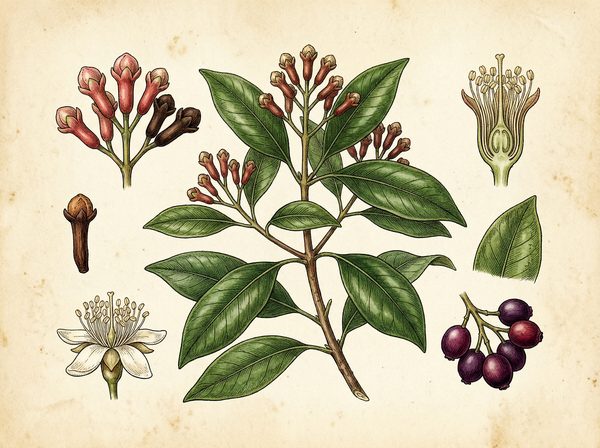 cloveSyzygium aromaticum
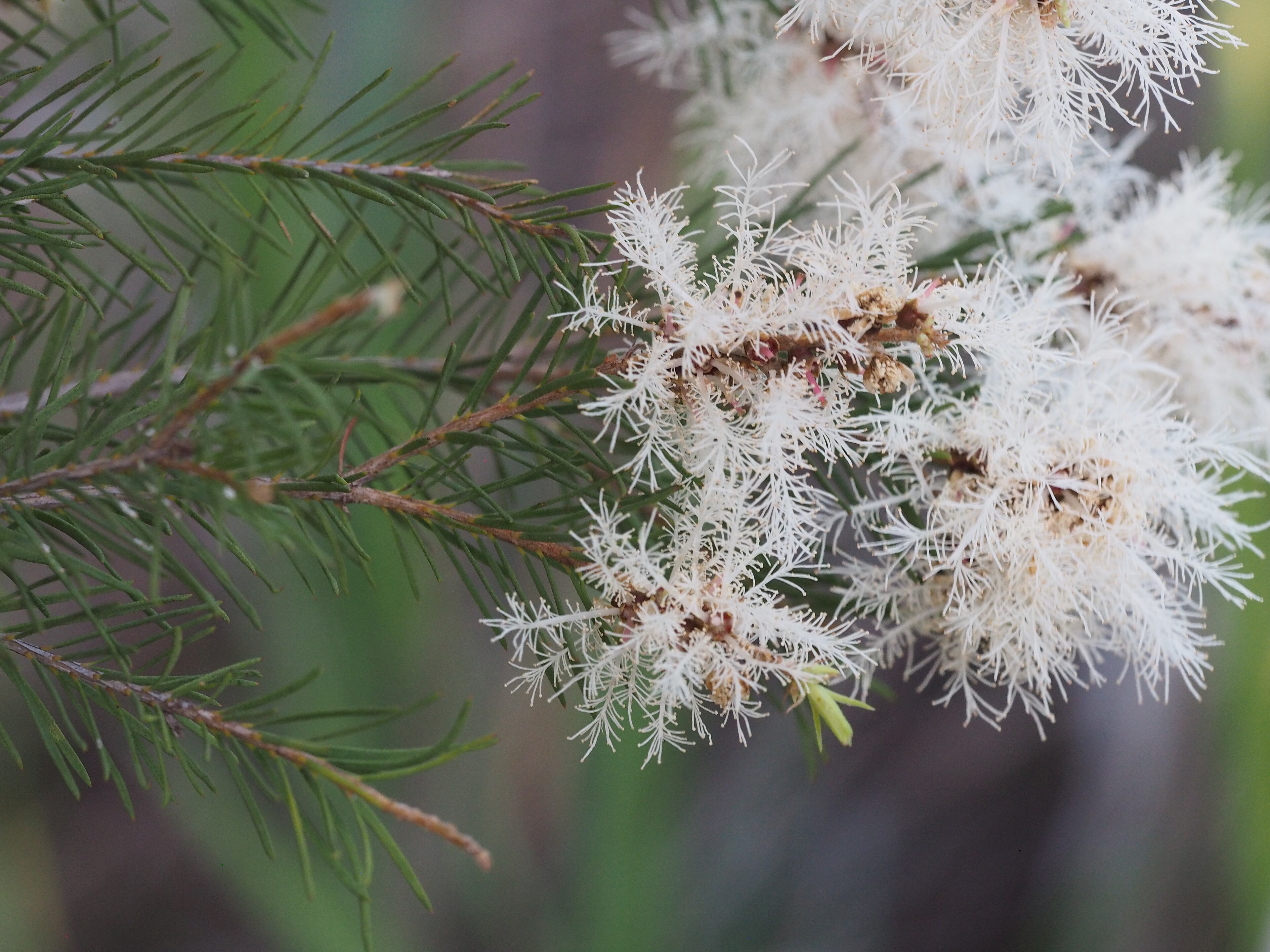 Tea treeMelaleuca alternifolia
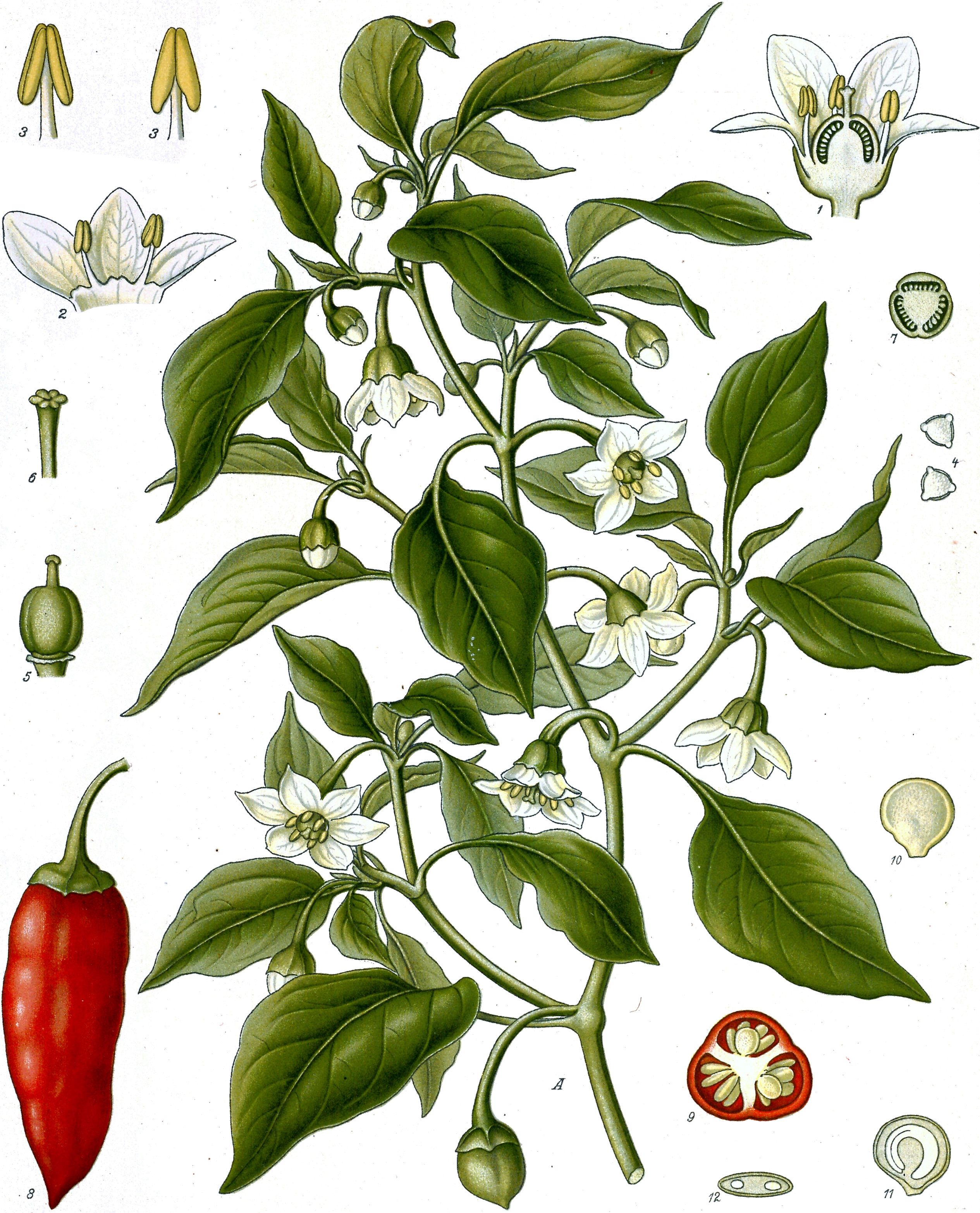 CayenneCapsicum frutescens
Nearby on the shelf
 Cabbage roseRosa Centifolia
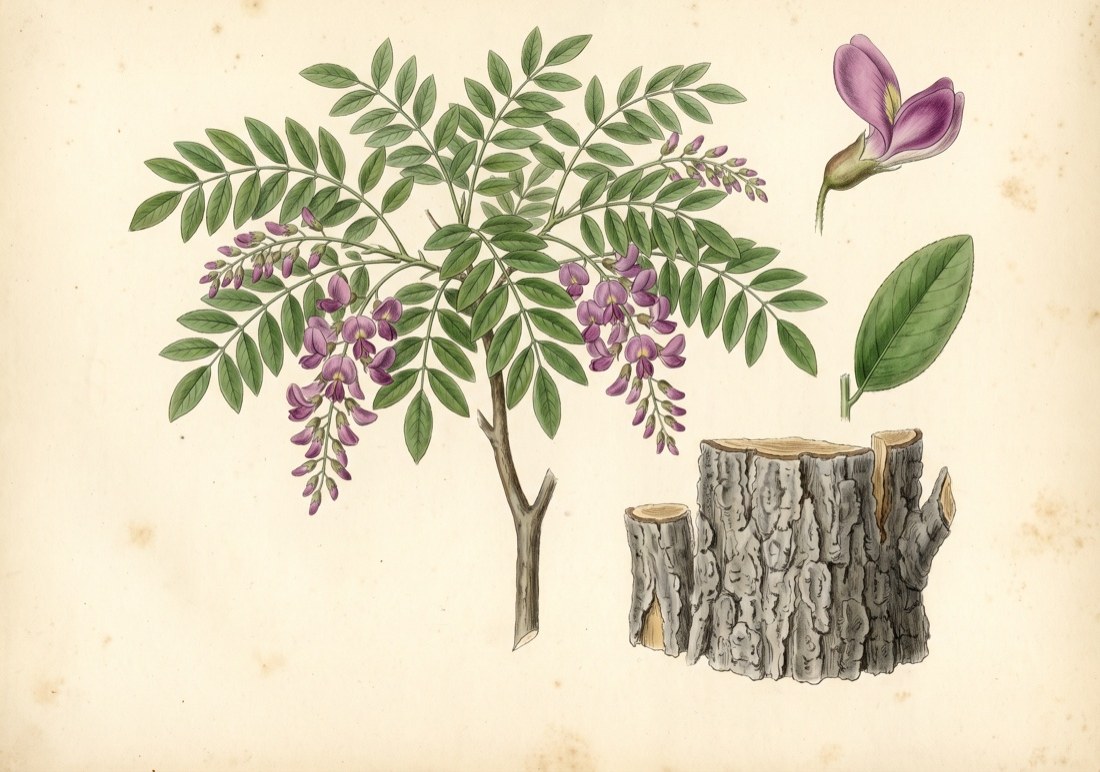 Cabbage tree barkAndira
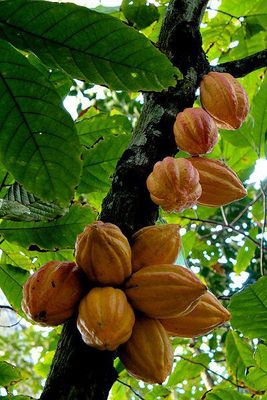 CacaoTheobroma cacao
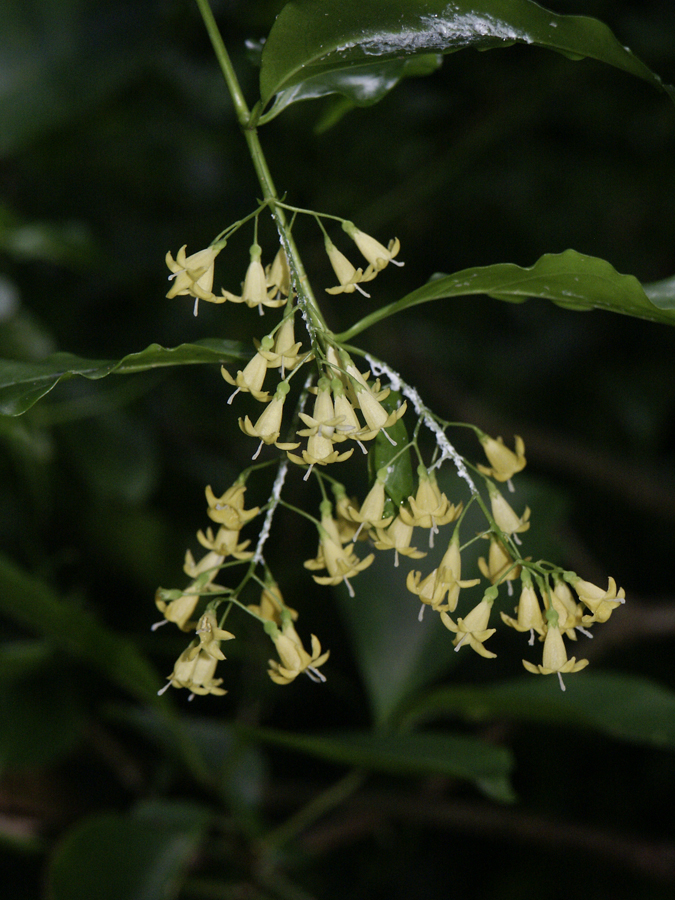 Cahinca rootCahinca
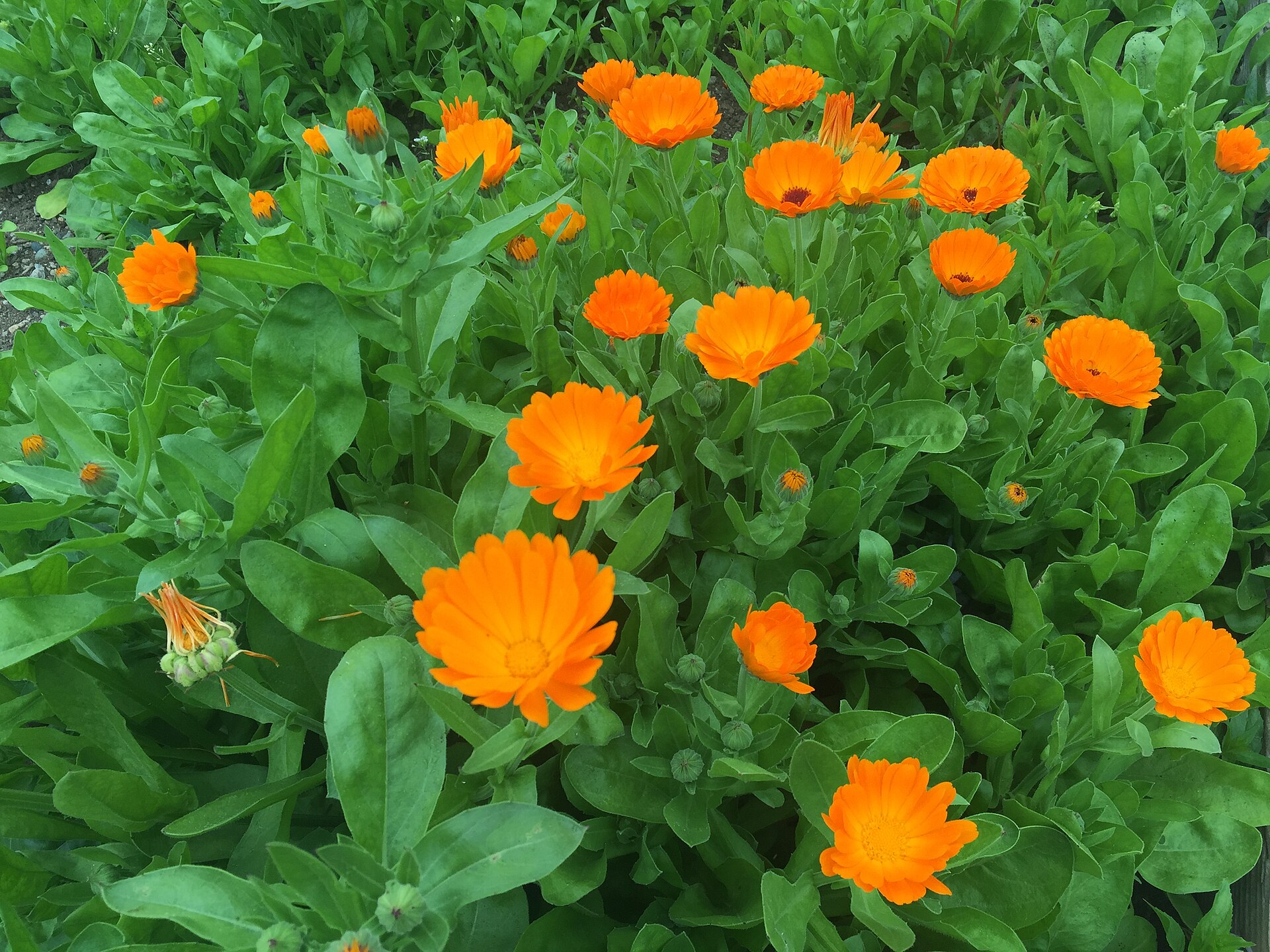 CalendulaCalendula officinalis
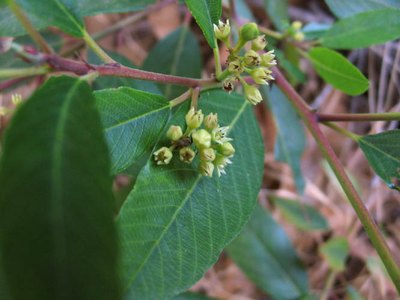 California buckthornRhamnus Californica
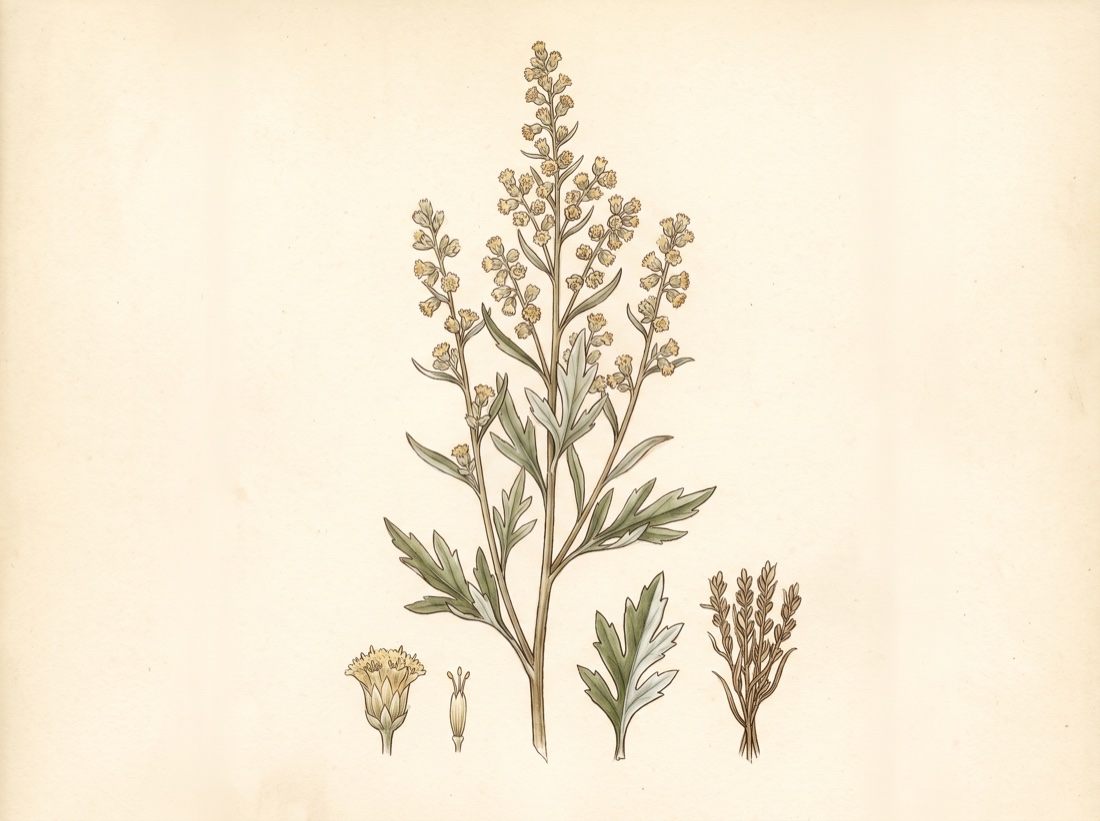 California mugwortArtemisia douglasiana
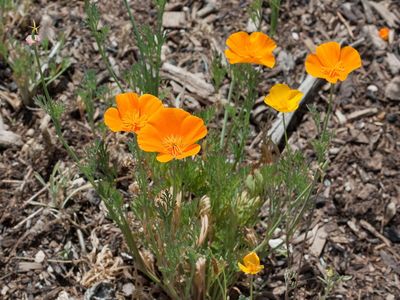 California poppyEschscholzia californica
The whole plate is in the library. The compass, Compare, the Sky of eleven hundred plants and the formulary open with an email address and a password, free, with the formula builder and its safety engine. Herbert without limit, his formulating, clients, the handouts and the labels are the paid room.
Open the library, free