Western Herbalism
Rosin weed
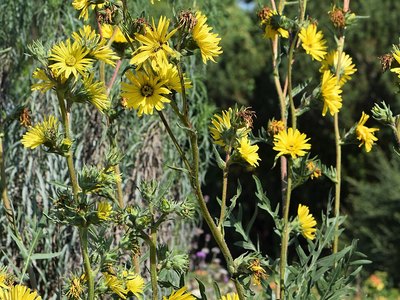
Silphium laciniatum
Also known as Compass plant, Prairie rosinweed, Gum weed.
Silphium laciniatum is a tall, coarse, resin-rich prairie perennial native to the central and western plains of North America, easily recognized by its large basal leaves that orient their flat faces north and south, giving the plant its common name of compass plant. The leaves, and to a lesser extent the root, were used by nineteenth century American physiomedical and eclectic practitioners for their bitter, resinous, stimulating qualities. It has never entered mainstream modern herbal practice and is now mostly a historical curiosity, occasionally gathered regionally for folk use in respiratory and digestive complaints.

Ask Herbert about Rosin weed. Herbert is the master herbalist inside Bountiful Herbs: he answers from this plate and eleven hundred others, with dosing, pairing and cautions. Your first ten questions are free.
Ask HerbertActions
Indications what the tradition reached for it in
- Chronic bronchitis with copious mucus
- Damp asthmatic wheeze
- Chronic diarrhea
- Hemoptysis, mild and self-limited
- Sluggish digestion
- Reduced urinary output
- Catarrhal congestion of the chest
- Convalescent debility with poor appetite
Specific indications
Wet, loose cough with abundant thin mucus in a person of otherwise sluggish constitution
Chronic loose stool with a coated tongue and diminished appetite calling for a bitter, drying resinous tonic
Safety
Low dose botanical. Used in drop doses in the classical practice; not a plant to dose freely.
Pregnancy: Limited safety data in pregnancy
The record lists 3 contraindications; open the plate in the library to read them in full.
In practice
Physiomedical writers reached for the leaf decoction in what they called humid or damp asthma, meaning a wheezing chest with abundant loose secretions rather than a dry, tight cough, and paired it conceptually with other resinous bitter expectorants of the period.
Dosing as the sources wrote it
| Preparation | As written | Metric |
|---|---|---|
| Leaf decoction | 3-6 g dried leaf daily by decoction | 3000-6000 mg |
| Leaf tincture (1:5, 45%) | 1-2 mL three times daily | 1-2 mL |
| Root decoction (traditional, use cautiously) | 0.5-1 g dried root as a single dose, not repeated without supervision | 500-1000 mg |
Doses are reproduced from the sources for practitioners and are not a recommendation for any person.
From the sources
Overview. Silphium laciniatum is a tall, coarse, resin-rich prairie perennial native to the central and western plains of North America, easily recognized by its large basal leaves that orient their flat faces north and south, giving the plant its common name of compass plant. The leaves, and to a lesser extent the root, were used by nineteenth century American physiomedical and eclectic practitioners for their bitter, resinous, stimulating qualities. It has never entered mainstream modern herbal practice and is now mostly a historical curiosity, occasionally gathered regionally for folk use in respiratory and digestive complaints.
Clinical Notes. Physiomedical writers reached for the leaf decoction in what they called humid or damp asthma, meaning a wheezing chest with abundant loose secretions rather than a dry, tight cough, and paired it conceptually with other resinous bitter expectorants of the period.
Properties and Uses. The leaves of this singular and coarse plant contain much resinous material, which is bitter and stimulating. They are reputed of good effect in asthma of the humid character, used by decoction; and also in spitting of blood and chronic diarrhea. They are said also to act upon the kidneys, as a diuretic and tonic. The root is quite nauseant, and in large quantities emetic; and is much used in some sections for the heaves of horses. The plant seems deserving of professional attention. Medical Herbalism journal and medherb.com The Physiomedical Dispensatory by William Cook, M.D., 1869
Description. Natural Order, Compositae. This is a plant peculiar to the western and southwestern prairies. Stem three to six feet high, round, naked above, alternate-leaved toward the base, rough-bristly throughout. Leaves large, pinnately parted, divisions lanceolate; lower leaves a foot to two feet long, ovate in outline, fully developed before the stem rises, and standing with their faces uniformly north and south. Flower-heads few, one to two inches broad; flowers radiate; rays numerous, fertile, with their ovaries in two or three rows; disks numerous, sterile; achenia broad, winged, and notched. July.
Drawn from Cook's Physio-Medical Dispensatory; Scudder's Specific Medication and Specific Medicines, and the Bountiful Herbs editorial.
Nearby on the shelf
 RosehipRosa canina
 RoselleHibiscus sabdariffa
 RosemaryRosmarinus officinalis
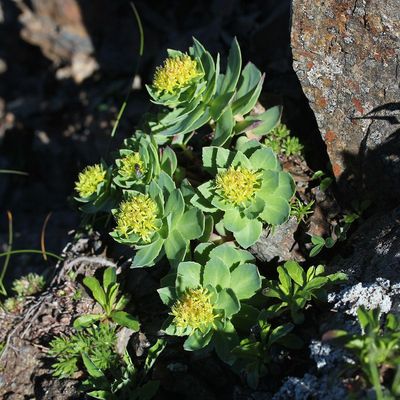 RoserootRhodiola rosea
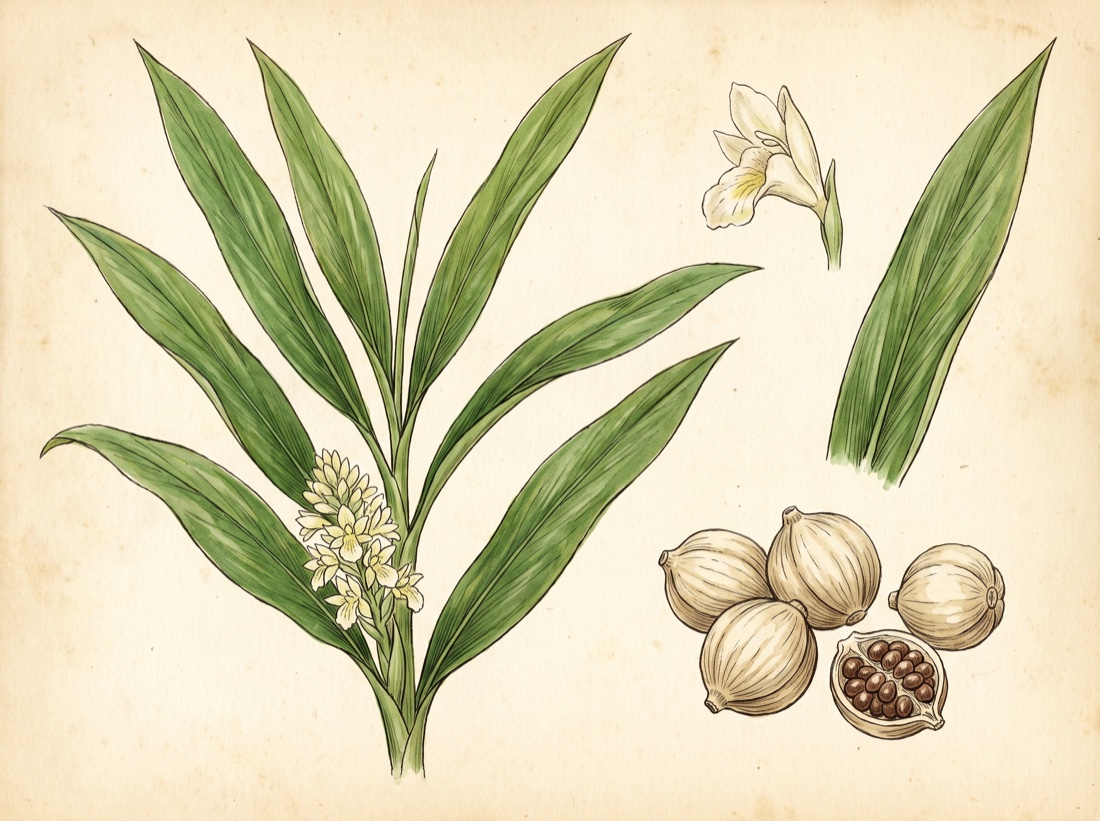 Round cardamomWurfbainia compacta
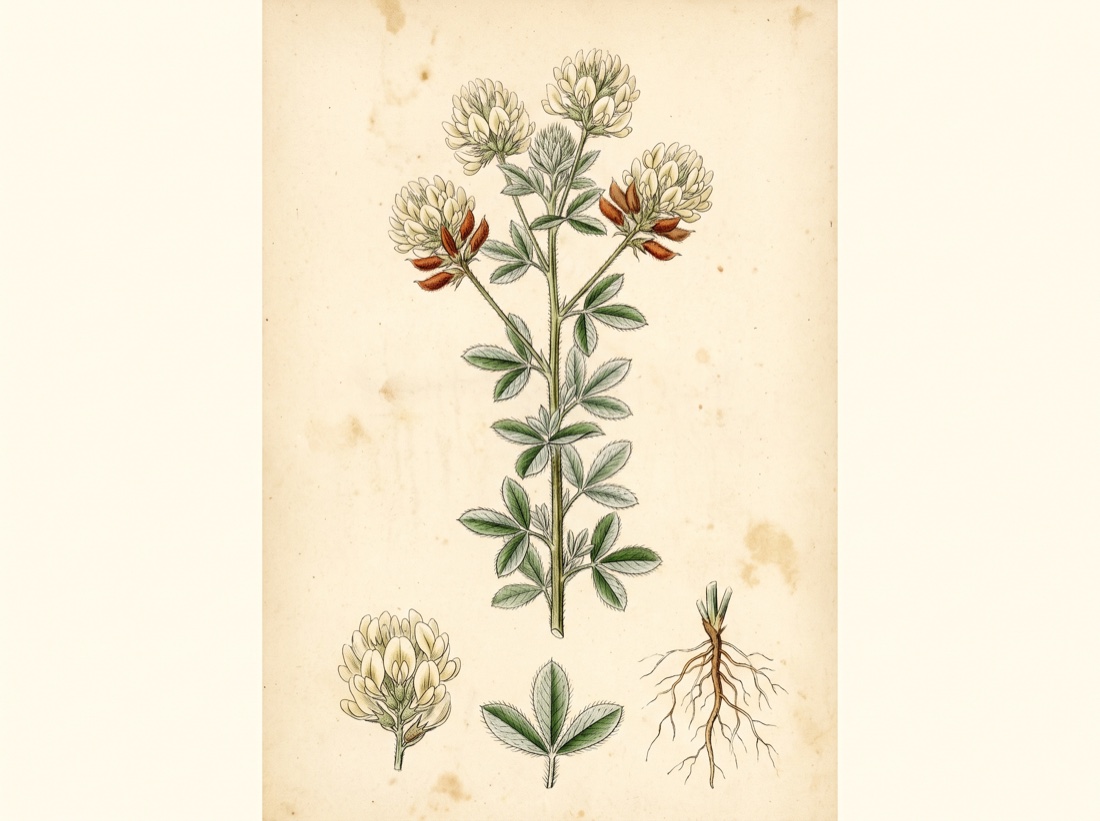 Round-headed bush cloverLespedeza capitata
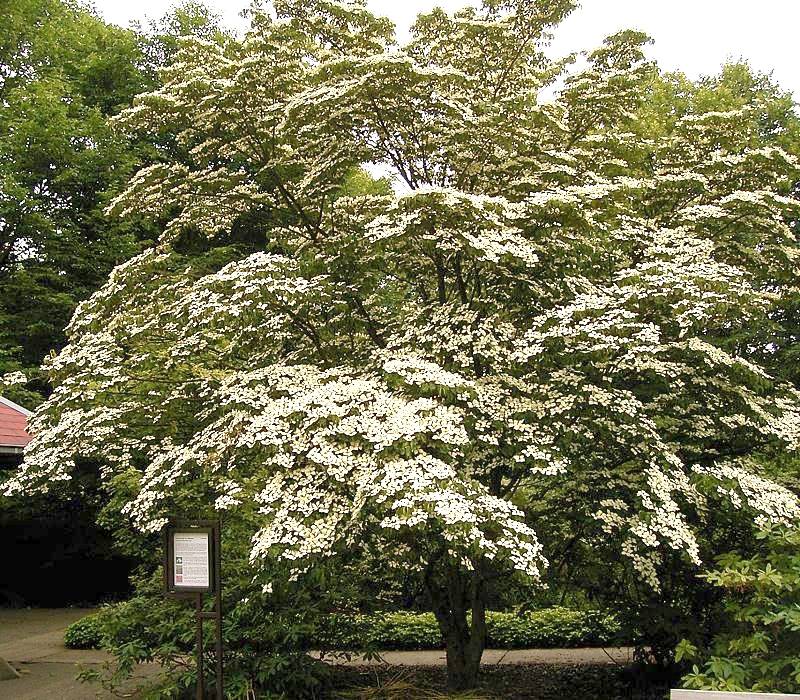 Round-leaved cornelCornus circinata
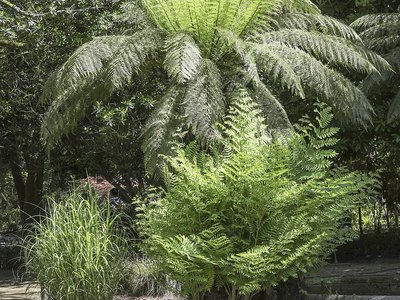 Royal fernOsmunda regalis
The whole plate is in the library. The compass, Compare, the Sky of eleven hundred plants and the formulary open with an email address and a password, free, with the formula builder and its safety engine. Herbert without limit, his formulating, clients, the handouts and the labels are the paid room.
Open the library, free