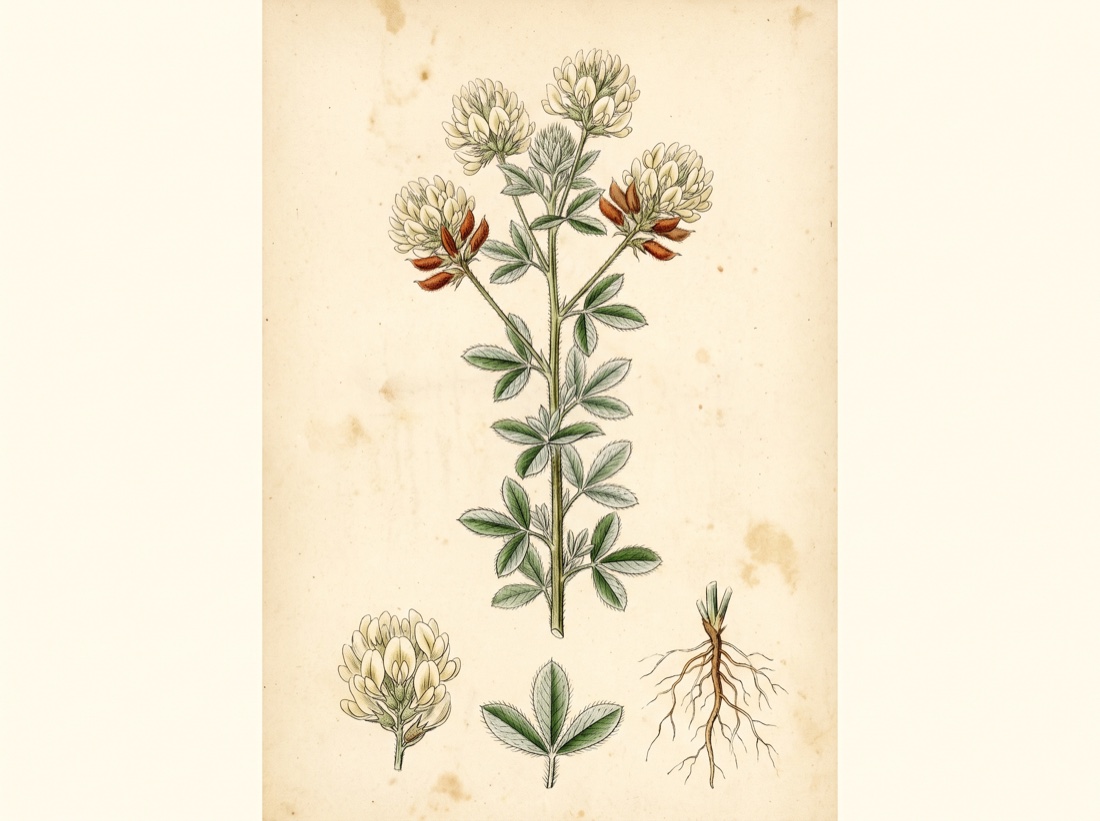
Western Herbalism
Round-headed bush clover
Lespedeza capitata
Also known as roundhead lespedeza, lespedeza, dusty clover, silvery bush clover.
Round-headed bush clover is a tall, silvery, upright legume of the North American tallgrass prairie and dry open woods, with dense round heads of small cream flowers in late summer. The leafy flowering tops are used. It was a remedy of the Omaha, Ponca and other Plains nations for rheumatic pains and neuralgia, and in the mid twentieth century a standardized flavonoid extract was developed in France and used clinically as a kidney remedy for azotemia, which gave the plant its modern reputation as a gentle renal herb.

Ask Herbert about Round-headed bush clover. Herbert is the master herbalist inside Bountiful Herbs: he answers from this plate and eleven hundred others, with dosing, pairing and cautions. Your first ten questions are free.
Ask HerbertActions
Indications what the tradition reached for it in
- Chronic kidney disease with rising urea (adjunct)
- Mild to moderate renal insufficiency with azotemia
- Edema of renal origin
- Chronic nephritis (adjunct)
- Hyperuricemia (adjunct)
- Hypercholesterolemia (adjunct)
- Mild hypertension with renal involvement (adjunct)
- Rheumatic pain and neuralgia (traditional)
- Mild diarrhea
- Hair thinning and seborrheic scalp (topical)
Specific indications
An older patient with slowly rising creatinine and urea, mild fluid retention and fatigue, in whom gentle support of renal excretion is wanted alongside conventional care
Early-stage kidney disease with dry skin, sluggish urine output and mild uremic itch, where a bland, non-irritating diuretic is preferred over stronger herbs
Safety
The record lists 2 contraindications; open the plate in the library to read them in full.
In practice
Lespedeza earns its place as a mild, well-tolerated diuretic for people whose kidneys are slowly failing and who need help clearing nitrogenous waste. Think of it in early to moderate chronic kidney disease, in the elderly with borderline creatinine, and as a supportive herb in chronic nephritis once the acute phase has passed.
Dosing as the sources wrote it
| Preparation | As written | Metric |
|---|---|---|
| Infusion | 3-6 g dried aerial parts three times daily | 3000-6000 mg |
| Tincture (1:5, 30%) | 2-4 mL three times daily | 2-4 mL |
| Fluid extract (1:1) | 1-2 mL three times daily | 1-2 mL |
Doses are reproduced from the sources for practitioners and are not a recommendation for any person.
From the sources
Overview. Round-headed bush clover is a tall, silvery, upright legume of the North American tallgrass prairie and dry open woods, with dense round heads of small cream flowers in late summer. The leafy flowering tops are used. It was a remedy of the Omaha, Ponca and other Plains nations for rheumatic pains and neuralgia, and in the mid twentieth century a standardized flavonoid extract was developed in France and used clinically as a kidney remedy for azotemia, which gave the plant its modern reputation as a gentle renal herb.
Clinical Notes. Lespedeza earns its place as a mild, well-tolerated diuretic for people whose kidneys are slowly failing and who need help clearing nitrogenous waste. Think of it in early to moderate chronic kidney disease, in the elderly with borderline creatinine, and as a supportive herb in chronic nephritis once the acute phase has passed.
Nearby on the shelf
 RosemaryRosmarinus officinalis
 RoserootRhodiola rosea
 Rosin weedSilphium laciniatum
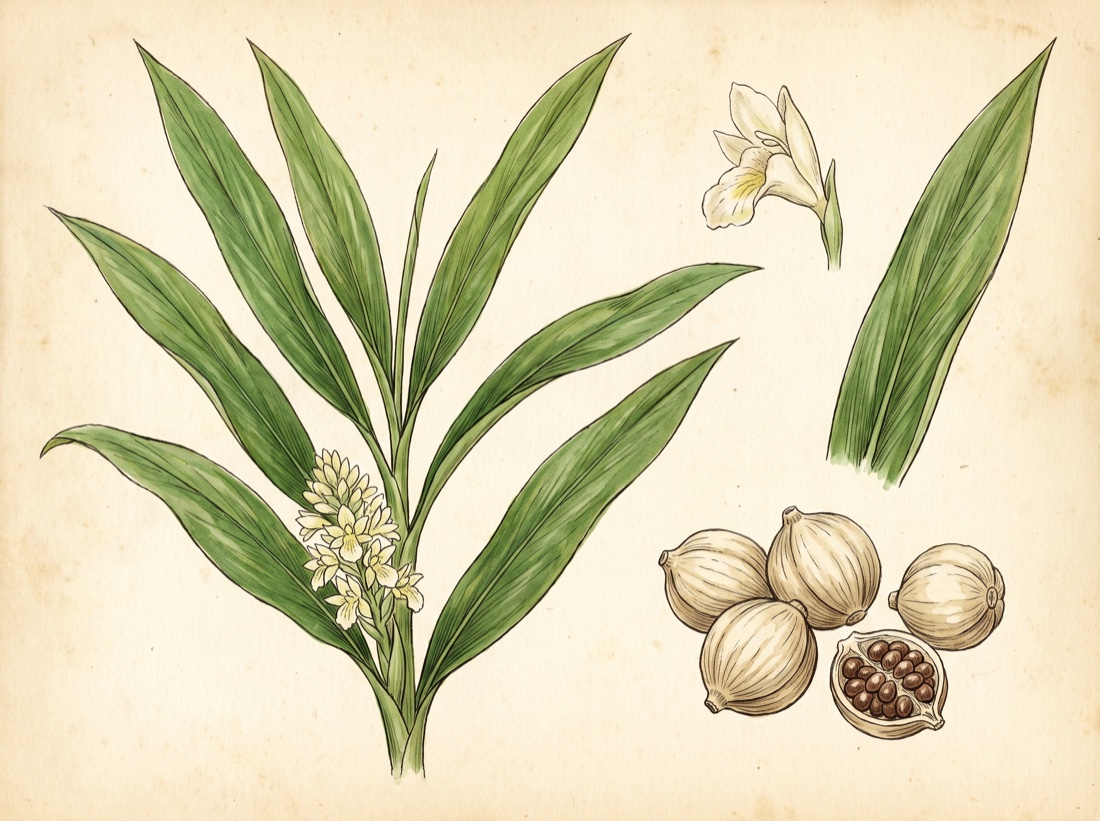 Round cardamomWurfbainia compacta
 Round-leaved cornelCornus circinata
 Royal fernOsmunda regalis
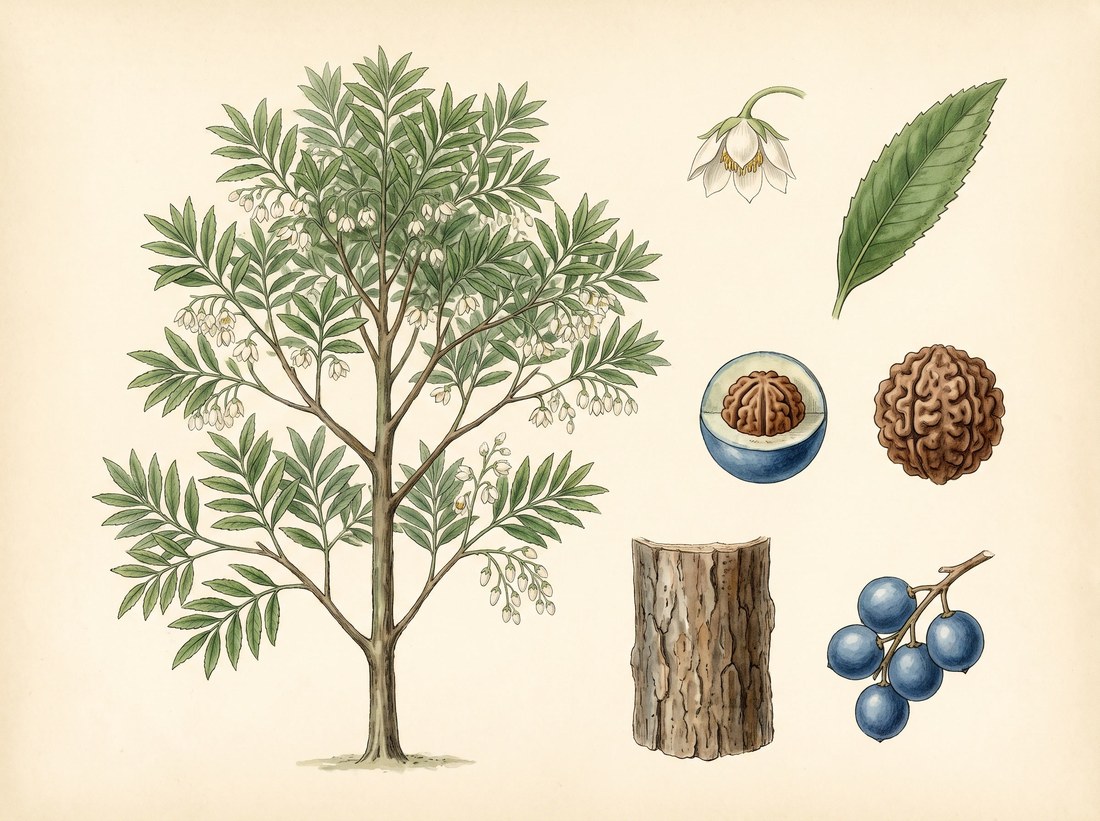 RudrakshaElaeocarpus ganitrus
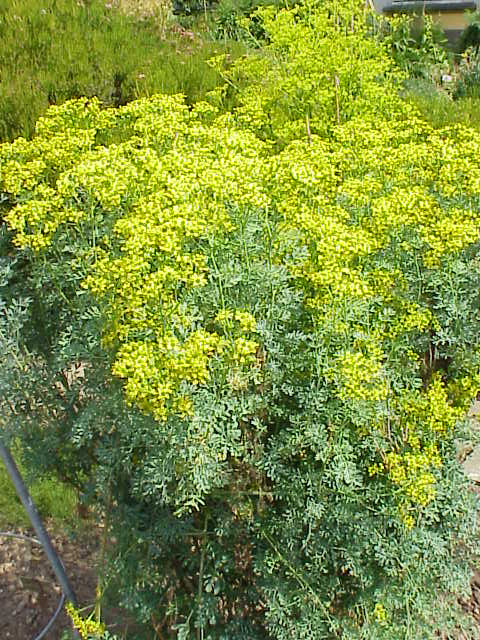 RueRuta graveolens
The whole plate is in the library. The compass, Compare, the Sky of eleven hundred plants and the formulary open with an email address and a password, free, with the formula builder and its safety engine. Herbert without limit, his formulating, clients, the handouts and the labels are the paid room.
Open the library, free