Western Herbalism
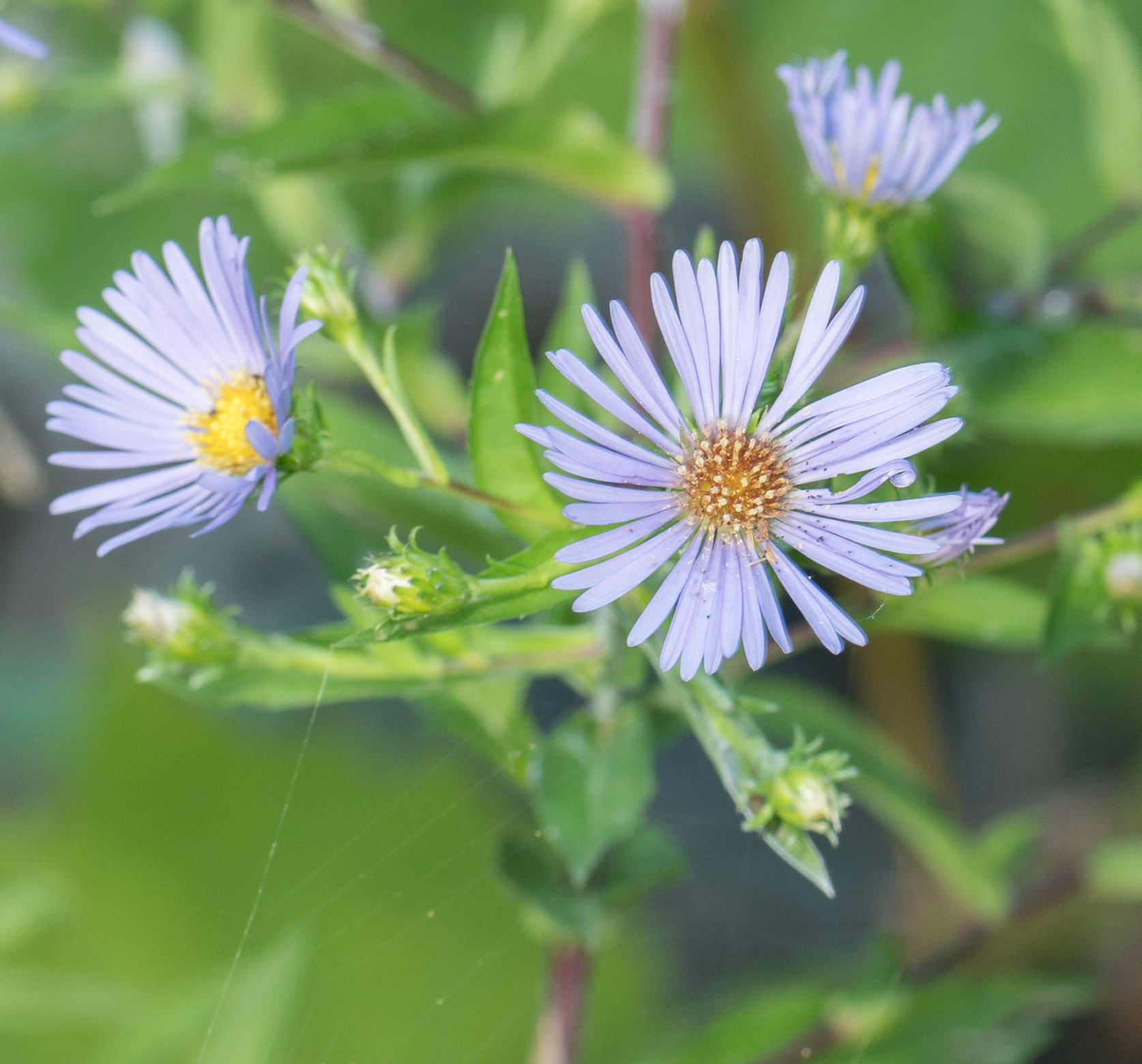
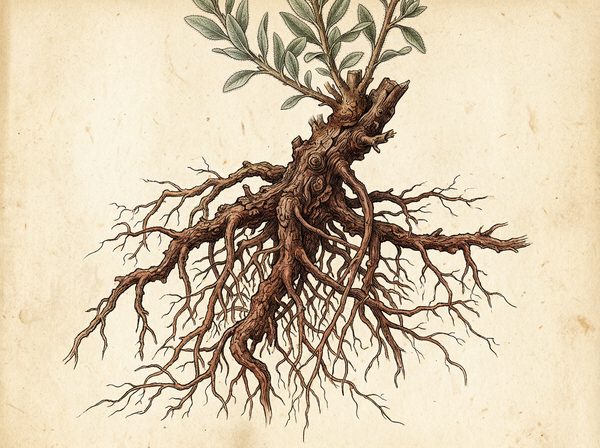
Red-stalked aster
Aster Puniceus
Also known as Purple-stemmed aster, Cocash, Meadow scabish, Squaw-weed.
Aster puniceus, the purple-stemmed or red-stalked aster, is a tall late-summer wildflower of wet meadows and stream banks across eastern North America. The root, and sometimes the whole flowering herb, was used by nineteenth-century Eclectic physicians under the folk name cocash weed, chiefly as a warming diaphoretic and expectorant for lingering coughs and as a mild remedy for rheumatic complaints. It never entered mainstream pharmacy and has left little trace in the modern literature.

Ask Herbert about Red-stalked aster. Herbert is the master herbalist inside Bountiful Herbs: he answers from this plate and eleven hundred others, with dosing, pairing and cautions. Your first ten questions are free.
Ask HerbertActions
Indications what the tradition reached for it in
- Chronic cough with thin catarrh
- Lingering cold or bronchial irritation
- Rheumatic joint pain
- Low-grade fever with poor sweating
- Convalescence after acute illness
- General debility
- Nervous restlessness with cough
- Chronic catarrh of the respiratory tract
Specific indications
Persistent, nagging cough in a run-down patient who sweats poorly and feels chilly
Rheumatic aching of the joints that worsens with damp, cold weather
Safety
Pregnancy: Avoid in pregnancy, since no safety data exist and traditional use does not address this population.
Breastfeeding: Not for use while breastfeeding
The record lists 4 contraindications; open the plate in the library to read them in full.
In practice
This is a minor Eclectic remedy rather than a herb with a substantial modern practice base. Where it appears in the old dispensatories it is described as a gentle diaphoretic and pectoral, suited to a patient with a persistent, wearying cough who is not sweating well and who feels chilled, often given alongside other warming diaphoretics of the period such as boneset or pleurisy root. It was also reached for in low-grade rheumatic aching, again in combination rather than alone. In practice today it would be used, if at all, as a supportive addition to better-documented respiratory or antirheumatic formulas rather than as a primary agent, given how thin the record is. Practitioners who choose to use it should treat it as an adjunct herb and rely on more thoroughly studied plants for any condition that needs a dependable clinical effect.
Dosing as the sources wrote it
| Preparation | As written | Metric |
|---|---|---|
| Decoction | 2-4 g dried root daily | 2000-4000 mg |
| Tincture (1:5, 40%) | 1-3 mL three times daily | 1-3 mL |
| Action, Medical Uses, and Dosage: Stimulant and diaphoretic. The warm infusion may be used freely in colds, rheumatism, nervous debility, headache, pains in the stomach, dizziness, and menstrual irregularities. This, together with A. cordifolius, has been compared in value with valerian. Infusion (℥ss to aqua Oj) freely. | ||
| infusion | Dose of the infusion, 1 to 4 fluid ounces; of a saturated tincture, ½ drachm to 2 drachms. | 29.57-118 mL |
Doses are reproduced from the sources for practitioners and are not a recommendation for any person.
From the sources
Overview. Aster puniceus, the purple-stemmed or red-stalked aster, is a tall late-summer wildflower of wet meadows and stream banks across eastern North America. The root, and sometimes the whole flowering herb, was used by nineteenth-century Eclectic physicians under the folk name cocash weed, chiefly as a warming diaphoretic and expectorant for lingering coughs and as a mild remedy for rheumatic complaints. It never entered mainstream pharmacy and has left little trace in the modern literature.
Clinical Notes. This is a minor Eclectic remedy rather than a herb with a substantial modern practice base. Where it appears in the old dispensatories it is described as a gentle diaphoretic and pectoral, suited to a patient with a persistent, wearying cough who is not sweating well and who feels chilled, often given alongside other warming diaphoretics of the period such as boneset or pleurisy root.
Drawn from King's American Dispensatory, 18th edition (Felter and Lloyd), and the Bountiful Herbs editorial.
Nearby on the shelf
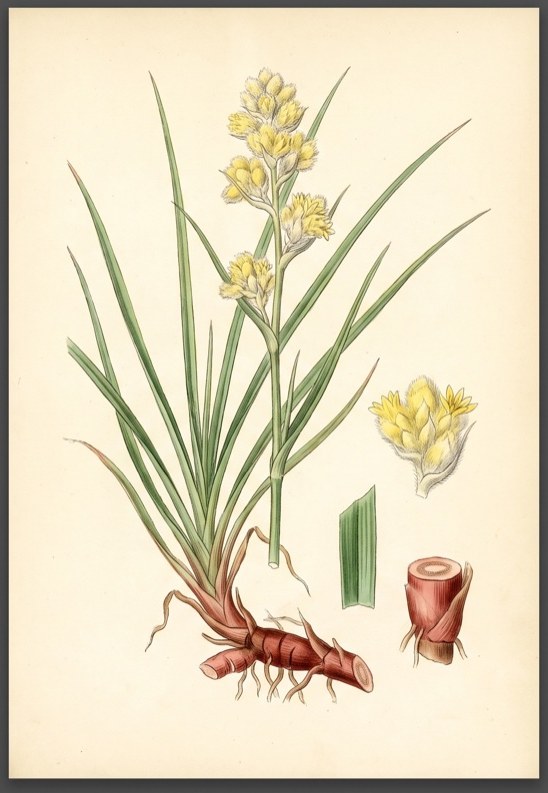 Red rootLachnanthes
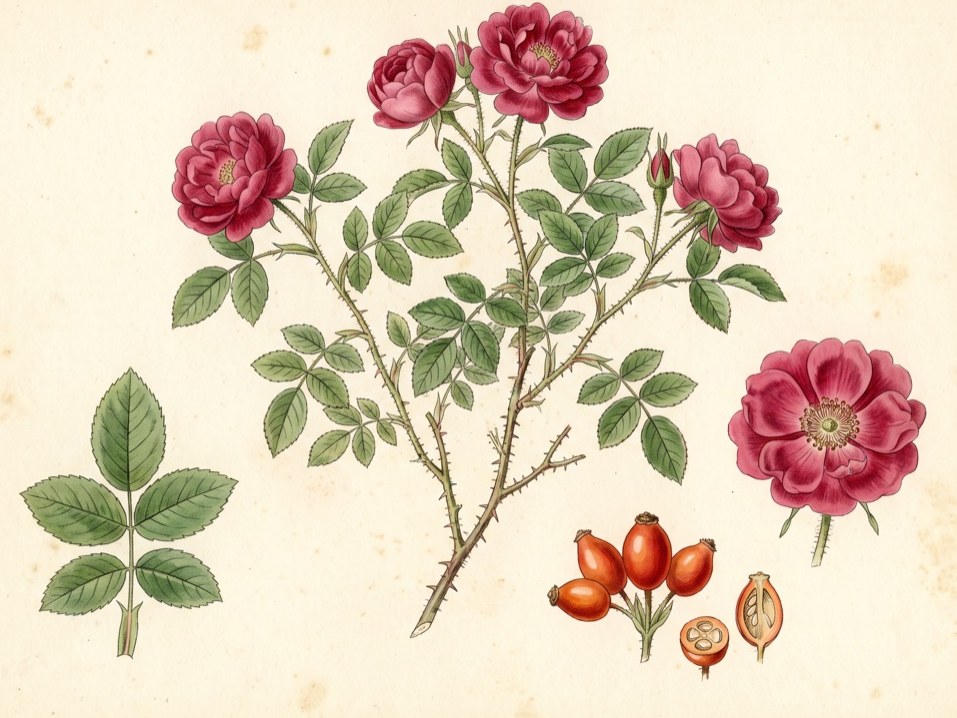 Red roseRosa Gallica
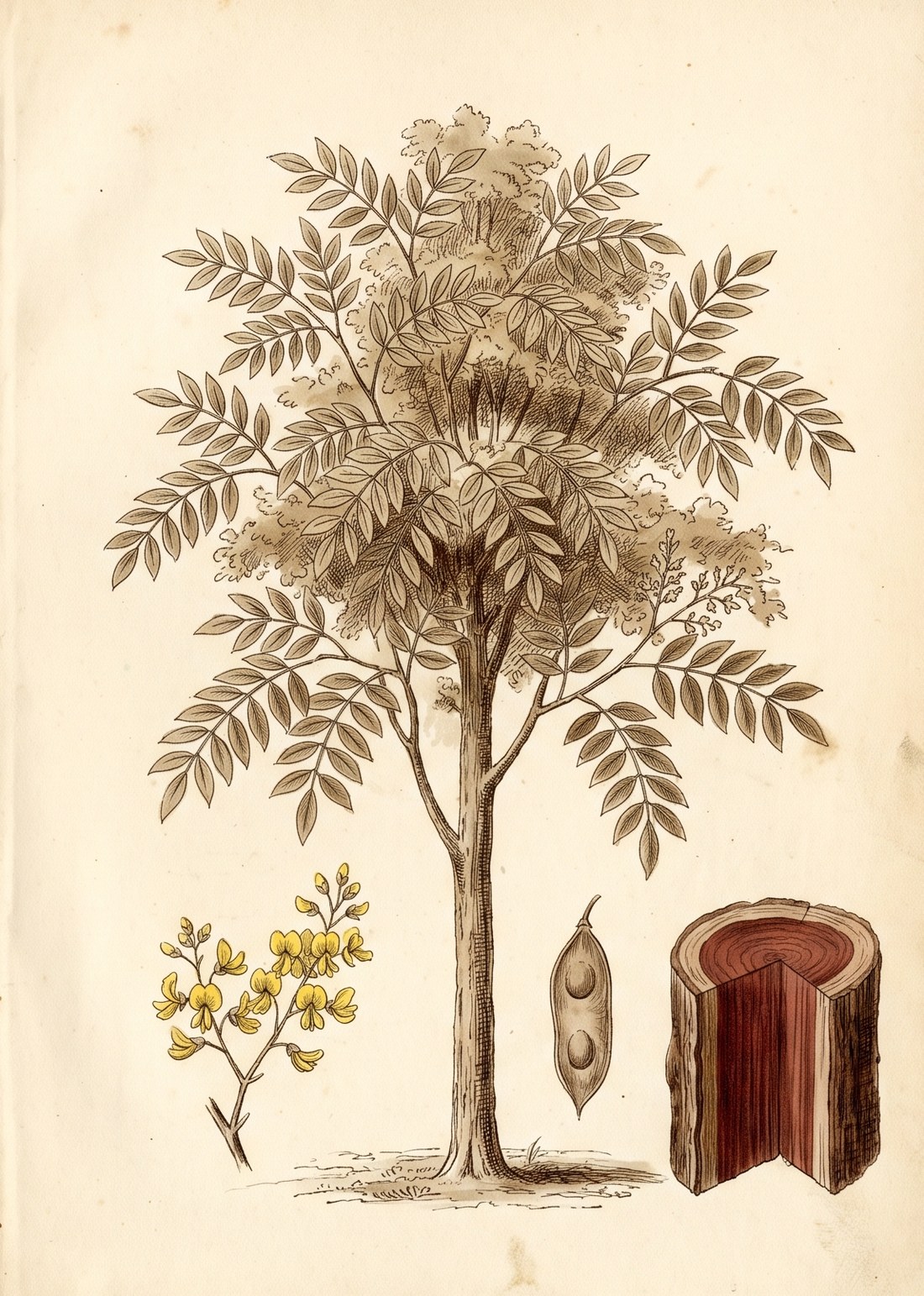 Red sandalwoodPterocarpus santalinus
 Red silk cotton treeBombax ceiba
 Reed RootPhragmites australis
 RehmanniaRehmannia glutinosa
 ReishiGanoderma lucidum
 RhatanyKrameria triandra
The whole plate is in the library. The compass, Compare, the Sky of eleven hundred plants and the formulary open with an email address and a password, free, with the formula builder and its safety engine. Herbert without limit, his formulating, clients, the handouts and the labels are the paid room.
Open the library, free