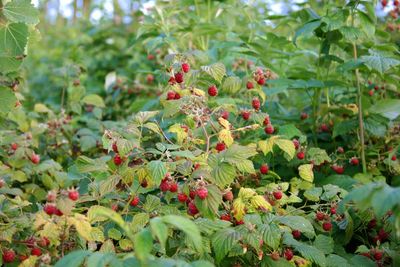
Western Herbalism
Red raspberry
Rubus idaeus
Also known as Raspberry leaf, Framboise, Rubi idaei folium, rubus, Raspberry, (1) Raspberry, (2) Red raspberry.
An infusion of the leaves is useful in the diarrhea of relaxation, with copious watery discharges. The fruit as prepared in a syrup ... Syrupus Rubi Idaei ... is highly prized as a flavored vehicle for medicines and for the beautiful color it imparts to pharmaceutical mixtures. Diluted and iced it forms an agreeable acidulous drink for fever patients. A refreshing fever drink is also prepared by mixing equal parts of syrup of raspberry and vinegar and diluting with water to taste.

Ask Herbert about Red raspberry. Herbert is the master herbalist inside Bountiful Herbs: he answers from this plate and eleven hundred others, with dosing, pairing and cautions. Your first ten questions are free.
Ask HerbertActions
Indications what the tradition reached for it in
- Tonsillitis
- Pharyngitis
- Diarrhea
- Lactation
- Pregnancy
- Menorrhagia
- Leukorrhea
- Bleeding
- Debility
- Fatigue
- Weakness
- Excessive discharge
- Menstrual irregularity
- Nutritional deficiency
- Diarrhoea
- Stomatitis
- Tonsillitis (as a mouthwash
- Conjunctivitis (as an eye lotion
- Specifically to facilitate parturition
- Uterine tonic
- Topical inflammatory conditions
- Dyspeptic complaints
Safety
Pregnancy: Caution. Usually the recommendation is to start taking after 1st trimester.
Pregnancy, a modern clinical reference: Preparations of raspberry leaf have been used traditionally during labour to help ease parturition; However, there is limited and conflicting scientific evidence that raspberry leaf has effects on uterine contractions; These findings require confirmation
Pregnancy, a modern clinical reference: Clinical studies suggest that it is safe to use after the first trimester, although it is prudent to ensure close professional supervision
Breastfeeding: No concern while breastfeeding (our record's flag)
The record lists 5 contraindications; open the plate in the library to read them in full.
Dosing as the sources wrote it
| Preparation | As written | Metric |
|---|---|---|
| Tincture (1:3) | 3-5 ml TID | 3-5 mL |
| Infusion | 1-3 tsp/c TID (up to 7 c/day as pregnancy tonic | |
| Dried leaf 4-8 g as an infusion three times daily | 4000-8000 mg | |
| Liquid extract 4-8 mL (1 : 1 in 25% alcohol) three times daily. | 4-8 mL | |
| INTERNAL USE · Infusion of dried leaf: 4-8 g taken up to three times daily | ||
| · Liquid extract: (1:1): 4-8 mL three times daily | 4-8 mL |
Doses are reproduced from the sources for practitioners and are not a recommendation for any person.
From the sources
Action and Therapy. An infusion of the leaves is useful in the diarrhea of relaxation, with copious watery discharges. The fruit as prepared in a syrup ... Syrupus Rubi Idaei ... is highly prized as a flavored vehicle for medicines and for the beautiful color it imparts to pharmaceutical mixtures. Diluted and iced it forms an agreeable acidulous drink for fever patients. A refreshing fever drink is also prepared by mixing equal parts of syrup of raspberry and vinegar and diluting with water to taste.
Properties and Uses. The leaves of the red raspberry are mildly astringent, and of a peculiarly soothing nature, being very acceptable to the stomach, always leaving a slight tonic impression, often allaying nausea and vomiting, and not unfrequently soothing and sustaining the nervous system.
primary-actions. Red raspberry acts primarily as: Astringent, Partus preparator, Uterine tonic, Nutritive. Secondary actions include Shortens labor, Strengthens uterine muscles, Decrease mucus production.
History and Description. Rubus Idaeus, or cultivated raspberry, is indigenous to Europe and to Asia, eastward to Japan, where the red raspberry is likewise found. The Red raspberry grows wild, and is common to Canada and the northern United States, growing in hedges, neglected fields, thickets, and hills, flowering in May, and ripening its fruit from June to August.
Drawn from Cook's Physio-Medical Dispensatory; King's American Dispensatory, 18th edition (Felter and Lloyd); Felter's Eclectic Materia Medica, Pharmacology and Therapeutics, and the Bountiful Herbs editorial.
Often paired with
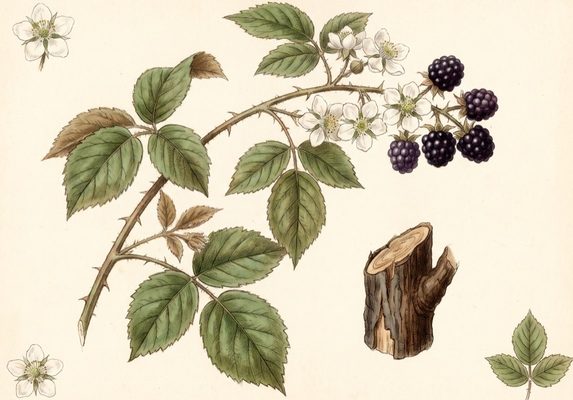 BlackberryRubus villosus
Nearby on the shelf
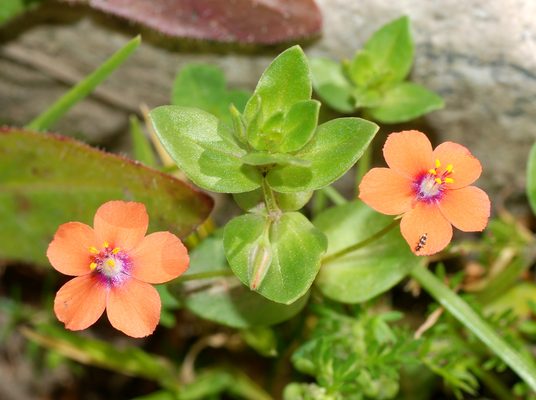 Red ChickweedAnagallis arvensis
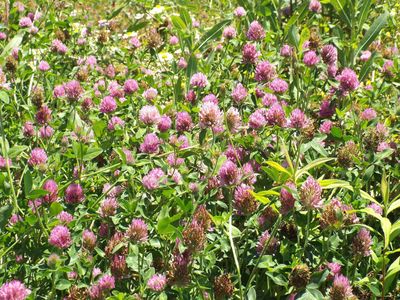 Red cloverTrifolium pratense
 Red mulberryMorus rubra
 Red osier dogwoodCornus sericea
 Red rootCeanothus americanus
 Red rootLachnanthes caroliniana
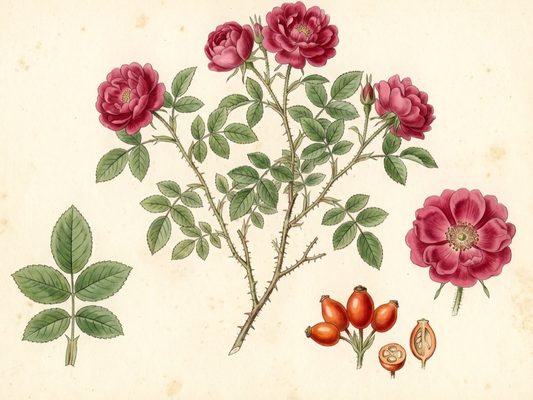 Red roseRosa gallica
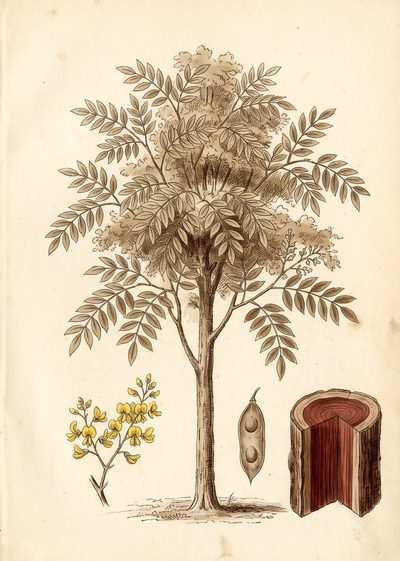 Red sandalwoodPterocarpus santalinus
The whole plate is in the library. The compass, Compare, the Sky of eleven hundred plants and the formulary open with an email address and a password, free, with the formula builder and its safety engine. Herbert in full, his formulating, clients, the handouts and the labels are the paid room.
Open the library, free