Western Herbalism
Red rose
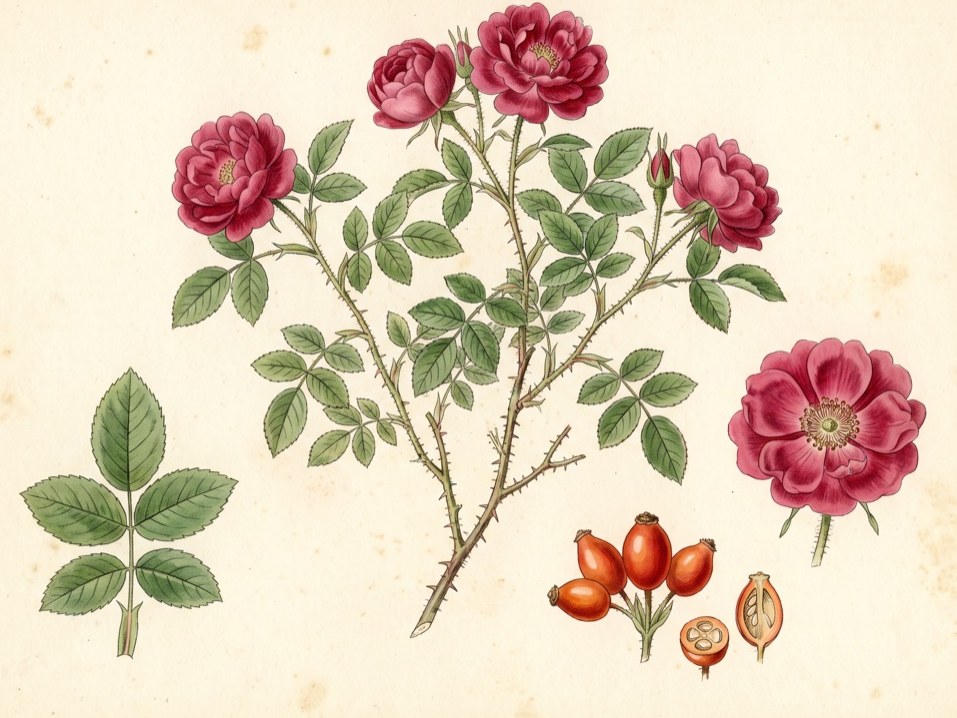
Rosa Gallica
Also known as French rose, Provence rose, Apothecary's rose, Red rose petals, Provence rose; Flores rosarum rubrarum, Rosae gallicae petala (Br.).
Rosa gallica is one of the oldest cultivated roses, native to central and southern Europe and western Asia, long grown for its intensely fragrant, deep crimson petals. The dried petals were an official drug in many European and American pharmacopoeias of the nineteenth century, valued chiefly as a gentle astringent and as a pleasant vehicle for other medicines. In eclectic and earlier European practice the petals were prepared as an infusion, syrup, or conserve and used both for their own mild therapeutic effect and to flavor and color less palatable preparations.

Ask Herbert about Red rose. Herbert is the master herbalist inside Bountiful Herbs: he answers from this plate and eleven hundred others, with dosing, pairing and cautions. Your first ten questions are free.
Ask HerbertActions
Indications what the tradition reached for it in
- Sore throat and pharyngitis
- Mouth ulcers and gingivitis
- Mild diarrhea
- Excessive sweating (colliquative sweats)
- General debility with mucous membrane laxity
- Mild uterine or menstrual bleeding (traditional)
- Conjunctivitis (as eyewash, historically)
- Convalescent tonic for the digestive tract
Specific indications
Red, relaxed, or bleeding mucous membranes of the mouth and throat that benefit from a cooling astringent gargle
Persistent night sweats or debilitating perspiration in a weakened patient, used historically as a mild adjunct astringent
Safety
The record lists 2 contraindications; open the plate in the library to read them in full.
In practice
Red rose petals are a soft, cooling astringent, gentler than oak bark or agrimony, and are well suited to irritated or slightly bleeding mucous membranes rather than to frank hemorrhage. A strong infusion or syrup makes an agreeable gargle for sore throat, pharyngitis, and mouth ulcers, and can be sipped for mild diarrhea in convalescents or children where a harsher astringent would be unwelcome.
Dosing as the sources wrote it
| Preparation | As written | Metric |
|---|---|---|
| Infusion | 1-2 g dried petals per cup as an infusion, taken or used as a gargle, 2-3 times daily | 1000-2000 mg |
| Fluid extract or syrup | 2-8 mL of a mild fluid preparation, or the historic dose of 30-120 mL (1-4 fluid ounces) of the classic infusion, several times daily | 2-8 mL |
| Conserve | 5-10 g of rose petal conserve as needed for throat irritation | 5000-10000 mg |
Doses are reproduced from the sources for practitioners and are not a recommendation for any person.
From the sources
Overview. Rosa gallica is one of the oldest cultivated roses, native to central and southern Europe and western Asia, long grown for its intensely fragrant, deep crimson petals. The dried petals were an official drug in many European and American pharmacopoeias of the nineteenth century, valued chiefly as a gentle astringent and as a pleasant vehicle for other medicines. In eclectic and earlier European practice the petals were prepared as an infusion, syrup, or conserve and used both for their own mild therapeutic effect and to flavor and color less palatable preparations.
Clinical Notes. Red rose petals are a soft, cooling astringent, gentler than oak bark or agrimony, and are well suited to irritated or slightly bleeding mucous membranes rather than to frank hemorrhage. A strong infusion or syrup makes an agreeable gargle for sore throat, pharyngitis, and mouth ulcers, and can be sipped for mild diarrhea in convalescents or children where a harsher astringent would be unwelcome.
Action, Medical Uses, and Dosage. (See Lini Farina.) Useful in acute respiratory disorders, but the liquorice impairs its usefulness in intestinal inflammations. It may be freely used for the administration of magnesium sulphate and quinine salts, though it is employed chiefly for coloring and flavoring purposes. Buccal and faucial inflammations and ulcerations maybe washed with it, and given internally, through the sulphuric acid contained in it, it exerts some control over colliquative sweats. Dose, 1 to 4 fluid ounces.
Pharmaceutical Uses. The conserve made by beating the pulp with sugar, is called conserve of dog rose, or conserve of hips (Confectio Rosae Caninae, Br.), and is tenacious, retaining its softness for a long time, even under exposure to the air. It is a useful material for forming pill masses, and, as it contains less tannic acid, may be used as a substitute for the conserve of red roses, when preparations of iron are to enter into the pill mass.
Drawn from King's American Dispensatory, 18th edition (Felter and Lloyd), and the Bountiful Herbs editorial.
Often paired with
 MasticPistacia lentiscus
 aloe veraAloe vera
 Socotrine aloesAloes socotrina
Nearby on the shelf
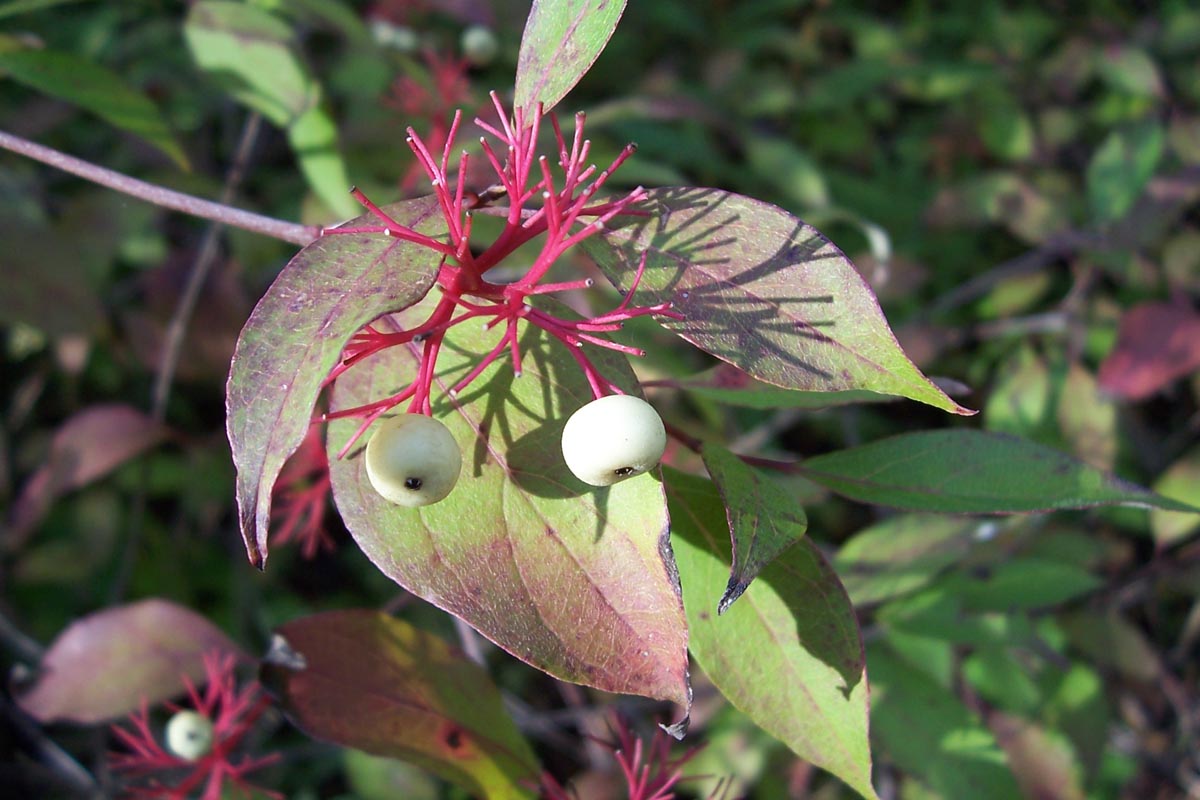 Red osier dogwoodCornus sericea
 Red raspberryRubus idaeus
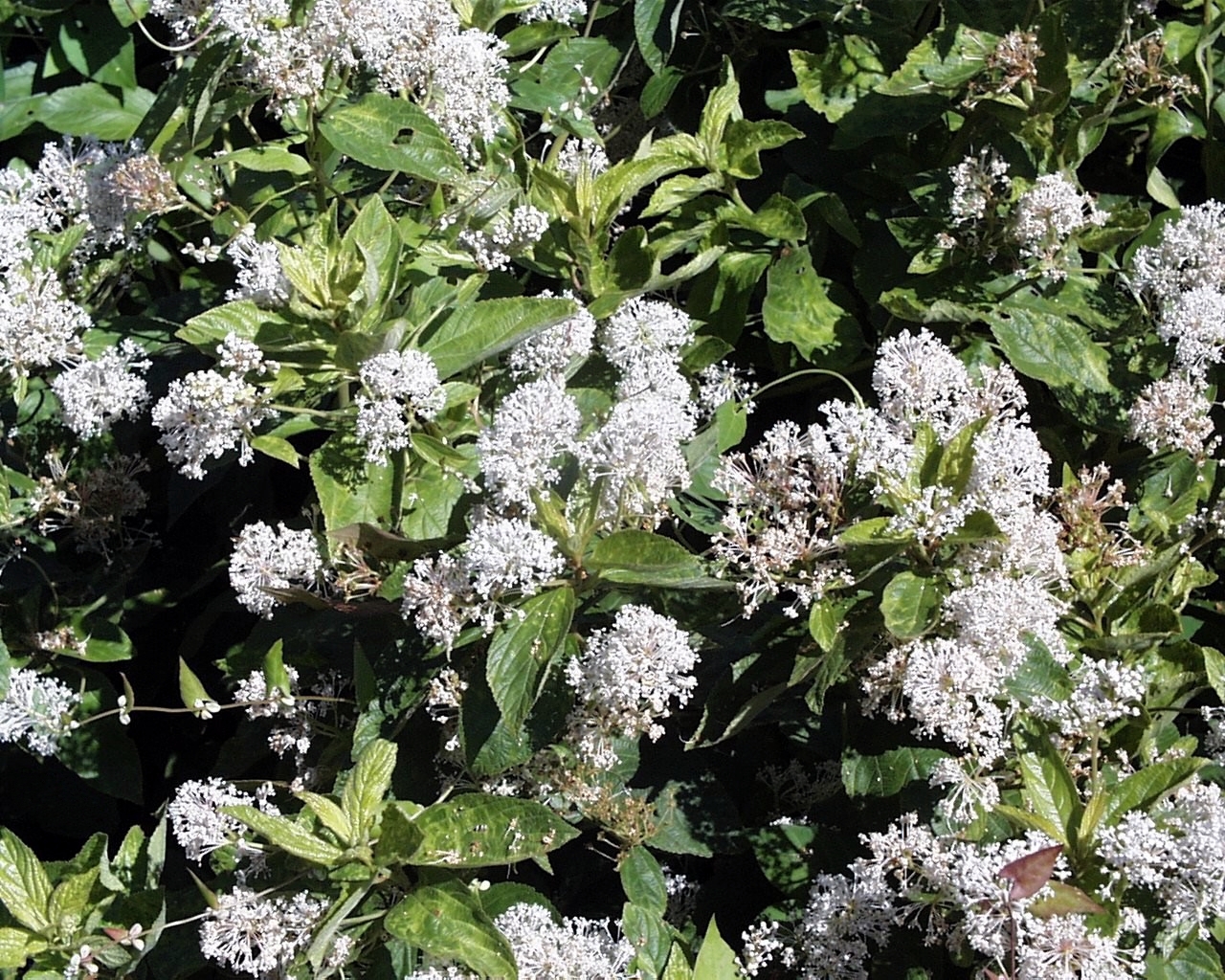 Red rootCeanothus americanus
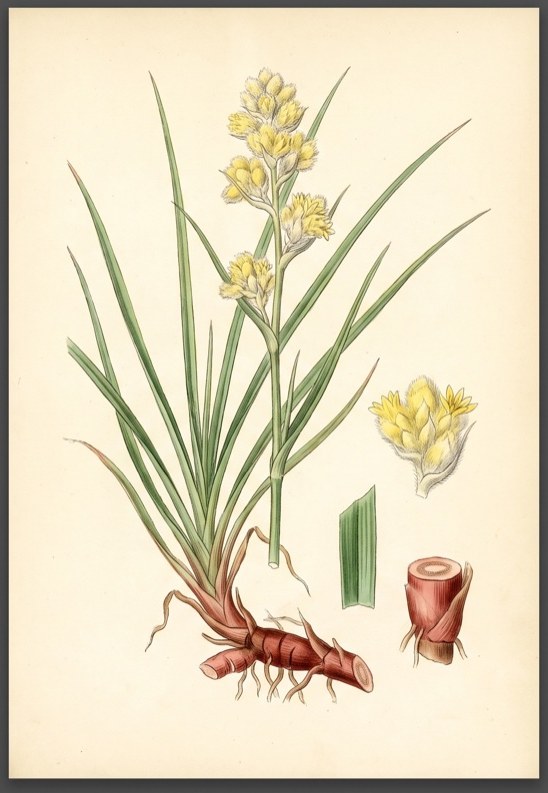 Red rootLachnanthes
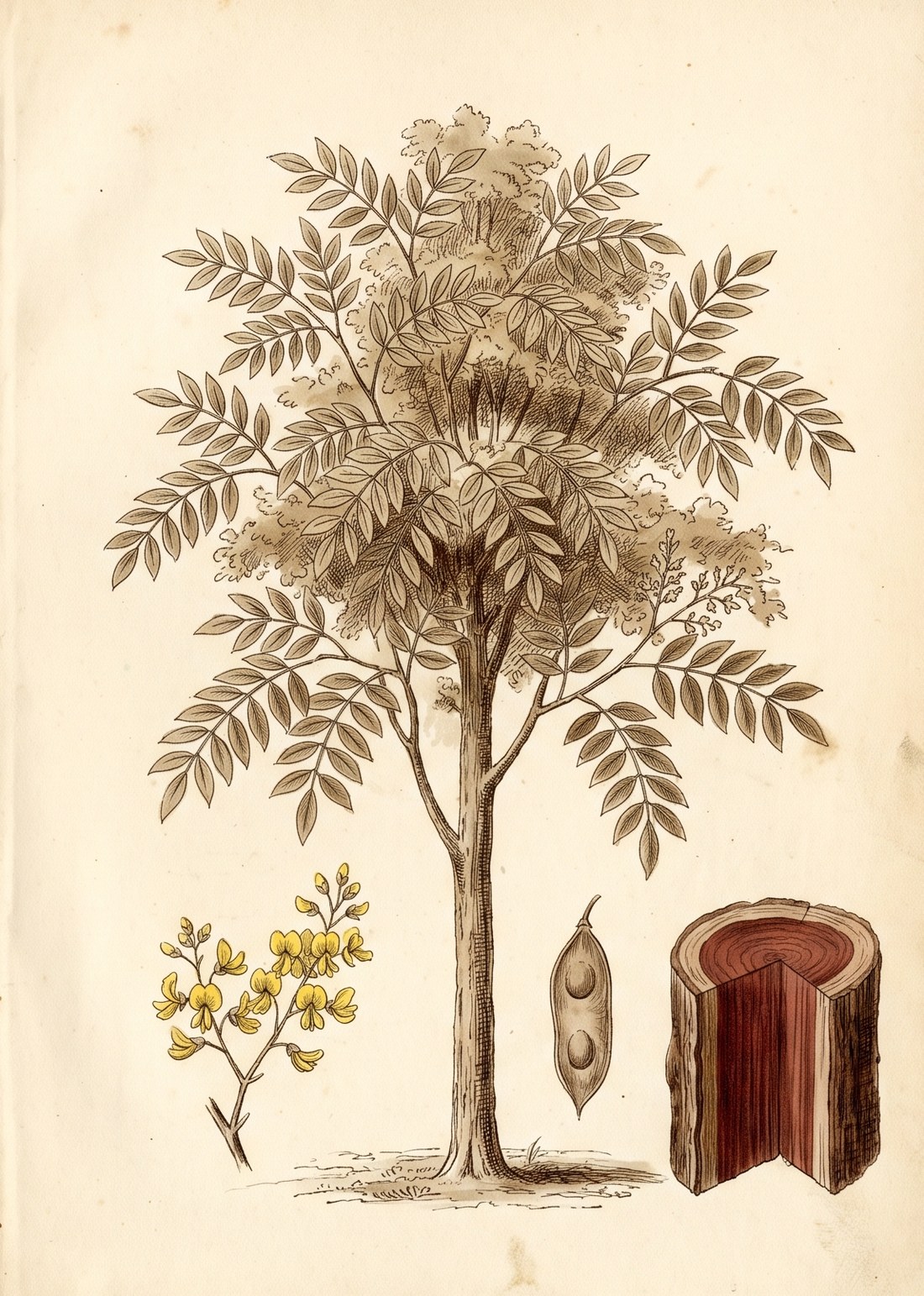 Red sandalwoodPterocarpus santalinus
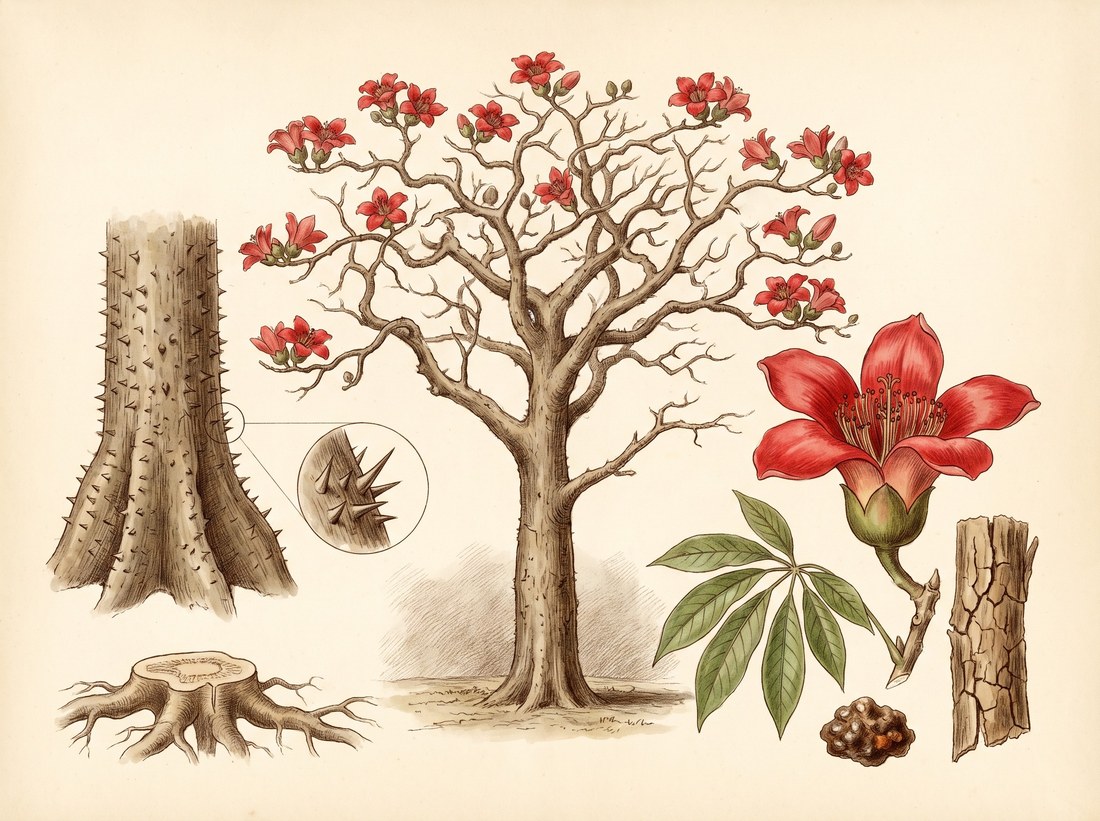 Red silk cotton treeBombax ceiba
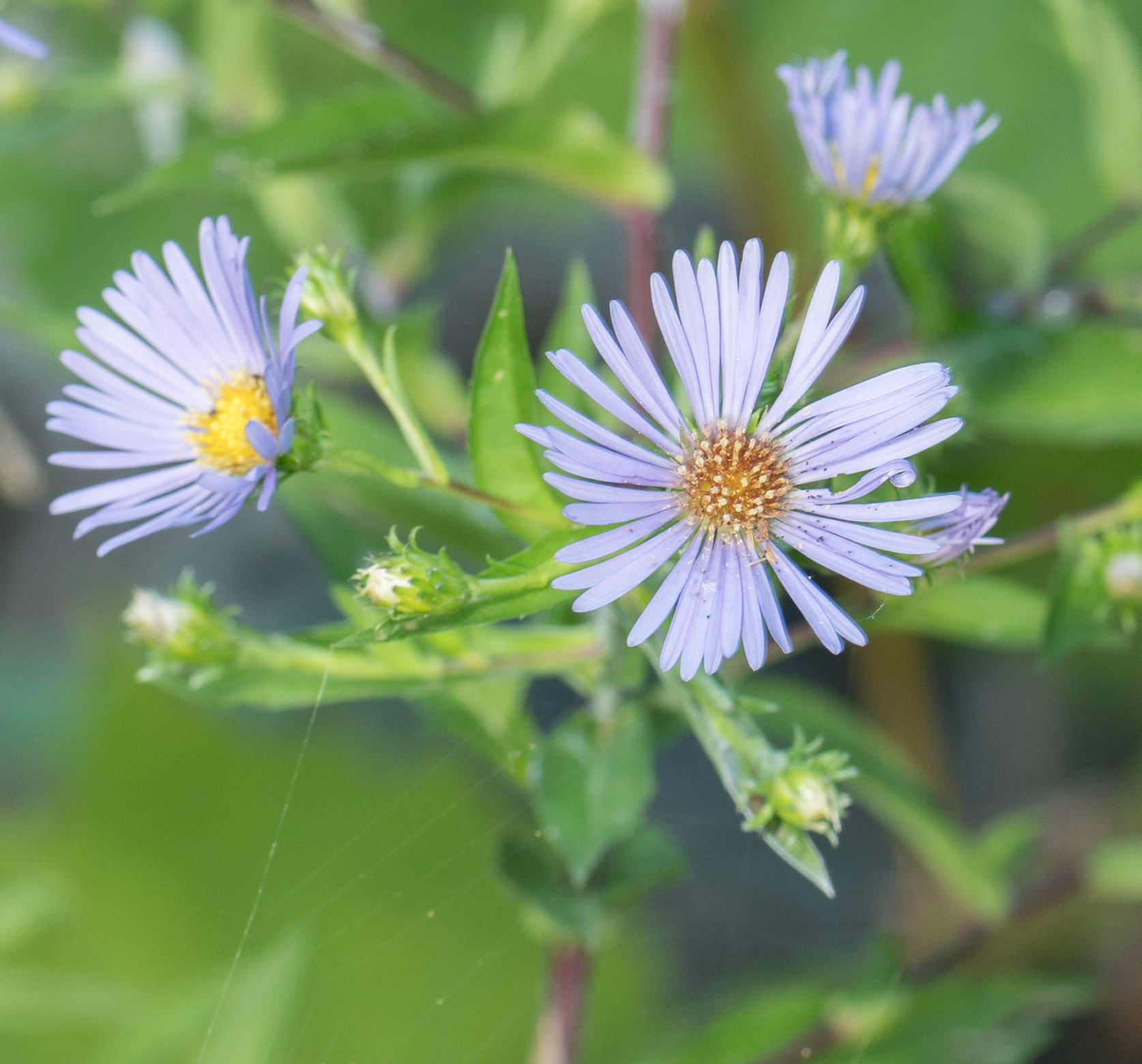 Red-stalked asterAster Puniceus
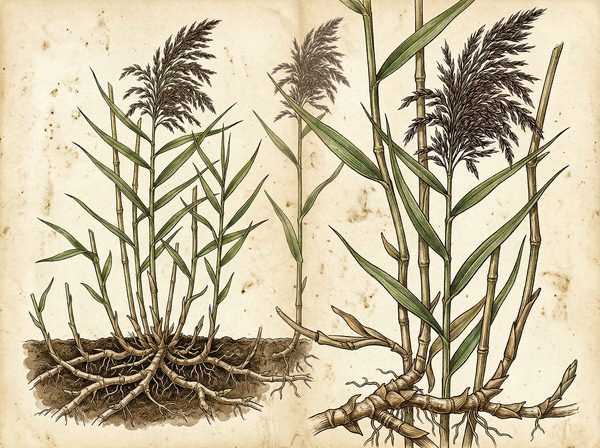 Reed RootPhragmites australis
The whole plate is in the library. The compass, Compare, the Sky of eleven hundred plants and the formulary open with an email address and a password, free, with the formula builder and its safety engine. Herbert without limit, his formulating, clients, the handouts and the labels are the paid room.
Open the library, free