Ayurvedic Herbalism
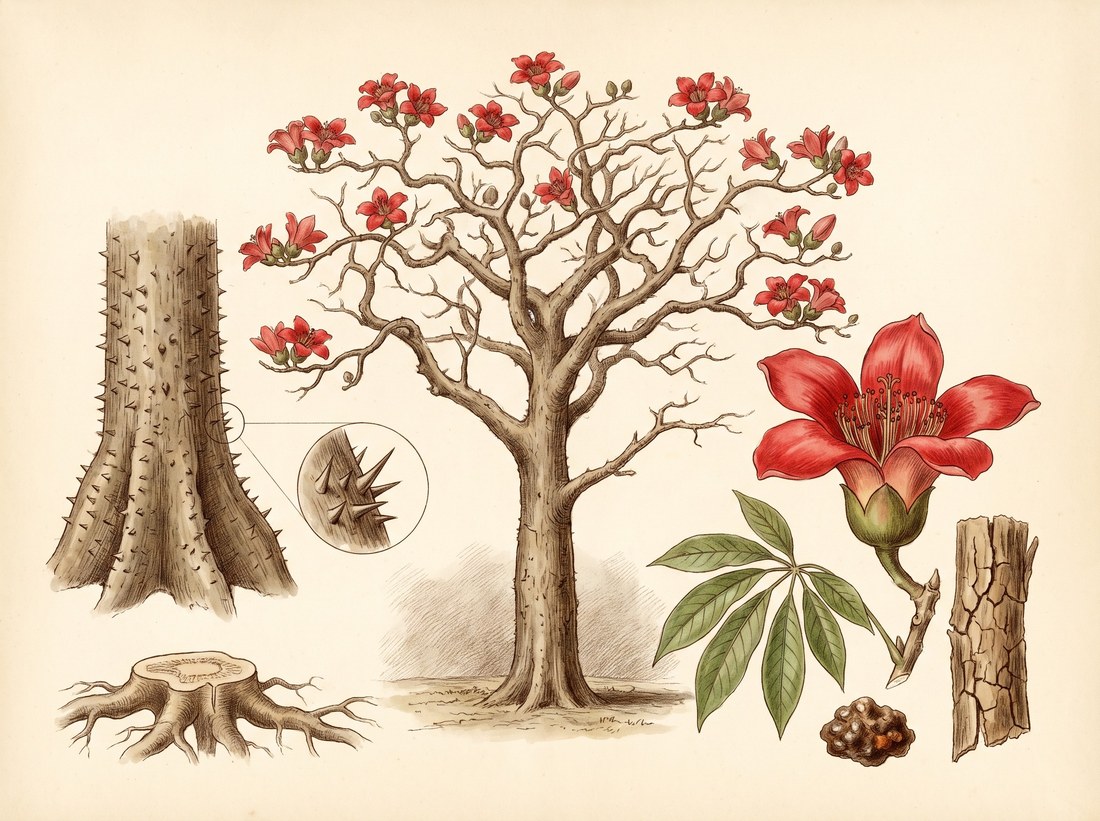
Red silk cotton tree
Bombax ceiba
Also known as Indian kapok, semal, cotton tree, Shalmali, Salmali, Mocha.
Bombax ceiba is a tall deciduous tree with a buttressed, spiny trunk and large scarlet flowers that open on bare branches in early spring, found in deciduous forests and along roads throughout India from the Himalayan foothills to Kerala. Ayurveda calls it Shalmali and uses several parts: the reddish gum that weeps from the bark, called mocharasa, is a cooling astringent for diarrhea, bleeding and discharges; the root is a sweet nourishing tonic for weakness and sexual debility; the flowers are eaten and given for bleeding; and the prickles are ground into a paste for acne. The silky floss around its seeds is the kapok of pillows.
Ask Herbert about Red silk cotton tree. Herbert is the master herbalist inside Bountiful Herbs: he answers from this plate and eleven hundred others, with dosing, pairing and cautions. Your first ten questions are free.
Ask HerbertActions
Indications what the tradition reached for it in
- Chronic diarrhea and dysentery with blood or mucus
- Menorrhagia and leukorrhea
- Spermatorrhea and premature ejaculation (traditional)
- Bleeding hemorrhoids
- Convalescent weakness with loose bowels
- Nosebleeds and bleeding gums of pitta type
- Burning urination
- Acne and facial blemishes (thorn paste, topical)
- Chronic wounds and ulcers (topical)
- Male debility and low libido with dryness
- Ulcerative colitis in remission (adjunct)
Specific indications
Loose stools with mucus and streaks of blood in a thin, hot, depleted patient who is losing weight and strength
Heavy, prolonged periods with a burning quality and fatigue in a pitta-vata woman
A young man with nocturnal emissions, burning urination and a sense of depletion
Adolescent acne on an oily face, treated with the thorn paste ground in milk
Safety
The record lists 5 contraindications; open the plate in the library to read them in full.
In practice
The Ayurvedic practitioner keeps mocharasa as a first-line grahi for pitta-type loose bowels: diarrhea and dysentery with blood or mucus, the loose stools of convalescence, and bleeding from the bowel, uterus or nose.
In Ayurveda
Rasa: madhura (sweet), kashaya (astringent). Virya: sheeta (cooling). Vipaka: madhura (sweet). Guna: laghu (light), snigdha (unctuous), picchila (slimy). Dosha: pacifies vata and pitta; the gum in particular checks kapha-pitta discharges, and the root increases kapha in excess. Karma: grahi (absorbent, binds stool); stambhana (arrests discharge and bleeding); raktastambhana (hemostatic); vrishya (aphrodisiac); brimhana (nourishing, builds tissue); balya (strengthening); shukrala (increases semen); vranaropana (heals wounds); dahaprashamana (relieves burning); raktapittahara (checks bleeding disorders); varnya (improves complexion, the prickle paste). Classical indications: atisara (diarrhea); pravahika (dysentery); raktatisara (bloody diarrhea); raktapitta (bleeding disorders); pradara (menorrhagia and leukorrhea); shukrameha (spermatorrhea); daurbalya (weakness); klaibya (male sexual dysfunction); vrana (wounds); daha (burning); mutrakrichra (dysuria); yuvanapidika (acne, the prickle paste). The dried gum exuded from the trunk, called mocharasa, is the most used part, given as churna with rice water, honey or milk for diarrhea, bleeding and discharges and included in Pushyanuga churna. The root and root bark are taken as churna or kwatha as a nourishing tonic; the flowers are eaten and given for bleeding; and the prickles from the trunk are ground with milk into a paste for acne and blemishes. Classical formulations: Pushyanuga churna, Mocharasa churna, Shalmali kantaka lepa, Shalmalyadi churna, Shalmali mula churna, Bilvadi churna (some versions), Kutajavaleha (some versions). Described in: Charaka Samhita, Sushruta Samhita, Ashtanga Hridaya, Bhavaprakasha Nighantu, Dhanvantari Nighantu, Raja Nighantu, Kaiyadeva Nighantu, Madanapala Nighantu, Ayurvedic Pharmacopoeia of India.
Dosing as the sources wrote it
| Preparation | As written | Metric |
|---|---|---|
| Churna (mocharasa gum) | 1-3 g powdered gum two to three times daily with rice water or honey | 1000-3000 mg |
| Churna (root) | 3-6 g powdered root daily with warm milk | 3000-6000 mg |
| Kwatha (bark or root) | 50-100 mL decoction twice daily | 50-100 mL |
| Compound churna (Pushyanuga) | 3-6 g twice daily with rice water and honey | 3000-6000 mg |
| Kantaka lepa, topical | 3-5 g prickle paste ground in milk applied to the face at night | 3000-5000 mg |
Doses are reproduced from the sources for practitioners and are not a recommendation for any person.
From the sources
Overview. Bombax ceiba is a tall deciduous tree with a buttressed, spiny trunk and large scarlet flowers that open on bare branches in early spring, found in deciduous forests and along roads throughout India from the Himalayan foothills to Kerala. Ayurveda calls it Shalmali and uses several parts: the reddish gum that weeps from the bark, called mocharasa, is a cooling astringent for diarrhea, bleeding and discharges; the root is a sweet nourishing tonic for weakness and sexual debility; the flowers are eaten and given for bleeding; and the prickles are ground into a paste for acne. The silky floss around its seeds is the kapok of pillows.
Clinical Notes. The Ayurvedic practitioner keeps mocharasa as a first-line grahi for pitta-type loose bowels: diarrhea and dysentery with blood or mucus, the loose stools of convalescence, and bleeding from the bowel, uterus or nose.
Ayurvedic Profile. Rasa: madhura (sweet), kashaya (astringent). Virya: sheeta (cooling). Vipaka: madhura (sweet). Guna: laghu (light), snigdha (unctuous), picchila (slimy). Dosha: pacifies vata and pitta; the gum in particular checks kapha-pitta discharges, and the root increases kapha in excess.
In formulas
Red silk cotton tree stands in 8 documented formulas in the library, among them Abhayāriṣta, Uśīrāsava, Candanāsava, Kuṭajāvaleha, Jīrakādi Modaka, Navaratnarājamṛgānka Rasa.
Often paired with
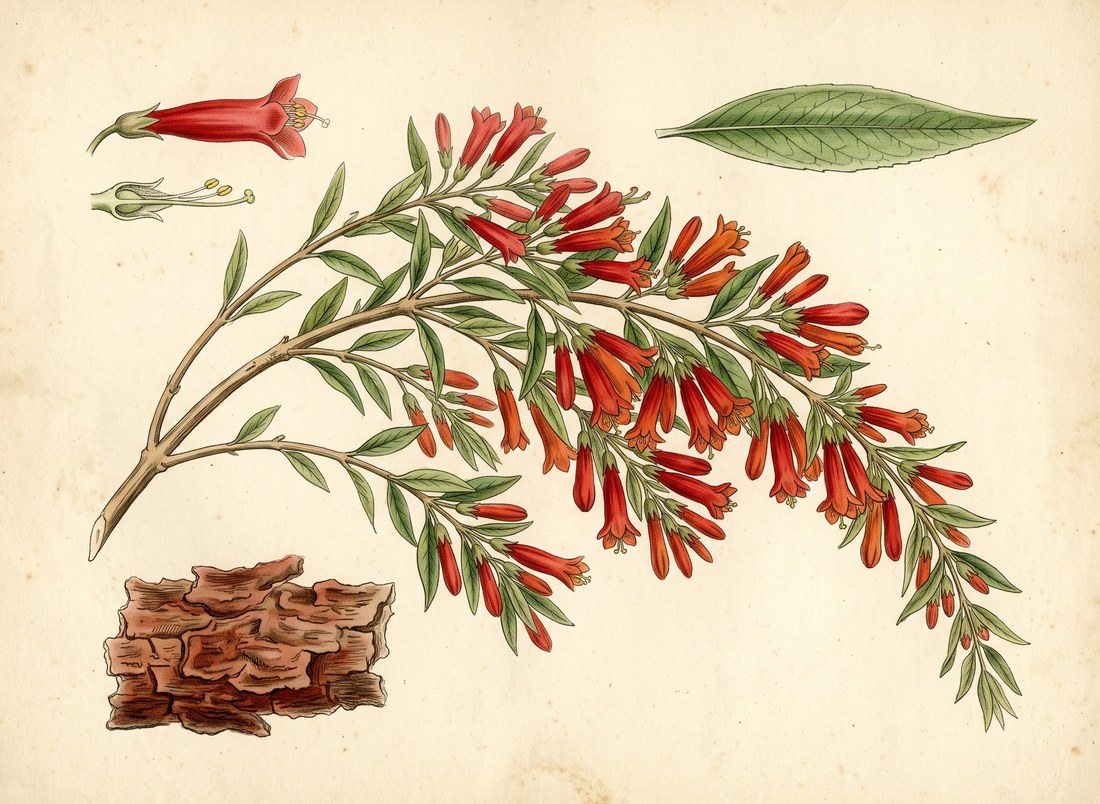 dhatakiWoodfordia fruticosa
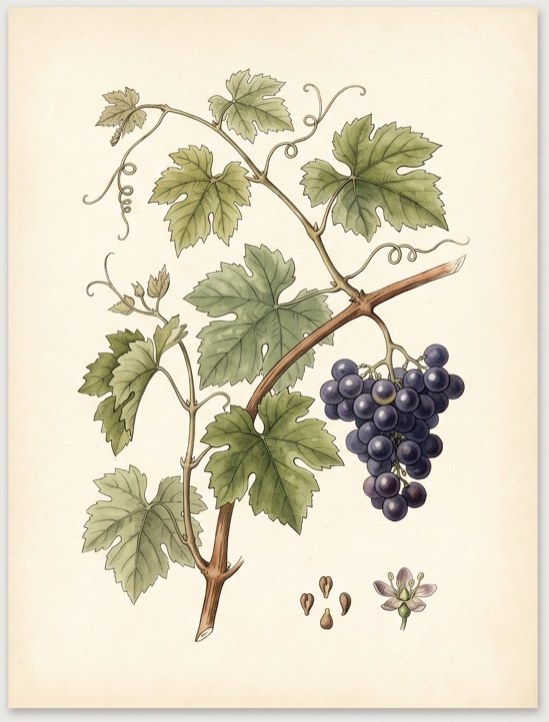 grapeVitis vinifera
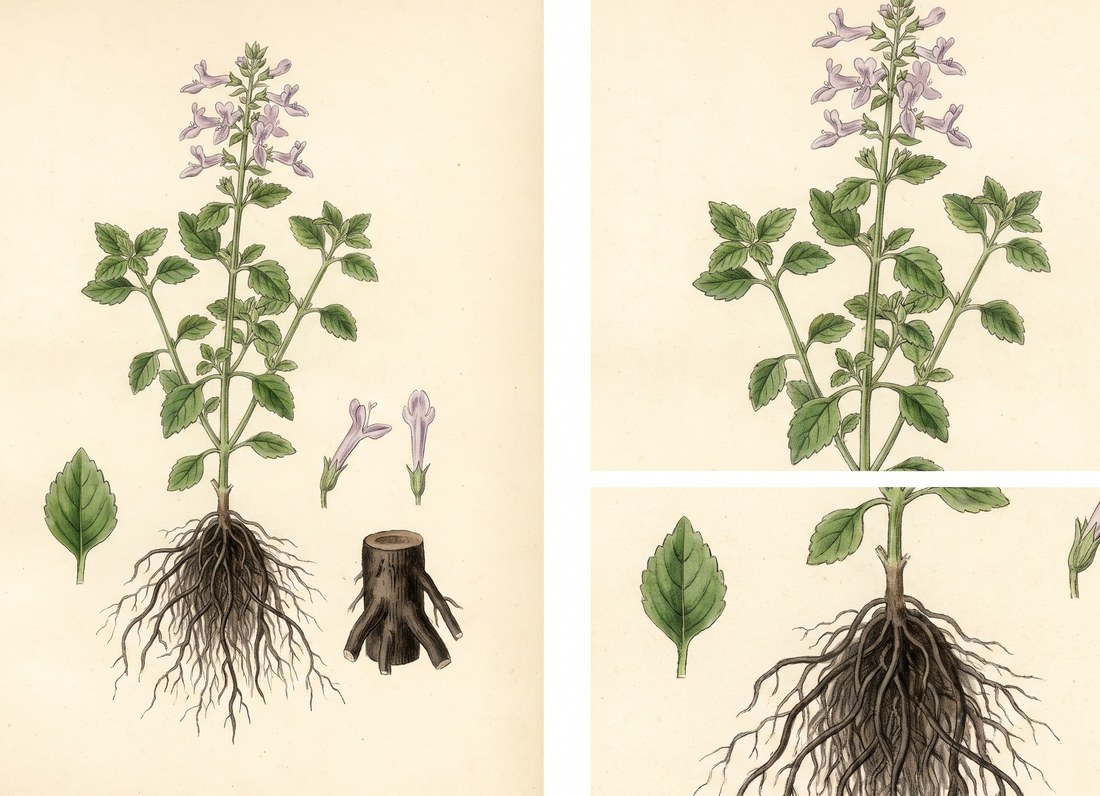 hriberaColeus vettiveroides
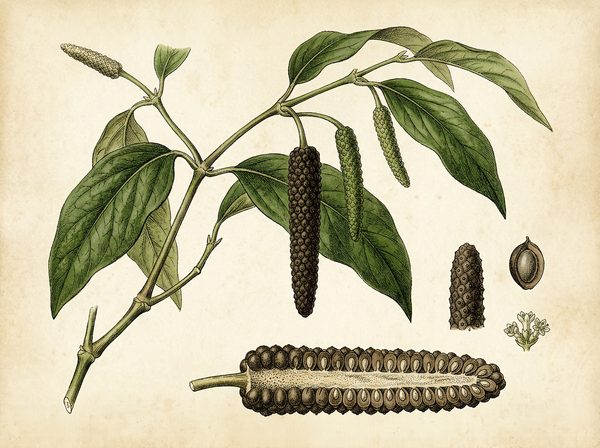 long pepperPiper longum
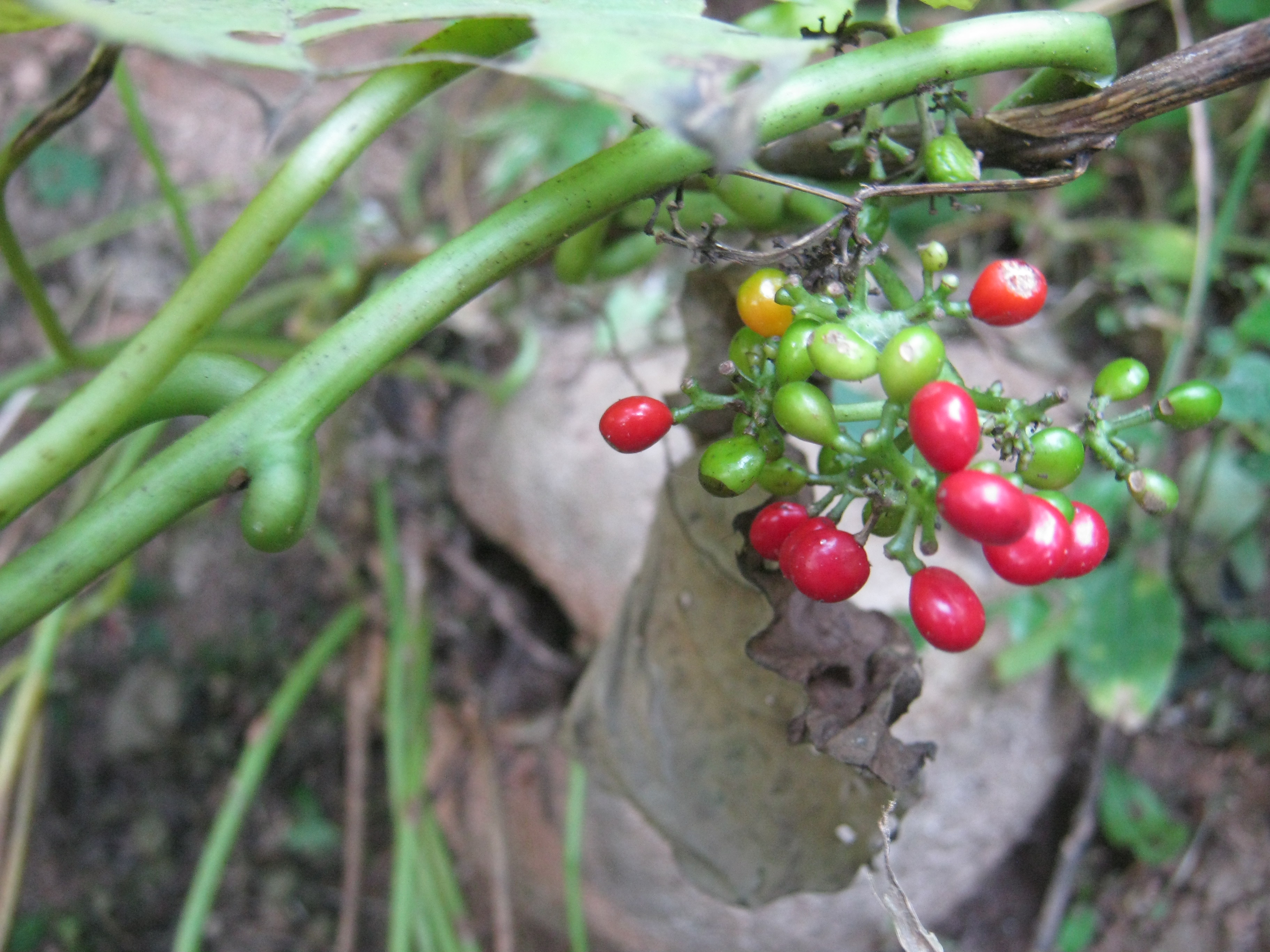 Pareira bravaCissampelos pareira
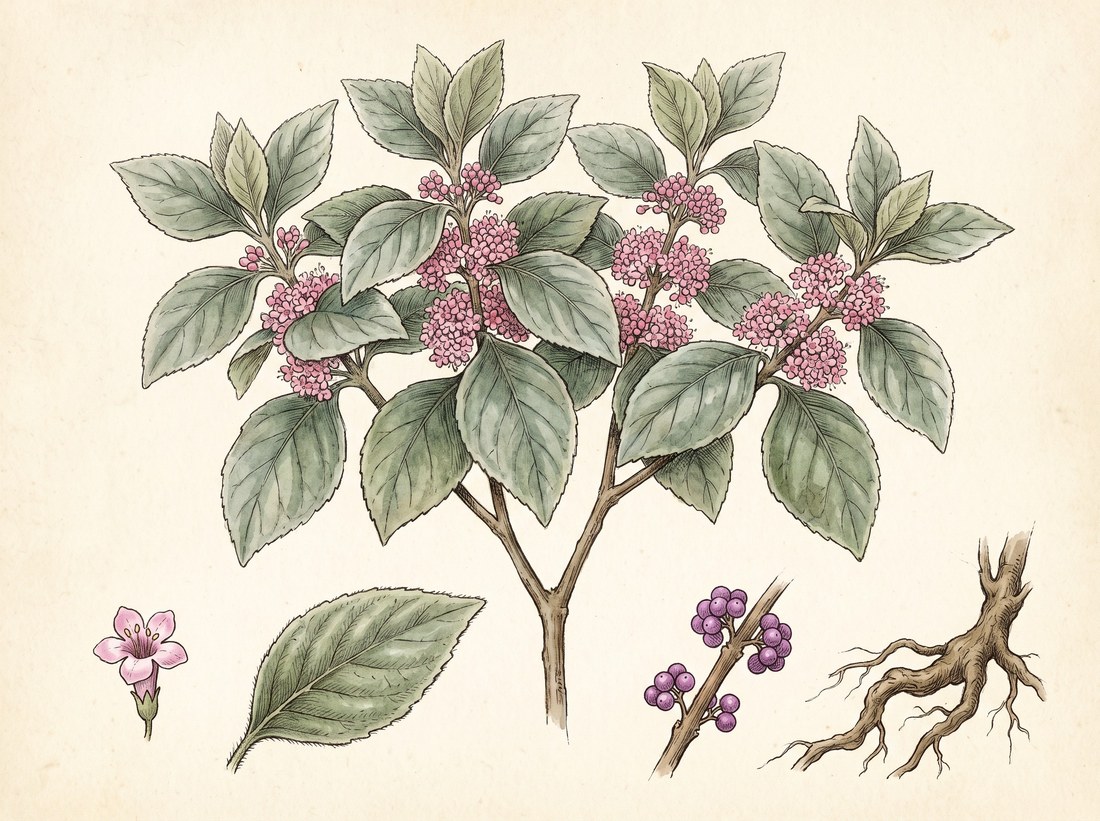 beautyberryCallicarpa macrophylla
Nearby on the shelf
 Red rootCeanothus americanus
 Red rootLachnanthes
 Red roseRosa Gallica
 Red sandalwoodPterocarpus santalinus
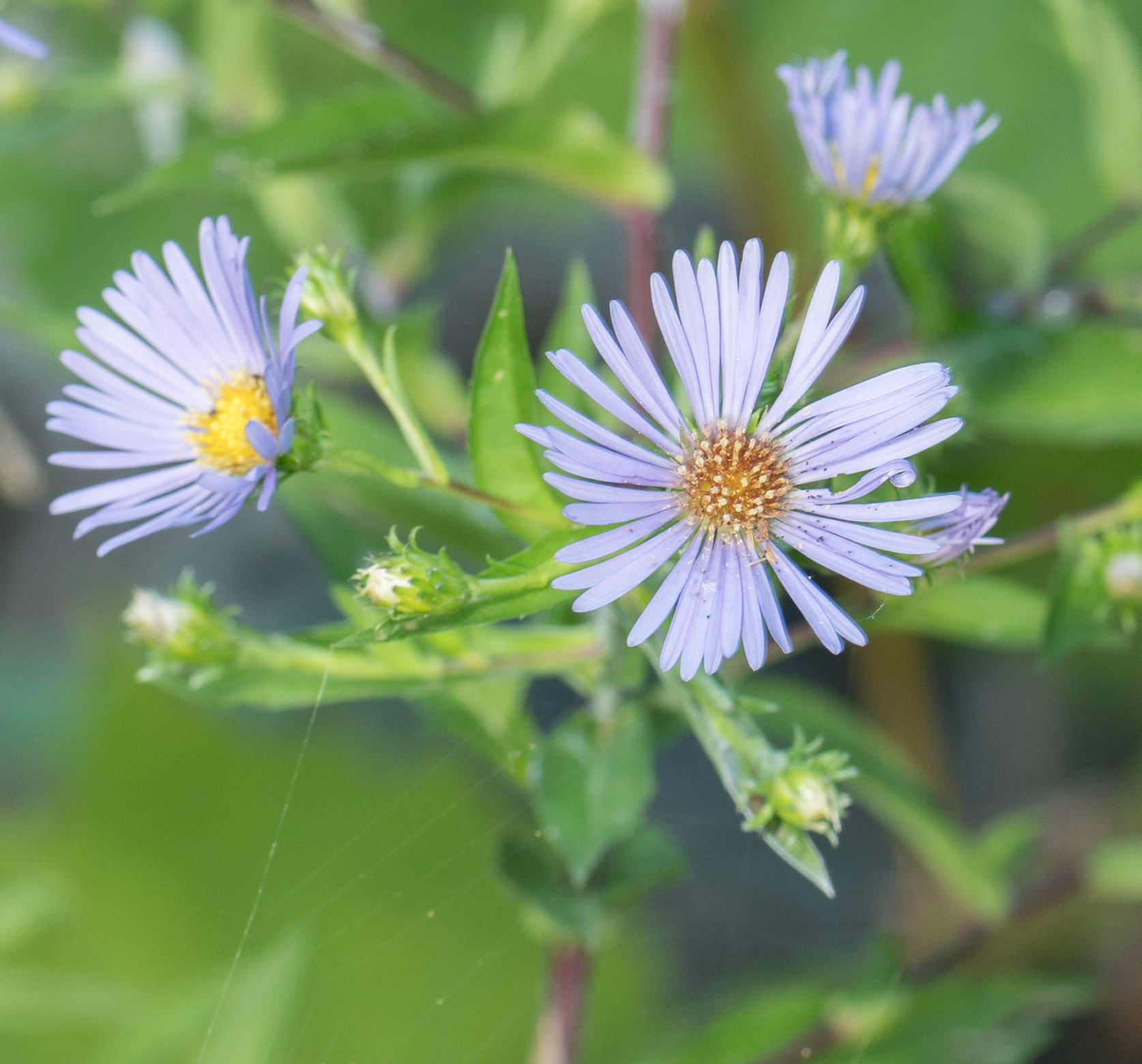 Red-stalked asterAster Puniceus
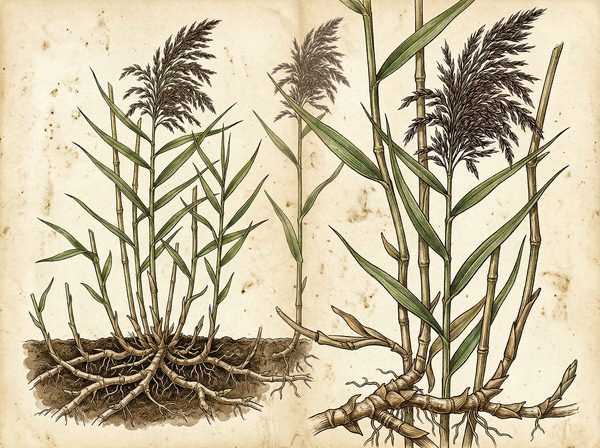 Reed RootPhragmites australis
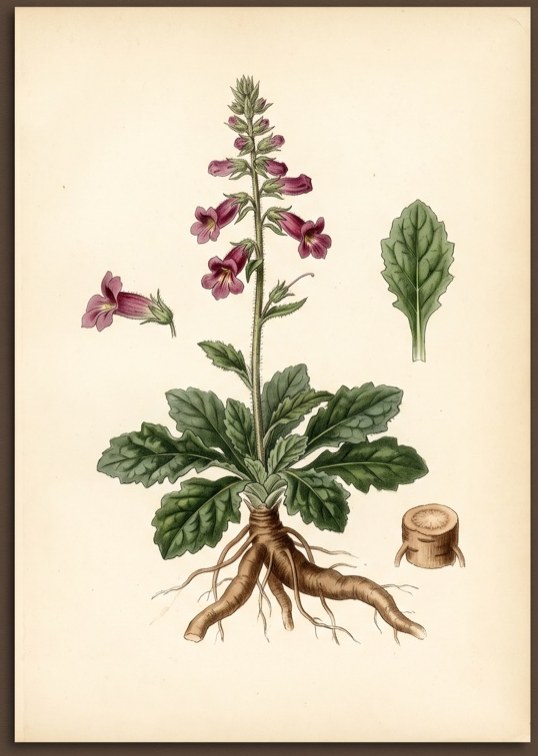 RehmanniaRehmannia glutinosa
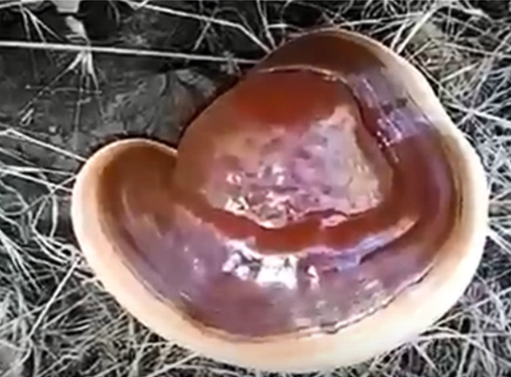 ReishiGanoderma lucidum
The whole plate is in the library. The compass, Compare, the Sky of eleven hundred plants and the formulary open with an email address and a password, free, with the formula builder and its safety engine. Herbert without limit, his formulating, clients, the handouts and the labels are the paid room.
Open the library, free