Western Herbalism
Red root
Lachnanthes
Also known as Spirit weed, Carolina redroot, Paintroot, Lachnanthes.
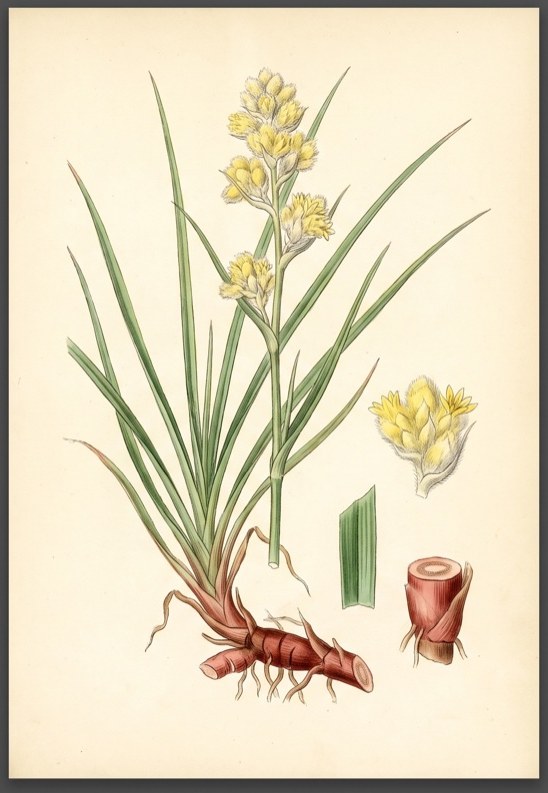
Lachnanthes caroliniana, known as red root or spirit weed, is a perennial marsh and bog plant of the Haemodoraceae native to the wetlands of the eastern United States, named for the reddish woolly root that yields a dye once used by indigenous peoples. The root was taken up by nineteenth century eclectic physicians as a remedy for congestive throat and neck complaints and for nervous disturbance linked to alcohol excess, and it later became a well known homeopathic remedy keyed to stiff neck and mental confusion. Its use in mainstream Western herbalism has always been limited and its clinical record is thin compared with better documented plants.

Ask Herbert about Red root. Herbert is the master herbalist inside Bountiful Herbs: he answers from this plate and eleven hundred others, with dosing, pairing and cautions. Your first ten questions are free.
Ask HerbertActions
Indications what the tradition reached for it in
- Torticollis and stiff neck
- Sore throat with congestive fullness
- Chronic nasal and throat catarrh
- Nervous exhaustion following alcohol excess
- Vertigo with head congestion
- Rheumatic stiffness of neck and shoulders
- Restlessness with a sense of mental confusion
- Delirium associated with chronic alcohol use (historical)
Specific indications
Stiff, twisted neck with pain and limited rotation, as though the head were being pulled to one side
Throat feels full, raw or congested with a sensation of a lump on swallowing, worse from cold and better from warmth
Safety
Low dose botanical. Used in drop doses in the classical practice; not a plant to dose freely.
The record lists 5 contraindications; open the plate in the library to read them in full.
In practice
Practitioners in the eclectic tradition reached for red root mainly for congestive, stiff, or catarrhal states of the throat and neck, often in patients whose complaints seemed to follow overindulgence in alcohol or who presented with a curious mental fogginess alongside physical stiffness. It was given in small doses of the tincture rather than large ones, reflecting both its potency and the caution eclectic writers exercised with it. Because solid modern clinical or pharmacological data are lacking, red root is best regarded today as a minor, historically interesting remedy rather than a first line choice. When used, it is typically reserved for cases matching its classic picture (a stiff, wry neck or a heavy congested throat with head confusion) and given for short periods with attention to response, rather than as a long term constitutional treatment.
Dosing as the sources wrote it
| Preparation | As written | Metric |
|---|---|---|
| Tincture (1:5, fresh root) | 0.3-1 mL up to three times daily | 0.3-1 mL |
| Low dilution/homeopathic preparation | as directed by a qualified practitioner | |
| A fluid drachm of the tincture added to | A fluid drachm of the tincture added to 4 fluid ounces of water, and administered in fluid drachm doses, every 3 or 4 hours, is the proper method of administering it. |
Doses are reproduced from the sources for practitioners and are not a recommendation for any person.
From the sources
Overview. Lachnanthes caroliniana, known as red root or spirit weed, is a perennial marsh and bog plant of the Haemodoraceae native to the wetlands of the eastern United States, named for the reddish woolly root that yields a dye once used by indigenous peoples. The root was taken up by nineteenth century eclectic physicians as a remedy for congestive throat and neck complaints and for nervous disturbance linked to alcohol excess, and it later became a well known homeopathic remedy keyed to stiff neck and mental confusion. Its use in mainstream Western herbalism has always been limited and its clinical record is thin compared with better documented plants.
Clinical Notes. Practitioners in the eclectic tradition reached for red root mainly for congestive, stiff, or catarrhal states of the throat and neck, often in patients whose complaints seemed to follow overindulgence in alcohol or who presented with a curious mental fogginess alongside physical stiffness.
Drawn from King's American Dispensatory, 18th edition (Felter and Lloyd), and the Bountiful Herbs editorial.
Often paired with
 BloodrootSanguinaria canadensis
 Red rootCeanothus americanus
 Dwarf ElderAralia Hispida
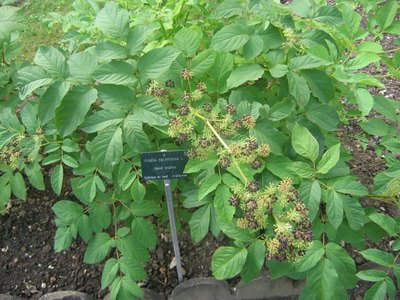 SpikenardAralia Racemosa
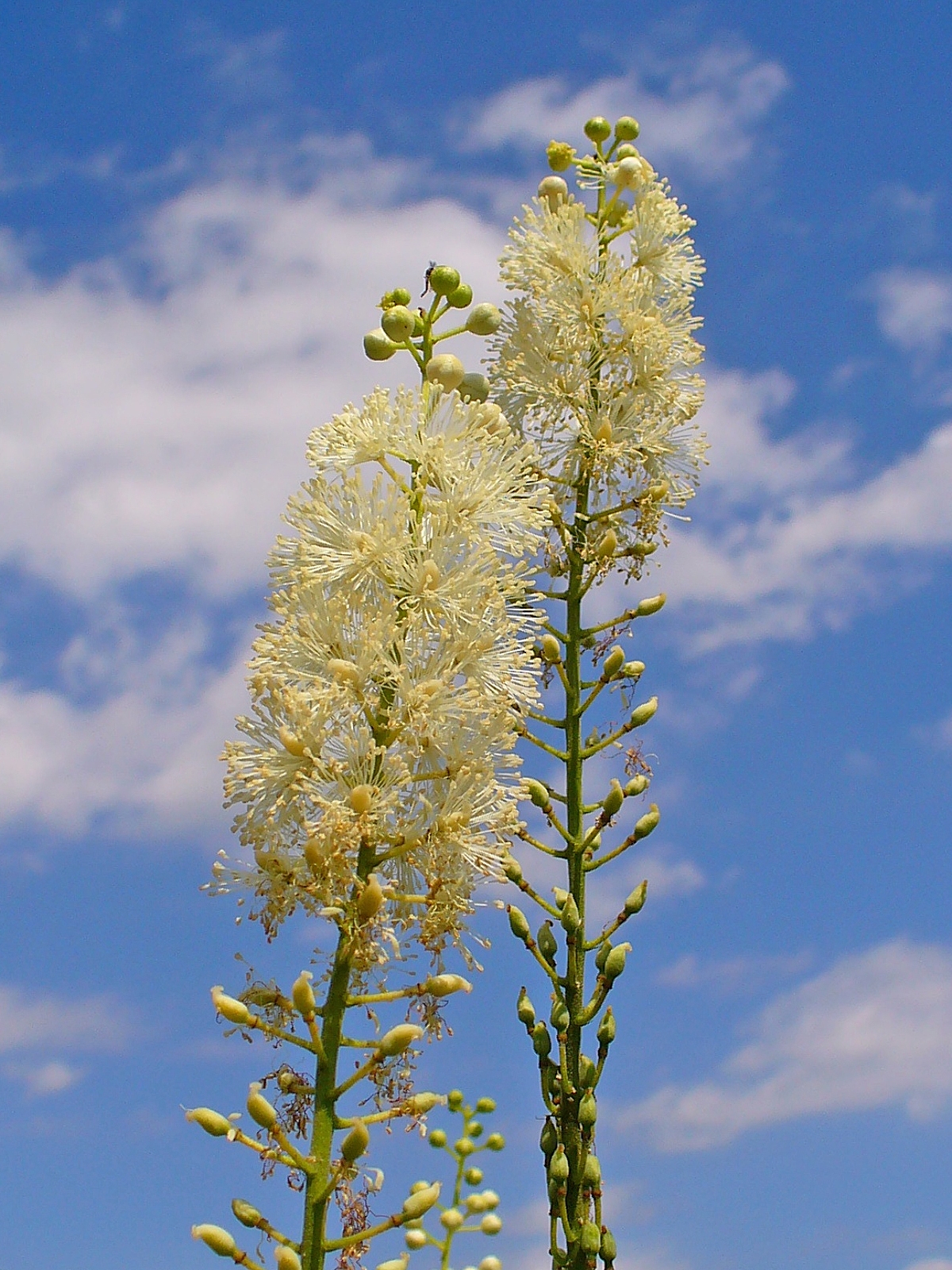 Black cohoshActaea racemosa
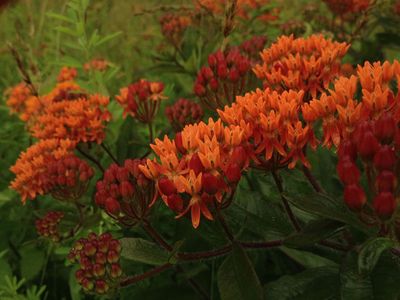 Pleurisy rootAsclepias tuberosa
Nearby on the shelf
 Red mulberryMorus Rubra
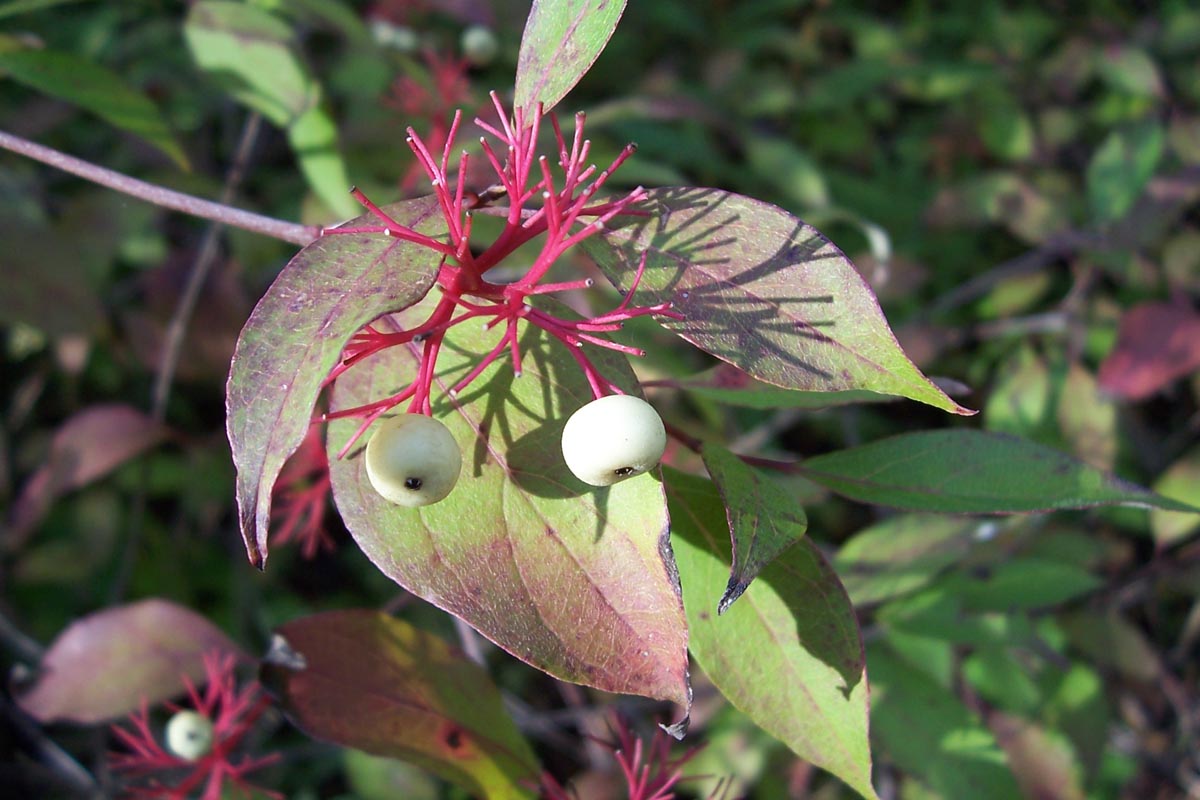 Red osier dogwoodCornus sericea
 Red raspberryRubus idaeus
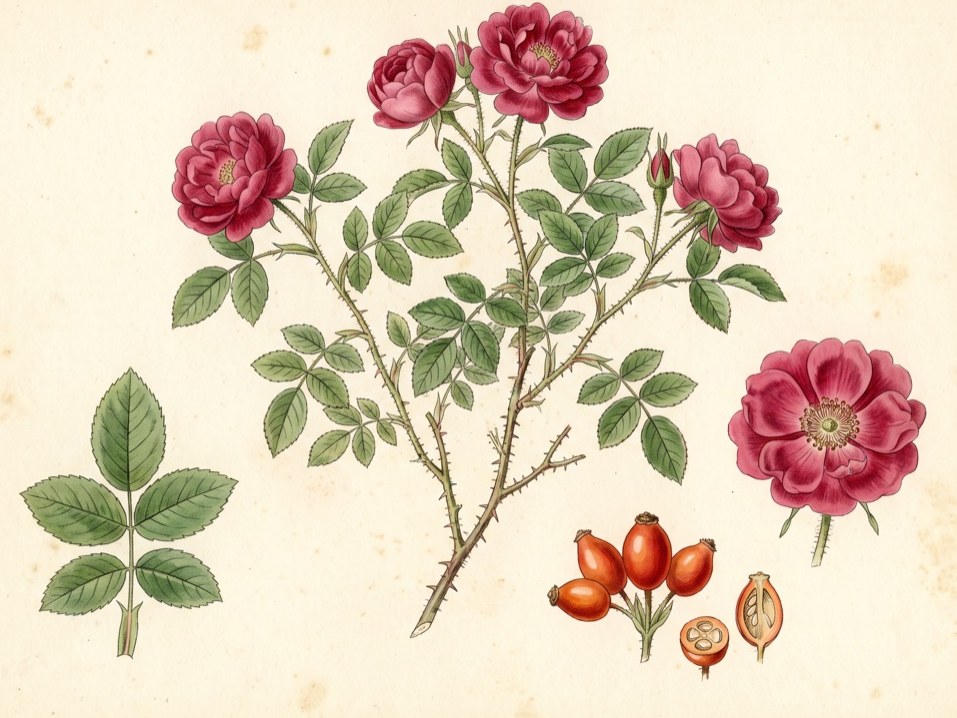 Red roseRosa Gallica
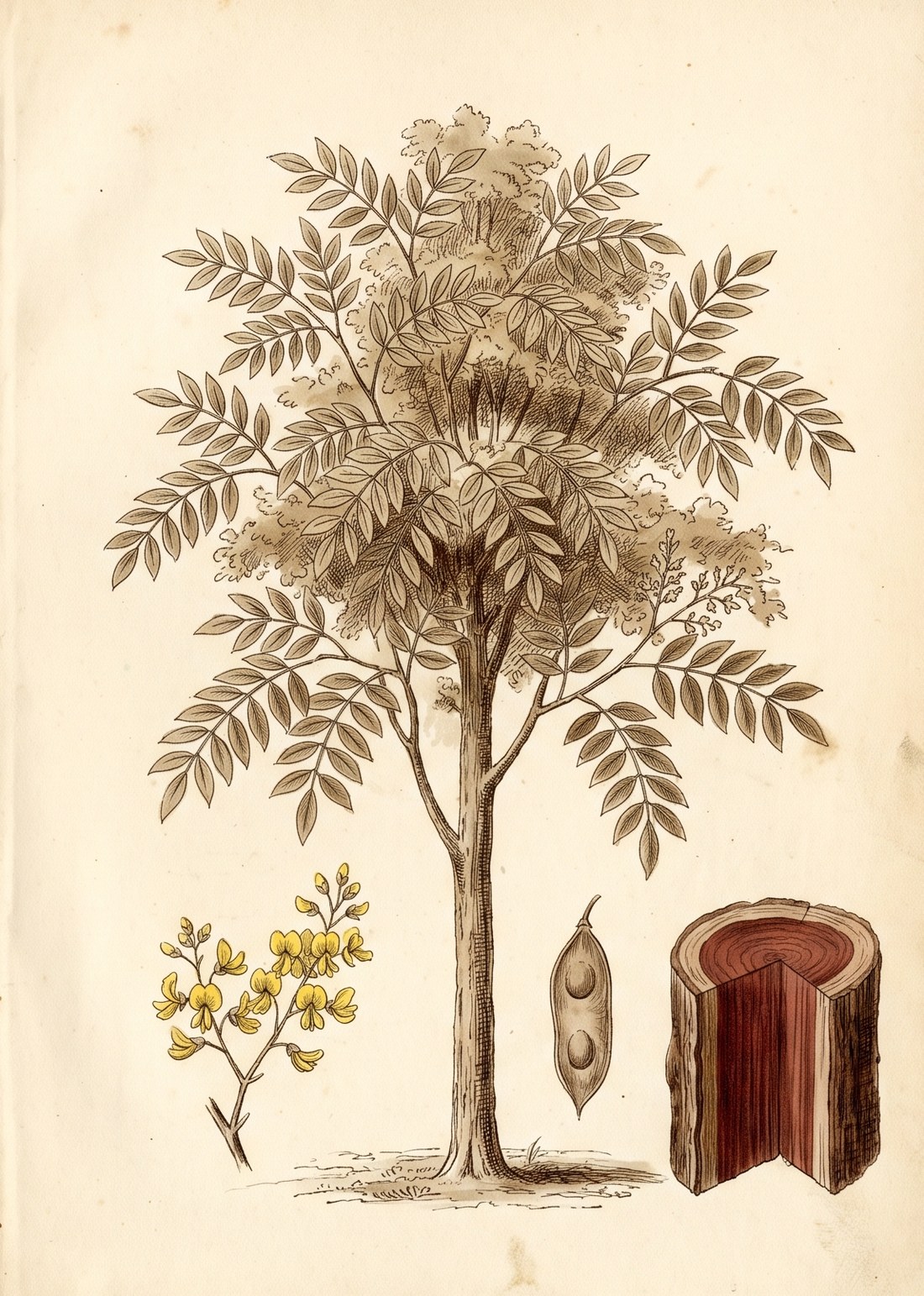 Red sandalwoodPterocarpus santalinus
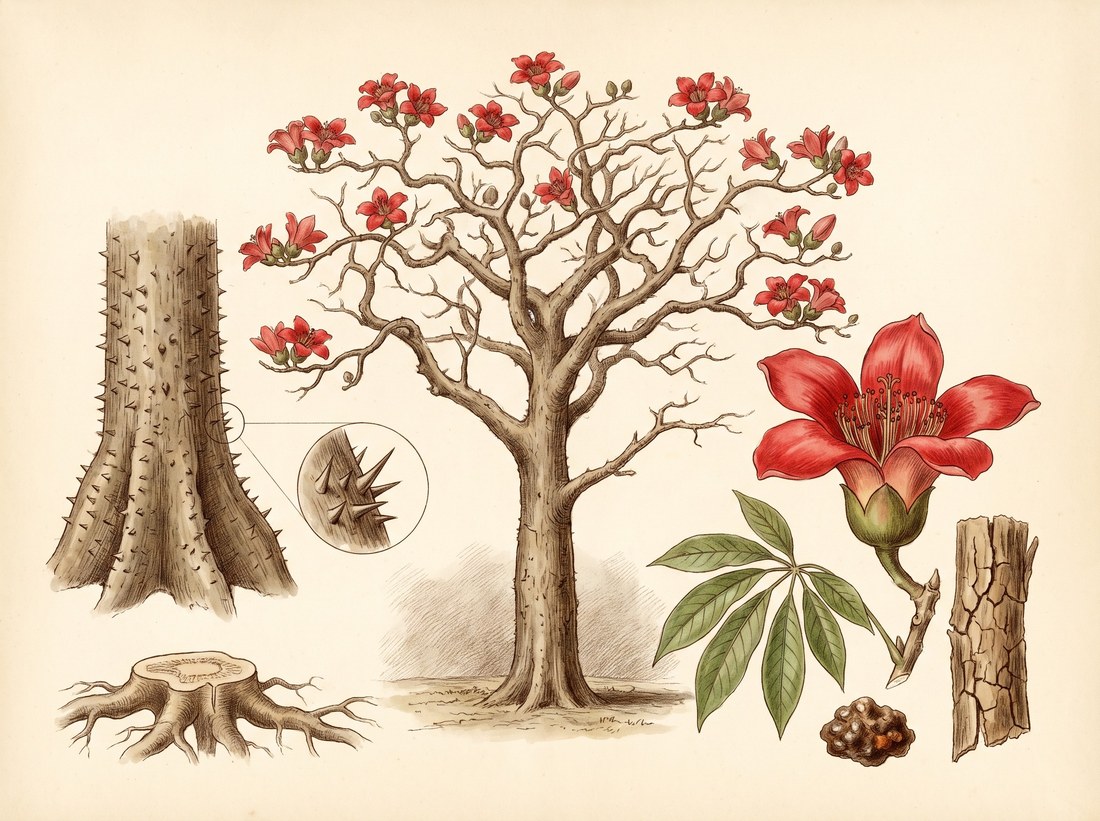 Red silk cotton treeBombax ceiba
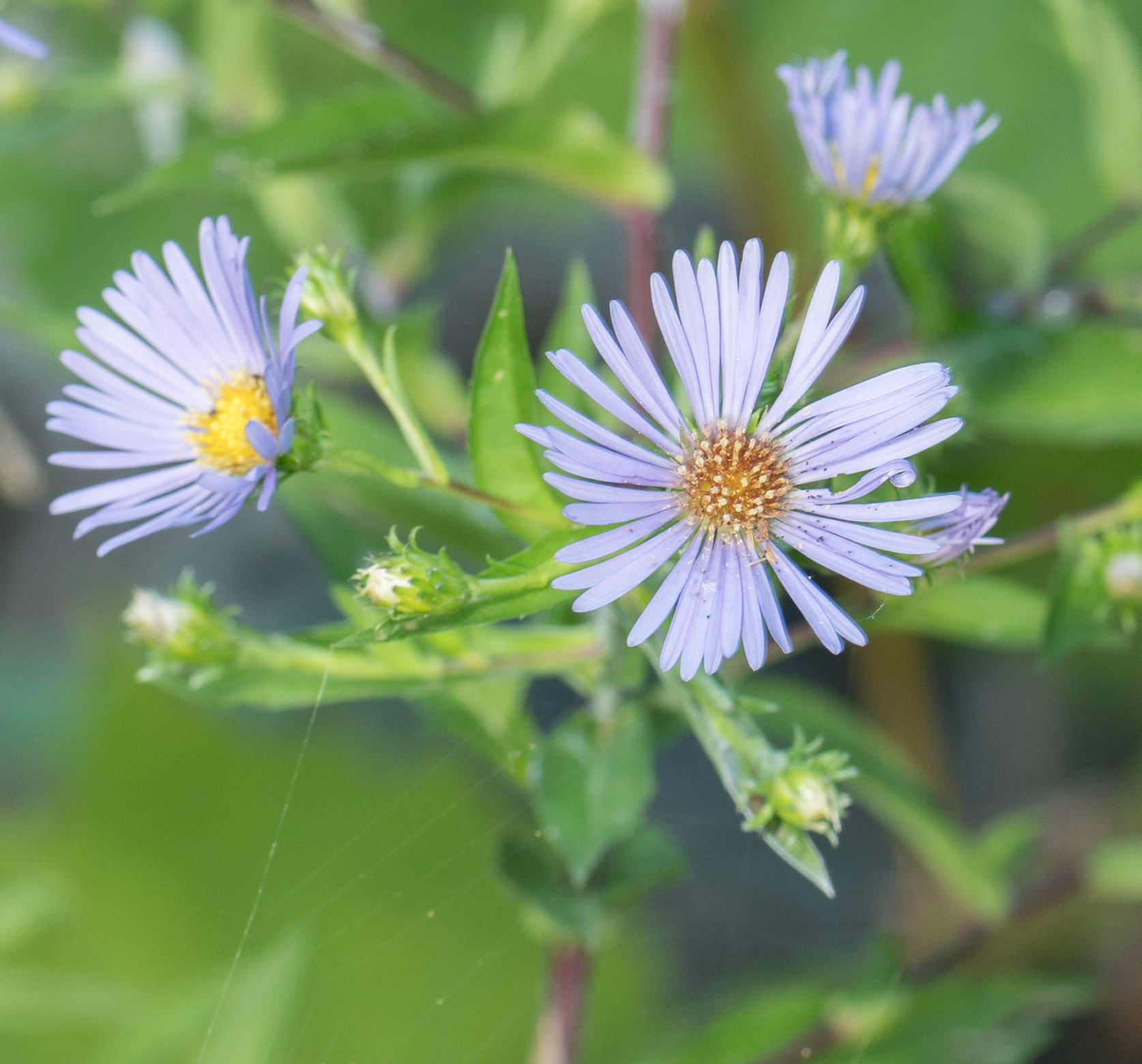 Red-stalked asterAster Puniceus
The whole plate is in the library. The compass, Compare, the Sky of eleven hundred plants and the formulary open with an email address and a password, free, with the formula builder and its safety engine. Herbert without limit, his formulating, clients, the handouts and the labels are the paid room.
Open the library, free