Western Herbalism
Red mulberry
Morus Rubra
Also known as American mulberry.
Red mulberry is a deciduous tree native to the eastern United States, related to the white mulberry of Asia but distinct in botanical origin and history of use. The ripe fruit, root bark, and leaves have each seen use, with the fruit prized in Eclectic and folk American medicine chiefly as a flavorful, nutritive, mildly laxative food and as a base for fever syrups. The root bark had a smaller history as a taeniafuge, following practices applied to the related Morus alba and Morus nigra in older pharmacopoeias.

Ask Herbert about Red mulberry. Herbert is the master herbalist inside Bountiful Herbs: he answers from this plate and eleven hundred others, with dosing, pairing and cautions. Your first ten questions are free.
Ask HerbertActions
Indications what the tradition reached for it in
- Constipation
- Fevers requiring a cooling, palatable vehicle
- Sore throat and dry cough
- Tapeworm infestation (historical use of root bark)
- General debility with poor appetite
- Thirst in febrile states
- Mild dyspepsia
- As a flavoring base for medicinal syrups
Specific indications
A feverish patient who needs fluids and a palatable, cooling syrup to encourage drinking
Sluggish bowels in a patient who tolerates only mild, food-like laxatives
Safety
Low dose botanical. Used in drop doses in the classical practice; not a plant to dose freely.
The record lists 4 contraindications; open the plate in the library to read them in full.
In practice
In practice, red mulberry is reached for more as a pleasant, cooling vehicle than as a primary remedy. The ripe fruit juice, made into a syrup, was traditionally used to flavor and soften febrile drinks and to make less palatable medicines acceptable to children and convalescents; its mild demulcent and laxative qualities make it a reasonable adjunct in mild constipation or dry throat during a fever, though it is not a strong purgative or antipyretic in its own right.
Dosing as the sources wrote it
| Preparation | As written | Metric |
|---|---|---|
| Ripe fruit syrup | 5-15 mL syrup as needed, added to drinks or taken directly | 5-15 mL |
| Root bark decoction (historical, vermifuge) | not recommended for routine modern use; historically 15-30 g dried root bark decocted, single dose | 15000-30000 mg |
| Leaf infusion | 1-2 g dried leaf as infusion, once or twice daily | 1000-2000 mg |
Doses are reproduced from the sources for practitioners and are not a recommendation for any person.
From the sources
Overview. Red mulberry is a deciduous tree native to the eastern United States, related to the white mulberry of Asia but distinct in botanical origin and history of use. The ripe fruit, root bark, and leaves have each seen use, with the fruit prized in Eclectic and folk American medicine chiefly as a flavorful, nutritive, mildly laxative food and as a base for fever syrups. The root bark had a smaller history as a taeniafuge, following practices applied to the related Morus alba and Morus nigra in older pharmacopoeias.
Clinical Notes. In practice, red mulberry is reached for more as a pleasant, cooling vehicle than as a primary remedy. The ripe fruit juice, made into a syrup, was traditionally used to flavor and soften febrile drinks and to make less palatable medicines acceptable to children and convalescents; its mild demulcent and laxative qualities make it a reasonable adjunct in mild constipation or dry throat during a fever, though it is not a strong purgative or antipyretic in its own right.
Drawn from King's American Dispensatory, 18th edition (Felter and Lloyd), and the Bountiful Herbs editorial.
In formulas
Red mulberry stands in 35 documented formulas in the library, among them ning sòu wán, rén shẽn xiè fei tāng, ging hão biê jiǎ tǎng, yuè hua wán, ju xiân sǎn, diàn kuáng mèng xing táng.
Often paired with
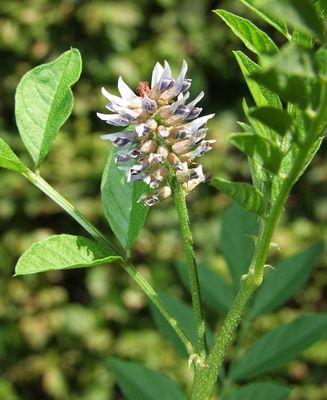 Licorice rootGlycyrrhiza glabra
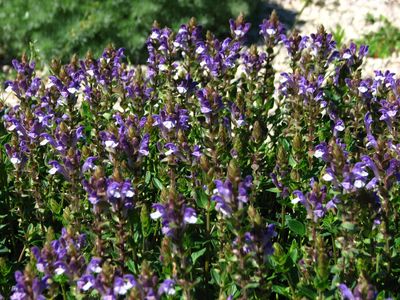 Chinese skullcapScutellaria baicalensis
 PoriaWolfiporia extensa
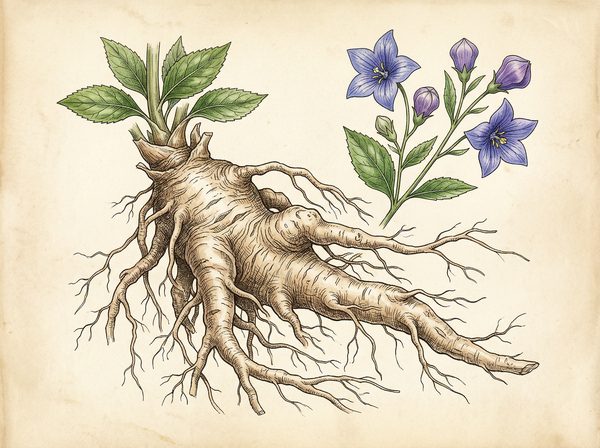 Balloon Flower RootPlatycodon grandiflorus
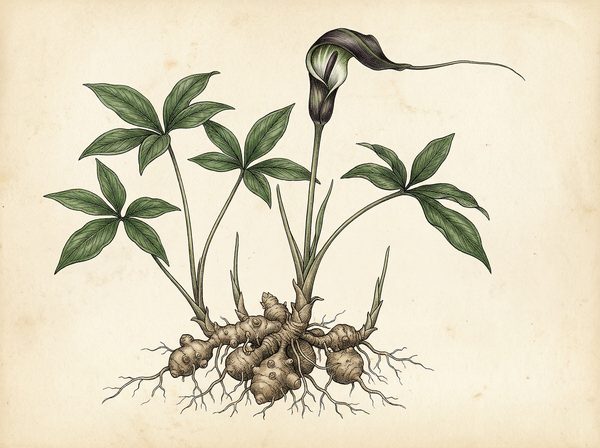 PinelliaPinellia ternata
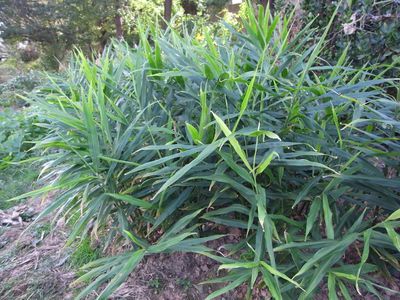 GingerZingiber officinale
Nearby on the shelf
 Red alderAlnus rubra
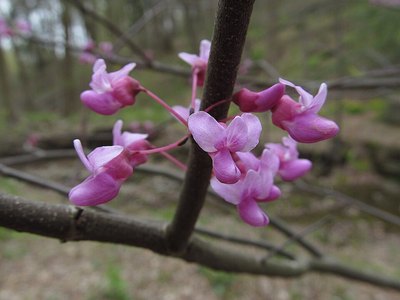 Red budCercis canadensis
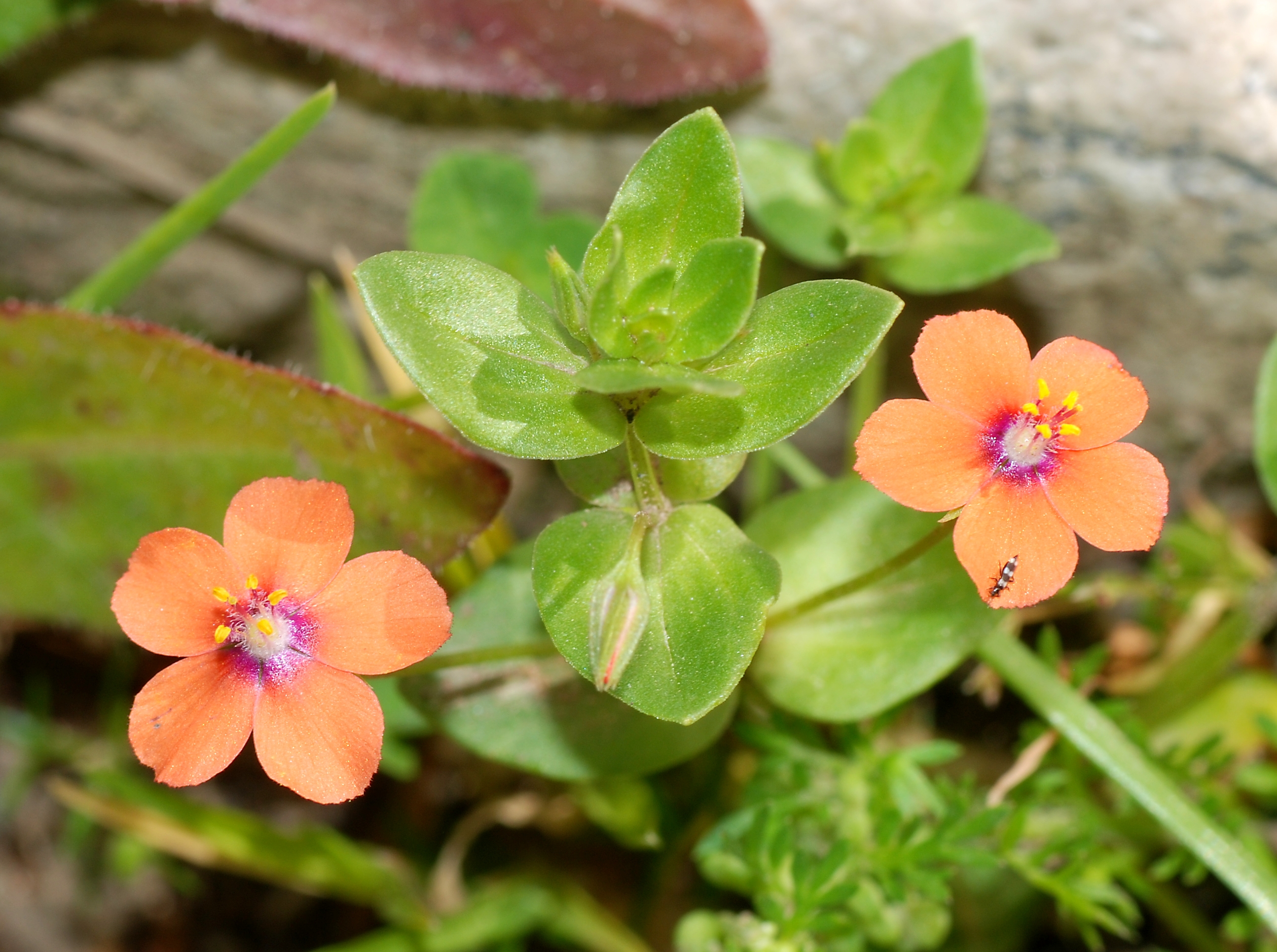 Red ChickweedAnagallis Arvensis
 Red cloverTrifolium pratense
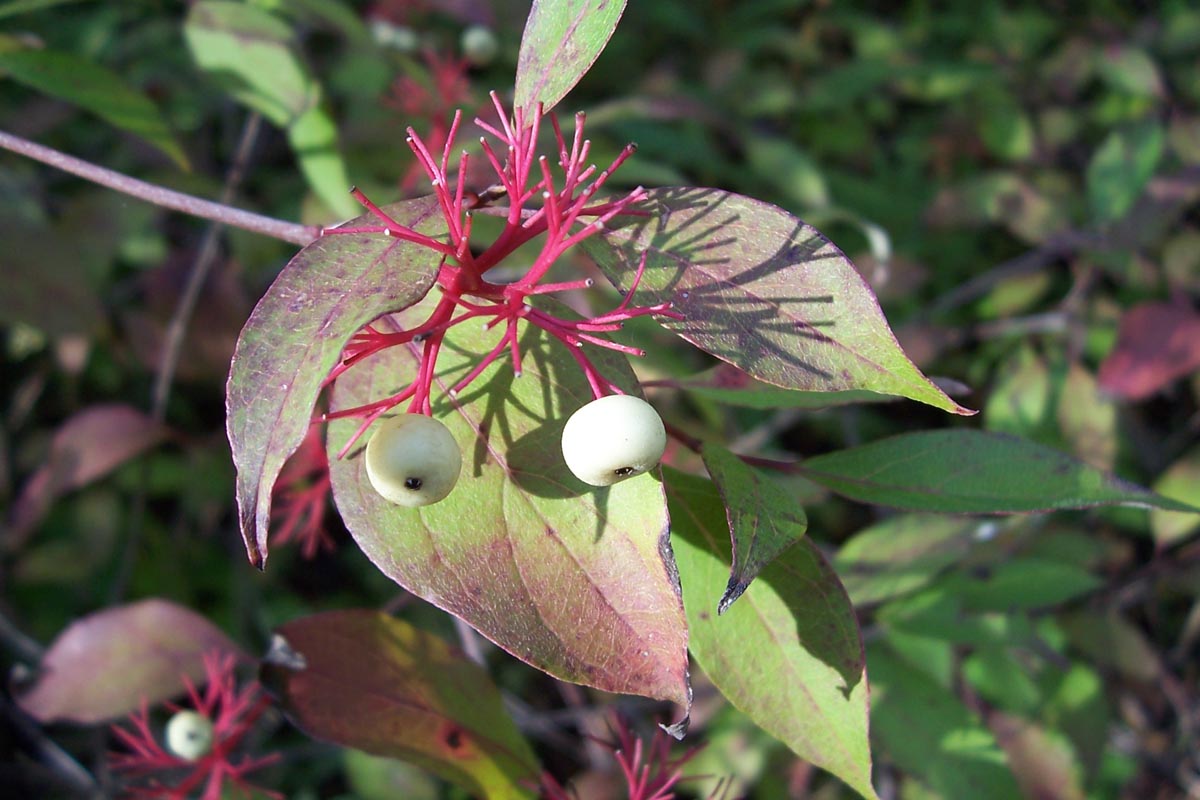 Red osier dogwoodCornus sericea
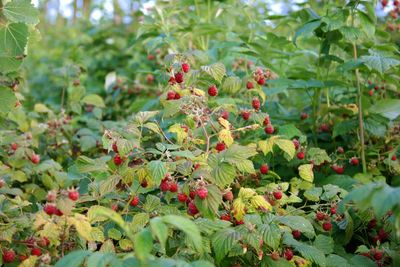 Red raspberryRubus idaeus
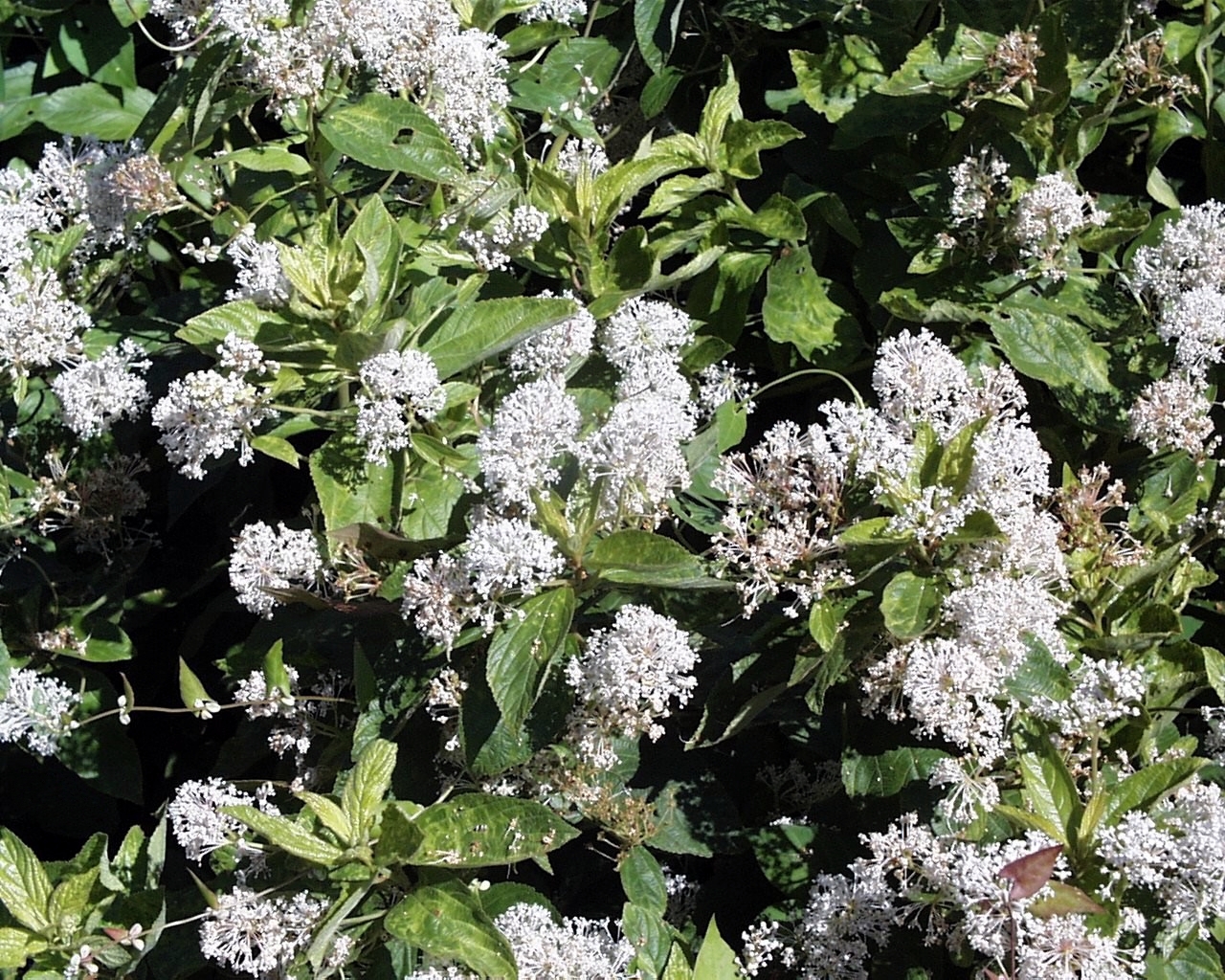 Red rootCeanothus americanus
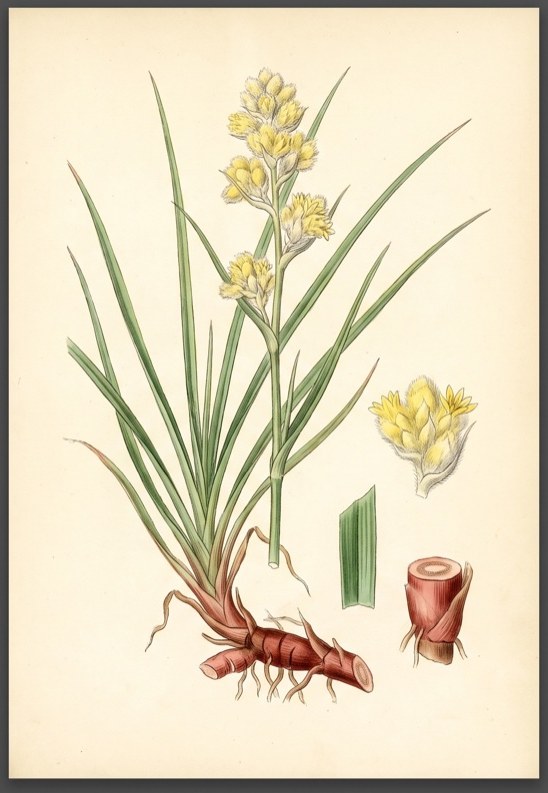 Red rootLachnanthes
The whole plate is in the library. The compass, Compare, the Sky of eleven hundred plants and the formulary open with an email address and a password, free, with the formula builder and its safety engine. Herbert without limit, his formulating, clients, the handouts and the labels are the paid room.
Open the library, free