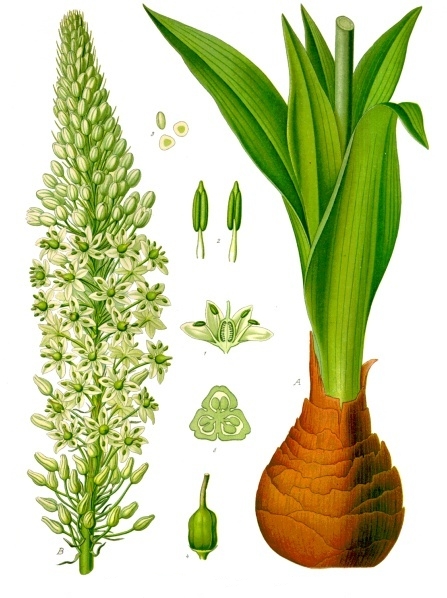
Western Herbalism
Squill
Drimia maritima
Also known as Sea squill, Sea onion, White squill, Maritime squill, Scilla, Urginea scilla Steinh, Squills.
White squill (non-red bulb) used medicinally to avoid higher toxicity of red variety official in British Pharmacopoeia (squill liquid extract, oxymel, tincture, vinegar, elixir) ancient use (Ebers Papyrus, Greek medicine) as diuretic, expectorant distinguish chemotypes rodenticide use (red squill
Ask Herbert about Squill. Herbert is the master herbalist inside Bountiful Herbs: he answers from this plate and eleven hundred others, with dosing, pairing and cautions. Your first ten questions are free.
Ask HerbertActions
Indications what the tradition reached for it in
- Nervous heart complaints
- Irregular heartbeat
- Mucus congestion
- Mild heart failure
- Dropsy
- Productive cough
- Chronic bronchitis
- Fluid retention
- Asthma
- Phlegm dyspnea
- Whooping cough
- Varicose veins
- Bronchitis
- Cardiac weakness
- Cough
- Edema
- Heart failure
- Respiratory congestion
- Urinary disorders
- Respiratory complaints
- Heart weakness
- Cardiac insufficiency
- Thick mucus
- Asthma with bronchitis
- Specifically for chronic bronchitis with scanty sputum
Safety
Recognised toxicity. This plant carries a toxicity flag in the record; it is for trained practitioners only.
Low dose botanical. Used in drop doses in the classical practice; not a plant to dose freely.
Pregnancy: Pregnancy Caution
Breastfeeding: Lactation (source flag notSafeInLactation)
The record lists 5 contraindications; open the plate in the library to read them in full.
Dosing as the sources wrote it
| Preparation | As written | Metric |
|---|---|---|
| Dried bulb | Dried bulb 60-200 mg 3x daily British Herbal Pharmacopoeia | 60-200 mg |
| proscillaridin | proscillaridin 500-750 μg every 8 hours | |
| Dried bulb 60-200 mg as an infusion three times daily | 60-200 mg | |
| (G6, G7) Squill Liquid Extract (BPC 1973) 0.06 -0.2 mL | 0.06-0.2 mL | |
| Squill Tincture (BPC 1973) 0.3 -2.0 mL | 0.3-2 mL | |
| Squill Vinegar (BPC 1973) 0.6 -2.0 mL. | 0.6-2 mL |
Doses are reproduced from the sources for practitioners and are not a recommendation for any person.
From the sources
Clinical Notes. White squill (non-red bulb) used medicinally to avoid higher toxicity of red variety official in British Pharmacopoeia (squill liquid extract, oxymel, tincture, vinegar, elixir) ancient use (Ebers Papyrus, Greek medicine) as diuretic, expectorant distinguish chemotypes rodenticide use (red squill
Therapy. Squill is a stimulating diuretic and expectorant, and if given in small doses when there is general atony and special lack of tone in the renal and respiratory tracts it is a good medicine. It must be used, however, with care and judgment.
Therapy. This agent is best known for its action upon the mucous membrane of the respiratory tract. It increases expectoration and is actively nauseating. For this effect it is given in severe bronchial coughs without secretion, in dry, harsh irritating coughs, the sputum scanty and tenacious.
Description, Medical Uses, and Dosage. (See Scilla). This preparation has a deep, clear, brown-red color, and a bitter, acrid taste. Alcohol appears to extract the active constituents, though this is best accomplished by the use of diluted acetic acid. It is also suggested that the fluid extract be prepared half strength (Amer. Drug., 1886, p. 202). Dose, 1 to 5 minims, largely diluted with water.
Drawn from Scudder's Specific Medication and Specific Medicines; King's American Dispensatory, 18th edition (Felter and Lloyd); Ellingwood's American Materia Medica, Therapeutics and Pharmacognosy; Felter's Eclectic Materia Medica, Pharmacology and Therapeutics, and the Bountiful Herbs editorial.
Often paired with
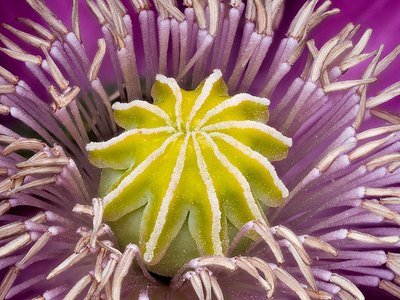 Opium poppyPapaver somniferum
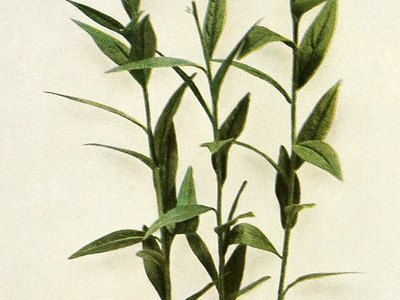 PolygalaPolygala senega
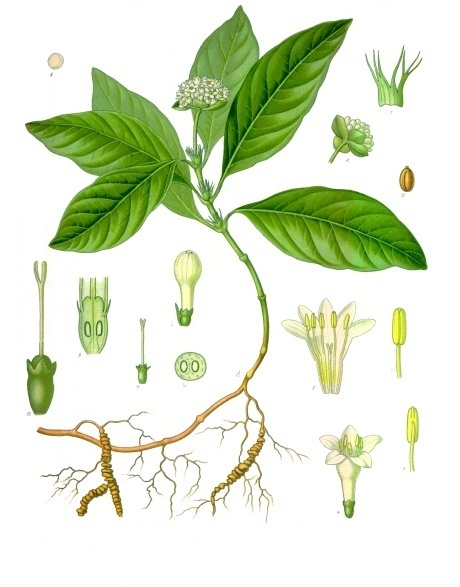 IpecacCarapichea ipecacuanha
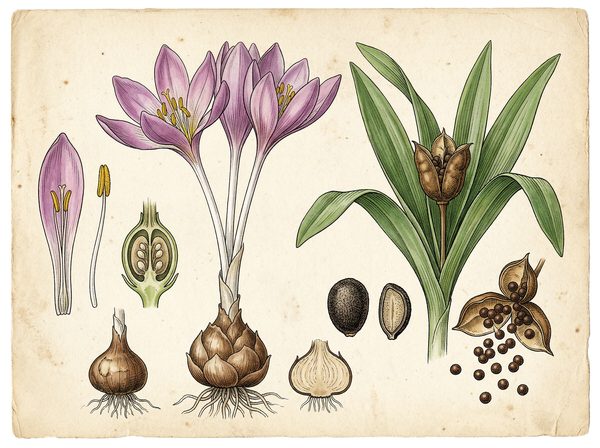 Autumn CrocusColchicum autumnale
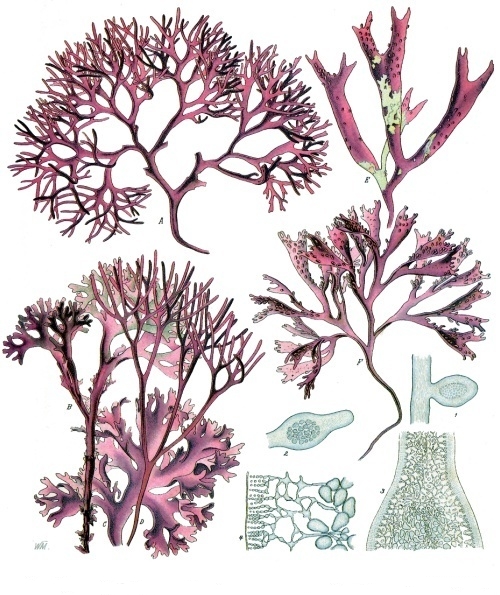 Irish MossChondrus crispus
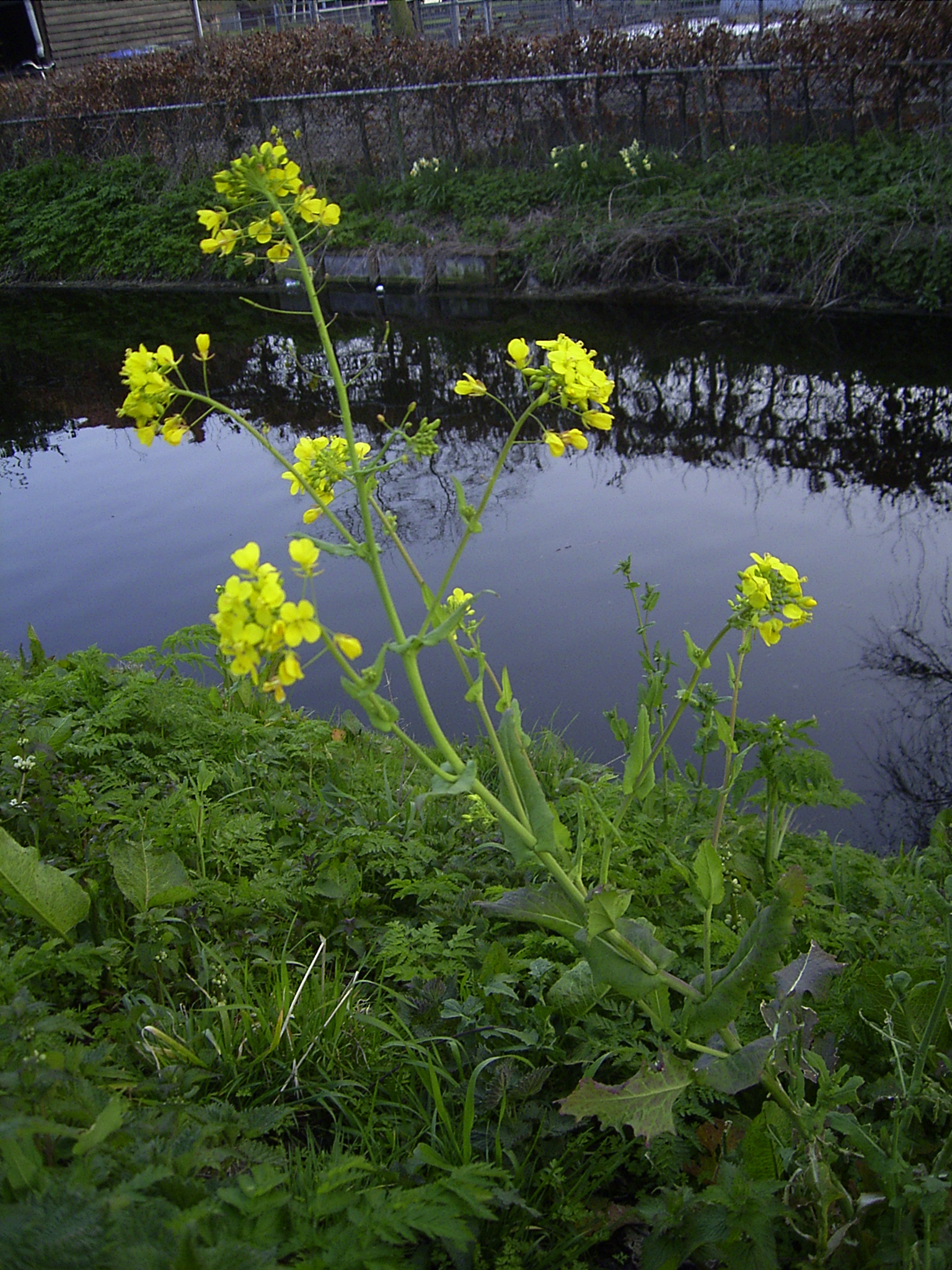 white mustardBrassica alba
Nearby on the shelf
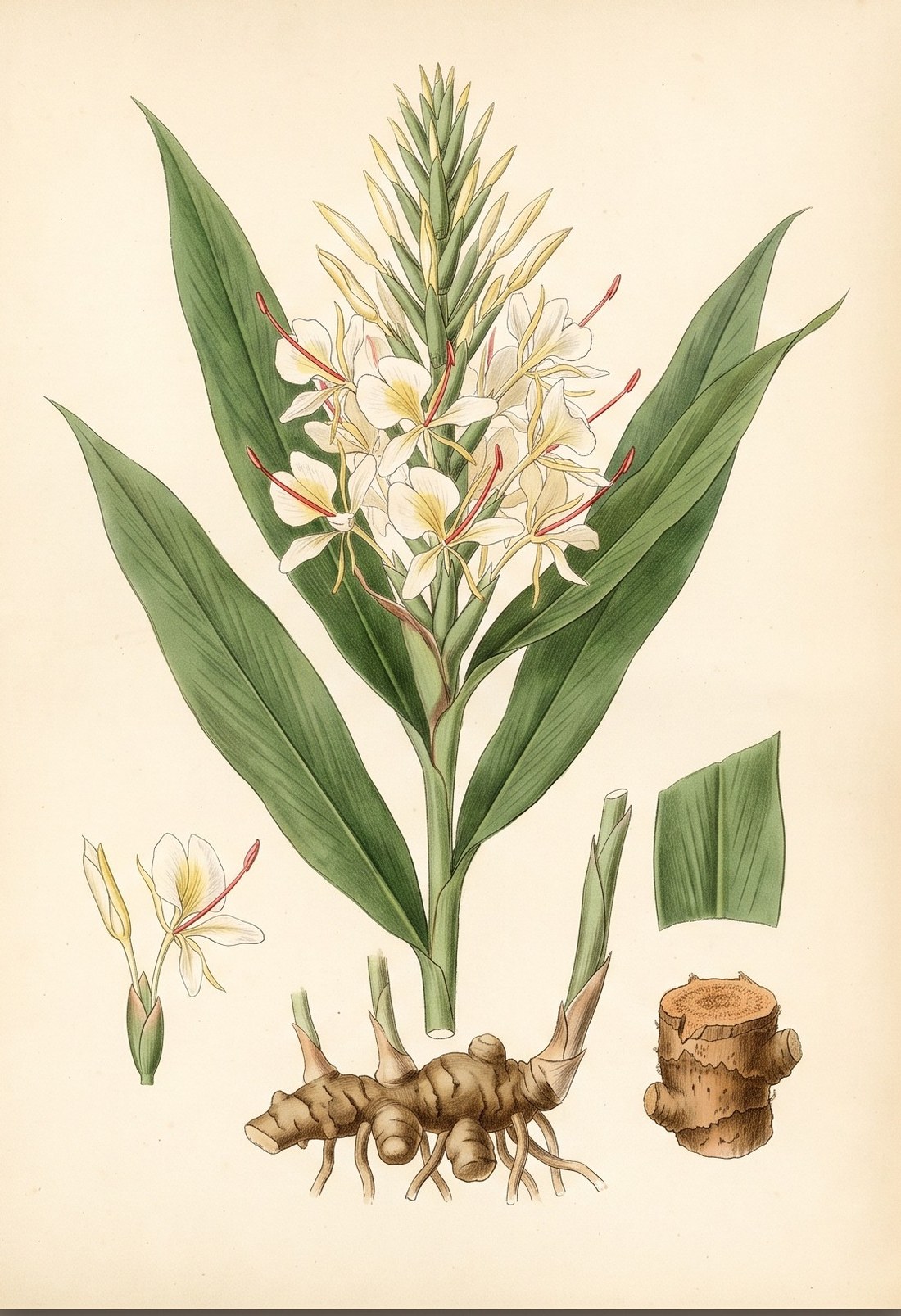 Spiked ginger lilyHedychium spicatum
 SpikenardAralia Racemosa
 SpirulinaArthrospira platensis
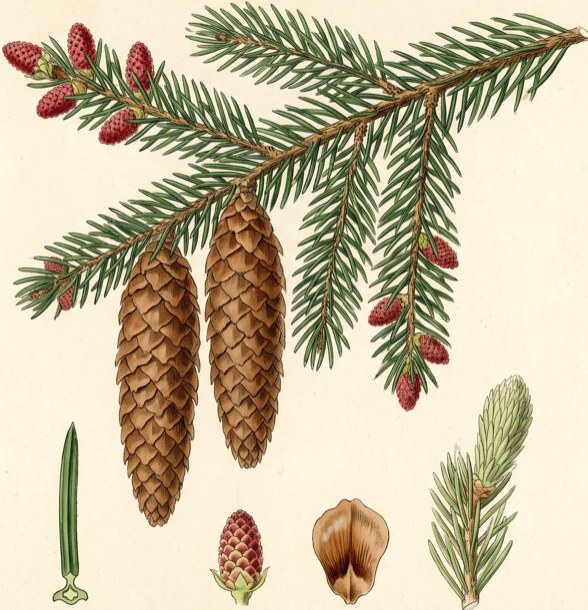 SprucePicea abies
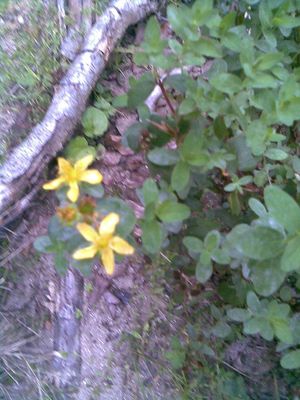 St. John's WortHypericum perforatum
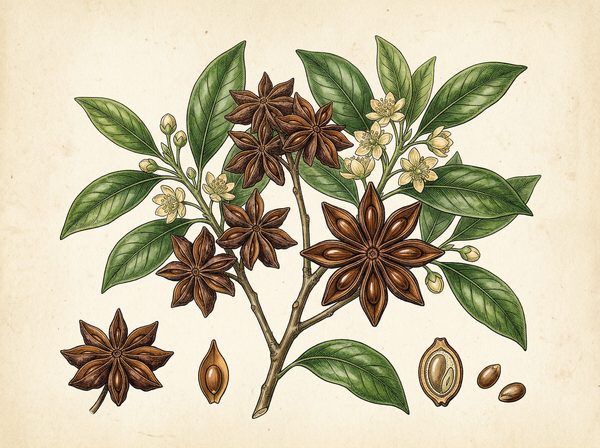 Star AniseIllicium verum
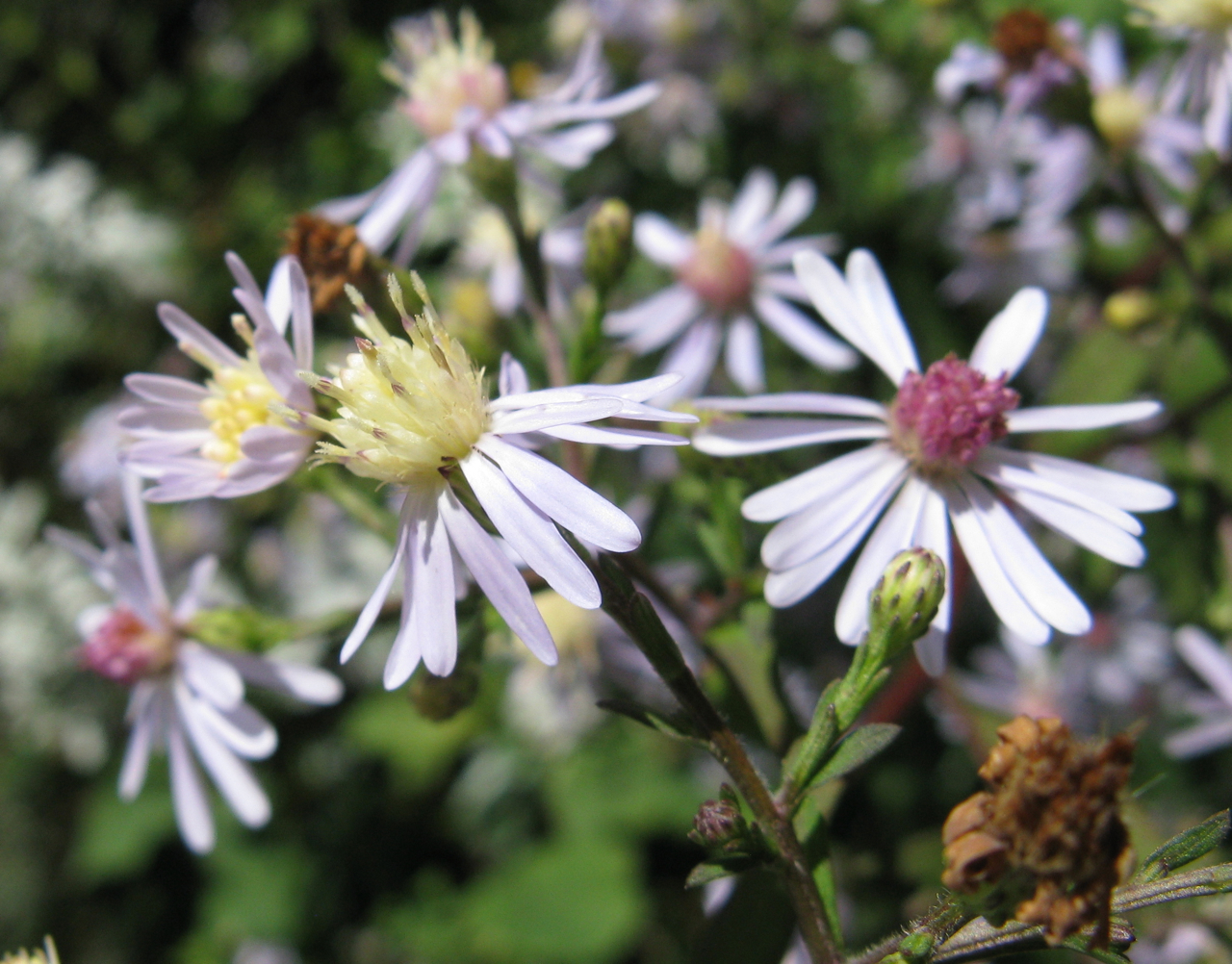 StarwortAster cordifolius
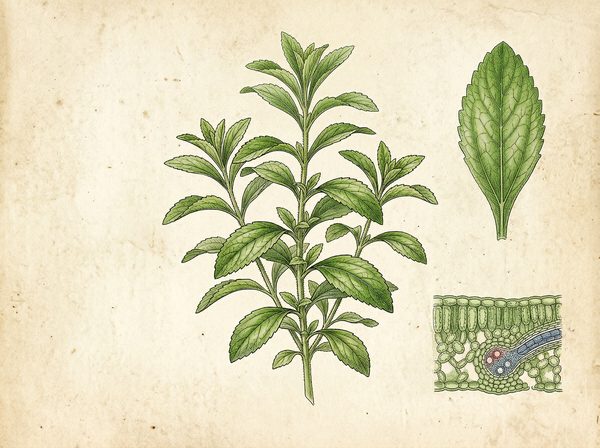 SteviaStevia rebaudiana
The whole plate is in the library. The compass, Compare, the Sky of eleven hundred plants and the formulary open with an email address and a password, free, with the formula builder and its safety engine. Herbert without limit, his formulating, clients, the handouts and the labels are the paid room.
Open the library, free