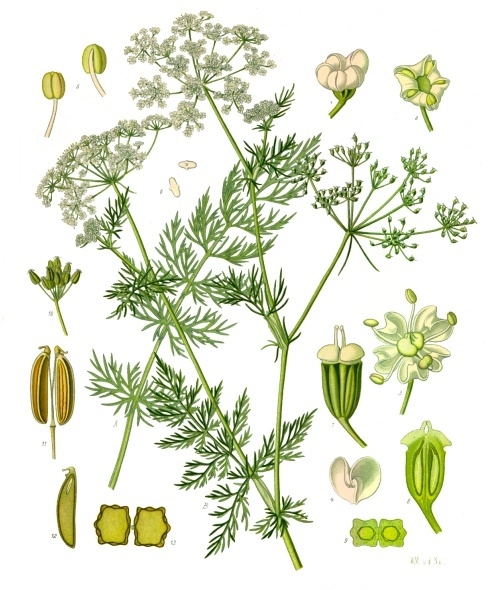
Western Herbalism
Caraway
Carum carvi
Also known as Caraway Seed, Caraway-Fruit.
The oil, or its alcoholic solution, is a pleasant aromatic adjuvant to cathartics of a griping nature. It is a good carminative in colics and flatulence, but is seldom employed alone. Dose, one to five drops. The oil may be prepared into a medicated water; or the seeds may be infused. Medical Herbalism journal and medherb.com The Physiomedical Dispensatory by William Cook, M.D., 1869

Ask Herbert about Caraway. Herbert is the master herbalist inside Bountiful Herbs: he answers from this plate and eleven hundred others, with dosing, pairing and cautions. Your first ten questions are free.
Ask HerbertActions
Indications what the tradition reached for it in
- Dyspepsia
- Mild cramps
- Gastrointestinal spasms
- Colic
- Sensation of fullness
- Bloating
- Flatulence
- Indigestion
- Abdominal distension
- Bronchitis
- Cough
- Cramps
- Digestive discomfort
- Edema
- Fluid retention
- Gas
- Infection
- Insufficient lactation
- Muscle spasms
- Respiratory congestion
- Urinary disorders
- Digestive complaints
- Respiratory complaints
- Low milk supply
Safety
The record lists 2 contraindications; open the plate in the library to read them in full.
Dosing as the sources wrote it
| Preparation | As written | Metric |
|---|---|---|
| Herbal tea | Herbal tea (fruit): 0.5-2 g in 150 ml boiling water 1-3x daily adults | 500-2000 mg |
| Essential oil oral: 0.15-0.3 ml/day divided doses adults | 0.15-0.3 mL | |
| 2% semi-solid cutaneous abdomen daily | ||
| Dose, one to five drops | 0.02-0.1 mL | |
| Dose, 10 to 60 grains. | 648-3888 mg | |
| Oleum Cari, Oil of Caraway | Dose, 1 to 5 drops. | 0.03-0.15 mL |
Doses are reproduced from the sources for practitioners and are not a recommendation for any person.
From the sources
Properties and Uses. The oil, or its alcoholic solution, is a pleasant aromatic adjuvant to cathartics of a griping nature. It is a good carminative in colics and flatulence, but is seldom employed alone. Dose, one to five drops. The oil may be prepared into a medicated water; or the seeds may be infused. Medical Herbalism journal and medherb.com The Physiomedical Dispensatory by William Cook, M.D., 1869
Description. Natural Order, Umbelliferae. A biennial. Stem two feet, narrowed, branched above. Leaves bi-pinnate, with linear segments. Umbels numerous, dense, rarely involuceled. Flowers small, pale; calyx adherent. Fruit oblong, with five equal ridges, strongly aromatic. This plant is indigenous to Europe, but is now much cultivated there and in America. The seeds are much used by cooks and confectioners, and are the medicinal part. They contain from four and a half to five percent of volatile oil, on which their properties depend. This oil is nearly colorless, when new; but age turns it pale yellow, and finally reddish brown. It is obtained by distillation, is lighter than water, and is freely dissolved by alcohol.
indications. Caraway is traditionally indicated for: Dyspepsia, Mild cramps, Gastrointestinal spasms, Colic, Sensation of fullness, Bloating, Flatulence, Indigestion, Abdominal distension, Bronchitis, Cough, Cramps, Digestive discomfort, Edema, Fluid retention, and 9 further conditions.
dose-reference. Reference preparation/dosing for Caraway: Herbal tea (fruit): 0.5-2 g in 150 ml boiling water 1-3x daily adults; Essential oil oral: 0.15-0.3 ml/day divided doses adults; 2% semi-solid cutaneous abdomen daily
Drawn from Cook's Physio-Medical Dispensatory; King's American Dispensatory, 18th edition (Felter and Lloyd); Felter's Eclectic Materia Medica, Pharmacology and Therapeutics, and the Bountiful Herbs editorial.
In formulas
Caraway stands in 13 documented formulas in the library, among them Tinctura Cardamomi Composita.
Often paired with
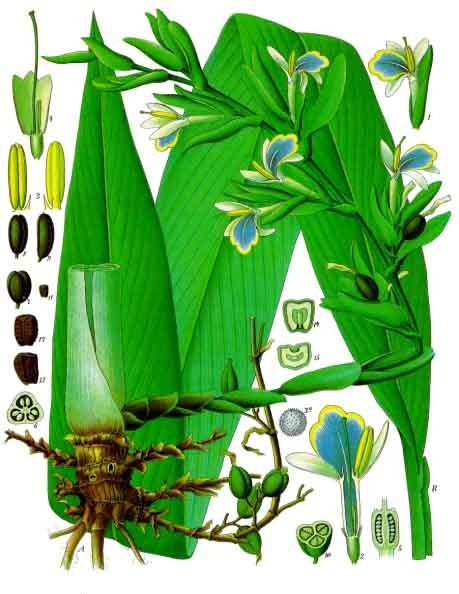 cardamomElettaria cardamomum
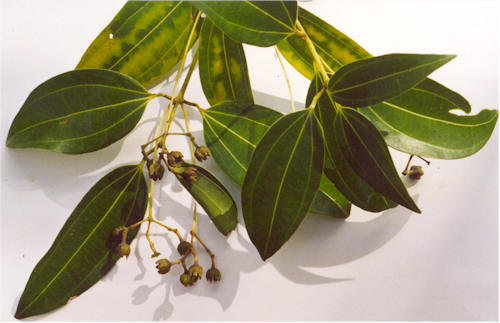 Ceylon cinnamonCinnamomum zeylanicum
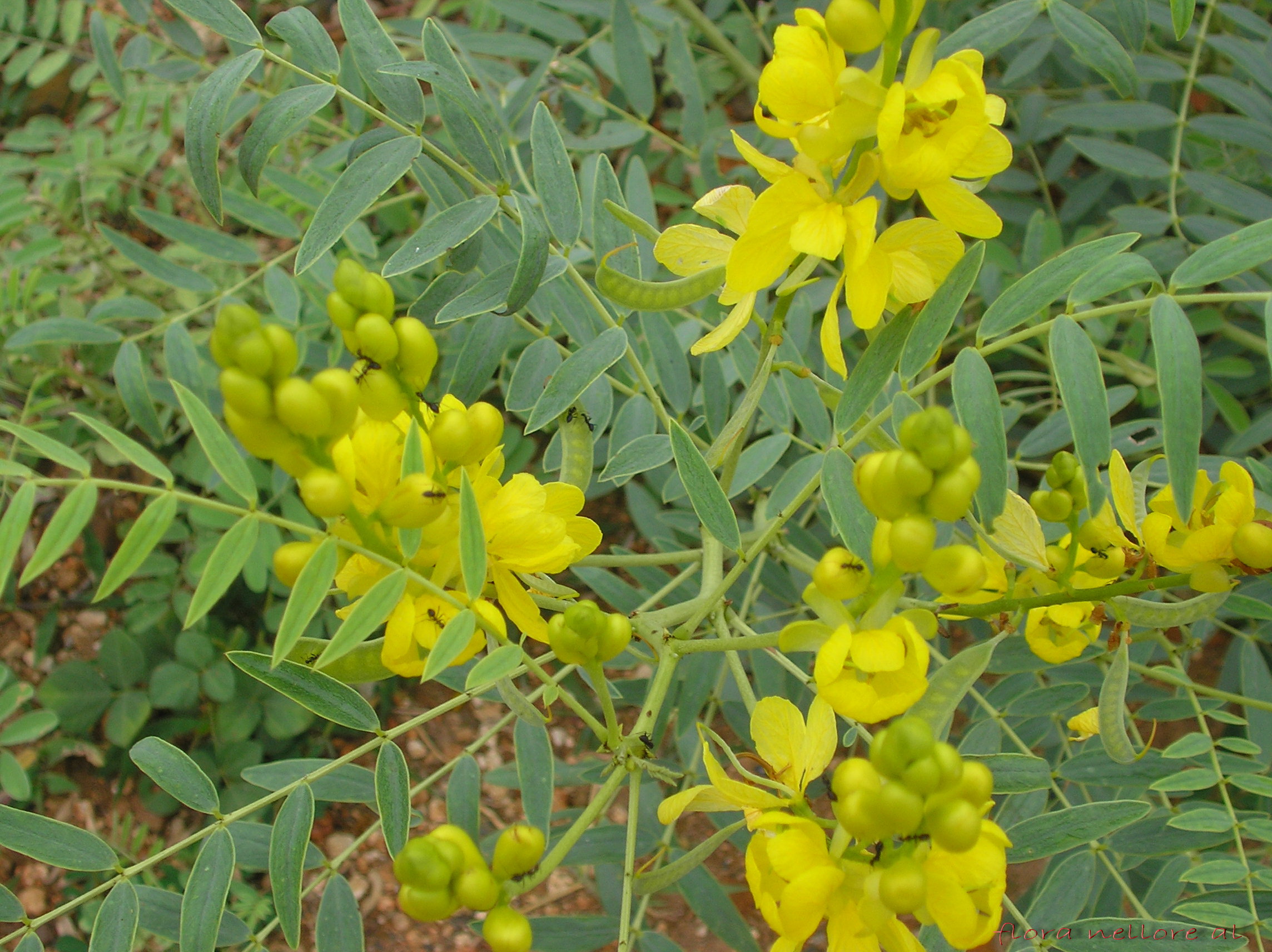 SennaSenna alexandrina
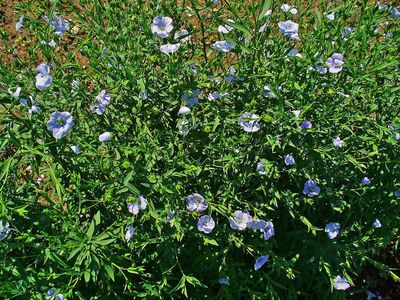 flaxLinum usitatissimum
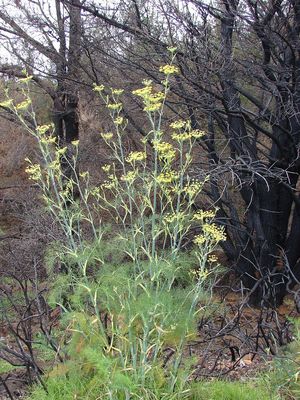 FennelFoeniculum vulgare
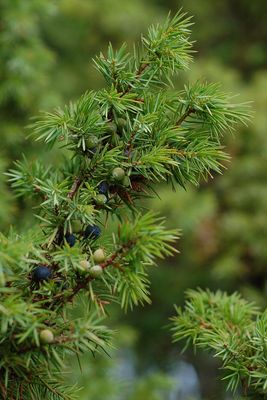 JuniperJuniperus communis
Nearby on the shelf
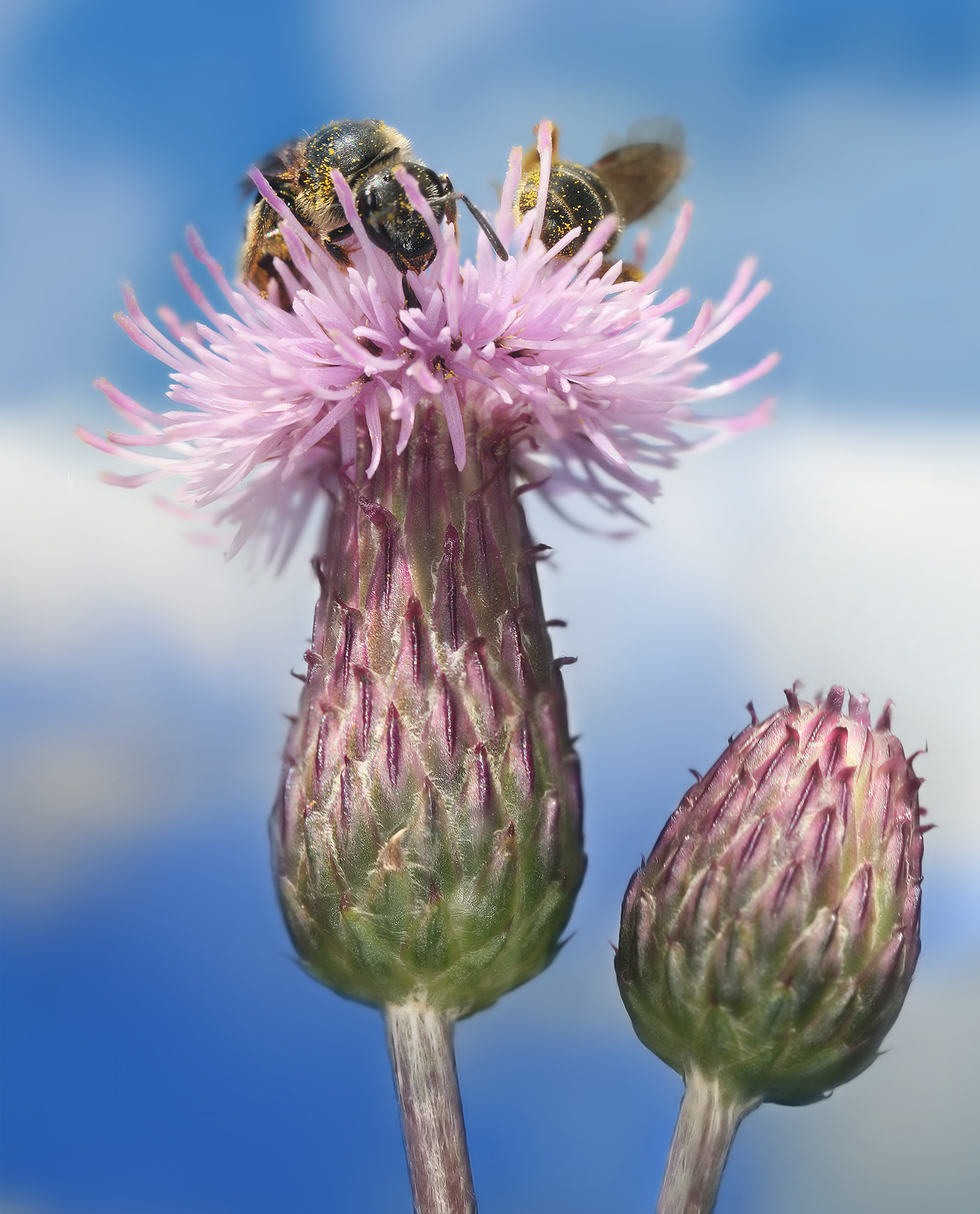 Canada thistleCirsium arvense
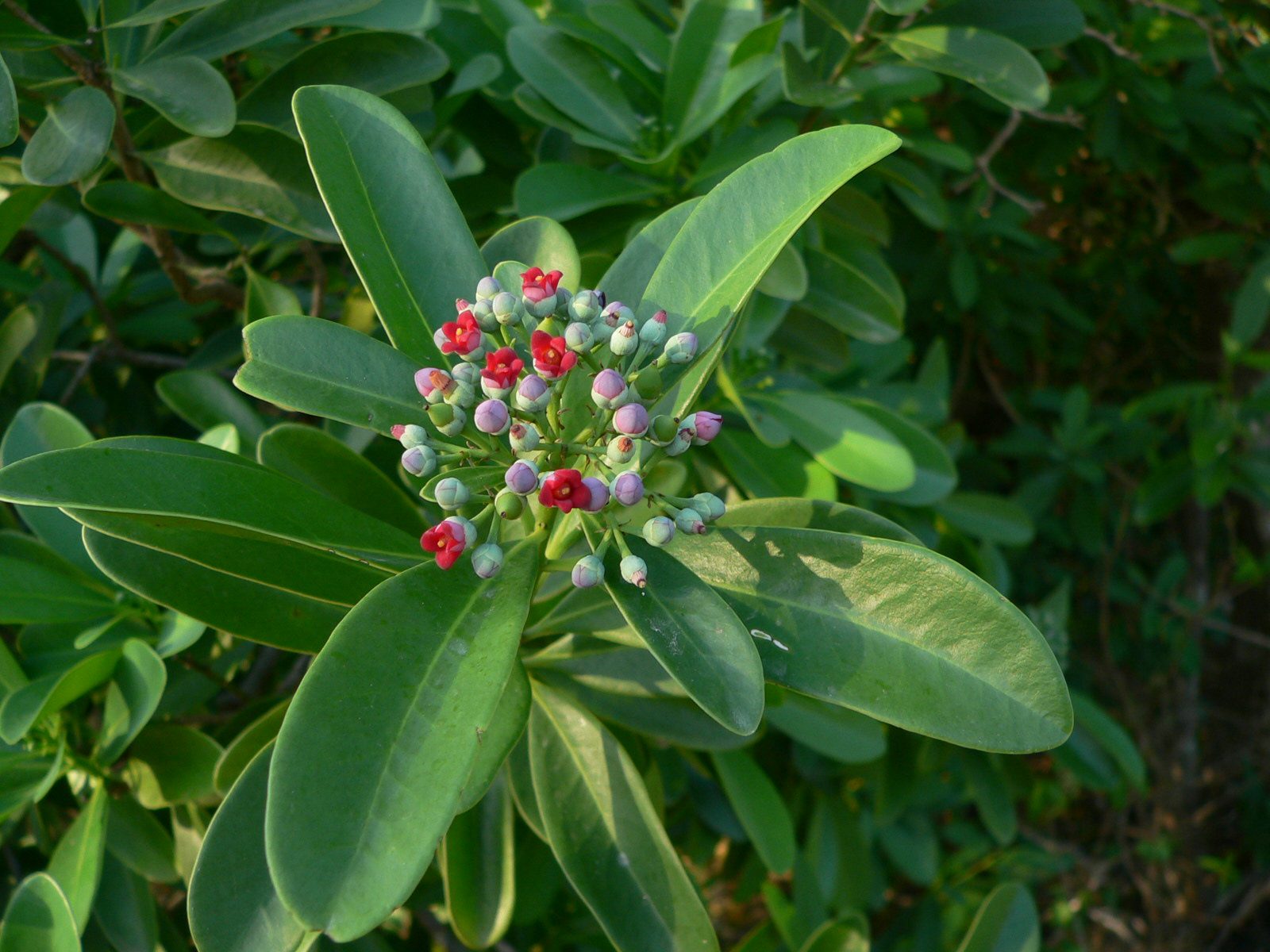 CanellaCanella alba
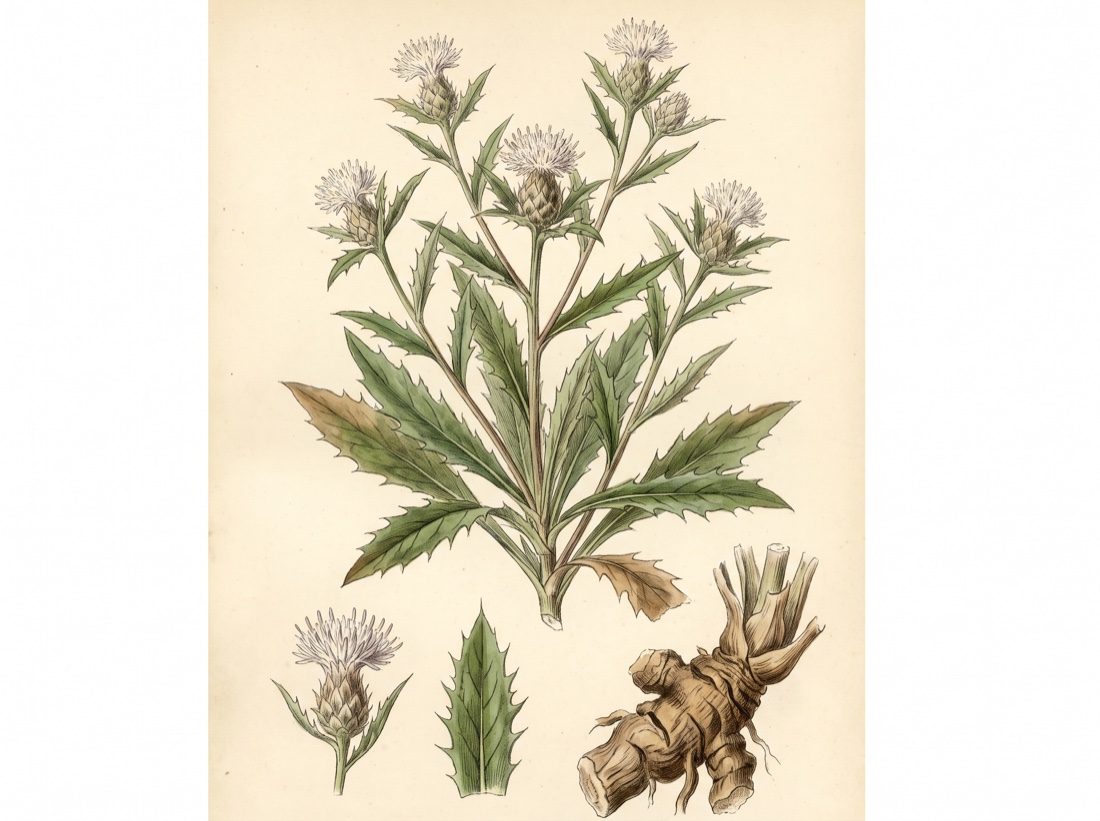 Cang zhuAtractylodes lancea
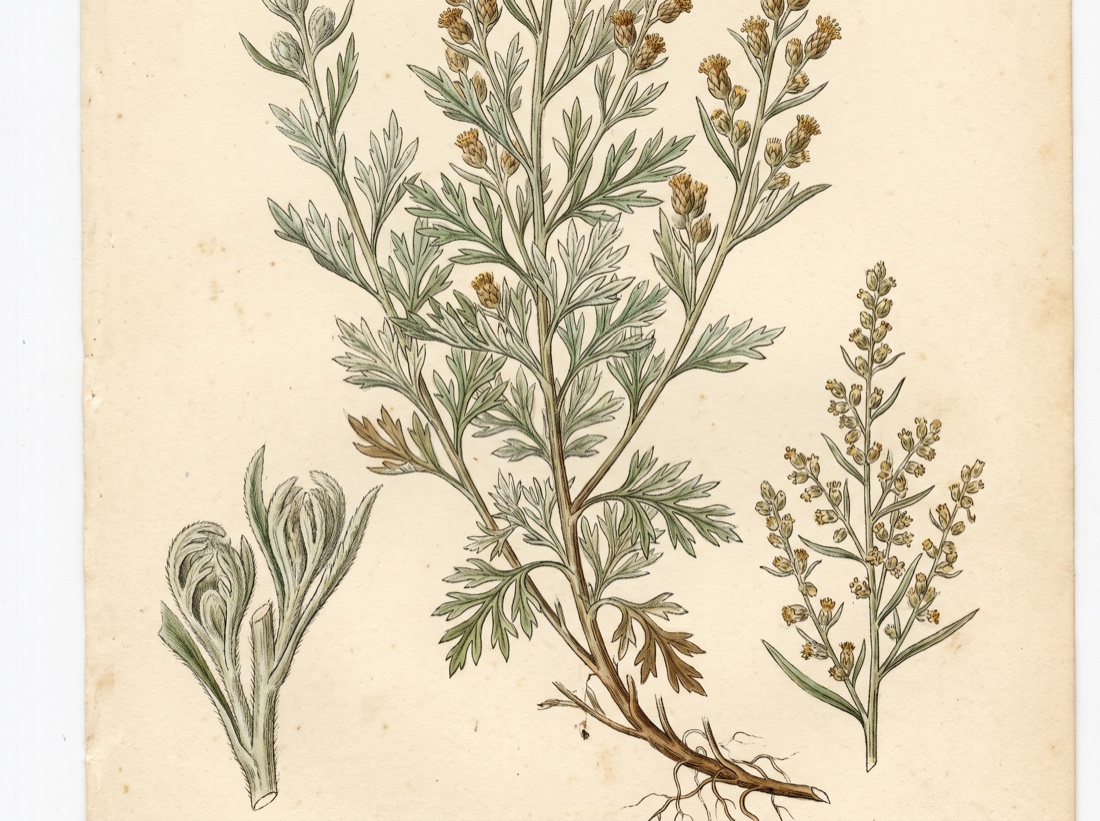 Capillary wormwoodArtemisia capillaris
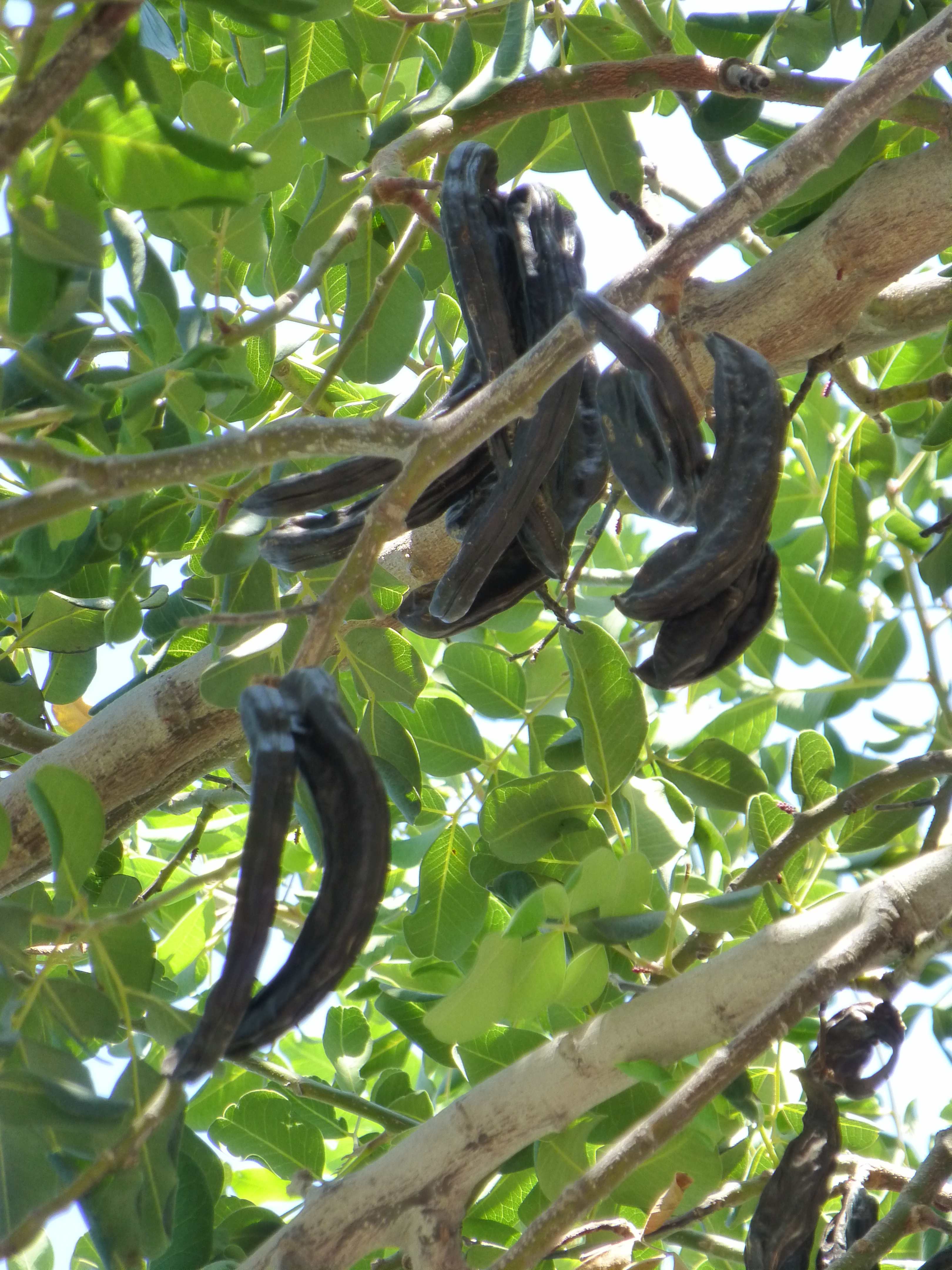 CarobCeratonia siliqua
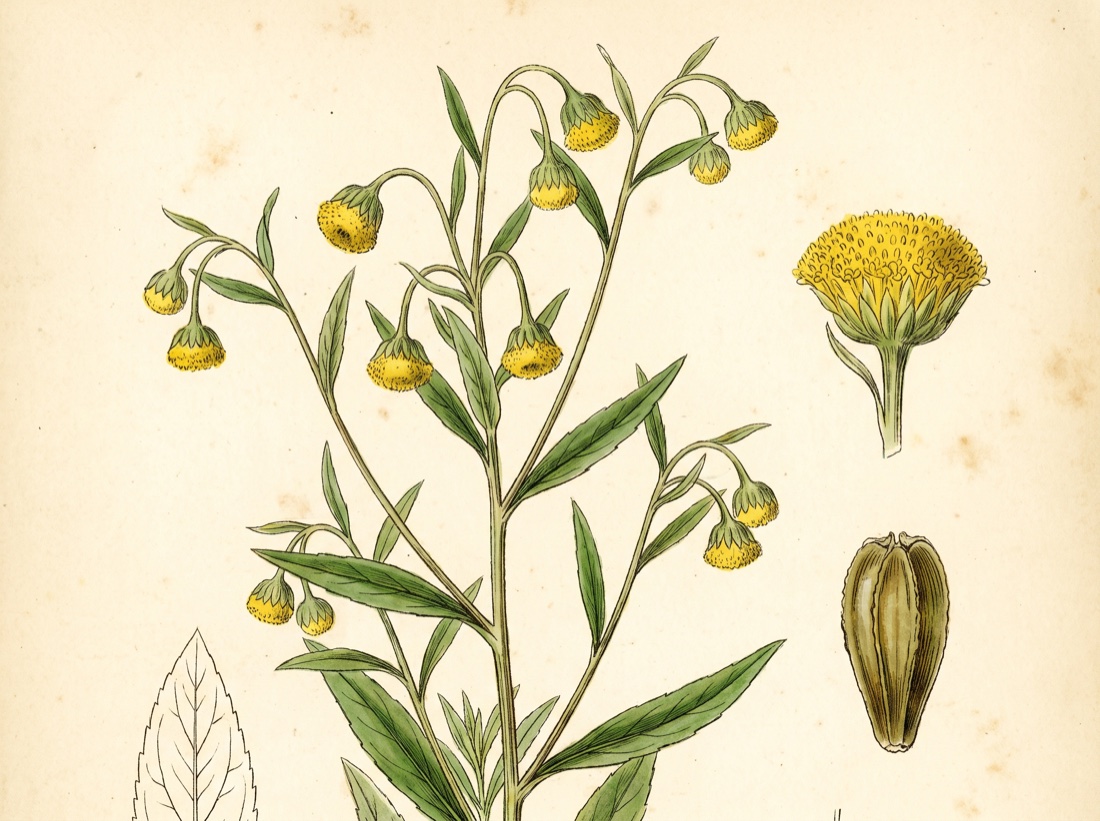 Carpesium fruitCarpesium abrotanoides
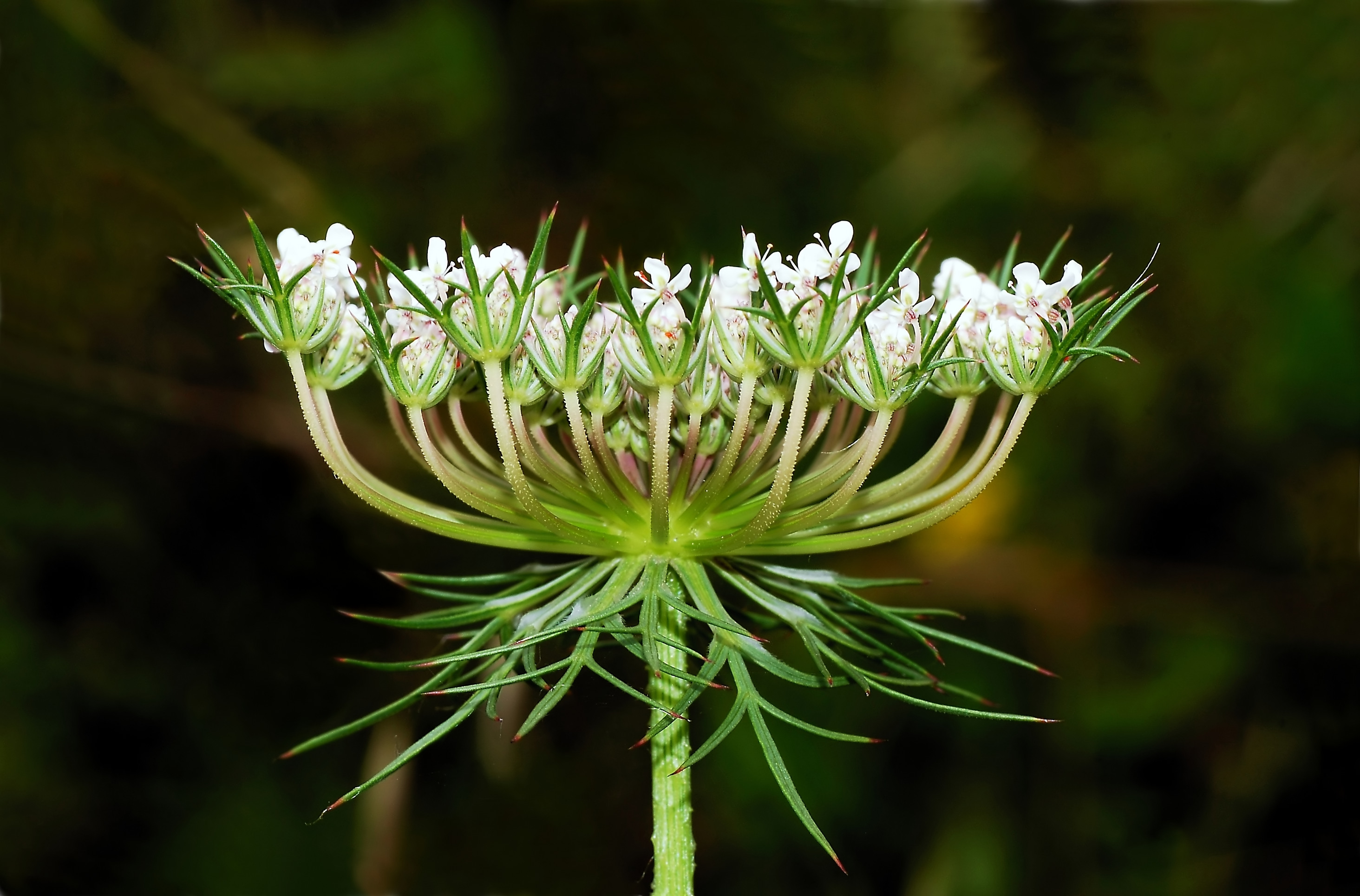 CarrotDaucus carota
The whole plate is in the library. The compass, Compare, the Sky of eleven hundred plants and the formulary open with an email address and a password, free, with the formula builder and its safety engine. Herbert without limit, his formulating, clients, the handouts and the labels are the paid room.
Open the library, free