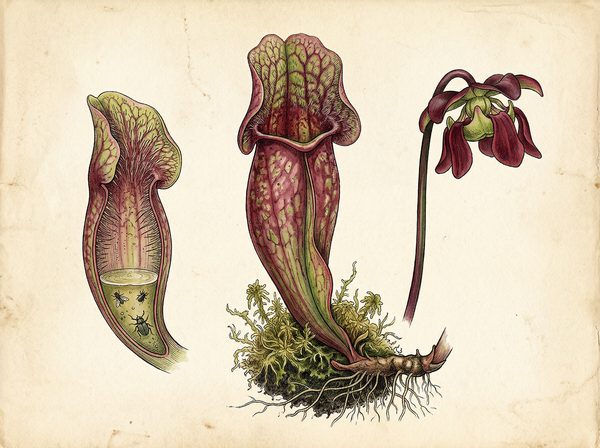
Western Herbalism
Pitcher Plant
Sarracenia purpurea
Also known as Purple Pitcher Plant, Sarracenia, Sidesaddle Plant, Fly Trap, Water Cup, Side-saddle plant, flower, Huntsman's cup.
Traditional use by Cree and other Native American groups for diabetes symptoms, smallpox, digestive issues Sarapin root extract used as injectable analgesic leaf extracts show antidiabetic cytoprotection in vitro limited clinical data no modern pharmacopoeia monograph found ]

Ask Herbert about Pitcher Plant. Herbert is the master herbalist inside Bountiful Herbs: he answers from this plate and eleven hundred others, with dosing, pairing and cautions. Your first ten questions are free.
Ask HerbertActions
Indications what the tradition reached for it in
- Slow-healing infections
- Measles
- Childbirth aid
- Kidney complaints
- Smallpox
- Small pox pustules
- Whooping cough
- Scarlet fever
- Post-childbirth sickness
- Constipation
- Zymotic fevers
- Diabetes symptoms
- Dyspepsia
- Chills
- Liver complaints
- Urinary tract disorder
- Fluid retention
- Amenorrhea
- Back pain
- Fever
- Clarke
- Debility
- Edema
- Fatigue
- Pain
- Urinary disorders
- Viral infections
- Weakness
- Cough
- Digestive complaints
Safety
Pregnancy: Not safe. Not for use in pregnancy (our record's flag)
Pregnancy, our record's flag: Caution. Use with care in pregnancy (our record's flag)
Breastfeeding: Not safe. Not for use while breastfeeding (our record's flag)
The record lists 3 contraindications; open the plate in the library to read them in full.
Dosing as the sources wrote it
| Preparation | As written |
|---|---|
| Specific fluid extract: 2-20 drops | |
| Tincture: 1 dram | |
| Specific Sarracenia | Dose, from two to twenty drops. |
| Tincture Sarracenia | Dose, one dram. |
| The best mode of employing it is not well determined; though the powder may be given in doses of from 20 to 30 grains, 3 or 4 times a day; and the infusion or syrup, from 1 to 3 fluid ounces. | |
| Scudder suggests a strong tincture of the fresh root (℥viij to alcohol, 76 per cent, Oj) in doses of 1 to 20 drops. |
Doses are reproduced from the sources for practitioners and are not a recommendation for any person.
From the sources
Clinical Notes. Traditional use by Cree and other Native American groups for diabetes symptoms, smallpox, digestive issues Sarapin root extract used as injectable analgesic leaf extracts show antidiabetic cytoprotection in vitro limited clinical data no modern pharmacopoeia monograph found ]
Therapy. As a remedy in the treatment of zymotic disease this agent has been used with good results. It is given freely during the course of scarlet fever, measles and small-pox, and it is claimed that in every case it modifies the character of these diseases, shortens their course, and prevents sequelae. It has, as yet, no established place in therapeutics.
Action, Medical Uses, and Dosage. The therapeutical actions of sarracenia are not fully ascertained. It is supposed to be a stimulating tonic, diuretic, and laxative; in connection with Osmunda regalis and blue cohosh, it will form a valuable syrup for chlorosis, uterine derangements, dyspepsia, and other gastric difficulties.
Physiological Action. The agent is laxative, stimulating the action of the intestinal glands and the liver and overcoming torpidity. It stimulates the kidneys, inducing an abundant flow of limpid urine. It is an active eliminating agent, exercising a special influence upon the glands of the skin.
Drawn from Scudder's Specific Medication and Specific Medicines; King's American Dispensatory, 18th edition (Felter and Lloyd); Ellingwood's American Materia Medica, Therapeutics and Pharmacognosy, and the Bountiful Herbs editorial.
Nearby on the shelf
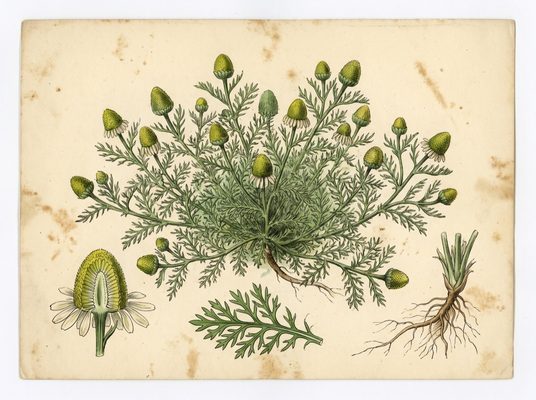 PineappleweedMatricaria discoidea
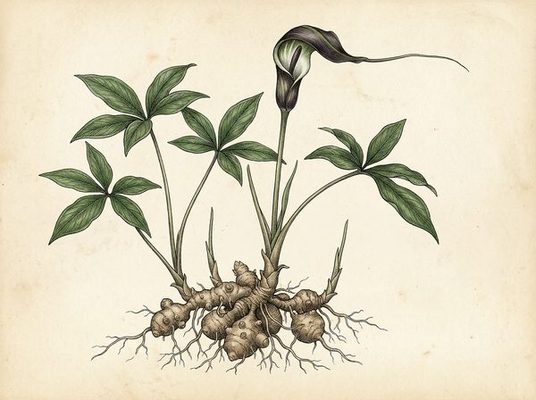 PinelliaPinellia ternata
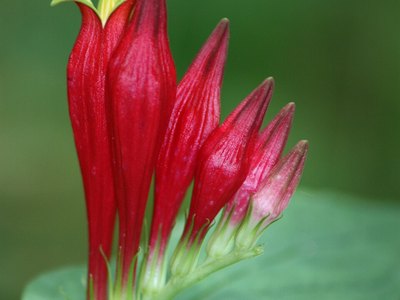 Pink rootSpigelia marilandica
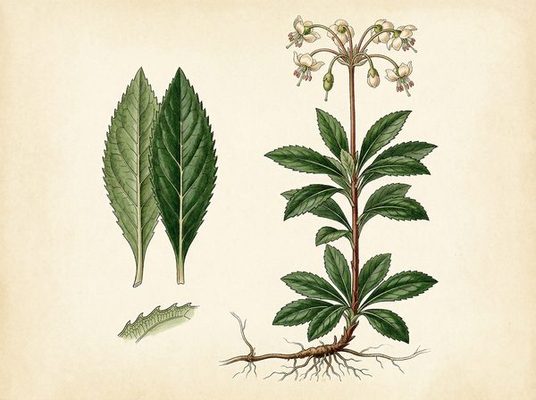 PipsissewaChimaphila umbellata
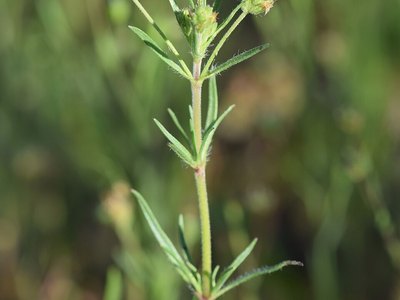 Plantago afraPlantago afra
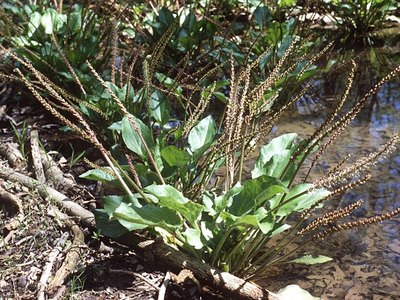 Plantago cordataPlantago cordata
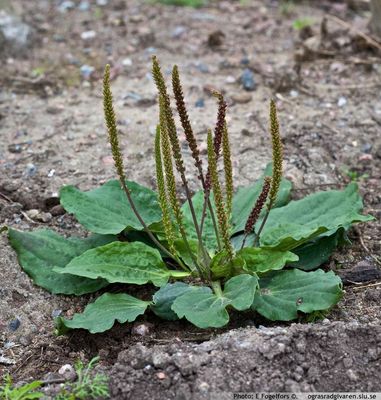 PlantainPlantago lanceolata
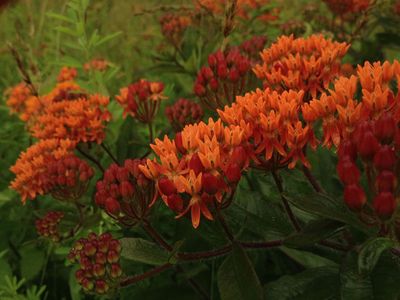 Pleurisy rootAsclepias tuberosa
The whole plate is in the library. The compass, Compare, the Sky of eleven hundred plants and the formulary open with an email address and a password, free, with the formula builder and its safety engine. Herbert in full, his formulating, clients, the handouts and the labels are the paid room.
Open the library, free