Western Herbalism
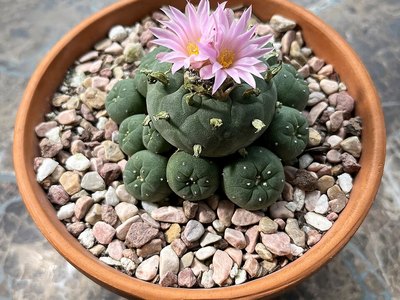
Peyote
Lophophora williamsii
Also known as Anhalonium, Anhalonium lewinii, mescal button, dry whiskey, Anhalonium lewini, Peyote This agent, one of the small cacti of Mexico.
Lophophora williamsii is a small, spineless, blue-green cactus native to the Chihuahuan Desert of northern Mexico and the lower Rio Grande valley of Texas. The exposed crown, called the button, is cut, dried, and either chewed or made into decoctions or tinctures; it is the plant part traditionally used both medicinally and ceremonially. It is sacred to several indigenous peoples of Mexico and the American Southwest and is the central sacrament of the Native American Church. Late nineteenth century eclectic physicians, working under the name Anhalonium or Anhalonium lewinii, investigated it briefly as a cardiac and nervous sedative before its psychoactive properties led to its abandonment in conventional practice and eventual legal restriction.

Ask Herbert about Peyote. Herbert is the master herbalist inside Bountiful Herbs: he answers from this plate and eleven hundred others, with dosing, pairing and cautions. Your first ten questions are free.
Ask HerbertActions
Indications what the tradition reached for it in
- Angina pectoris (historical eclectic use)
- Irregular or intermittent pulse
- Nervous exhaustion from overwork
- Insomnia related to nervous strain
- Asthma with cardiac feebleness
- Dyspnea from cardiac weakness
- Neurasthenia
- Loss of memory attributed to nervous depletion
- Ceremonial use in Native American Church religious rites
Specific indications
Feeble, irregular, intermittent pulse with anxiety and shortness of breath, historically likened to a milder aconite-then-belladonna pattern
Nervous depletion with insomnia and failing mental power in those exhausted by prolonged stress or heavy tobacco use
Safety
Recognised toxicity. This plant carries a toxicity flag in the record; it is for trained practitioners only.
Low dose botanical. Used in drop doses in the classical practice; not a plant to dose freely.
Pregnancy: Avoid entirely: no safety data exist and mescaline is a potent psychoactive alkaloid with unknown fetal effects.
Breastfeeding: Avoid entirely: mescaline is expected to pass into breast milk and infant exposure to a hallucinogenic alkaloid is unacceptable.
The record lists 6 contraindications; open the plate in the library to read them in full.
In practice
The eclectic literature describes anhalonium as acting on the heart somewhat like aconite at first, slowing and steadying a feeble or irregular pulse, then passing into a phase resembling belladonna with pupil dilation and altered perception, followed by drowsiness.
Dosing as the sources wrote it
| Preparation | As written | Metric |
|---|---|---|
| Historical tincture (eclectic use, not currently recommended) | 1-5 drops of 1:10 tincture, historical dose, not for modern prescribing | 0.02-0.1 mL |
| Ceremonial use | Variable, governed by religious and ceremonial practice, not a clinical dose |
Doses are reproduced from the sources for practitioners and are not a recommendation for any person.
From the sources
Overview. Lophophora williamsii is a small, spineless, blue-green cactus native to the Chihuahuan Desert of northern Mexico and the lower Rio Grande valley of Texas. The exposed crown, called the button, is cut, dried, and either chewed or made into decoctions or tinctures; it is the plant part traditionally used both medicinally and ceremonially.
Clinical Notes. The eclectic literature describes anhalonium as acting on the heart somewhat like aconite at first, slowing and steadying a feeble or irregular pulse, then passing into a phase resembling belladonna with pupil dilation and altered perception, followed by drowsiness.
Conservation. Wild populations of Lophophora williamsii in Texas and northern Mexico are considered vulnerable to overharvesting because the plant grows extremely slowly and takes many years to reach a harvestable size; sustainable ceremonial supply is an active conservation concern.
Synonyms. Anhalonium lewini, Peyote This agent, one of the small cacti of Mexico, has been recommended for certain special conditions as an important heart remedy. It seems to act directly upon the nerve centers in a manner much like aconite, reducing the force and frequency of the pulse.
Drawn from Ellingwood's American Materia Medica, Therapeutics and Pharmacognosy, and the Bountiful Herbs editorial.
Nearby on the shelf
 PeppermintMentha piperita
 PepperwortDentaria diphylla
 PerillaPerilla frutescens
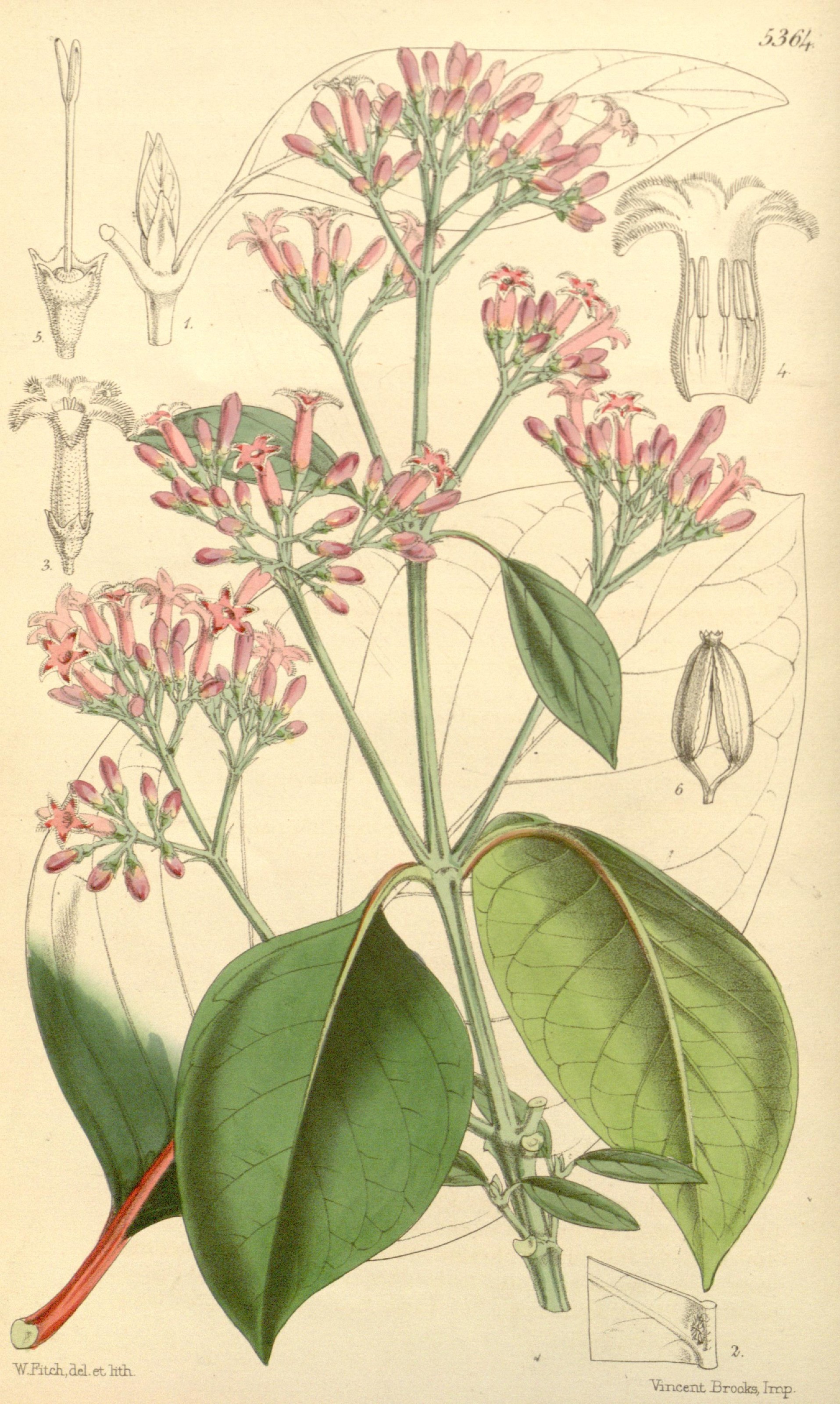 Peruvian BarkCinchona officinalis
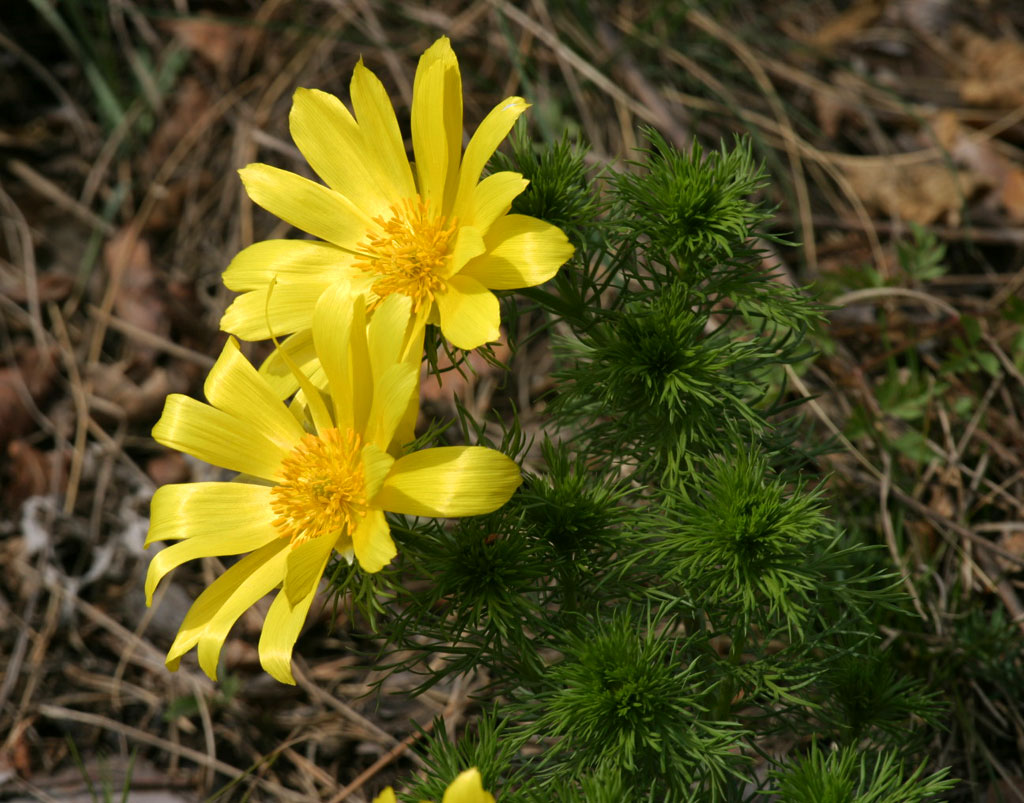 Pheasants eyeAdonis vernalis
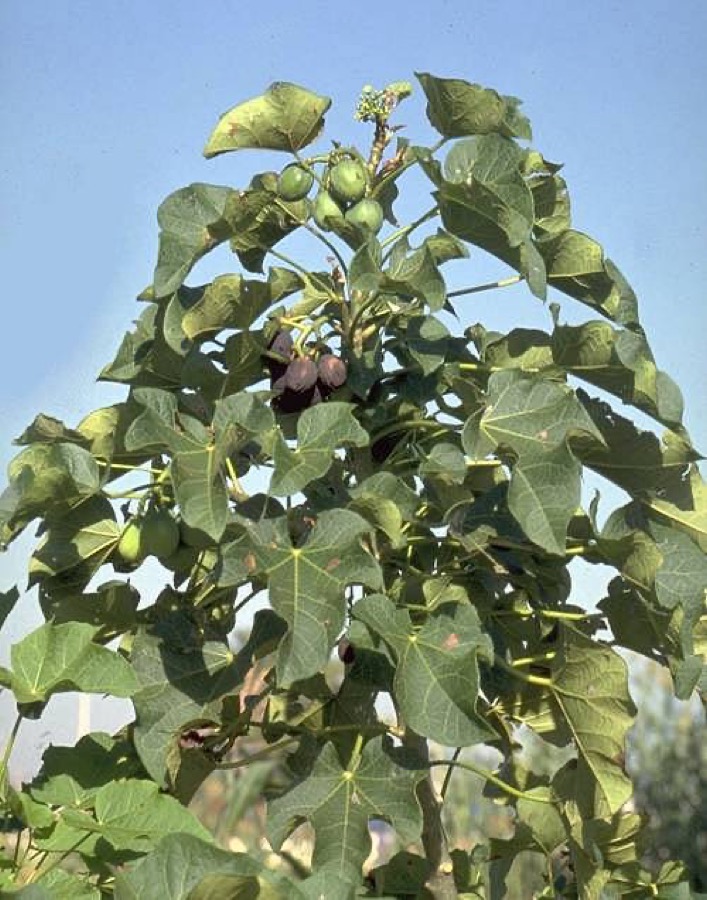 Physic NutCurcas Purgans
 PhysostigmaPhysostigma venenosum
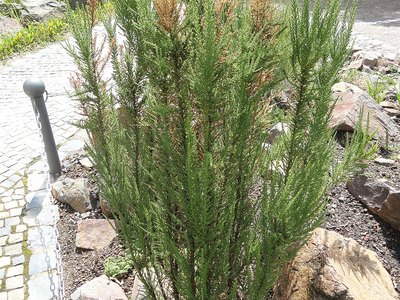 PichiFabiana imbricata
The whole plate is in the library. The compass, Compare, the Sky of eleven hundred plants and the formulary open with an email address and a password, free, with the formula builder and its safety engine. Herbert without limit, his formulating, clients, the handouts and the labels are the paid room.
Open the library, free