Western Herbalism
Peony
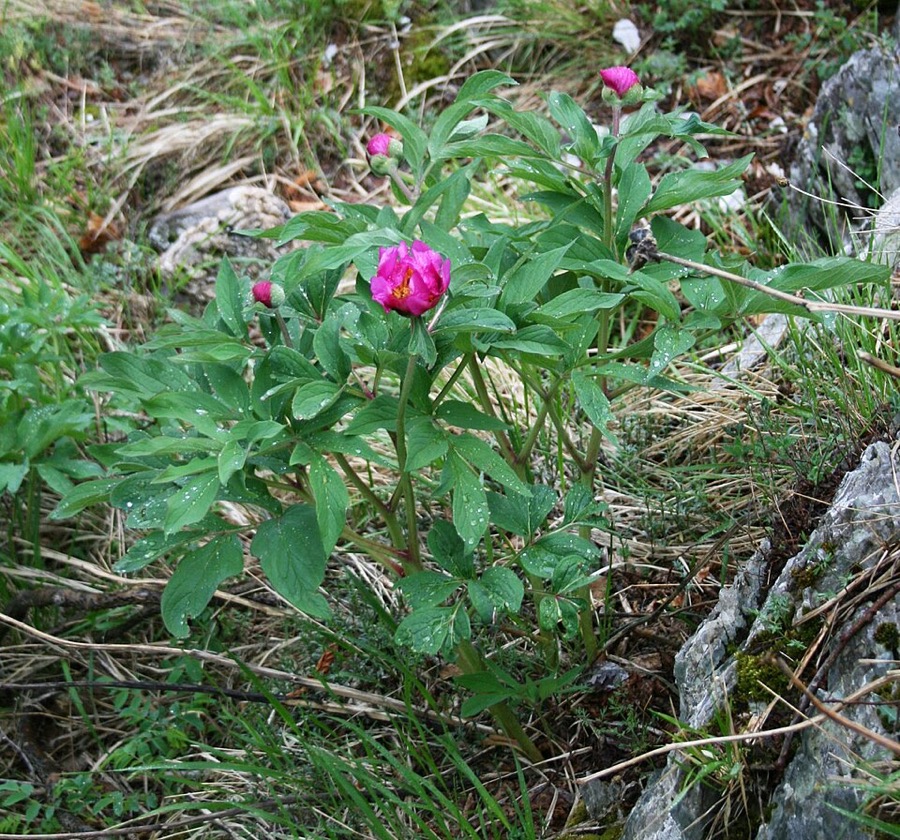
Peonia officinalis
Also known as Piney, Common peony, European peony, Garden peony.
Peony is a herbaceous perennial of the family Paeoniaceae, native to southern and central Europe and long cultivated as a garden ornamental. The dried root, and historically the seeds, were used by nineteenth century American eclectic physicians as a gentle antispasmodic and nervine tonic. It is a different species from the Chinese white and red peonies used in traditional Chinese medicine, though all peonies share a related family of monoterpene glycosides in their roots.

Ask Herbert about Peony. Herbert is the master herbalist inside Bountiful Herbs: he answers from this plate and eleven hundred others, with dosing, pairing and cautions. Your first ten questions are free.
Ask HerbertActions
Indications what the tradition reached for it in
- Chorea
- Epilepsy (adjunctive, historical use)
- Convulsions of childhood
- Whooping cough and other spasmodic coughs
- Nervous irritability and reflex irritability
- Night terrors and nightmares in the elderly
- General nervous debility
- Tremor associated with nervous exhaustion
- Nervous tics
Specific indications
Irregular, jerking muscular movements such as chorea, especially in a debilitated or nervous constitution
Night terrors and nightmares in elderly, debilitated patients, particularly when accompanied by dropsy or general nervous exhaustion
Safety
Low dose botanical. Used in drop doses in the classical practice; not a plant to dose freely.
Pregnancy: Avoid in pregnancy given the traditional reputation as an emmenagogue and the absence of modern reproductive safety data.
Breastfeeding: Avoid or use only under professional guidance in lactation due to lack of safety data.
The record lists 4 contraindications; open the plate in the library to read them in full.
In practice
The eclectic physicians valued peony root as a mild but reliable nervine for conditions marked by irregular, involuntary muscular movement. It was reached for in chorea and in the convulsive disorders of children, generally as a supportive agent alongside more strongly indicated remedies rather than as a stand alone cure.
Dosing as the sources wrote it
| Preparation | As written | Metric |
|---|---|---|
| Tincture (1:5, 45%) | 0.5-2 mL three times daily | 0.5-2 mL |
| Powdered root | 0.5-1 g twice daily | 500-1000 mg |
| Decoction of dried root | 2-4 g dried root daily | 2000-4000 mg |
| The tincture | Dose, from one to thirty minims. | 0.06-1.85 mL |
| The juice has been expressed from the recent root, and has been administered in doses of from one to two drams. | 3888-7776 mg | |
| Dose, 2 or 3 fluid ounces, 3 or 4 times a day. | 88.72-88.72 mL |
Doses are reproduced from the sources for practitioners and are not a recommendation for any person.
From the sources
Overview. Peony is a herbaceous perennial of the family Paeoniaceae, native to southern and central Europe and long cultivated as a garden ornamental. The dried root, and historically the seeds, were used by nineteenth century American eclectic physicians as a gentle antispasmodic and nervine tonic. It is a different species from the Chinese white and red peonies used in traditional Chinese medicine, though all peonies share a related family of monoterpene glycosides in their roots.
Clinical Notes. The eclectic physicians valued peony root as a mild but reliable nervine for conditions marked by irregular, involuntary muscular movement. It was reached for in chorea and in the convulsive disorders of children, generally as a supportive agent alongside more strongly indicated remedies rather than as a stand alone cure.
Therapy. The agent is an antispasmodic. Through a mild but persistent tonic influence, it is soothing to the nervous system of debilitated patient and of the aged. It is curative wherever there is irregular muscular action.
Properties and Uses. The root of this plant is possessed of mildly relaxing properties of the antispasmodic order. An infusion made of an ounce of the roots to a pint of warm water may be given freely in the spasms and colics of children, and will frequently remove flatus. Formerly a fabulous reputation was connected with it for the treatment of epilepsy, chorea, and other convulsions; but its powers are too mild to be of any service in such cases. Medical Herbalism journal and medherb.com The Physiomedical Dispensatory by William Cook, M.D., 1869
Drawn from Cook's Physio-Medical Dispensatory; Scudder's Specific Medication and Specific Medicines; King's American Dispensatory, 18th edition (Felter and Lloyd); Ellingwood's American Materia Medica, Therapeutics and Pharmacognosy, and the Bountiful Herbs editorial.
In formulas
Peony stands in 195 documented formulas in the library, among them liù jùn zi táng, jià jiǎn fù mài tàng, wù tóu gui zhi tāng, ging bí tāng, shí shén tàng, jin fei cáo sǎn.
Often paired with
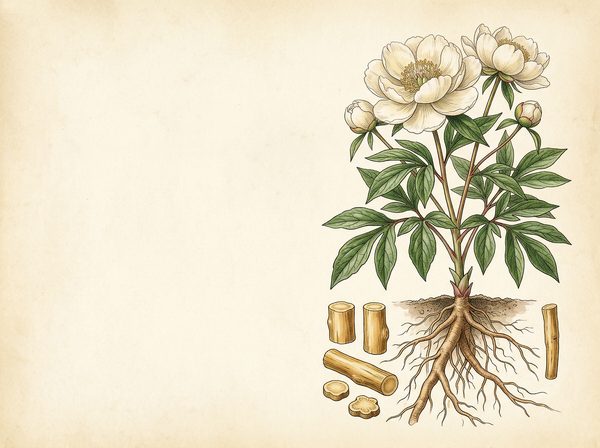 White PeonyPaeonia lactiflora
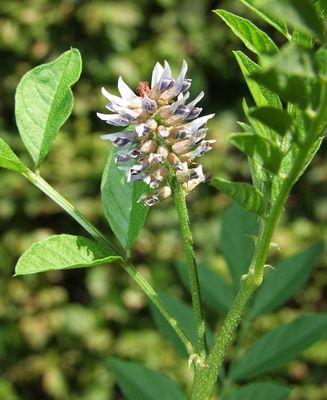 Licorice rootGlycyrrhiza glabra
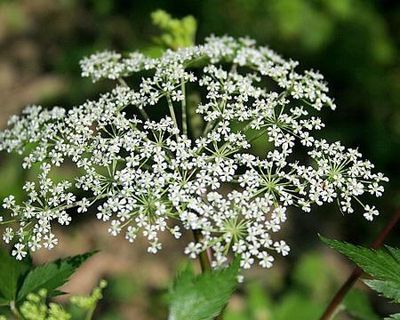 Dong QuaiAngelica sinensis
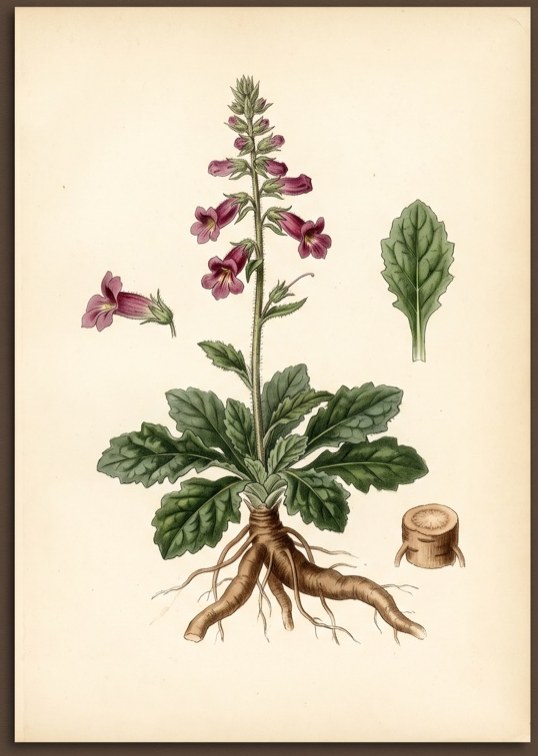 RehmanniaRehmannia glutinosa
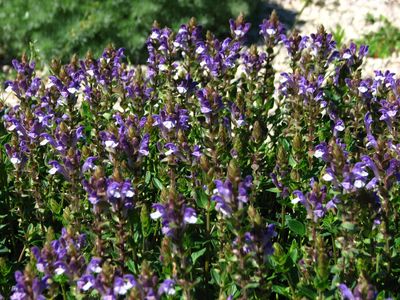 Chinese skullcapScutellaria baicalensis
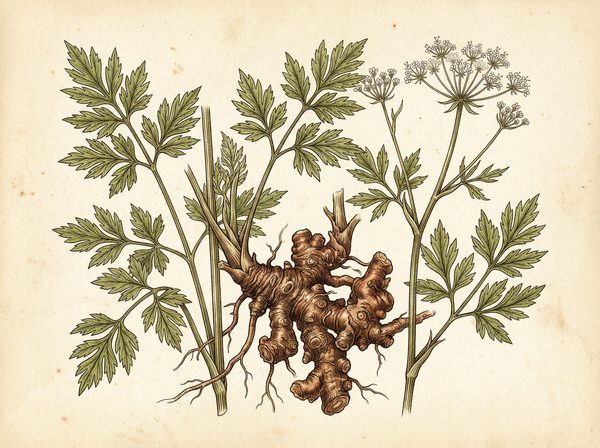 Sichuan Lovage RhizomeLigusticum chuanxiong
Nearby on the shelf
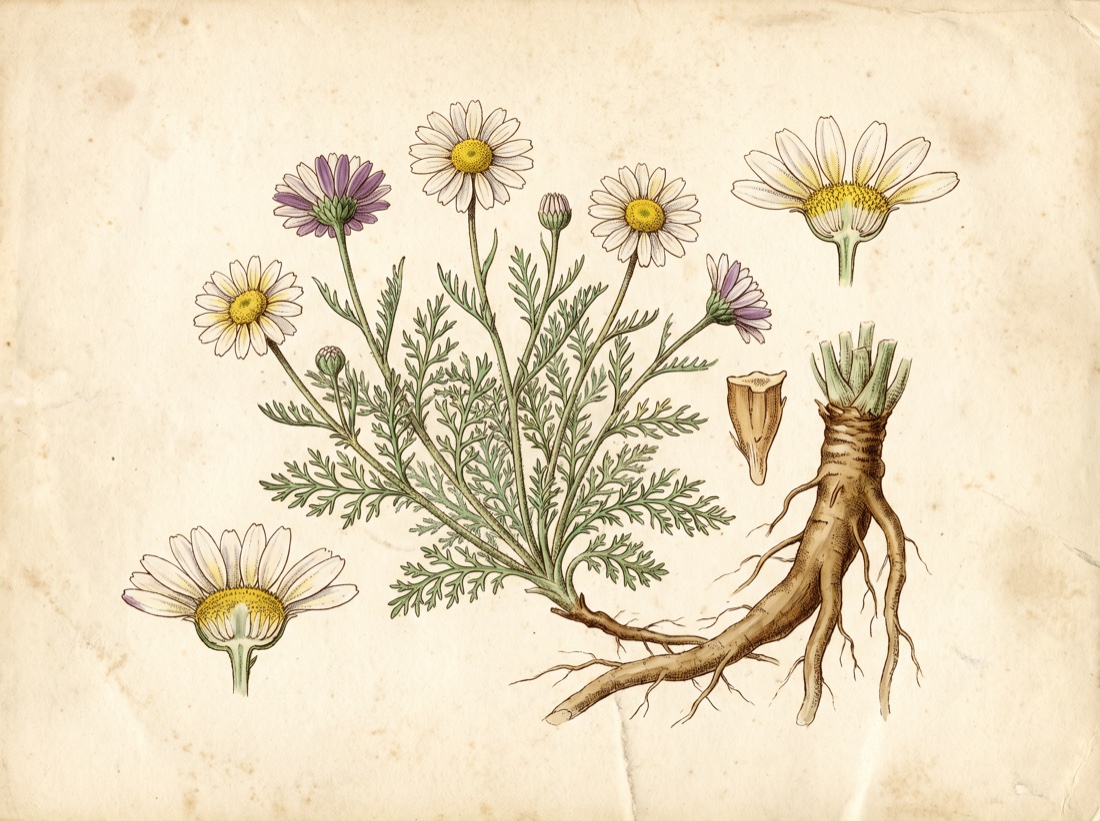 Pellitory of SpainAnthemis pyrethrum
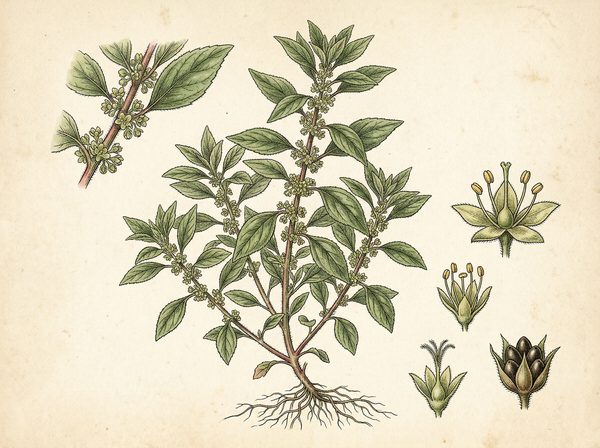 Pellitory-of-the-WallParietaria officinalis
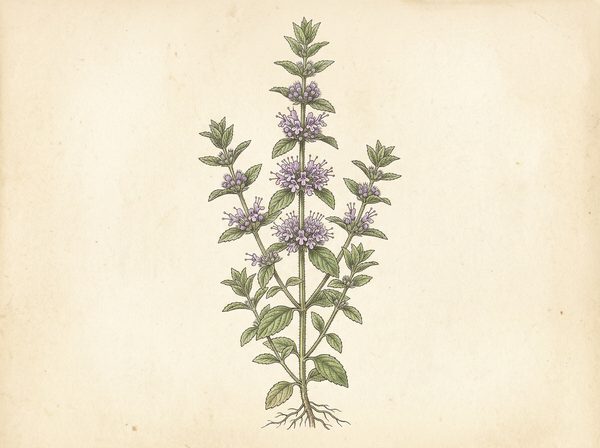 PennyroyalMentha pulegium
 PenthorumPenthorum sedoides
 PeppermintMentha piperita
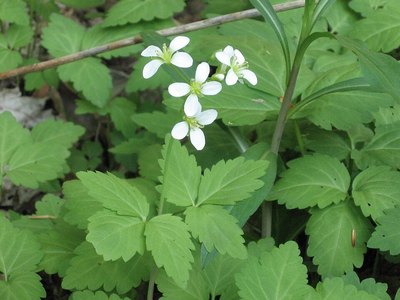 PepperwortDentaria diphylla
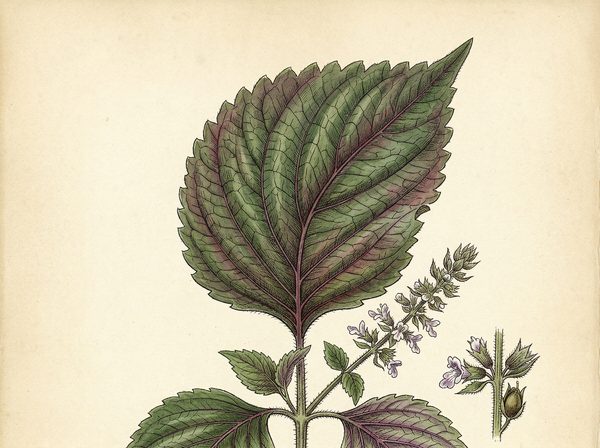 PerillaPerilla frutescens
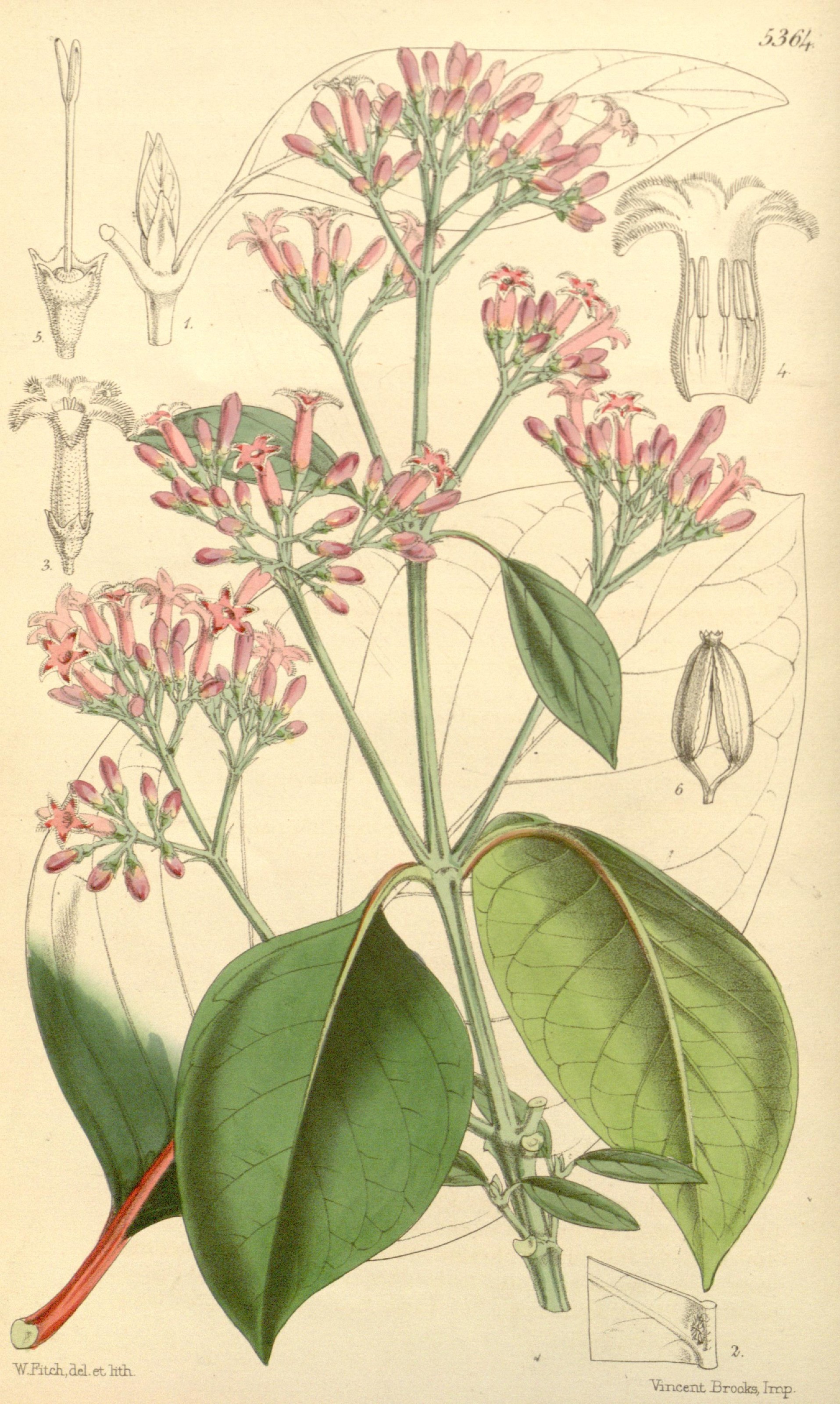 Peruvian BarkCinchona officinalis
The whole plate is in the library. The compass, Compare, the Sky of eleven hundred plants and the formulary open with an email address and a password, free, with the formula builder and its safety engine. Herbert without limit, his formulating, clients, the handouts and the labels are the paid room.
Open the library, free