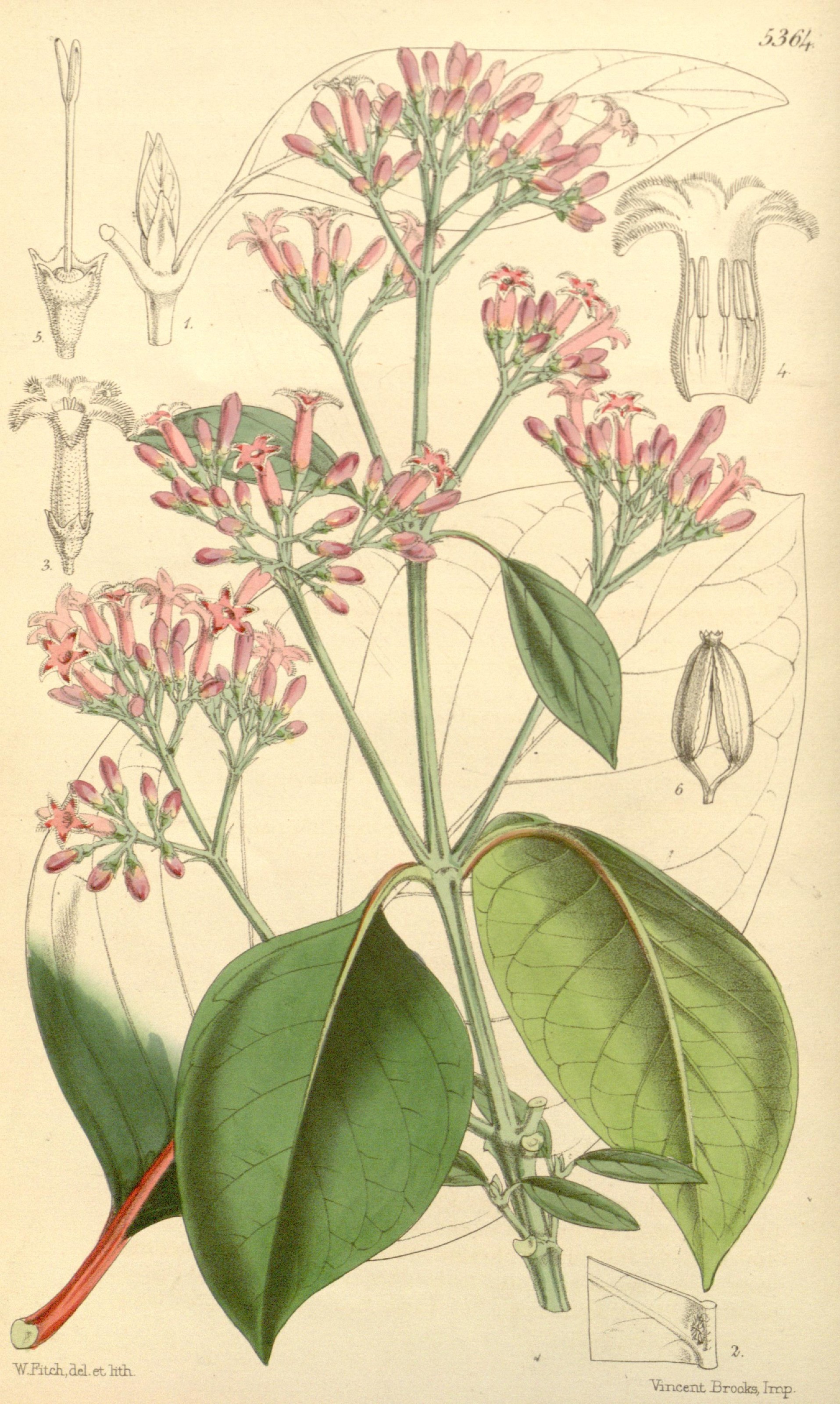
Western Herbalism
Peruvian Bark
Cinchona officinalis
Also known as Jesuit's Bark, Red Cinchona, Yellow Cinchona, (1) Yellow Peruvian Bark, (2) Red Cinchona Bark, Cinchona preparations.
External. Antiseptic and astringent. A poultice of the bark has been successfully used upon fetid and gangrenous ulcers, and where such an application has been thought necessary upon suppurating and sloughing felons.

Ask Herbert about Peruvian Bark. Herbert is the master herbalist inside Bountiful Herbs: he answers from this plate and eleven hundred others, with dosing, pairing and cautions. Your first ten questions are free.
Ask HerbertActions
Safety
Pregnancy: Not for use in pregnancy
Breastfeeding: Not for use while breastfeeding
The record lists 2 contraindications; open the plate in the library to read them in full.
Dosing as the sources wrote it
| Preparation | As written | Metric |
|---|---|---|
| Dried bark | Dried bark: 1/2 to 3/4 tsp./ cup; steep 10 minutes; 1 cup 15 min. TID ac [1tsp.=1.7 g] | |
| Fluid extract | Fluid extract: 0.6-3 gm/day of extract containing 4%-5% total alkaloids | 600-3000 mg |
| Extractum Cinchonae, Extract of Cinchona | Dose, one to five grains. | 64.8-324 mg |
| Extractum Cinchonae Fluidum, Fluid Extract of Cinchona | Dose, ten to sixty minims. | 0.62-3.7 mL |
| Specific Medicine Cinchona | Dose, one to thirty minims. | 0.06-1.85 mL |
| Quinine Sulphate | Dose, one to twenty grains. | 64.8-1296 mg |
Doses are reproduced from the sources for practitioners and are not a recommendation for any person.
From the sources
Action and Therapy. External. Antiseptic and astringent. A poultice of the bark has been successfully used upon fetid and gangrenous ulcers, and where such an application has been thought necessary upon suppurating and sloughing felons.
Therapy. In the administration of quinine as an antiperiodic, the beneficial influences are not altogether in proportion to the size of the dose. Enormous doses may abort a chill if given during its course, or during the course of the fever.
Action, Medical Uses, and Dosage. These pills are tonic and antiperiodic, and may be employed in intermittent and remittent fevers, and in all diseases attended with symptoms of periodicity. The addition of the tartaric acid renders the quinine more readily soluble in the juices of the stomach. The dose is 1 pill every 1, 2, or 3 hours, according to the severity or urgency of the symptoms. A compound quinine pill is occasionally employed, which is composed as follows: Take of sulphate of quinine, hydrochlorate of berberine, each, 1 drachm; resin of podophyllum, 10 grains; extract of nux vomica, 8 grains. Mix, and divide into 60 pills (J. King).
Action, Medical Uses, and Dosage. (For the uses of these pills, see Quininae Sulphas.) Each pill contains 1 grain of sulphate of quinine, and 12 are equivalent to 1 ounce of good Peruvian bark. The above pill mass may be made into 2 or 5-grain pills if desired, which will not be found inconveniently large.
Drawn from King's American Dispensatory, 18th edition (Felter and Lloyd); Ellingwood's American Materia Medica, Therapeutics and Pharmacognosy; Felter's Eclectic Materia Medica, Pharmacology and Therapeutics, and the Bountiful Herbs editorial.
In formulas
Peruvian Bark stands in 8 documented formulas in the library, among them Tinctura Cinchonae Composita , Compound Tincture of Cinchona.
Often paired with
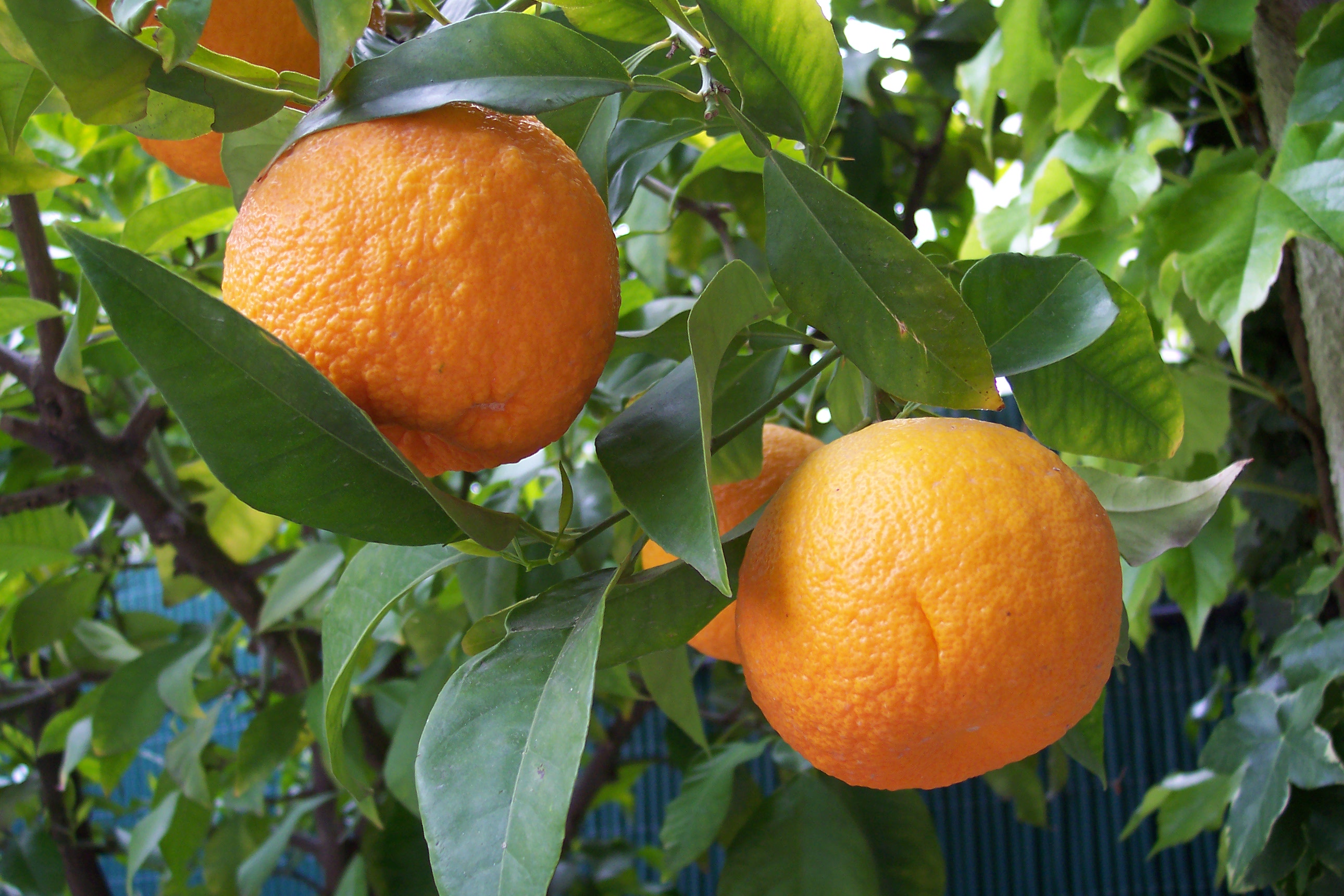 Bitter OrangeCitrus aurantium
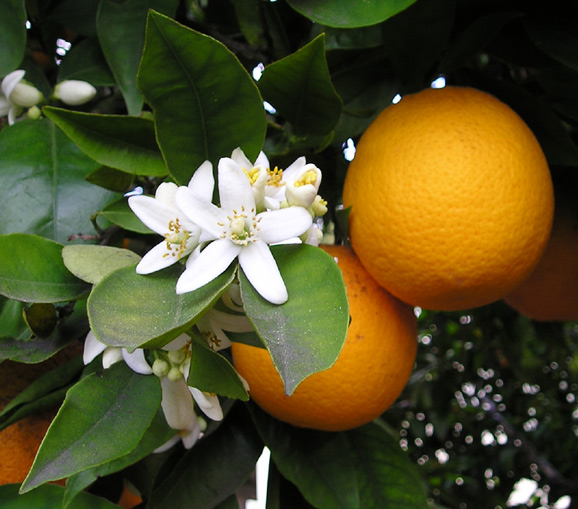 Sweet OrangeCitrus sinensis
 SerpentariaAristolochia serpentaria
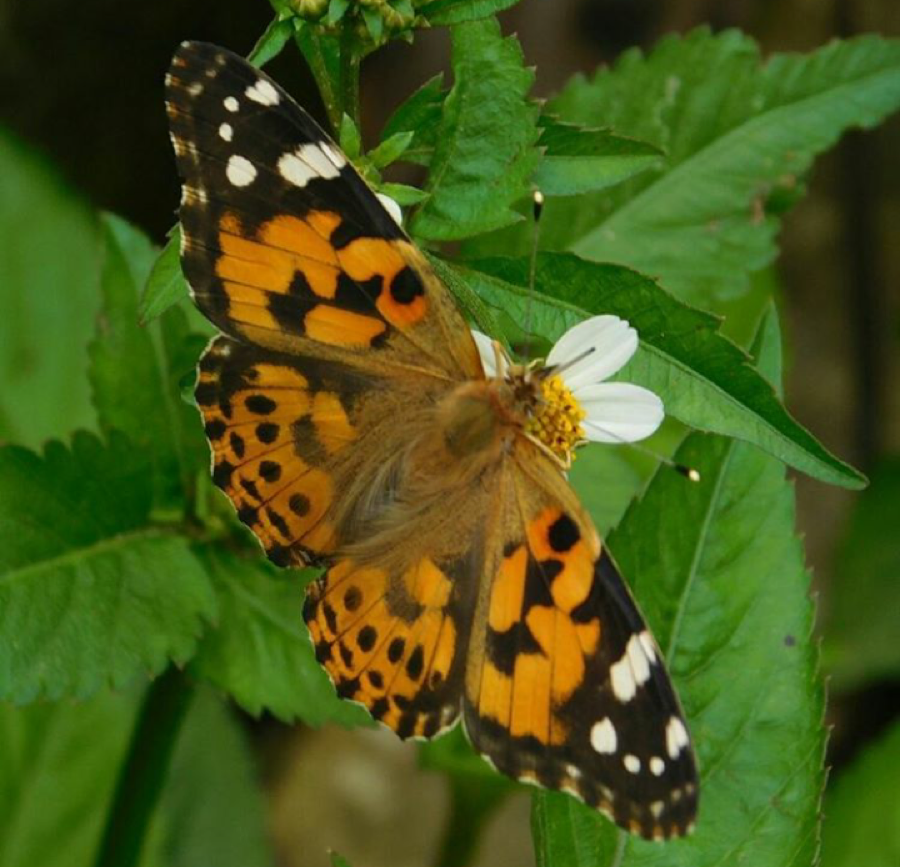 OrangeOrange
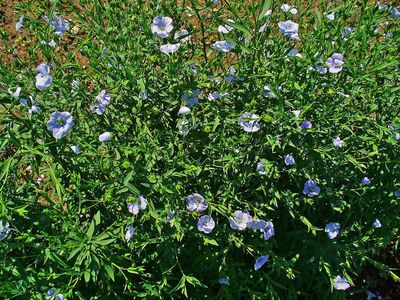 flaxLinum usitatissimum
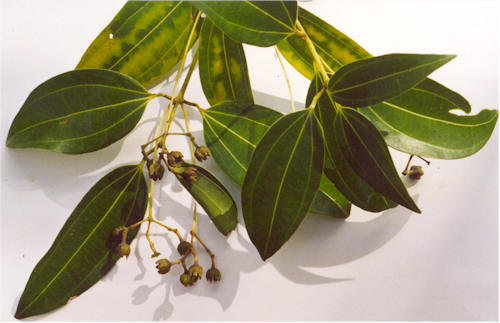 Ceylon cinnamonCinnamomum zeylanicum
Nearby on the shelf
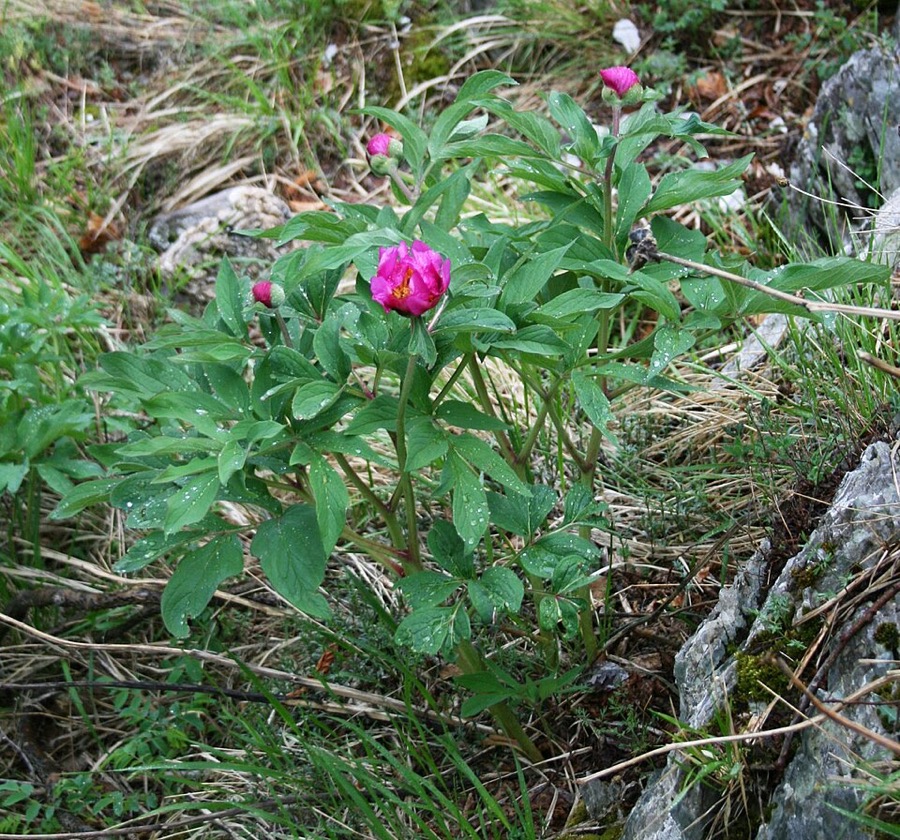 PeonyPeonia officinalis
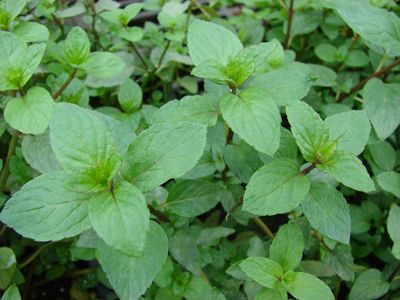 PeppermintMentha piperita
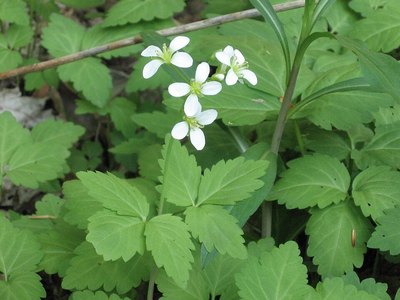 PepperwortDentaria diphylla
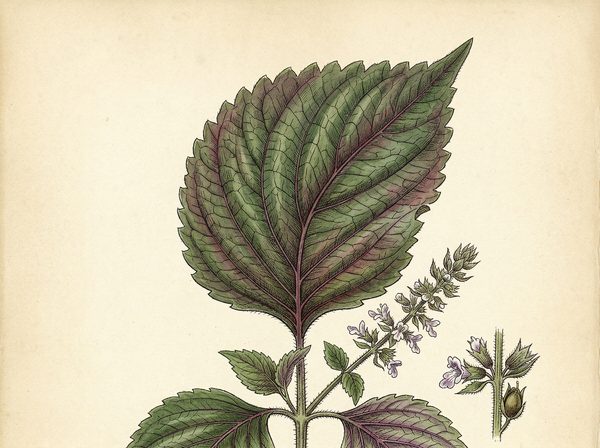 PerillaPerilla frutescens
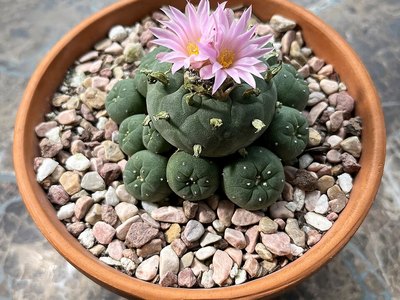 PeyoteLophophora williamsii
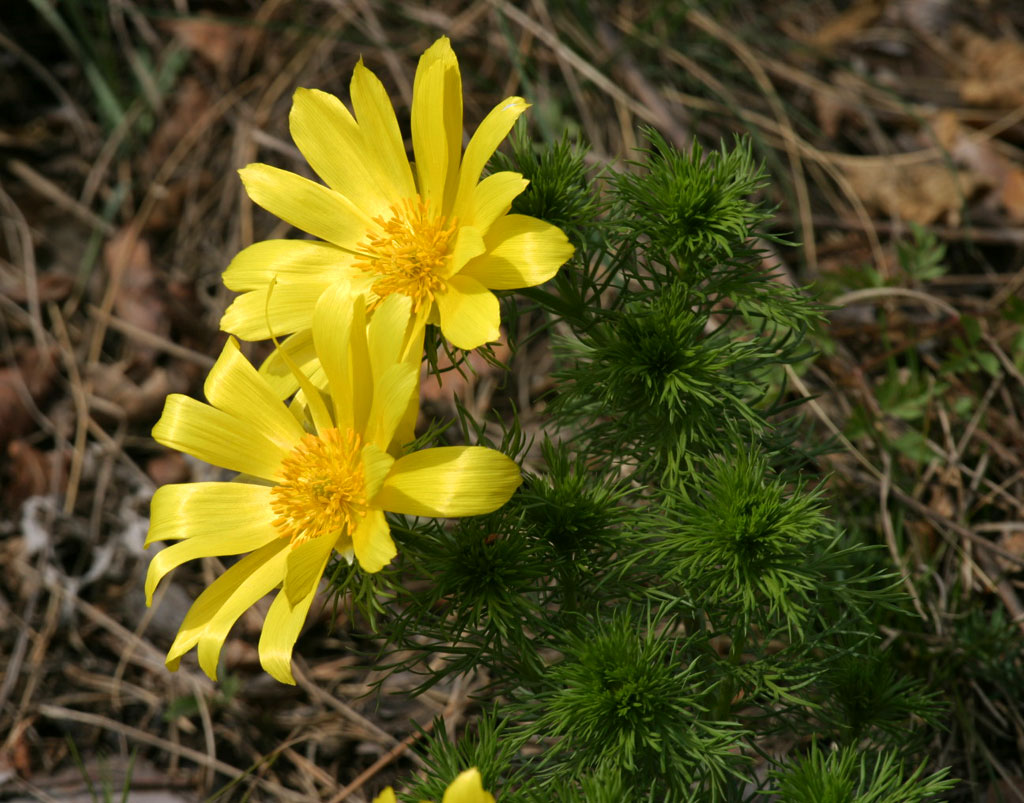 Pheasants eyeAdonis vernalis
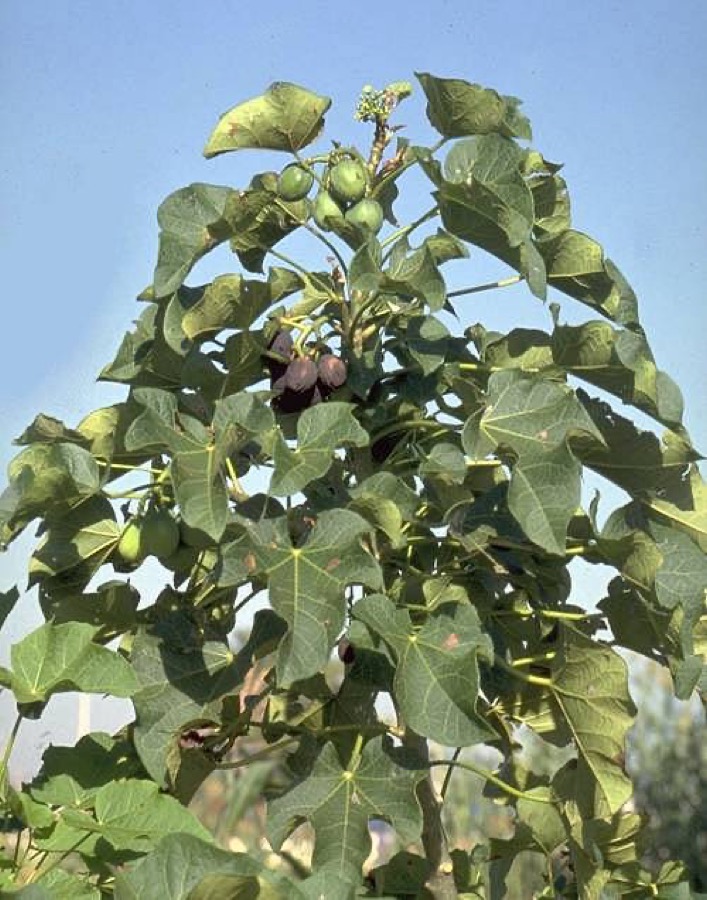 Physic NutCurcas Purgans
 PhysostigmaPhysostigma venenosum
The whole plate is in the library. The compass, Compare, the Sky of eleven hundred plants and the formulary open with an email address and a password, free, with the formula builder and its safety engine. Herbert without limit, his formulating, clients, the handouts and the labels are the paid room.
Open the library, free