Western Herbalism
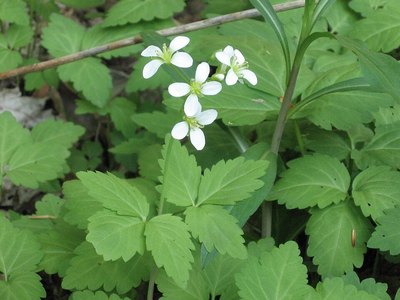
Pepperwort
Dentaria diphylla
Also known as Toothwort, Crinkleroot, Two-leaved Toothwort, Broad-leaved Toothwort.
Dentaria diphylla, now classified as Cardamine diphylla, is a low woodland perennial of the mustard family native to rich, moist forests of eastern North America, from Maine south to Kentucky. Its horizontal, jointed, tooth-marked rootstalk has a pungent, watercress-like flavor and gave rise to both its common names, toothwort for the tooth-like scars on the rhizome and pepperwort for its peppery taste. The root was the part employed by nineteenth century American physiomedicalist and eclectic practitioners, most notably William Cook, who classed it among the mild stimulant and alterative agents used in compound syrups.

Ask Herbert about Pepperwort. Herbert is the master herbalist inside Bountiful Herbs: he answers from this plate and eleven hundred others, with dosing, pairing and cautions. Your first ten questions are free.
Ask HerbertActions
Indications what the tradition reached for it in
- Sluggish digestion
- Dyspepsia with poor appetite
- Chronic skin eruptions of the alterative type
- Scrofulous complaints (historical)
- Mild catarrh
- General debility with poor tone
- Mild edema
- Flatulence
Specific indications
Cold, damp constitution with sluggish digestion and a pungent, cress-like root well tolerated as a warming stimulant
Chronic low-grade skin or glandular complaints where a mild alterative was combined with other blood-cleansing roots in a compound syrup
Safety
Pregnancy: No safety data exist; avoid in pregnancy given the absence of any modern toxicological assessment.
Breastfeeding: No safety data exist; avoid in lactation given the absence of any modern toxicological assessment.
The record lists 2 contraindications; open the plate in the library to read them in full.
In practice
In the physiomedicalist framework the crinkleroot was regarded as a gentle stimulant to tissue tone, akin in character to horseradish and the other pungent crucifers, and it was seldom used alone. Cook's compound syrup combined it with alnus, menispermum, and burdock seed as a general alterative for chronic skin and glandular complaints, the pungent root serving to warm and stimulate a sluggish constitution while the companion herbs carried the blood-cleansing action.
Dosing as the sources wrote it
| Preparation | As written | Metric |
|---|---|---|
| Infusion of fresh or dried rootstalk | 1-2 g root steeped in 150 mL hot water, up to three times daily | 1000-2000 mg |
| Compound syrup (historical, as part of a formula) | as prepared per physiomedical formula, not used as a single agent | |
| A hydro-alcoholic extract of this article is sometimes used in doses of from one to three grains three times a day | 64.8-194 mg | |
| Dose, three to eight grains three times a day | 194-518 mg |
Doses are reproduced from the sources for practitioners and are not a recommendation for any person.
From the sources
Overview. Dentaria diphylla, now classified as Cardamine diphylla, is a low woodland perennial of the mustard family native to rich, moist forests of eastern North America, from Maine south to Kentucky. Its horizontal, jointed, tooth-marked rootstalk has a pungent, watercress-like flavor and gave rise to both its common names, toothwort for the tooth-like scars on the rhizome and pepperwort for its peppery taste. The root was the part employed by nineteenth century American physiomedicalist and eclectic practitioners, most notably William Cook, who classed it among the mild stimulant and alterative agents used in compound syrups.
Clinical Notes. In the physiomedicalist framework the crinkleroot was regarded as a gentle stimulant to tissue tone, akin in character to horseradish and the other pungent crucifers, and it was seldom used alone. Cook's compound syrup combined it with alnus, menispermum, and burdock seed as a general alterative for chronic skin and glandular complaints, the pungent root serving to warm and stimulate a sluggish constitution while the companion herbs carried the blood-cleansing action.
Properties and Uses. The root of this little plant is a diffusive and somewhat pungent stimulant, when dried; and also possesses a mild tonic power. Its principal influence is expended upon the nervous peripheries, and moderately upon the capillaries.
Properties and Uses. The roots are stimulating and moderately relaxing, acting slowly but persistently, and influencing the secretory organs especially the kidneys and skin. It slowly elevates the circulation, and gives vigorous action to the entire system; and it is probably by this action upon the capillaries that it proves alterant.
Drawn from Cook's Physio-Medical Dispensatory, and the Bountiful Herbs editorial.
Nearby on the shelf
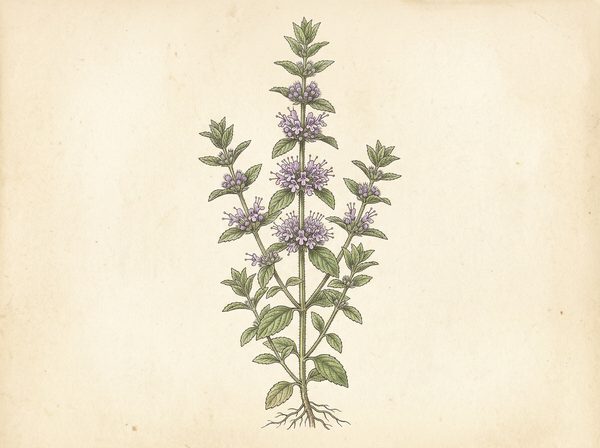 PennyroyalMentha pulegium
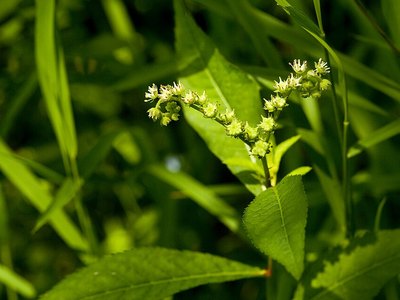 PenthorumPenthorum sedoides
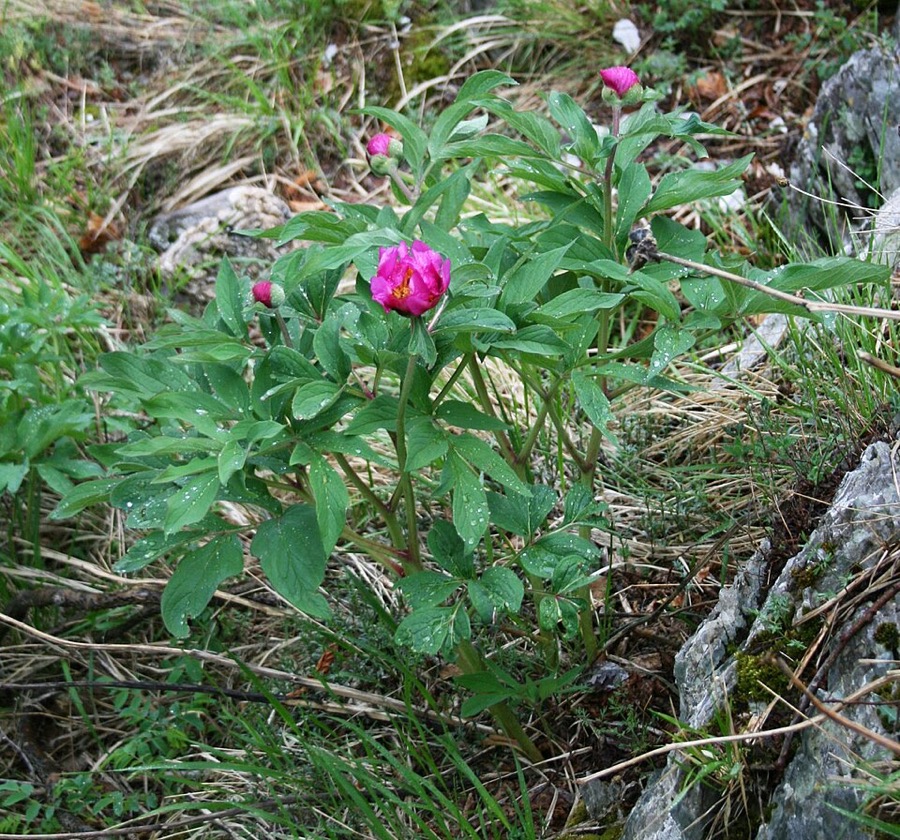 PeonyPeonia officinalis
 PeppermintMentha piperita
 PerillaPerilla frutescens
 Peruvian BarkCinchona officinalis
 PeyoteLophophora williamsii
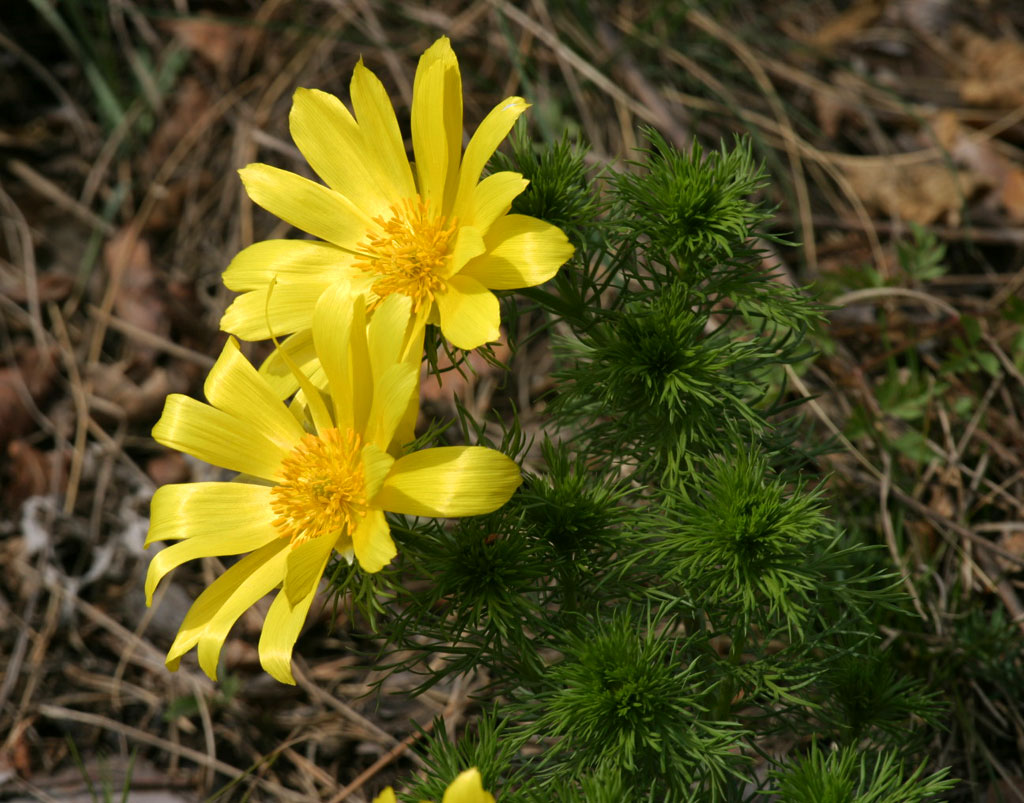 Pheasants eyeAdonis vernalis
The whole plate is in the library. The compass, Compare, the Sky of eleven hundred plants and the formulary open with an email address and a password, free, with the formula builder and its safety engine. Herbert without limit, his formulating, clients, the handouts and the labels are the paid room.
Open the library, free