Chinese Herbalism
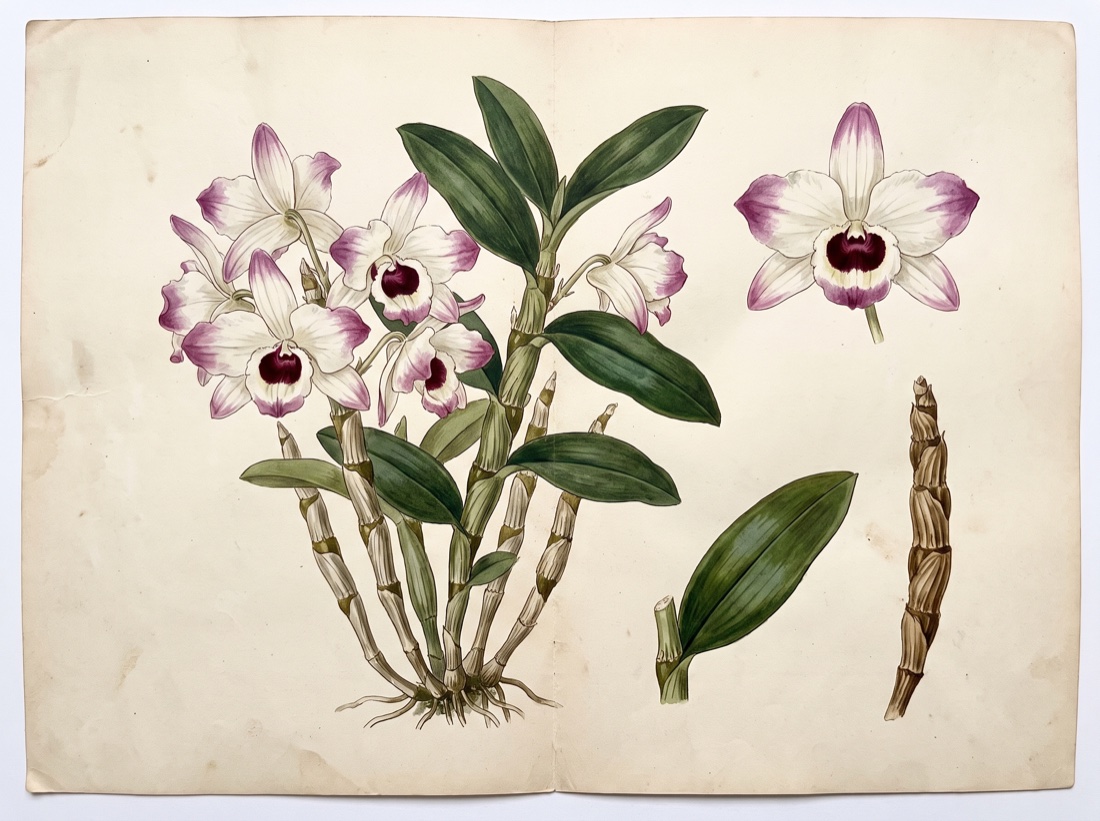
Noble dendrobium
Dendrobium nobile
Also known as dendrobium, golden hairpin dendrobium, shi hu, shí hú, jīn chāi shí hú.
Shi hu is the dried stem of epiphytic orchids of the genus Dendrobium; the golden hairpin dendrobium of Guizhou, Sichuan and Yunnan is the classic source, and the Pharmacopoeia accepts several related species, with the thin-stemmed Dendrobium officinale given its own monograph. The stems are cut after flowering, dried, and often twisted into small spirals. It is among the gentlest of the yin tonics, valued since antiquity for restoring fluids to a stomach dried by fever and for supporting yin without cloying the digestion.

Ask Herbert about Noble dendrobium. Herbert is the master herbalist inside Bountiful Herbs: he answers from this plate and eleven hundred others, with dosing, pairing and cautions. Your first ten questions are free.
Ask HerbertActions
Indications what the tradition reached for it in
- Thirst and dry mouth after febrile illness
- Dry mouth, dry retching and poor appetite from stomach yin deficiency
- Low-grade fever lingering after infection
- Tidal fever and night sweats from yin deficiency
- Dry mouth and thirst in diabetes (supportive)
- Chronic atrophic gastritis with dryness (supportive)
- Blurred vision and dim eyes from kidney yin deficiency
- Weak low back and knees with yin deficiency
- Dry throat in voice users
Specific indications
A dry mouth and tongue with little coating, thirst that water does not satisfy, and a poor appetite in the weeks after a fever
A patient with dry retching and epigastric discomfort who cannot tolerate the richness of shu di huang
Safety
The record lists 5 contraindications; open the plate in the library to read them in full.
In practice
Shi hu belongs to the aftermath of illness. When a fever has burned off fluids and the patient is left thirsty, with a red dry tongue and little appetite, it restores stomach yin without the heaviness of shu di huang or the coldness of sheng di huang.
In Chinese medicine
Temperature: slightly cold. Taste: sweet. Channels: Stomach, Kidney. Actions: Benefits the Stomach and generates fluids; Nourishes yin and clears deficiency heat; Nourishes Kidney yin, brightens the eyes and strengthens the low back.
Dosing as the sources wrote it
| Preparation | As written | Metric |
|---|---|---|
| Decoction (dried stem) | 6-12 g daily, decocted first | 6000-12000 mg |
| Decoction (fresh stem) | 15-30 g daily | 15000-30000 mg |
| Powder or granules | 2-4 g daily in divided doses | 2000-4000 mg |
Doses are reproduced from the sources for practitioners and are not a recommendation for any person.
From the sources
Overview. Shi hu is the dried stem of epiphytic orchids of the genus Dendrobium; the golden hairpin dendrobium of Guizhou, Sichuan and Yunnan is the classic source, and the Pharmacopoeia accepts several related species, with the thin-stemmed Dendrobium officinale given its own monograph. The stems are cut after flowering, dried, and often twisted into small spirals. It is among the gentlest of the yin tonics, valued since antiquity for restoring fluids to a stomach dried by fever and for supporting yin without cloying the digestion.
Clinical Notes. Shi hu belongs to the aftermath of illness. When a fever has burned off fluids and the patient is left thirsty, with a red dry tongue and little appetite, it restores stomach yin without the heaviness of shu di huang or the coldness of sheng di huang.
Chinese Medicine Profile. Temperature: slightly cold. Taste: sweet. Channels: Stomach, Kidney. Actions: Benefits the Stomach and generates fluids; Nourishes yin and clears deficiency heat; Nourishes Kidney yin, brightens the eyes and strengthens the low back.
In formulas
Noble dendrobium stands in 10 documented formulas in the library, among them shí hú yè guāng wán, gǎn lù yìn, dì huáng yin zi, tông sài pian.
Often paired with
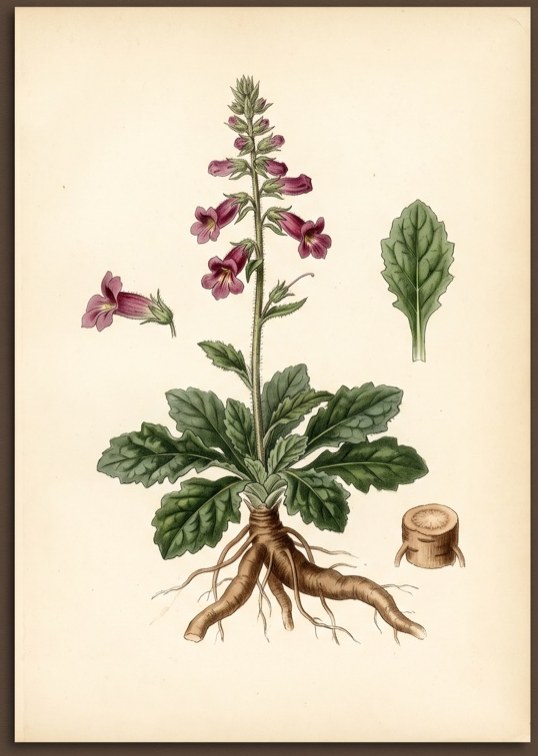 RehmanniaRehmannia glutinosa
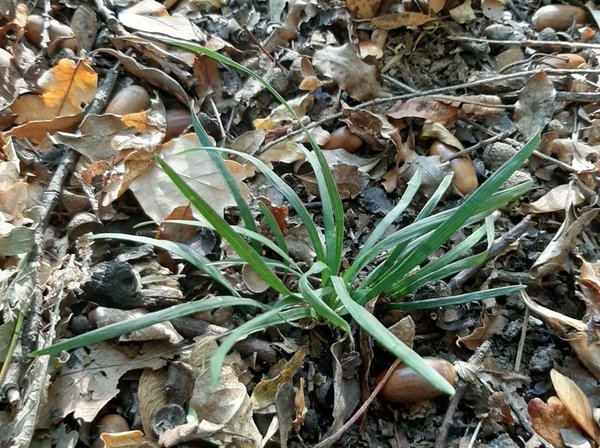 Mai Men DongOphiopogon japonicus
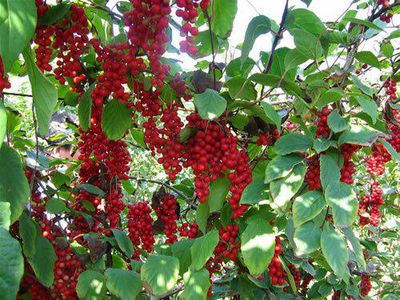 Wu Wei ZiSchisandra chinensis
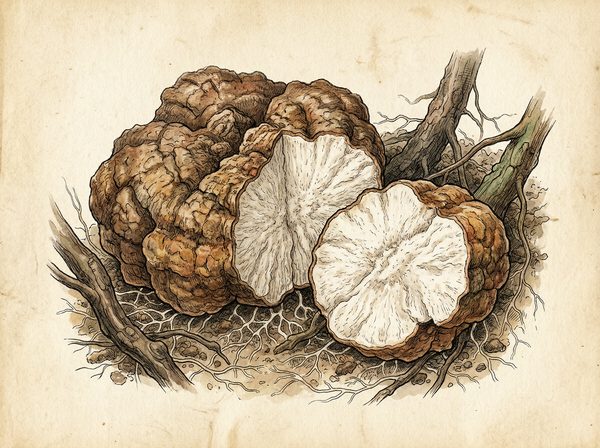 PoriaWolfiporia extensa
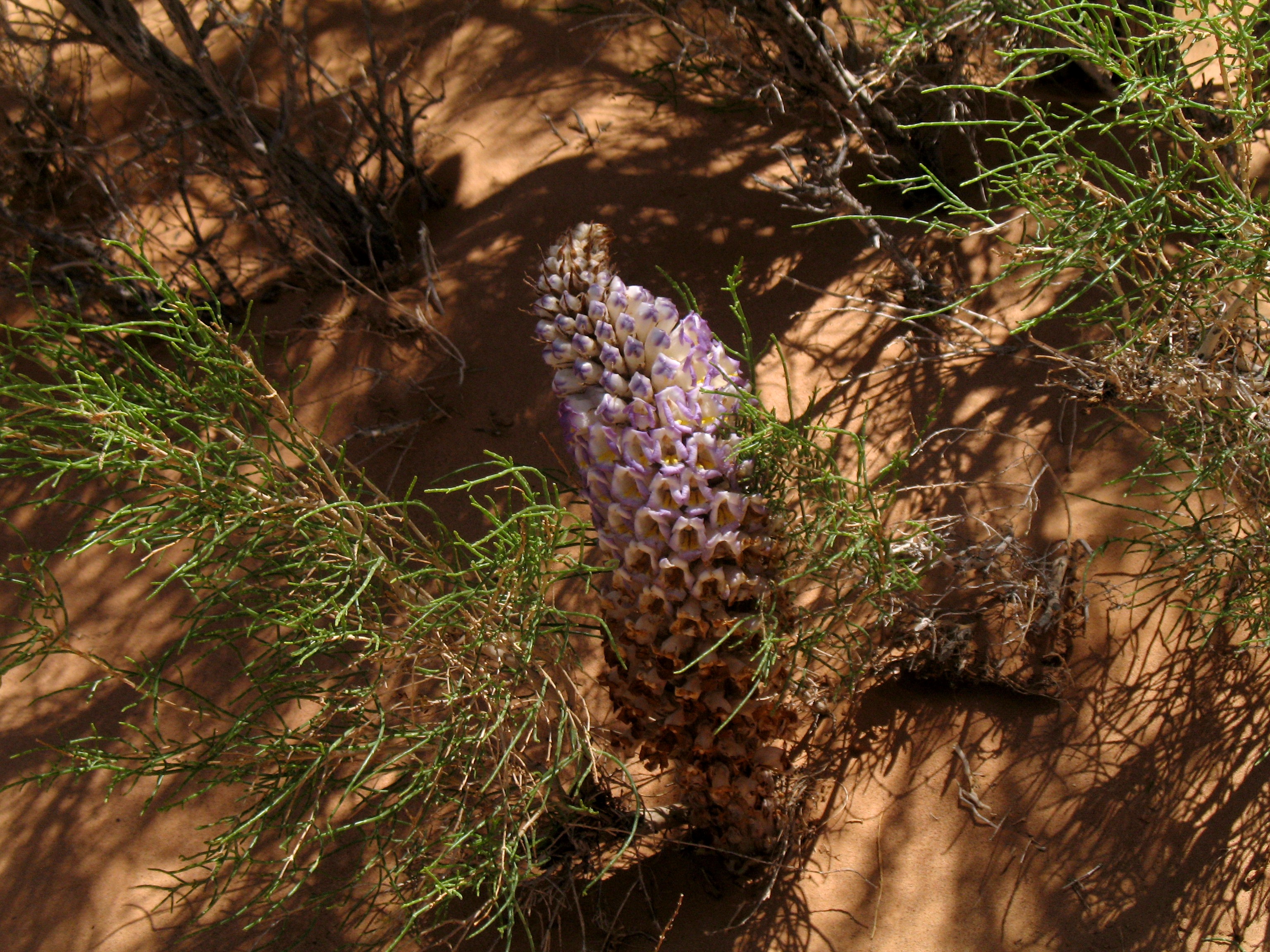 Desert GinsengCistanche deserticola
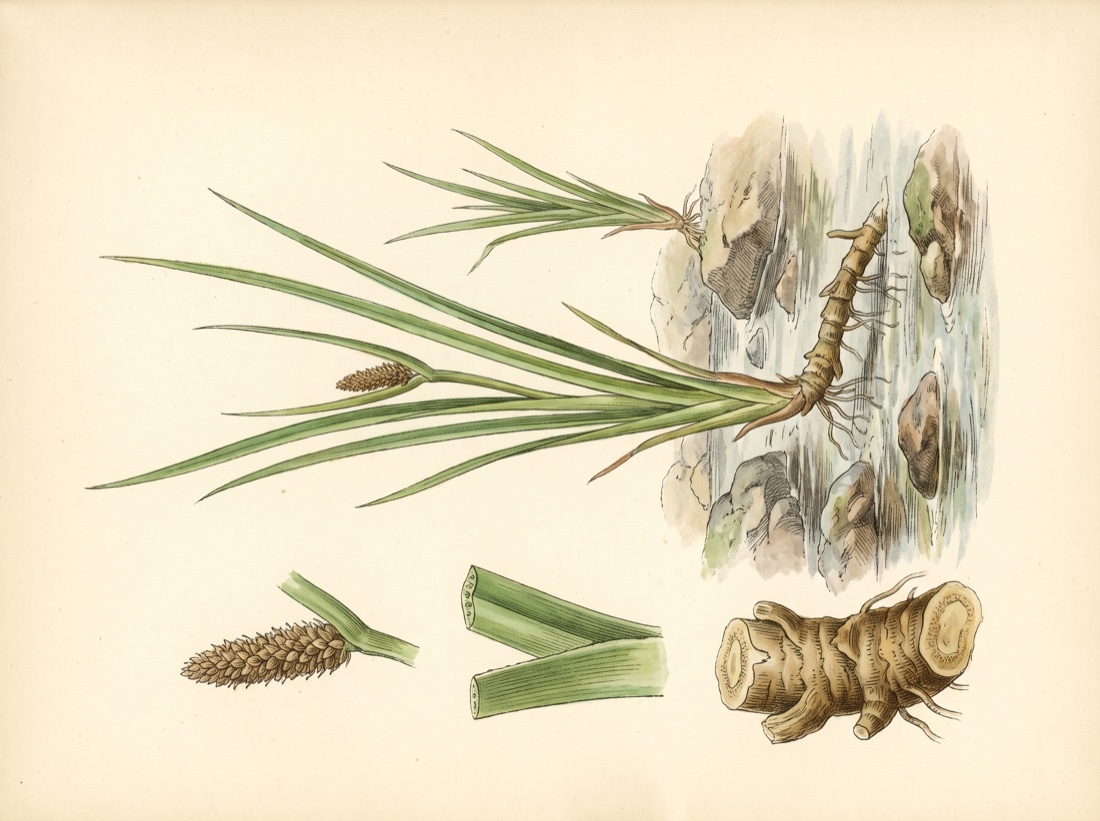 grass-leaf sweet flagAcorus gramineus
Nearby on the shelf
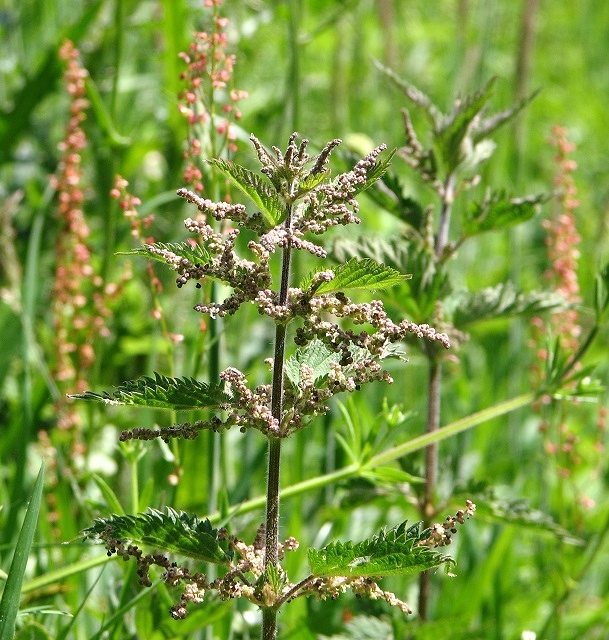 NettlesUrtica dioica
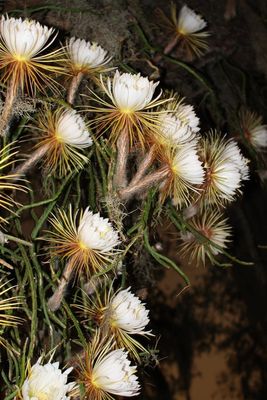 Night-blooming cereusSelenicereus grandiflorus
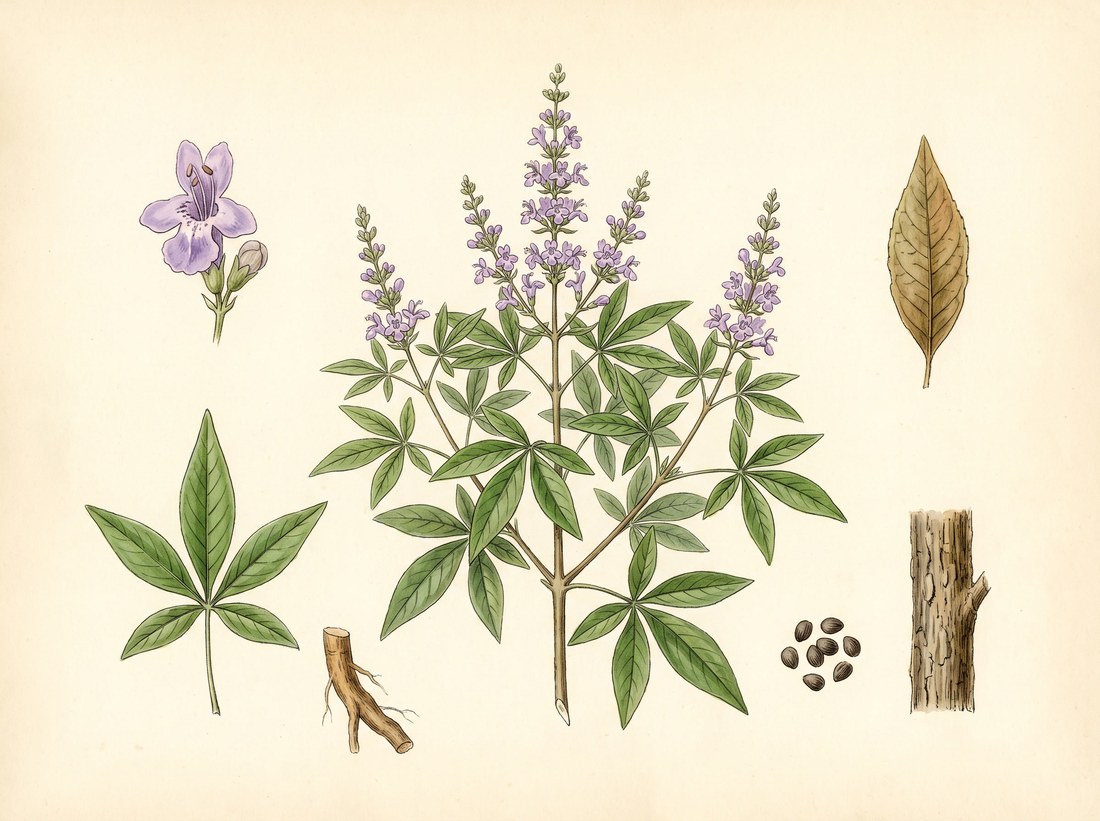 NirgundiVitex negundo
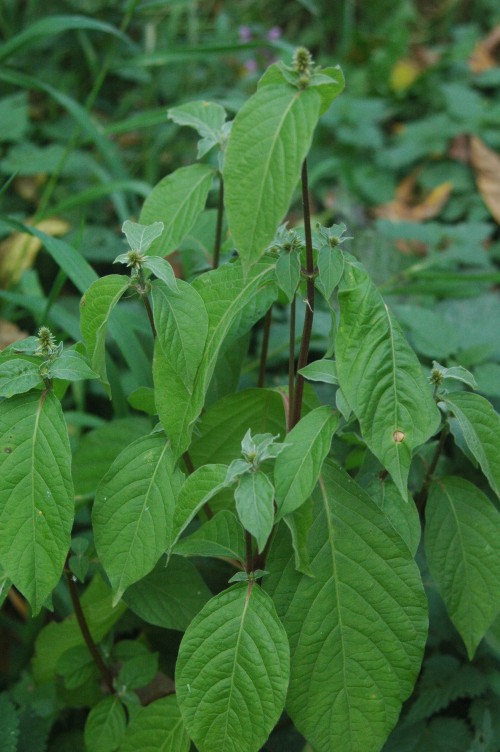 Niu XiAchyranthes bidentata
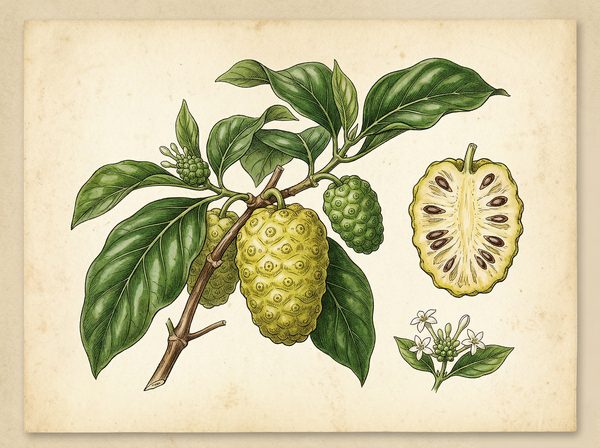 NoniMorinda citrifolia
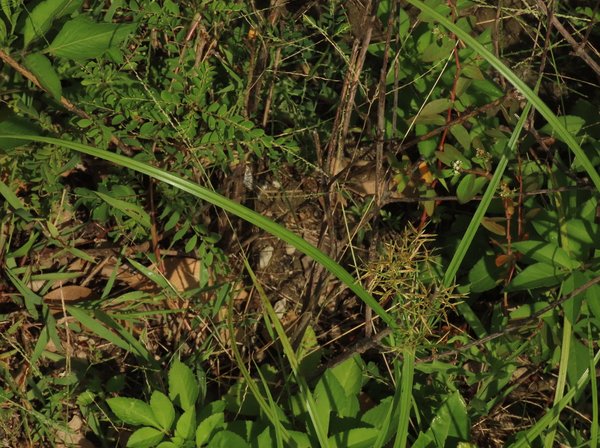 Nut grassCyperus rotundus
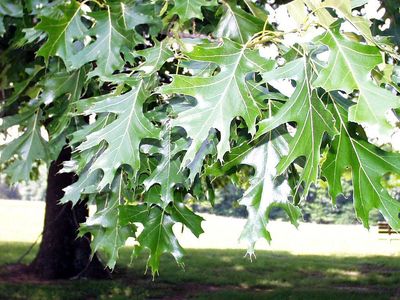 NutgallGalla
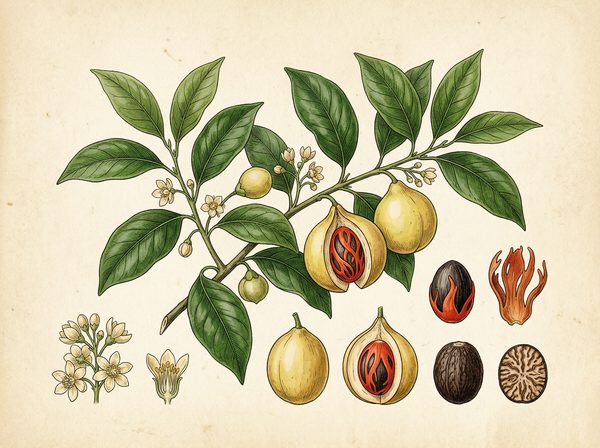 NutmegMyristica fragrans
The whole plate is in the library. The compass, Compare, the Sky of eleven hundred plants and the formulary open with an email address and a password, free, with the formula builder and its safety engine. Herbert without limit, his formulating, clients, the handouts and the labels are the paid room.
Open the library, free