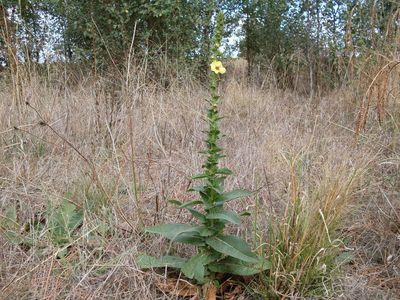
Western Herbalism
Mullein
Verbascum thapsus
Also known as Verbascum.
Root=warming, drying, urinary tract tonic, musculoskeletal support, facial pain Leaf=sweet, bitter, cooling, slightly moistening, expectorant (mixed), lymphagogue, spasmolytic (mild) Flower=cooling, moistening, demulcent, sedative (mild), anodyne Combine w/ anti-microbial (e.g. garlic oil) for otitis media, best effect if heated gently Best if used in combination for benign prostatic hyperplasia, chronic cystitis and interstitial cystitis TCM=yin tonic, resolves phlegm, circulates lung Qi and clears damp heat

Ask Herbert about Mullein. Herbert is the master herbalist inside Bountiful Herbs: he answers from this plate and eleven hundred others, with dosing, pairing and cautions. Your first ten questions are free.
Ask HerbertActions
Indications what the tradition reached for it in
- Back injury
- Upper respiratory infection
- Discopathy
- Otitis media
- Cough (dry)
- Inflammation
- Back strain
- Interstitial cystitis
- Bronchitis
- Pain
- Asthma
- Pain (chronic related to old musculoskeletal injuries)
- Back sprain
- Pneumonia
- Pain (acute injury)
- Pain (facial)
- Arthritis (w/ aching pain)
- Pain (joint)
- Cystitis (chronic)
- Earache
- Cough (wet)
- Benign prostatic hyperplasia
- Anxiety
- Bleeding
- Colic
- Cough
- Cramps
- Diarrhea
- Dry cough
- Edema
Safety
Pregnancy: Limited safety data in pregnancy
The record lists 3 contraindications; open the plate in the library to read them in full.
Dosing as the sources wrote it
| Preparation | As written | Metric |
|---|---|---|
| Cold infusion/infusion | 2-3 tsp/c TID, cold infusion best to extract mucilage | |
| Tincture (1:2-1:3) | 2-5 ml TID | 2-5 mL |
| Infused flower oil | 2-4 gtts in ear 2-4 x/day | 0.06-0.12 mL |
| Specific Verbascum | Dose, from five to sixty minims. | 0.31-3.7 mL |
| One-half drop doses of the mulleined oil four times a day has overcome some dribbling of the urine. | 0.01-0.01 mL | |
| Dose, 5 to 30 grains. | 324-1944 mg |
Doses are reproduced from the sources for practitioners and are not a recommendation for any person.
From the sources
Clinical Notes. Root=warming, drying, urinary tract tonic, musculoskeletal support, facial pain Leaf=sweet, bitter, cooling, slightly moistening, expectorant (mixed), lymphagogue, spasmolytic (mild) Flower=cooling, moistening, demulcent, sedative (mild), anodyne Combine w/ anti-microbial (e.g. garlic oil) for otitis media, best effect if heated gently Best if used in combination for benign prostatic hyperplasia, chronic cystitis and interstitial cystitis TCM=yin tonic, resolves phlegm, circulates lung Qi and clears damp heat
Action and Therapy. Mullein is demulcent, diuretic and sedative. It is also thought to have feeble anodyne properties. A syrup of mullein, prepared with the addition of lemon juice, is a fairly good sedative for irritation of the trachea and bronchi with persistent cough.
Therapy. The most direct use of this agent is in the treatment of simple uncomplicated cases of deafness, or in the early stages of progressive deafness where the cause is not apparent. In these cases, from, two to five drops in the ear, three or four times each day, will stop the progress of the disease, and will cure many simple cases.
Properties and Uses. The leaves of this coarse-looking plant are relaxant, with a trace of tonic property. Their action is quite soothing, and moderately antispasmodic; and an infusion is a deservedly popular remedy in sub-acute dysentery and diarrhea, probably from their action on the lacteals.
Drawn from Cook's Physio-Medical Dispensatory; King's American Dispensatory, 18th edition (Felter and Lloyd); Ellingwood's American Materia Medica, Therapeutics and Pharmacognosy; Felter's Eclectic Materia Medica, Pharmacology and Therapeutics, and the Bountiful Herbs editorial.
In formulas
Mullein stands in 2 documented formulas in the library, among them Chronic Bronchitis Formula.
Often paired with
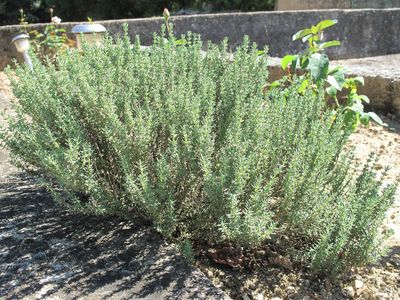 ThymeThymus vulgaris
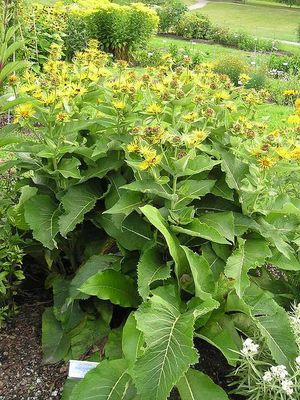 ElecampaneInula helenium
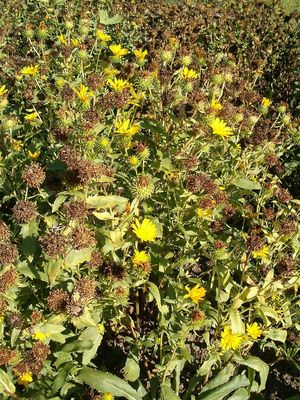 Gum weedGrindelia spp.
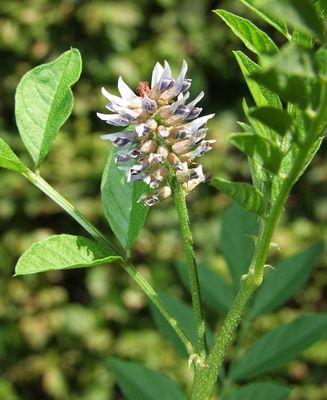 Licorice rootGlycyrrhiza glabra
Nearby on the shelf
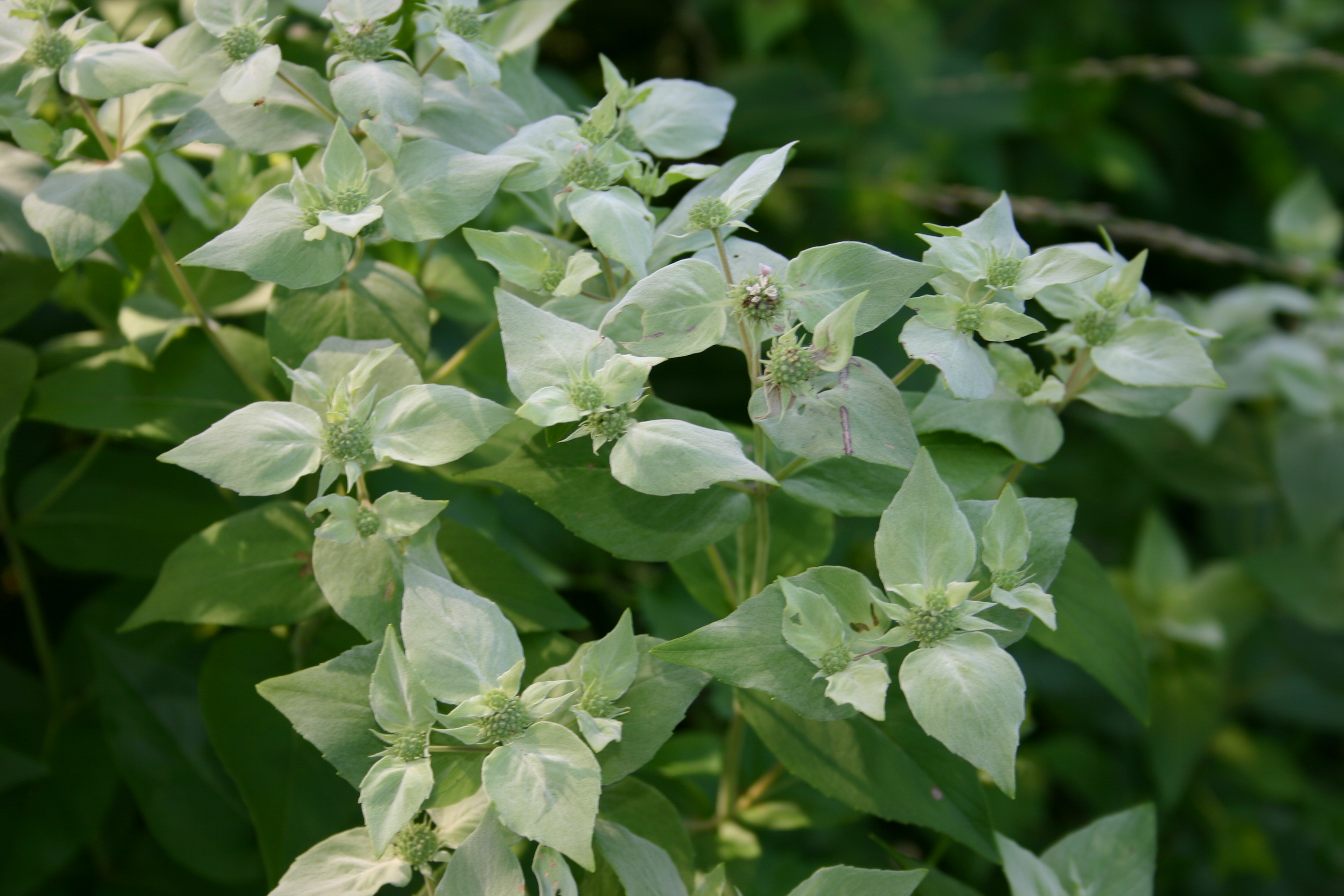 Mountain mintPycnanthemum
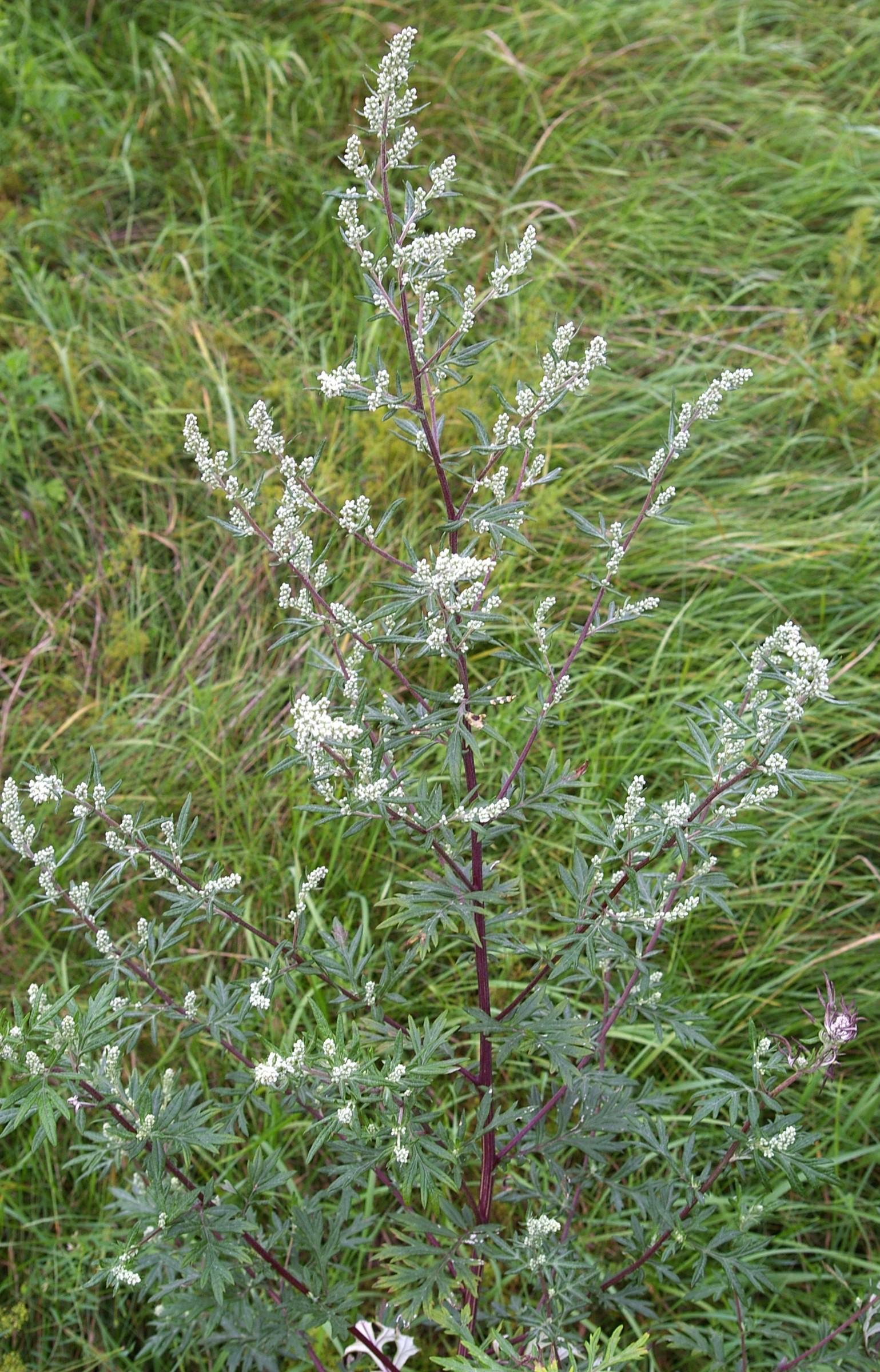 MugwortArtemisia vulgaris
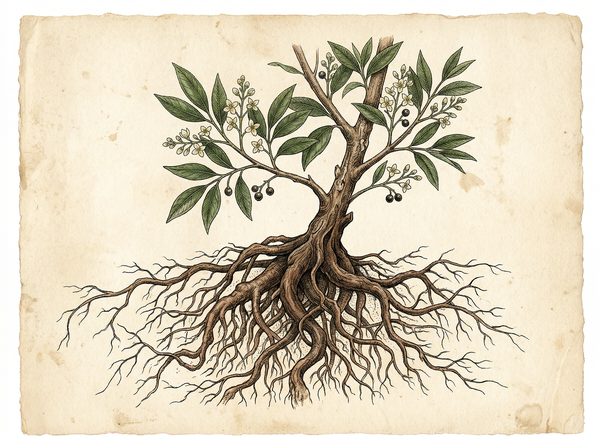 Muira PuamaPtychopetalum olacoides
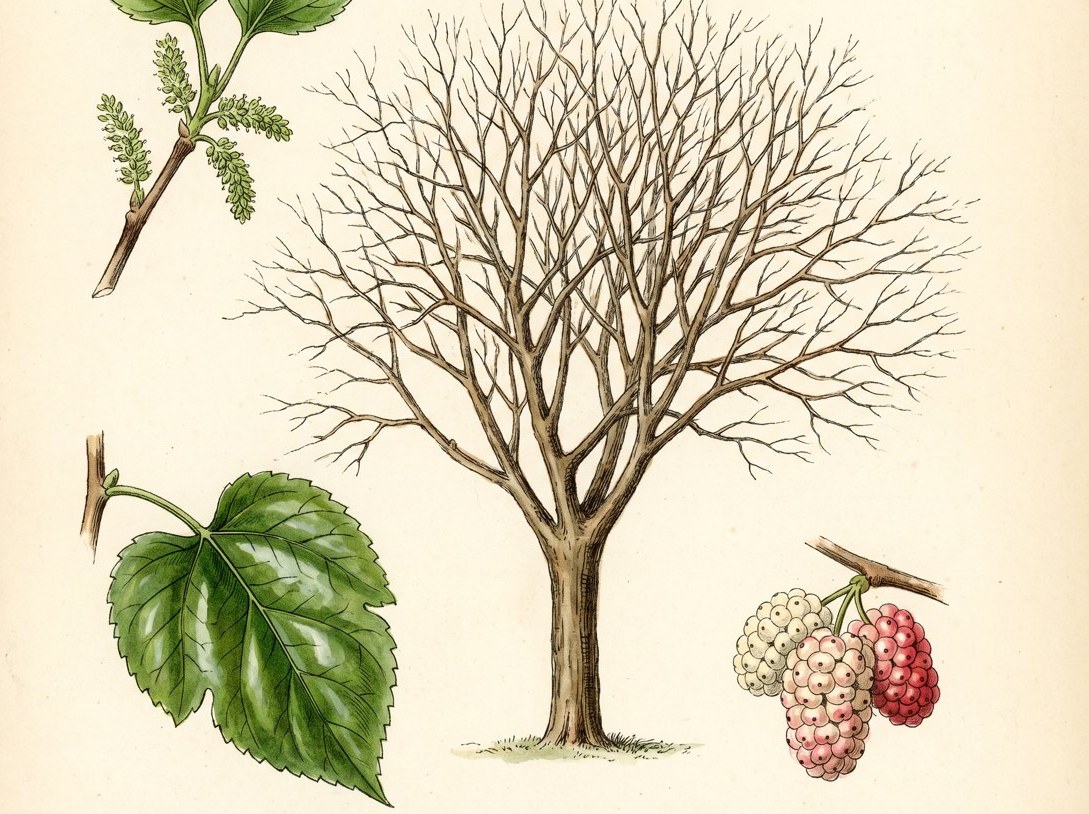 Mulberry LeafMorus alba
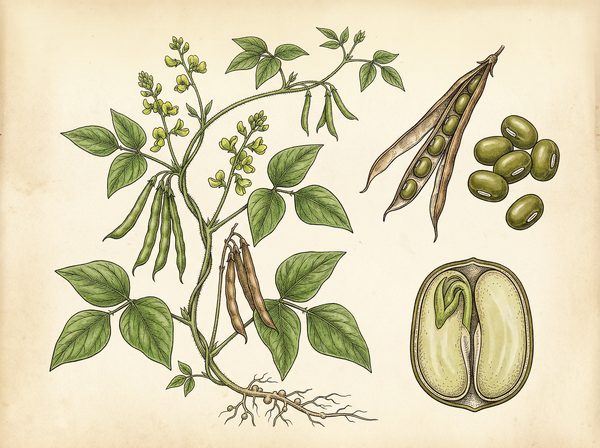 Mung beanVigna radiata
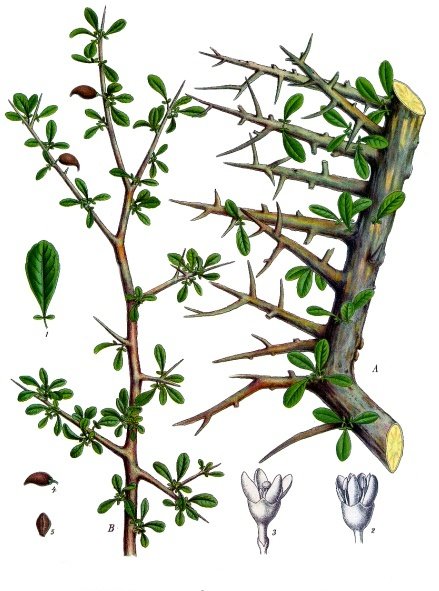 MyrrhCommiphora molmol
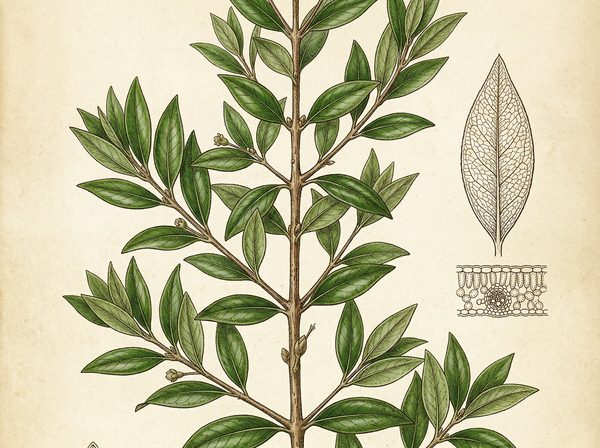 MyrtleMyrtus communis
The whole plate is in the library. The compass, Compare, the Sky of eleven hundred plants and the formulary open with an email address and a password, free, with the formula builder and its safety engine. Herbert without limit, his formulating, clients, the handouts and the labels are the paid room.
Open the library, free