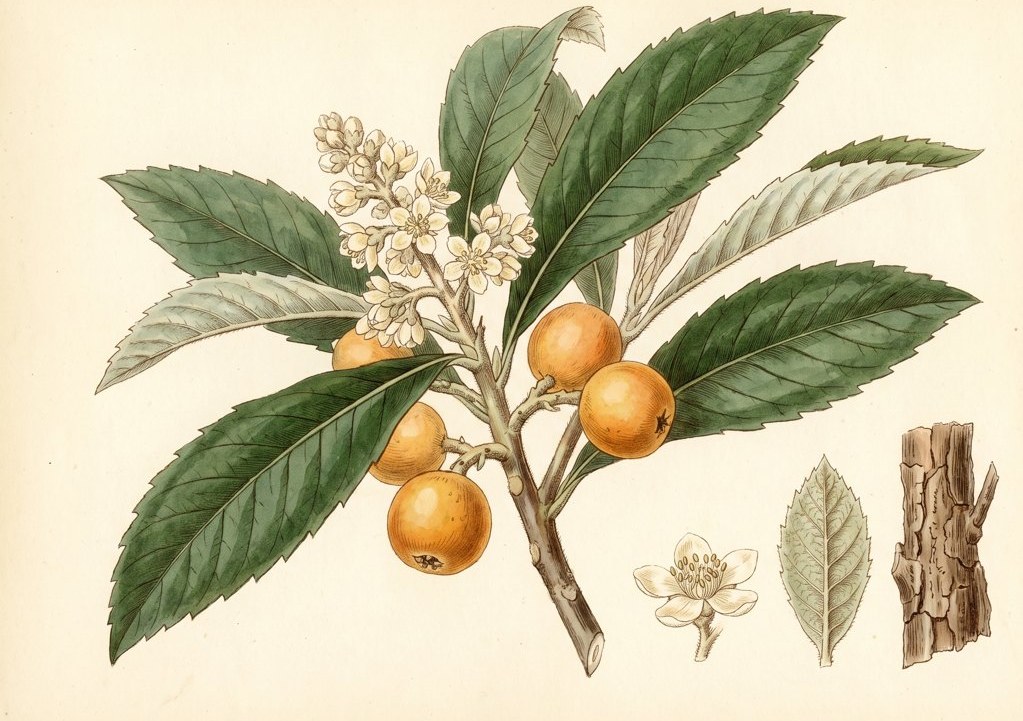
Chinese Herbalism
Loquat Leaf
Eriobotrya japonica
Also known as Pi Pa Ye.
Used in TCM as Folium Eriobotryae (Chinese Pharmacopoeia) preclinical support for traditional uses no human clinical trials identified listed in Japanese Pharmacopoeia for bronchitis/cough

Ask Herbert about Loquat Leaf. Herbert is the master herbalist inside Bountiful Herbs: he answers from this plate and eleven hundred others, with dosing, pairing and cautions. Your first ten questions are free.
Ask HerbertActions
Indications what the tradition reached for it in
- Dyspnea
- Stomach disorders
- Thirst
- Diabetes
- Nausea
- Pulmonary inflammation
- Restlessness
- Belching
- Cough
- Inflammation
- Hyperglycemia
- Vomiting
- Chronic bronchitis
- Asthma
- Hiccups
- Bronchitis
- Liver disease
- Respiratory congestion
- Respiratory complaints
- Oxidative stress
- Pain
Safety
Pregnancy: Limited data. No published safety rating exists for loquat leaf in pregnancy; a rat toxicity study found no adverse effects but no reproductive studies exist, and the AHPA handbook notes small amounts of amygdalin in the leaf.
Breastfeeding: Limited data. No published safety rating exists for loquat leaf while breastfeeding; LactMed and practitioner sources give no statement.
The record lists 1 contraindication; open the plate in the library to read them in full.
Dosing as the sources wrote it
| Preparation | As written | Metric |
|---|---|---|
| Dried leaf decoction/tea: 4.5-12 g/day boiled in water | ||
| fresh leaf: 15-30 g/day | 15000-30000 mg | |
| tincture | tincture (1:5 ethanol): 20-30 drops (1 mL) 2-4x/day |
Doses are reproduced from the sources for practitioners and are not a recommendation for any person.
From the sources
Clinical Notes. Used in TCM as Folium Eriobotryae (Chinese Pharmacopoeia) preclinical support for traditional uses no human clinical trials identified listed in Japanese Pharmacopoeia for bronchitis/cough
primary-actions. Loquat Leaf acts primarily as: Anti-inflammatory, Antitussive, Expectorant, Hypoglycemic, Antioxidant. Secondary actions include Antineoplastic, Hepatoprotective, Antifibrotic, Antinociceptive.
indications. Loquat Leaf is traditionally indicated for: Dyspnea, Stomach disorders, Thirst, Diabetes, Nausea, Pulmonary inflammation, Restlessness, Belching, Cough, Inflammation, Hyperglycemia, Vomiting, Chronic bronchitis, Asthma, Hiccups, and 6 further conditions.
dose-reference. Reference preparation/dosing for Loquat Leaf: Dried leaf decoction/tea: 4.5-12 g/day boiled in water; fresh leaf: 15-30 g/day; tincture (1:5 ethanol): 20-30 drops (1 mL) 2-4x/day
In formulas
Loquat Leaf stands in 18 documented formulas in the library, among them xin yí qing fei yin, wũ yè lú gẽn tāng, dì huáng yin zi, gǎn lù yìn, jú pí zhú rú tāng, qing zao jiu fei tang.
Often paired with
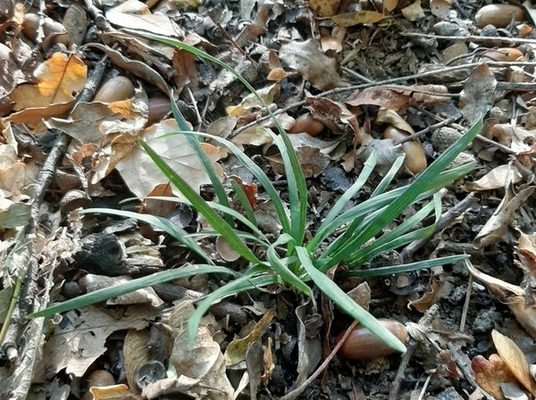 Mai Men DongOphiopogon japonicus
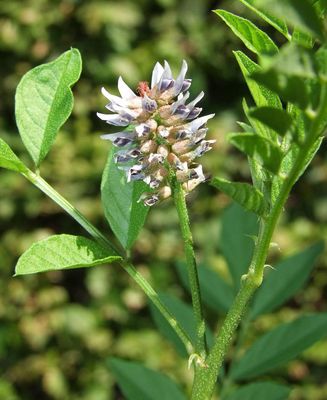 Licorice rootGlycyrrhiza glabra
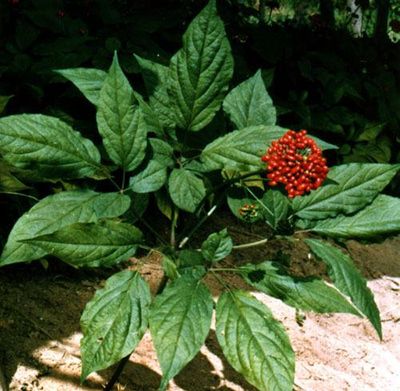 GinsengPanax ginseng
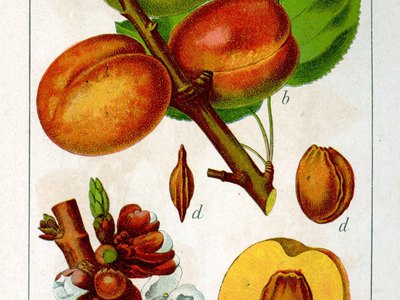 Armeniaca vulgarisArmeniaca vulgaris
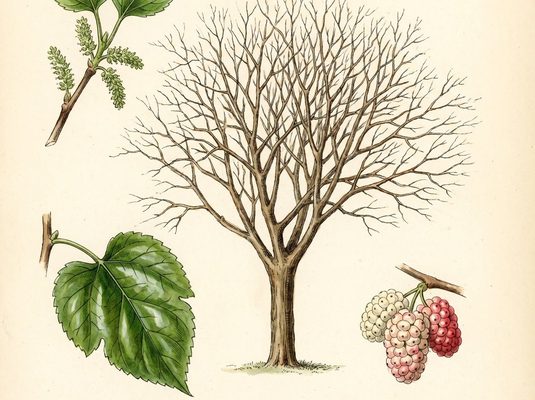 Mulberry LeafMorus alba
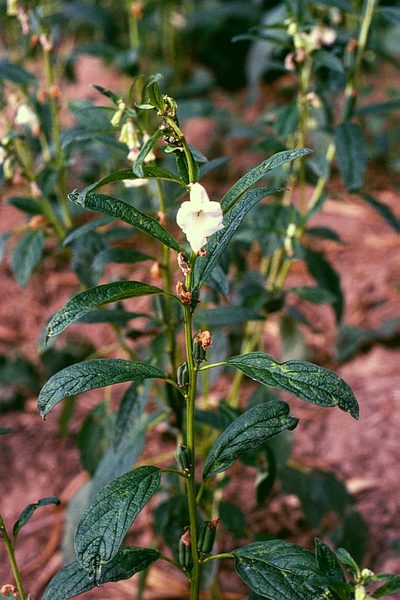 sesameSesamum indicum
Nearby on the shelf
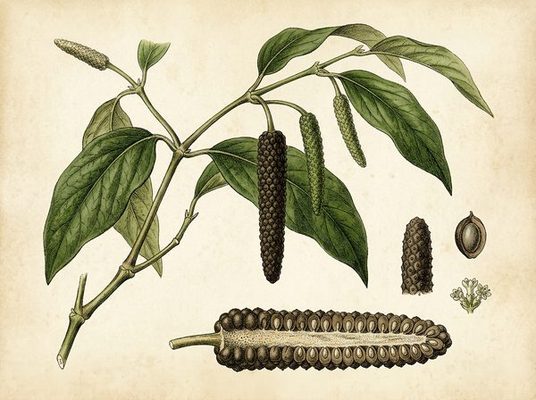 Long pepperPiper longum
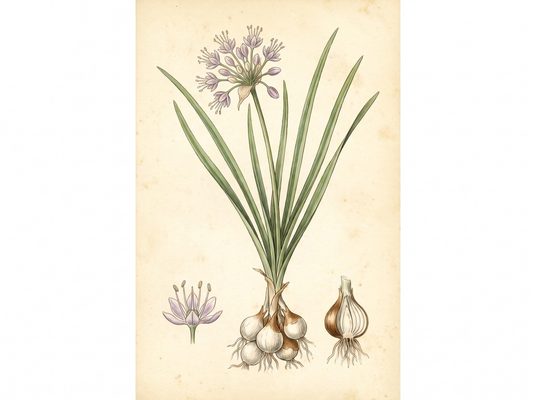 Long-stamen onionAllium macrostemon
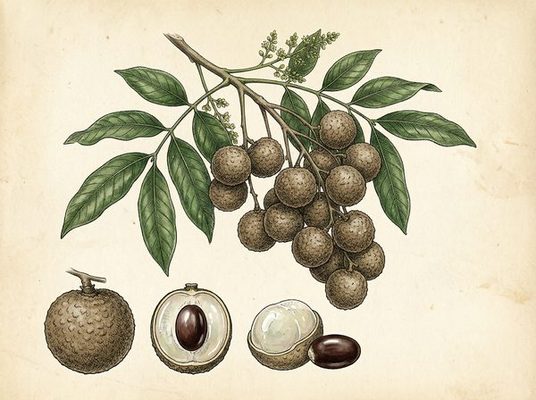 LonganDimocarpus longan
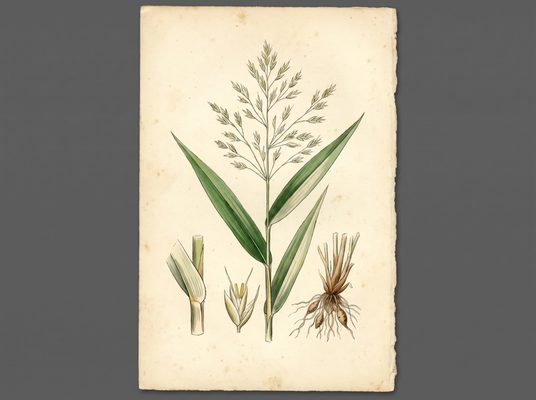 LophatherumLophatherum gracile
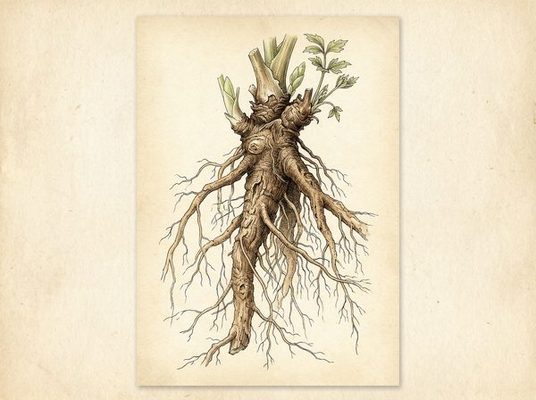 LovageLevisticum officinale
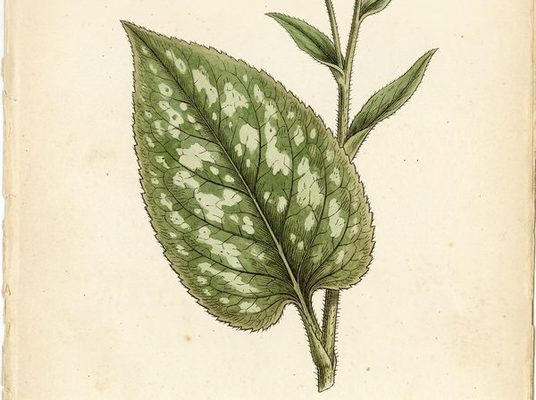 LungwortPulmonaria officinalis
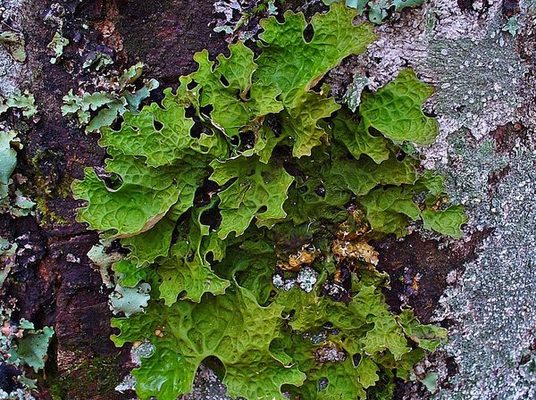 Lungwort LichenLobaria pulmonaria
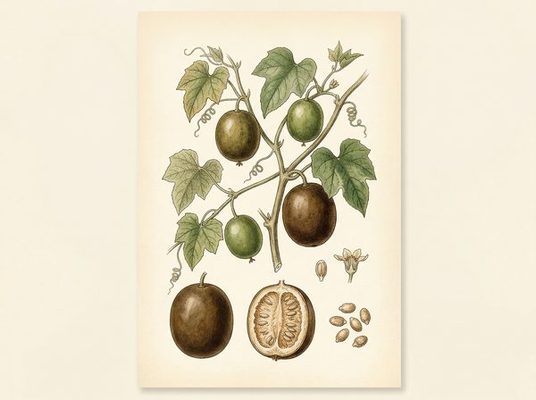 Luo Han GuoSiraitia grosvenorii
The whole plate is in the library. The compass, Compare, the Sky of eleven hundred plants and the formulary open with an email address and a password, free, with the formula builder and its safety engine. Herbert in full, his formulating, clients, the handouts and the labels are the paid room.
Open the library, free