Western and Ayurvedic herbalism
Lemon
Citrus limon
Also known as Indian lemon, jambiri (regional), Jambira, Nimbuka, Dantashatha.
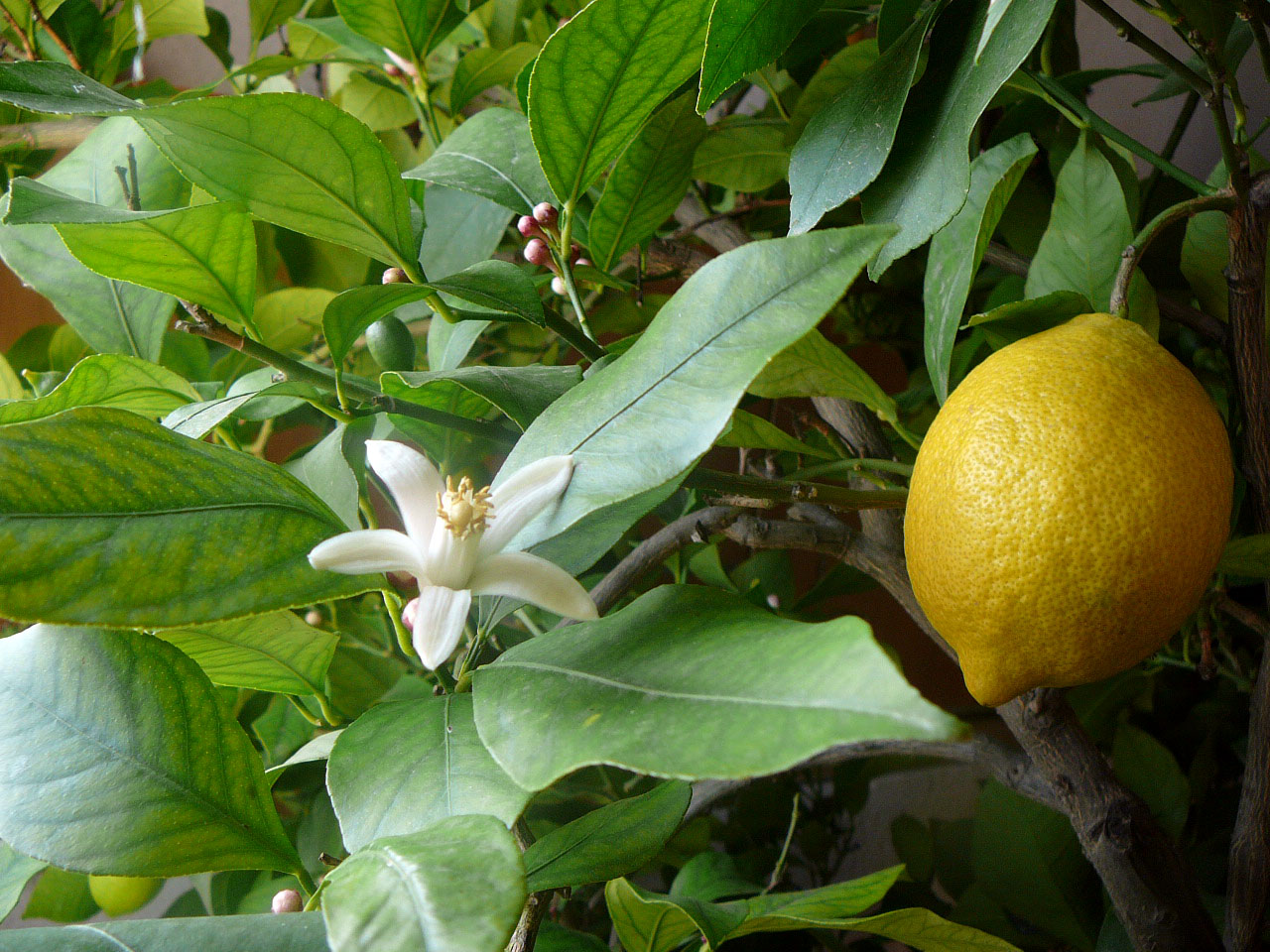
Citrus limon is a small thorny evergreen tree of the citrus family, probably a hybrid of citron and bitter orange that arose in the region of northeastern India, Assam and northern Myanmar, and it has been grown across India for so long that it appears in the classical nighantus as Jambira or Nimbuka. Ayurveda uses the sour juice, the aromatic peel and the leaves as a warming, sharp digestive that kindles appetite, relieves gas and nausea, expels worms and freshens the mouth, and it is the household remedy for indigestion, colds and heat exhaustion across the country. The name Jambira is also applied to related sour citrus, so the plate here follows the common lemon.

Ask Herbert about Lemon. Herbert is the master herbalist inside Bountiful Herbs: he answers from this plate and eleven hundred others, with dosing, pairing and cautions. Your first ten questions are free.
Ask HerbertActions
Indications what the tradition reached for it in
- Poor appetite and sluggish digestion
- Nausea and vomiting, including motion sickness and morning sickness
- Gas, colic and bloating after heavy meals
- Common cold and sore throat (hot lemon with honey)
- Dehydration and heat exhaustion (lemon water with salt and sugar)
- Calcium oxalate kidney stones, prevention (citrate)
- Constipation of the sluggish type (warm lemon water on waking)
- Bad breath and gum disease (juice and peel)
- Scurvy and low vitamin C intake
- Insect bites and itching (topical juice, traditional)
- Dandruff and oily scalp (topical, traditional)
- Infections bacterial
- Arteriosclerosis
- Gout
- Gingival bleeding
- Loss of appetite
- Constipation
- Debilitating diseases
- Rheumatism
- Respiratory infection
- Arthritis
- Bronchitis
- Dyspepsia
- Hepatic insufficiency
- Nausea
- High cholesterol
- Abdominal bloating
- Hypertension
- Cough
- Gas
Specific indications
The patient with a heavy, sluggish digestion who feels full and gassy after meals and whose appetite is dull: a squeeze of lemon with ginger and rock salt before food wakes the digestive fire without the heat of chili
Nausea in pregnancy or travel that eases with the smell of a cut lemon or a sip of lemon water, in someone who cannot face ginger
Recurrent calcium oxalate stones in a person who drinks little and eats a heavy diet, where daily lemon water supplies citrate and fluid together
Summer heat exhaustion with thirst, cramps and weakness, where salted, sweetened lemon water is the traditional rehydration drink
Safety
The record lists 8 contraindications; open the plate in the library to read them in full.
In practice
Jambira is one of the sour tastes that Ayurveda uses to light the digestive fire. The physician prescribes fresh juice with warm water, a pinch of rock salt and a little ginger before meals for a dull appetite and heavy digestion; with honey for cough, sore throat and worms; with warm water first thing in the morning for sluggish bowels; and as nimbu paniya, lemon water with salt and sugar, for thirst, heat exhaustion and vomiting.
In Ayurveda
Rasa: amla (sour); the peel is also katu (pungent) and tikta (bitter). Virya: ushna (heating). Vipaka: amla (sour). Guna: laghu (light), snigdha (unctuous), tikshna (sharp). Dosha: pacifies vata and kapha; increases pitta in excess, though in small amounts it stimulates digestion without much heat. Karma: deepana (kindles digestion); pachana (digestive); rochana (improves taste and appetite); anulomana (carries downward, relieves gas); krimighna (anthelmintic, antimicrobial); chardinigrahana (stops vomiting); trishnanigrahana (relieves thirst); vatanulomana (regulates vata); kanthya (good for the throat); hridya (pleasing to the heart); shulahara (relieves colic). Classical indications: agnimandya and aruchi (weak digestion and loss of appetite); chardi (vomiting); shula (colic); adhmana (distension); krimi (worms); trishna (thirst); vibandha (constipation, with warm water); kasa (cough, with honey); mukhadaurgandhya (bad breath); visha (poisoning, as an antidote and wash); kandu (itching, topical). The fresh juice is the main medicine, taken with warm water, honey, salt or spices; the peel is dried and powdered or preserved as a pickle (achar) and used as a digestive; the leaves are made into a decoction or crushed for their scent in nausea; and the whole fruit is pickled with salt and spices as a long keeping digestive. Classical formulations: Jambira swarasa with honey, Jambira achar (lemon pickle), Jambiradi taila (regional), Nimbu paniya (lemon water with salt and sugar), Component of Bhaskara lavana and other digestive salts (as souring agent). Described in: Charaka Samhita, Sushruta Samhita, Bhavaprakasha Nighantu, Dhanvantari Nighantu, Raja Nighantu, Kaiyadeva Nighantu.
Dosing as the sources wrote it
| Preparation | As written | Metric |
|---|---|---|
| Swarasa (juice) | 10-30 mL fresh juice in 150-250 mL warm water once or twice daily, with honey, salt or ginger as indicated | 10-30 mL |
| Nimbu paniya (rehydration) | 20-40 mL juice in 500-1000 mL water with 3-6 g sugar and 1-2 g salt, sipped through the day | 20-40 mL |
| Peel churna | 1-3 g dried peel powder with meals | 1000-3000 mg |
| Achar (pickle) | 5-10 g lemon pickle with meals | 5000-10000 mg |
| Juice for stone prevention | 60-120 mL fresh juice daily, diluted, on a continuing basis | 60-120 mL |
| Tincture | Tincture (1:3, 45% alcohol) 2-12 mL daily | 2-12 mL |
Doses are reproduced from the sources for practitioners and are not a recommendation for any person.
From the sources
Overview. Citrus limon is a small thorny evergreen tree of the citrus family, probably a hybrid of citron and bitter orange that arose in the region of northeastern India, Assam and northern Myanmar, and it has been grown across India for so long that it appears in the classical nighantus as Jambira or Nimbuka. Ayurveda uses the sour juice, the aromatic peel and the leaves as a warming, sharp digestive that kindles appetite, relieves gas and nausea, expels worms and freshens the mouth, and it is the household remedy for indigestion, colds and heat exhaustion across the country. The name Jambira is also applied to related sour citrus, so the plate here follows the common lemon.
Clinical Notes. Fresh fruit used in for gingival bleeding and debilitating diseases essential oil in European Pharmacopoeia culinary amounts generally safe hybrid origin (C. medica x C. aurantium) rich in vitamin C traditionally for scurvy
Clinical Notes. Jambira is one of the sour tastes that Ayurveda uses to light the digestive fire. The physician prescribes fresh juice with warm water, a pinch of rock salt and a little ginger before meals for a dull appetite and heavy digestion; with honey for cough, sore throat and worms; with warm water first thing in the morning for sluggish bowels; and as nimbu paniya, lemon water with salt and sugar, for thirst, heat exhaustion and vomiting.
Properties and Uses. The thin outer rind of lemon-peel is the part mostly used in medicine. It abounds in pellucid dots, which contain the oil of lemon. The peel is sliced or grated off, so as not to include the spongy and inert layer of rind below; and this forms a warming and bitter aromatic, quite similar to the orange-peel in its general character, and usable for the same purposes.
Drawn from Cook's Physio-Medical Dispensatory; King's American Dispensatory, 18th edition (Felter and Lloyd); Felter's Eclectic Materia Medica, Pharmacology and Therapeutics, and the Bountiful Herbs editorial.
In formulas
Lemon stands in 28 documented formulas in the library, among them Kāsīsādi Taila, Vajraka Taila, Anxiety & Stress Relief Formula, Depression & Mood Support Formula.
Often paired with
 OrangeOrange
 flaxLinum usitatissimum
 LavenderLavandula spp.
 cloveSyzygium aromaticum
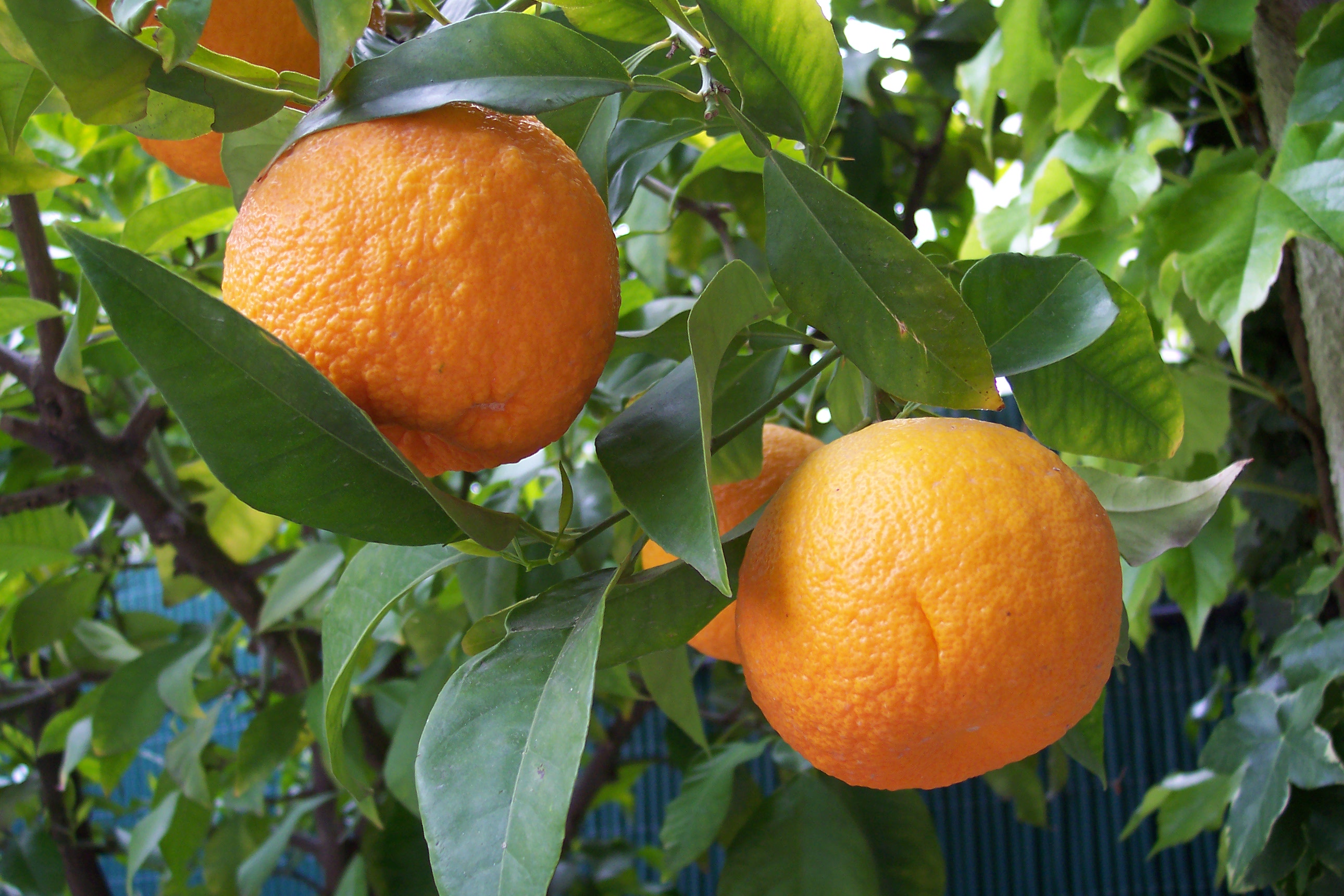 Bitter OrangeCitrus aurantium
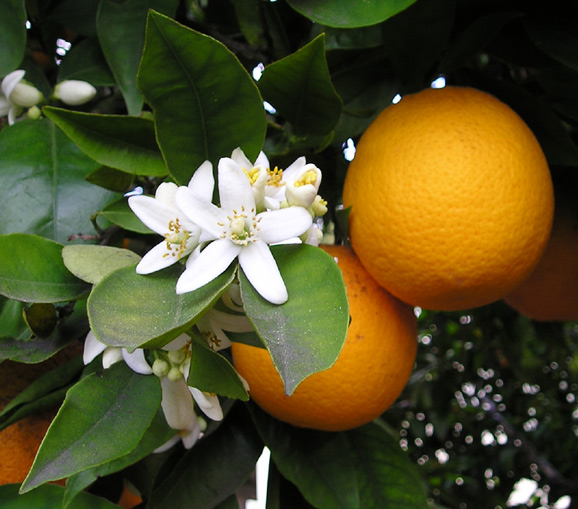 Sweet OrangeCitrus sinensis
Nearby on the shelf
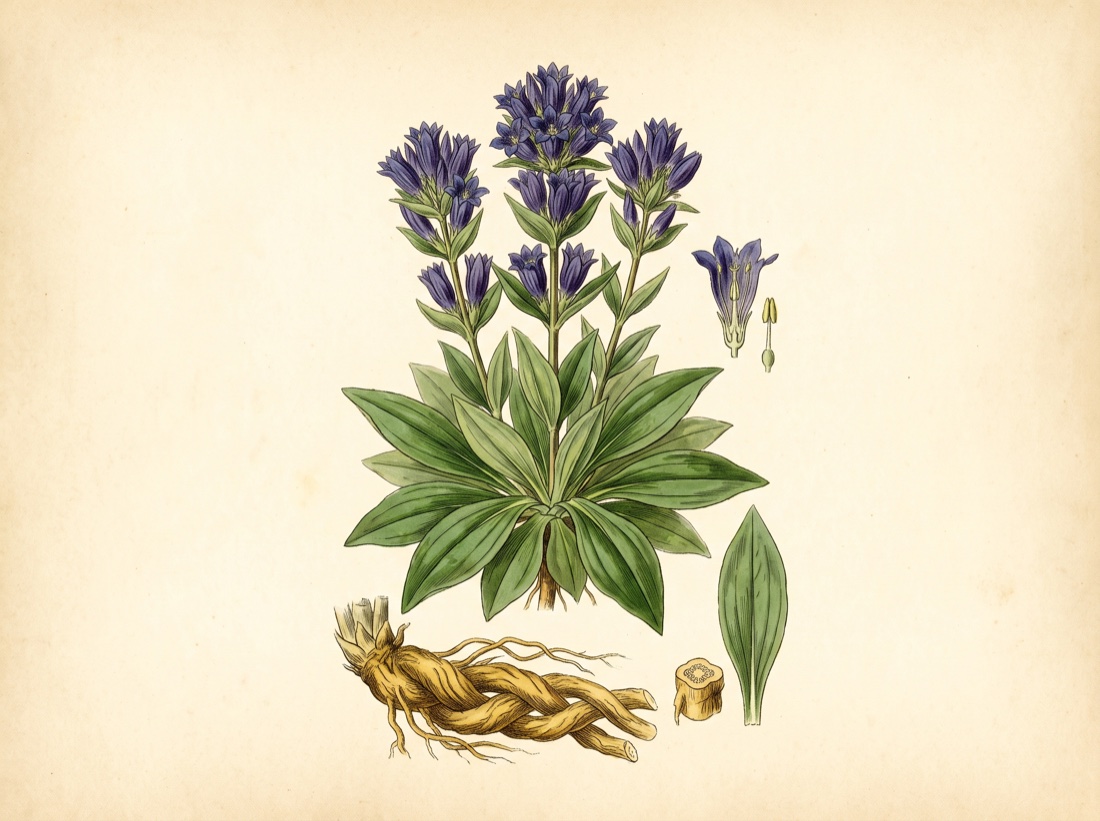 Large-leaf gentianGentiana macrophylla
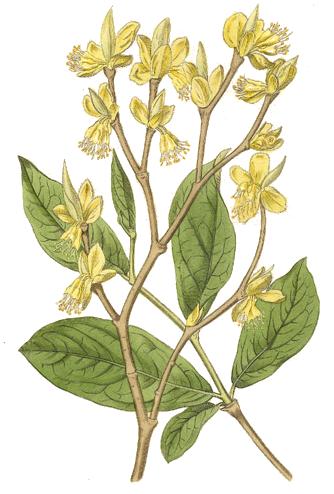 LeatherwoodDirca
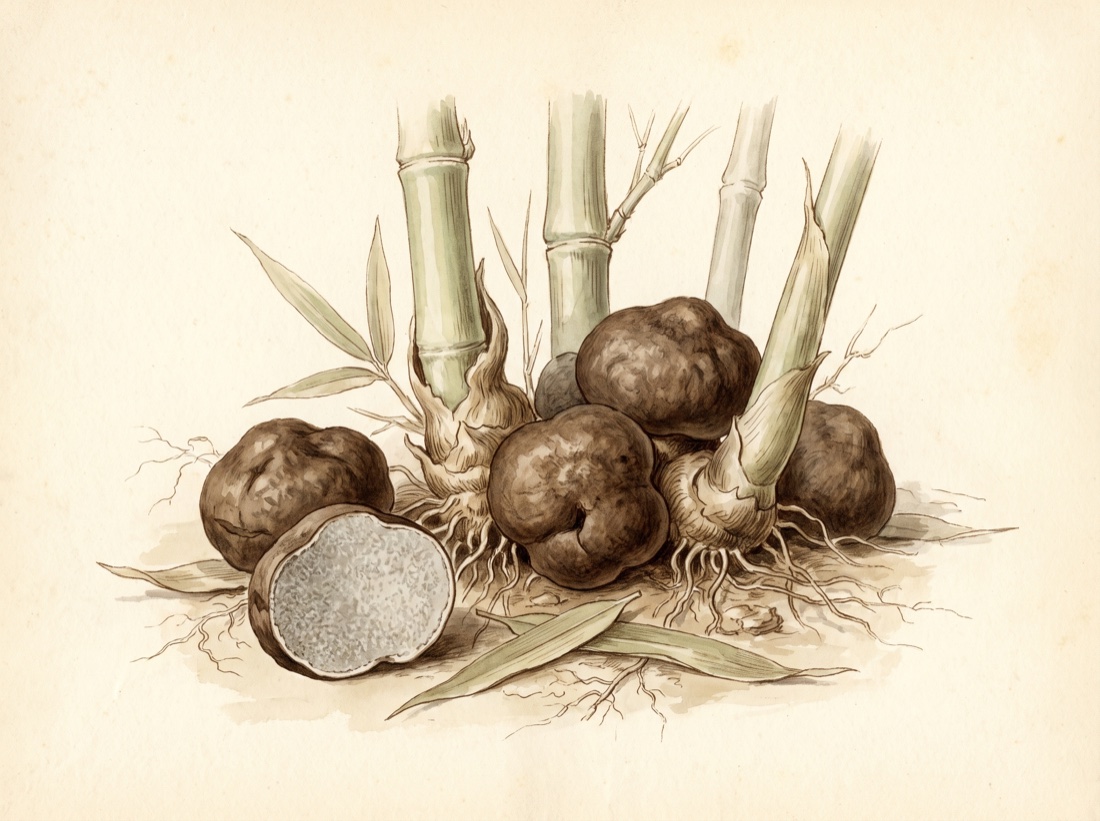 Lei wanOmphalia lapidescens
 Lemon BalmMelissa officinalis
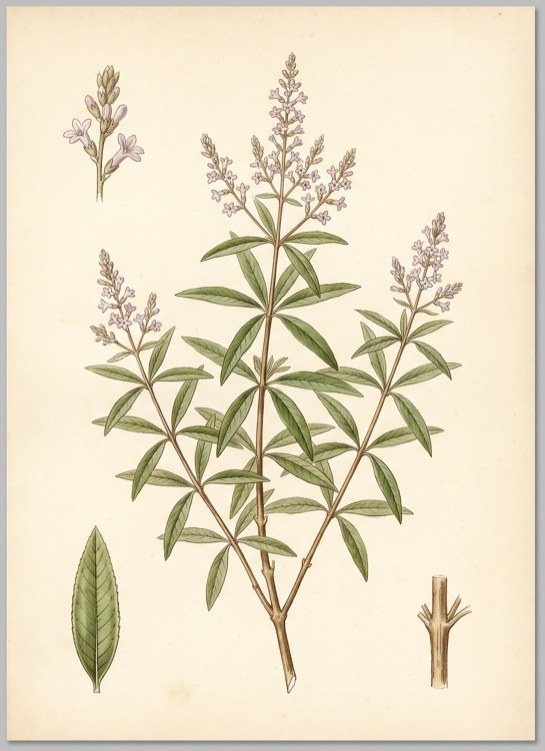 Lemon VerbenaAloysia citrodora
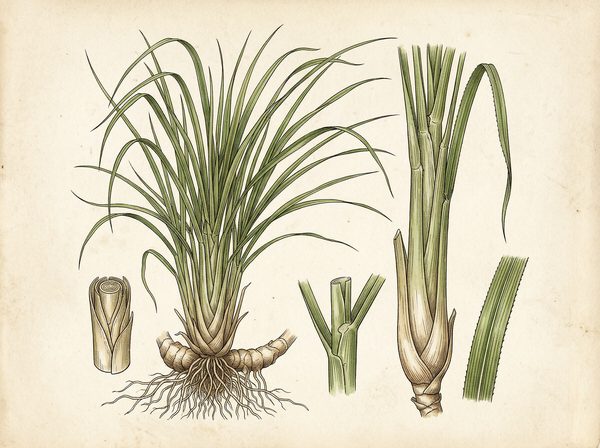 LemongrassCymbopogon citratus
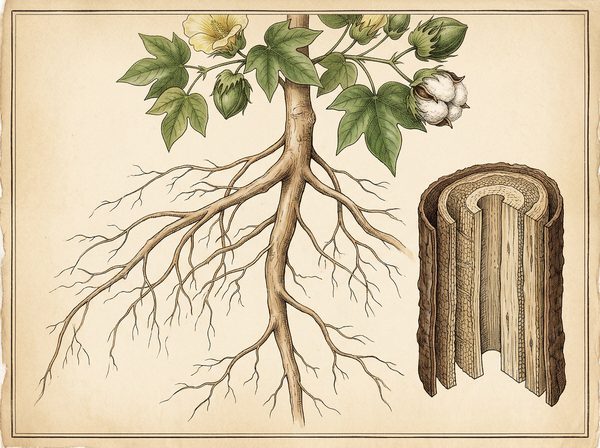 Levant cottonGossypium herbaceum
The whole plate is in the library. The compass, Compare, the Sky of eleven hundred plants and the formulary open with an email address and a password, free, with the formula builder and its safety engine. Herbert without limit, his formulating, clients, the handouts and the labels are the paid room.
Open the library, free