Chinese Herbalism
Lei wan
Omphalia lapidescens
Also known as thunder ball, omphalia sclerotium, stone mushroom, bamboo root fungus, léi wán.
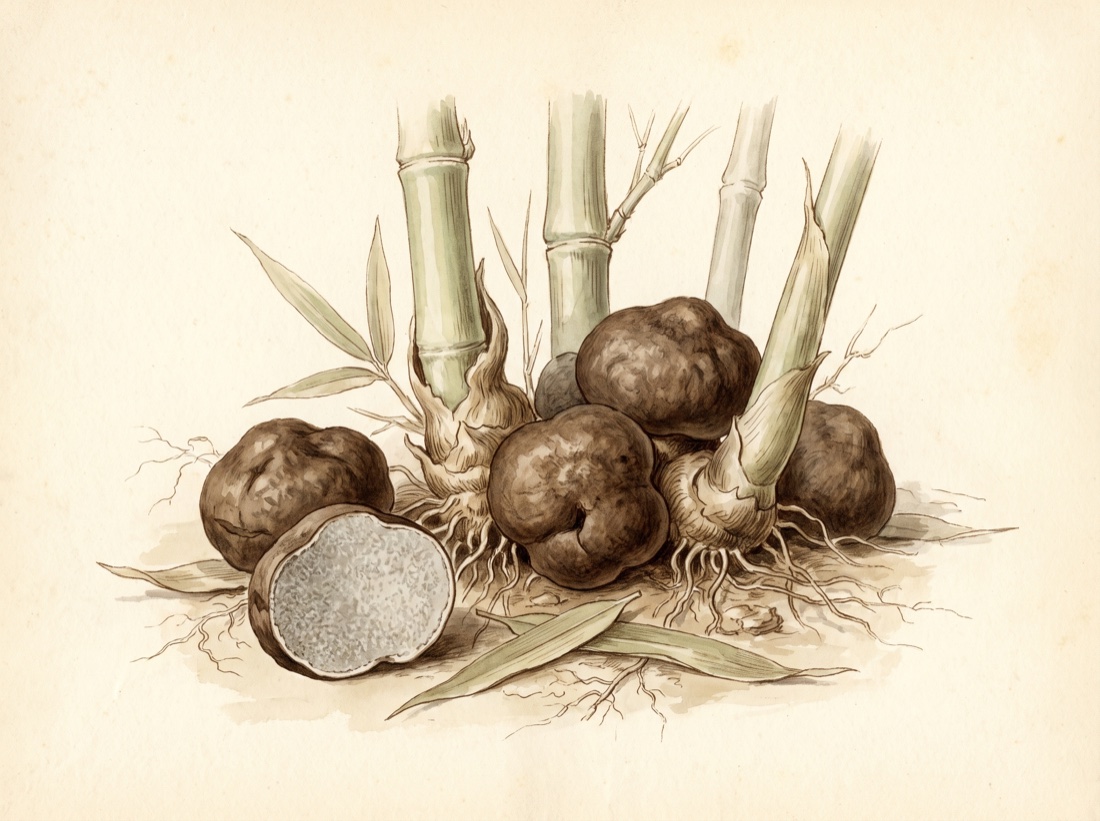
Lei wan is not a plant but a fungus: the hard, potato-like sclerotium of Omphalia lapidescens, which forms underground among bamboo roots in the mountains of central and southwestern China. The sclerotia are dug in autumn, washed, and dried. It is a cold, slightly bitter drug of the Stomach and Large Intestine channels and the classic Chinese taeniacide. Its active principle is a proteolytic enzyme, which dictates how it must be prepared and taken.

Ask Herbert about Lei wan. Herbert is the master herbalist inside Bountiful Herbs: he answers from this plate and eleven hundred others, with dosing, pairing and cautions. Your first ten questions are free.
Ask HerbertActions
Indications what the tradition reached for it in
- Tapeworm infection (Taenia saginata and Taenia solium)
- Roundworm (Ascaris) infection with colicky abdominal pain
- Hookworm infection
- Childhood malnutrition and wasting with worms (gan ji)
- Abdominal pain and distension from worm accumulation
- Mixed intestinal parasitosis as part of a deworming formula
- Food stagnation with worms in children
- Sparganosis and cysticercosis (adjunct, experimental)
Specific indications
A patient passing tapeworm segments, with a hungry but wasting appetite and vague periumbilical discomfort
A thin child with a big belly, sallow face, poor appetite, and worms seen in the stool
Roundworm colic with intermittent umbilical pain and a good appetite between attacks
Safety
The record lists 8 contraindications; open the plate in the library to read them in full.
In practice
Lei wan is the one worm herb that must never be boiled. Its activity comes from a protease destroyed by heat above about sixty degrees and active only in the neutral to mildly alkaline small intestine, so the sclerotium is ground to a fine powder and swallowed with warm, not hot, water after meals.
In Chinese medicine
Temperature: cold. Taste: slightly bitter. Channels: Stomach, Large Intestine. Actions: Kills intestinal worms, especially tapeworm; Disperses food and worm accumulation in the intestines; Relieves abdominal pain and distension caused by parasites; Restores appetite and growth in children wasted by worms.
Dosing as the sources wrote it
| Preparation | As written | Metric |
|---|---|---|
| Powder (tapeworm course) | 5-7 g powdered sclerotium three times daily after meals with warm water for 3 days | 5000-7000 mg |
| Powder (roundworm or hookworm) | 3-6 g powdered sclerotium twice daily with warm water for 3-5 days | 3000-6000 mg |
| Pills or capsules | 15-21 g powdered sclerotium daily in divided doses in capsules for 3 days | 15000-21000 mg |
Doses are reproduced from the sources for practitioners and are not a recommendation for any person.
From the sources
Overview. Lei wan is not a plant but a fungus: the hard, potato-like sclerotium of Omphalia lapidescens, which forms underground among bamboo roots in the mountains of central and southwestern China. The sclerotia are dug in autumn, washed, and dried. It is a cold, slightly bitter drug of the Stomach and Large Intestine channels and the classic Chinese taeniacide. Its active principle is a proteolytic enzyme, which dictates how it must be prepared and taken.
Clinical Notes. Lei wan is the one worm herb that must never be boiled. Its activity comes from a protease destroyed by heat above about sixty degrees and active only in the neutral to mildly alkaline small intestine, so the sclerotium is ground to a fine powder and swallowed with warm, not hot, water after meals.
Chinese Medicine Profile. Temperature: cold. Taste: slightly bitter. Channels: Stomach, Large Intestine. Actions: Kills intestinal worms, especially tapeworm; Disperses food and worm accumulation in the intestines; Relieves abdominal pain and distension caused by parasites; Restores appetite and growth in children wasted by worms.
Conservation. Sclerotia are mostly wild-harvested from bamboo forests and the resource is under pressure; cultivation methods are being developed, so prefer cultivated or sustainably sourced material where it can be found.
In formulas
Lei wan stands in 1 documented formula in the library, among them lián méi ân hui tāng.
Often paired with
 cutch treeAcacia catechu
 Szechuan PepperZanthoxylum bungeanum
 Wu MeiPrunus mume
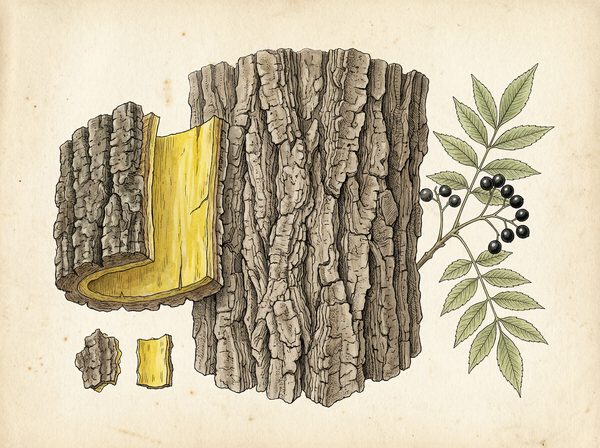 Huang BaiPhellodendron amurense
 Kava kavaPiper methysticum
Nearby on the shelf
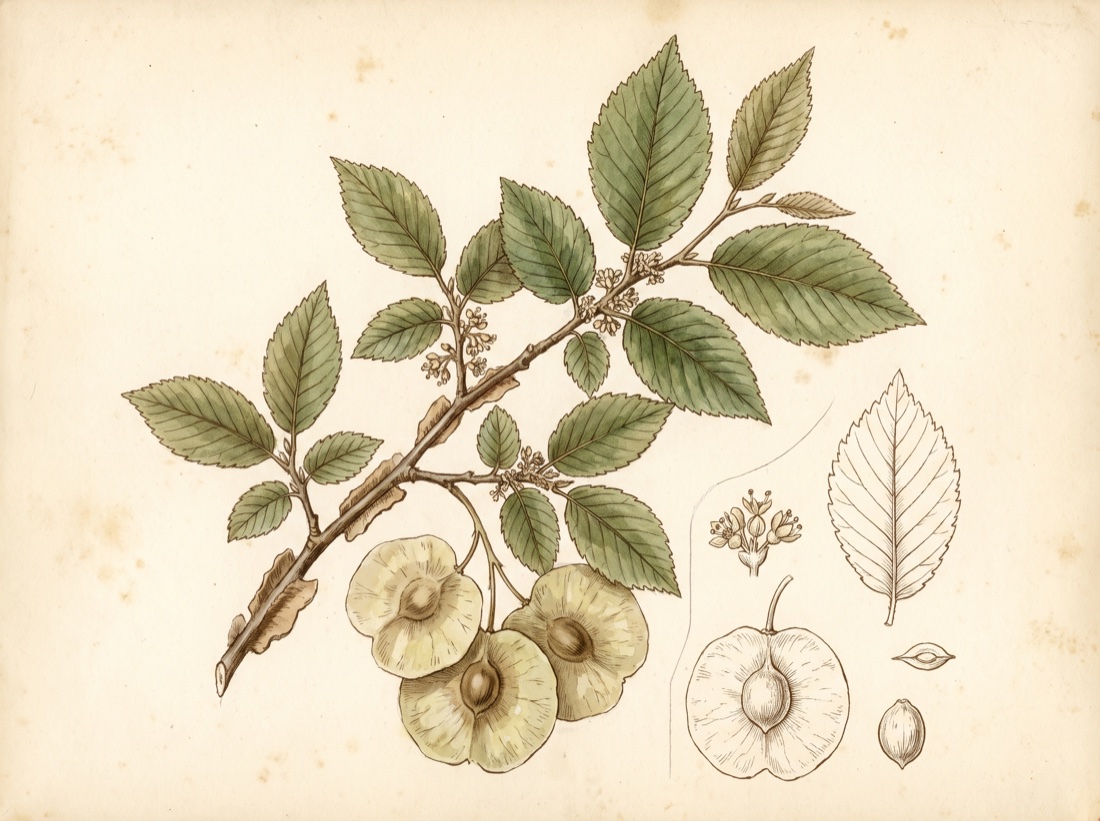 Large-fruited elmUlmus macrocarpa
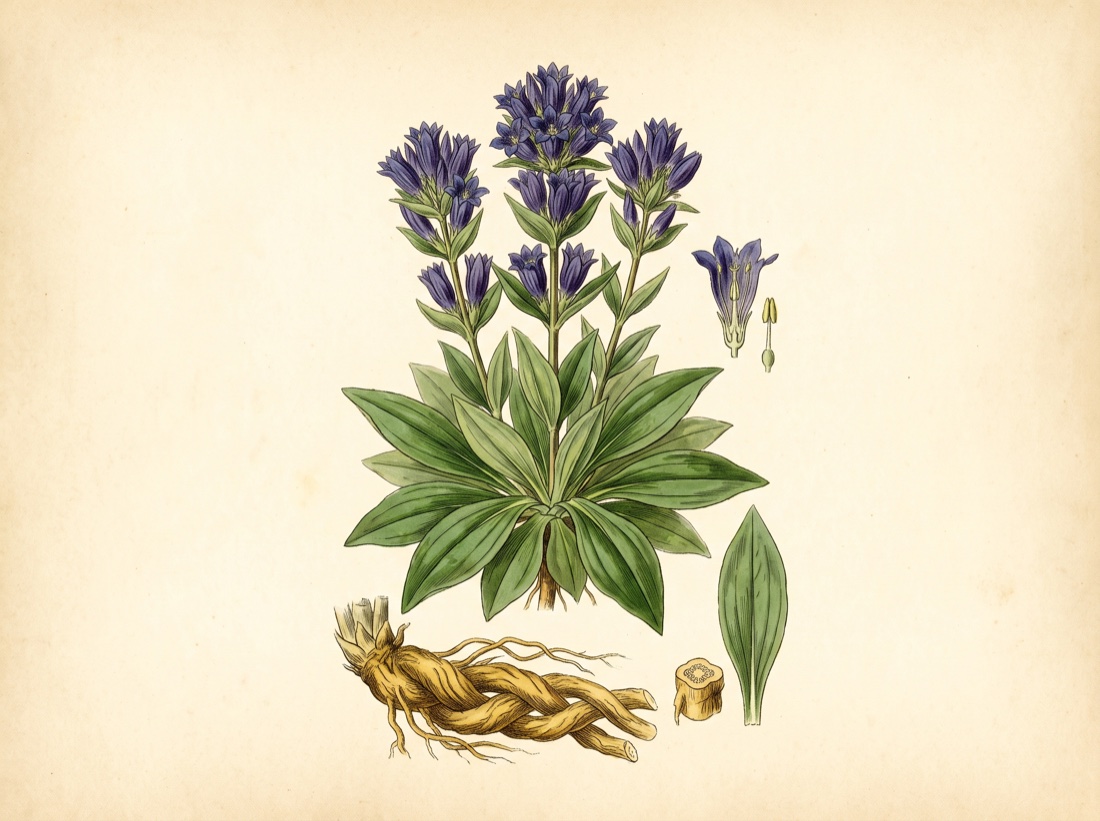 Large-leaf gentianGentiana macrophylla
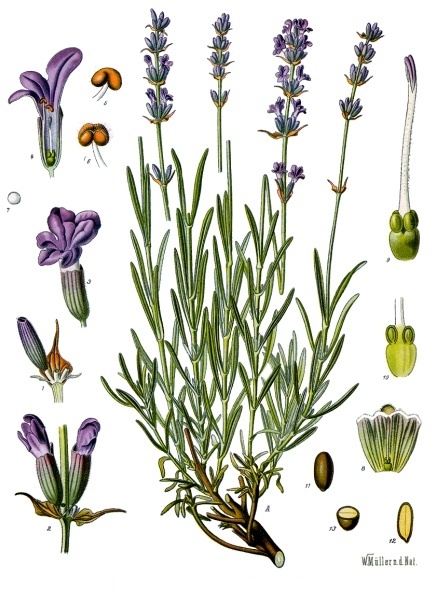 LavenderLavandula spp.
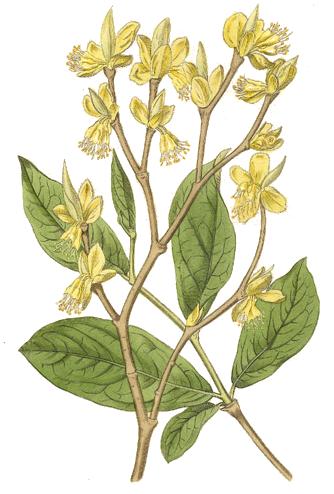 LeatherwoodDirca
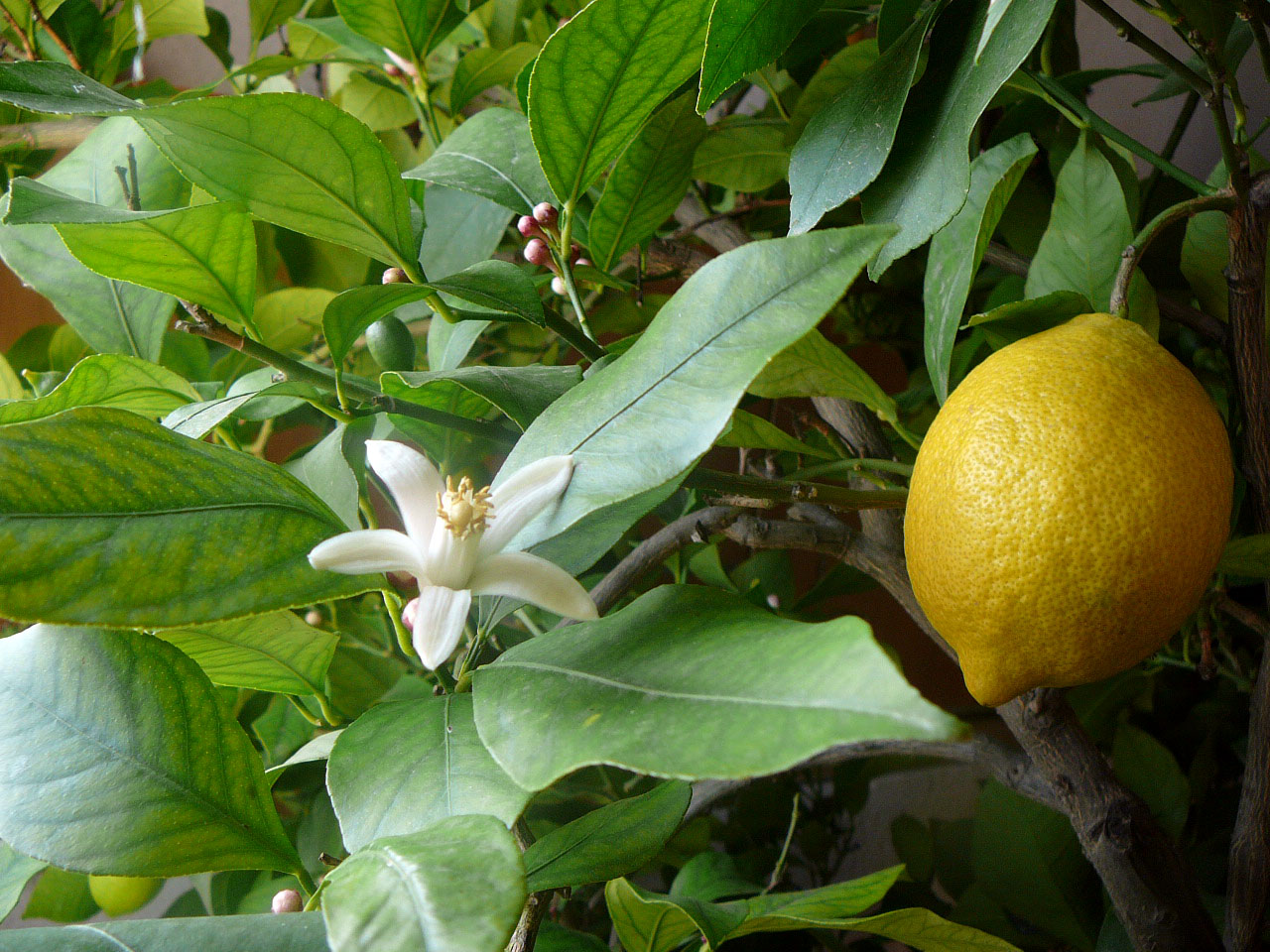 LemonCitrus limon
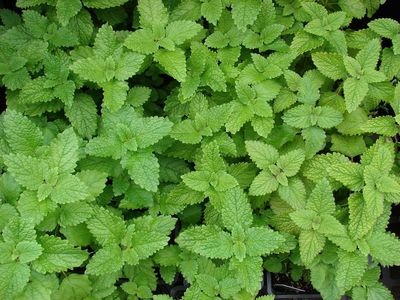 Lemon BalmMelissa officinalis
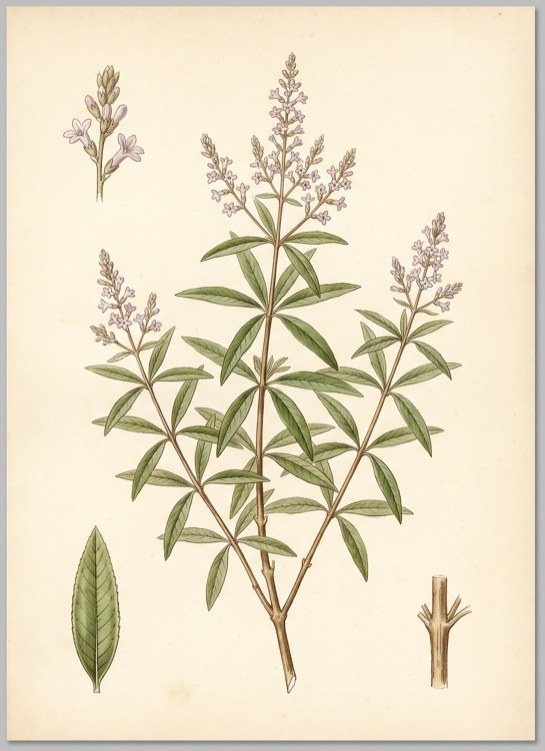 Lemon VerbenaAloysia citrodora
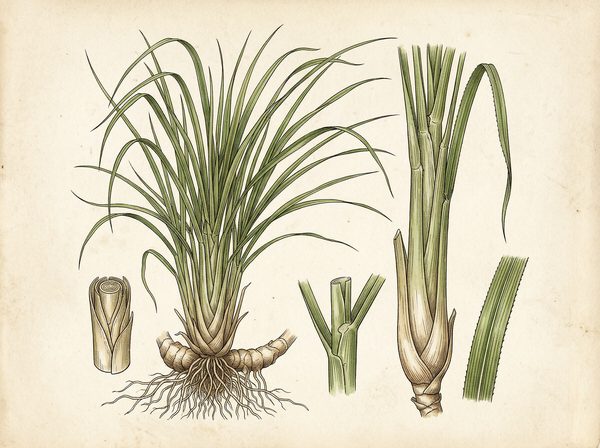 LemongrassCymbopogon citratus
The whole plate is in the library. The compass, Compare, the Sky of eleven hundred plants and the formulary open with an email address and a password, free, with the formula builder and its safety engine. Herbert without limit, his formulating, clients, the handouts and the labels are the paid room.
Open the library, free