Western Herbalism
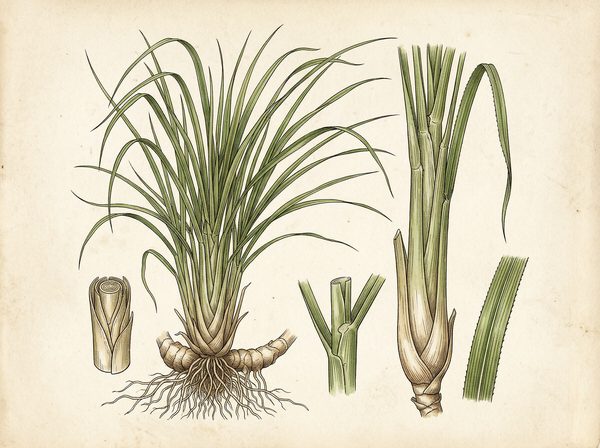
Lemongrass
Cymbopogon citratus
Also known as Cymbopogon flexuosus.
Lemongrass acts primarily as: Carminative, Antispasmodic, Antimicrobial, Anti-inflammatory, Diaphoretic, Analgesic, Antifungal, Antidiarrheal. Secondary actions include Antioxidant, Antitussive, Expectorant, Antipyretic, Galactagogue, Hypoglycemic.

Ask Herbert about Lemongrass. Herbert is the master herbalist inside Bountiful Herbs: he answers from this plate and eleven hundred others, with dosing, pairing and cautions. Your first ten questions are free.
Ask HerbertActions
Indications what the tradition reached for it in
- Catarrh
- Acute fevers
- Colic
- Indigestion
- Gastroenteritis
- Joint pain
- Rheumatism
- Inflammation
- Bronchitis
- Bacterial infections
- Asthma
- Abdominal cramps
- Nausea
- High cholesterol
- Fungal infections
- Anxiety
- Hypertension
- Menstrual cramps
- Headache
- Cough
- Gas
- Hyperglycemia
- Muscle pain
- Diarrhea
- Nervous tension
- Bloating
- Dysmenorrhea
- Abdominal distension
- Cramps
- Digestive discomfort
Safety
Pregnancy: Pregnancy Caution
The record lists 5 contraindications; open the plate in the library to read them in full.
Dosing as the sources wrote it
| Preparation | As written | Metric |
|---|---|---|
| Infusion or decoction | Infusion or decoction 2-9g dried leaf/day | 2000-9000 mg |
| Tincture | Tincture (1:5 in 45% alcohol) 5-15ml | 5-15 mL |
| Topical (diluted in carrier) | Topical: typical 0.7% in carrier; face/sensitive avoid; dermal maximum 0.7%. High citral; sensitizing above ~0.7%. | |
| Internal (oral) | Not recommended internally ... insufficient current safety data for the essential oil; use the culinary herb or tea instead. No established oral oil dose; use the culinary grass/tea. |
Doses are reproduced from the sources for practitioners and are not a recommendation for any person.
From the sources
primary-actions. Lemongrass acts primarily as: Carminative, Antispasmodic, Antimicrobial, Anti-inflammatory, Diaphoretic, Analgesic, Antifungal, Antidiarrheal. Secondary actions include Antioxidant, Antitussive, Expectorant, Antipyretic, Galactagogue, Hypoglycemic.
indications. Lemongrass is traditionally indicated for: Catarrh, Acute fevers, Colic, Indigestion, Gastroenteritis, Joint pain, Rheumatism, Inflammation, Bronchitis, Bacterial infections, Asthma, Abdominal cramps, Nausea, High cholesterol, Fungal infections, and 30 further conditions.
constituents. Notable constituents of Lemongrass include: Citral (geranial, neral), myrcene, geraniol, nerol, citronellal, terpinolene, geranyl acetate, luteolin, quercetin, kaempferol, apigenin (and others).
dose-reference. Reference preparation/dosing for Lemongrass: Infusion or decoction 2-9g dried leaf/day; Tincture (1:5 in 45% alcohol) 5-15ml; Tea from fresh leaves; Essential oil diluted low topical doses
Nearby on the shelf
 Lei wanOmphalia lapidescens
 LemonCitrus limon
 Lemon BalmMelissa officinalis
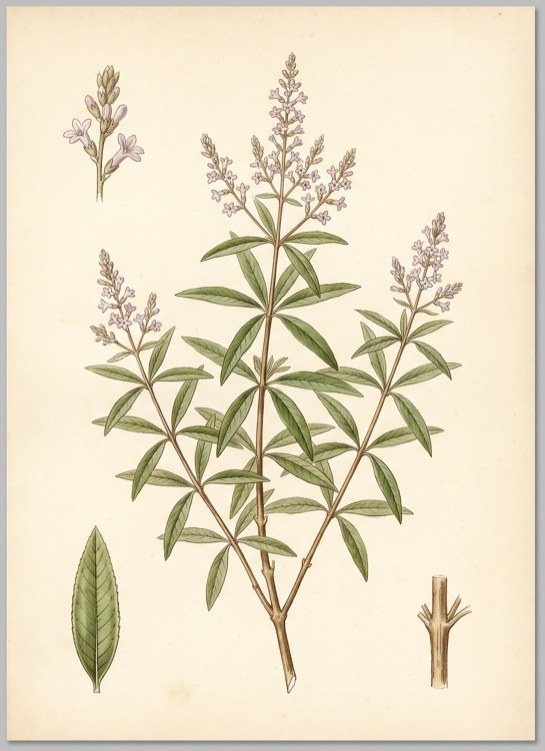 Lemon VerbenaAloysia citrodora
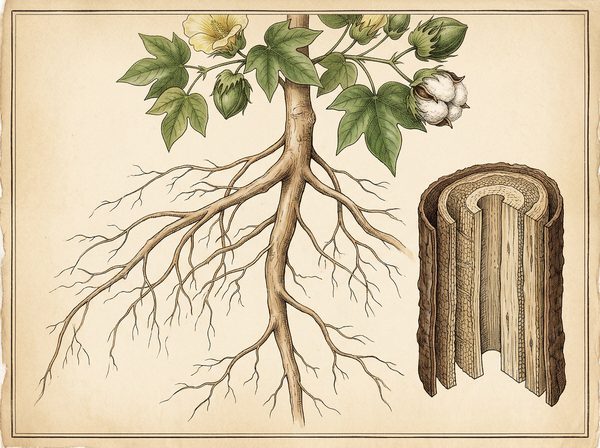 Levant cottonGossypium herbaceum
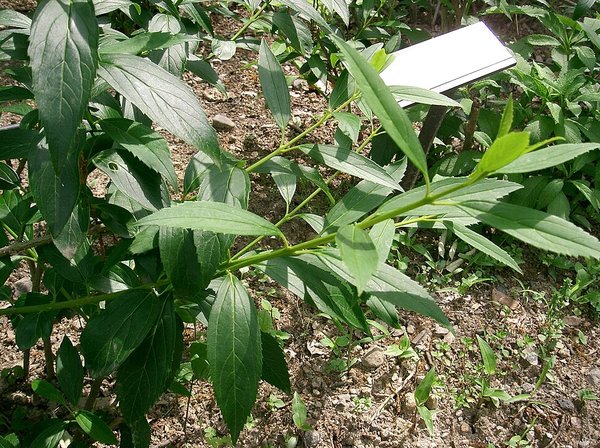 Lian QiaoForsythia suspensa
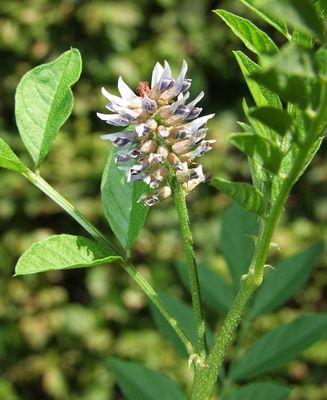 Licorice rootGlycyrrhiza glabra
 Lily of the valleyConvallaria majalis
The whole plate is in the library. The compass, Compare, the Sky of eleven hundred plants and the formulary open with an email address and a password, free, with the formula builder and its safety engine. Herbert without limit, his formulating, clients, the handouts and the labels are the paid room.
Open the library, free