Western Herbalism
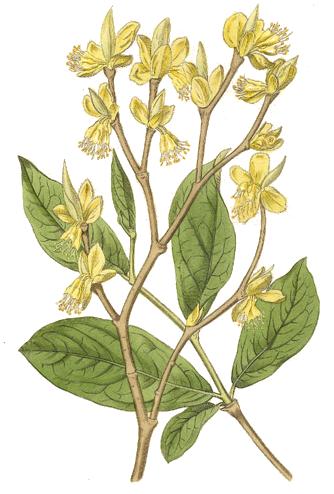
Leatherwood
Dirca palustris
Also known as Moosewood, American mezereon, Wickopy.
The bark is acrid, rubefacient, and vesicant when fresh. From 5 to 7 grains of it cause great gastric heat and uneasiness, with emesis and catharsis. In contact with the skin it produces rubefaction, followed by blisters, and the sores it occasions are frequently difficult to heal, forming very indolent and obstinate ulcers. If chewed it causes salivation, with burning pain in the tongue, gums, etc., and has thus proved useful as an irritant in paralysis of the tongue, toothache, facial neuralgia, etc. Bigelow says, that a decoction of the bark may be used as a sudorific and expectorant, in the place of senega. The berries produce vomiting, and are said to be a narcotic poison.

Ask Herbert about Leatherwood. Herbert is the master herbalist inside Bountiful Herbs: he answers from this plate and eleven hundred others, with dosing, pairing and cautions. Your first ten questions are free.
Ask HerbertSafety
Recognised toxicity. This plant carries a toxicity flag in the record; it is for trained practitioners only.
Pregnancy: Not safe. Do not use in pregnancy. The nineteenth century materia medica and an extension poisonous plant reference describe a blistering, toxic bark that causes vomiting and purging in small doses, and no safety data exist.
Breastfeeding: Not safe. Do not use while breastfeeding. The materia medica and an extension poisonous plant reference describe a strongly irritant, toxic bark, and no data exist on transfer into breast milk.
Dosing as the sources wrote it
| Preparation | As written |
|---|---|
| Action, Medical Uses, and Dosage: The bark is acrid, rubefacient, and vesicant when fresh. From 5 to 7 grains of it cause great gastric heat and uneasiness, with emesis and catharsis. In contact with the skin it produces rubefaction, followed by blisters, and the sores it occasions are frequently difficult to heal, forming very indolent and obstinate ulcers. If chewed it causes salivation, with burning pain in the tongue, gums, etc., and has thus proved useful as an irritant in paralysis of the tongue, toothache, facial neuralgia, etc. Bigelow says, that a decoction of the bark may be used as a sudorific and expectorant, in the place of senega. The berries produce vomiting, and are said to be a narcotic poison. |
Doses are reproduced from the sources for practitioners and are not a recommendation for any person.
From the sources
Action, Medical Uses, and Dosage. The bark is acrid, rubefacient, and vesicant when fresh. From 5 to 7 grains of it cause great gastric heat and uneasiness, with emesis and catharsis. In contact with the skin it produces rubefaction, followed by blisters, and the sores it occasions are frequently difficult to heal, forming very indolent and obstinate ulcers. If chewed it causes salivation, with burning pain in the tongue, gums, etc., and has thus proved useful as an irritant in paralysis of the tongue, toothache, facial neuralgia, etc. Bigelow says, that a decoction of the bark may be used as a sudorific and expectorant, in the place of senega. The berries produce vomiting, and are said to be a narcotic poison.
History, Description, and Chemical Composition. This shrub is more common to the northern and eastern states, being occasionally met with in the west. It inhabits marshy places, low swampy woods, flowering in April and May. The bark is the part used; it is very tenacious and fibrous, and hard to pulverize. It has a disagreeable odor, and a pungent taste, with considerable acrimony, producing ptyalism, which property it imparts to alcohol, and slightly to boiling water. It has been used for making ropes, thongs and baskets, and might be advantageously employed in the arts, for making paper, etc. The wood is white, soft, and very brittle. It has not been satisfactorily analyzed, though mucilage, in acrid resin, and bitter extractive have been found in it.
Botanical Source. This indigenous shrub attains the height of 5 or 6 feet, having crooked, jointed, and spreading branches. The leaves are alternate, simple, entire, on very short petioles, oblong-ovate, or obovate, downy when young, smooth and membranous when fully grown, and pale underneath.
Drawn from King's American Dispensatory, 18th edition (Felter and Lloyd), and the Bountiful Herbs editorial.
Nearby on the shelf
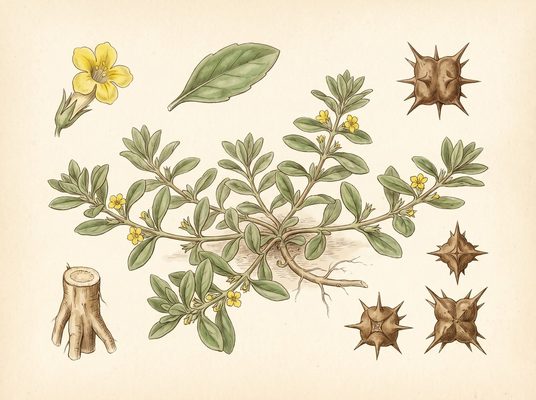 Large caltropsPedalium murex
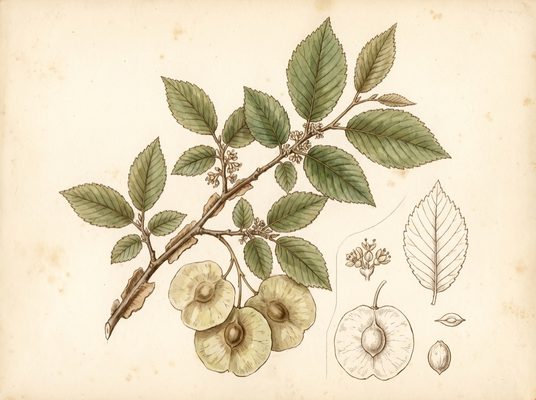 Large-fruited elmUlmus macrocarpa
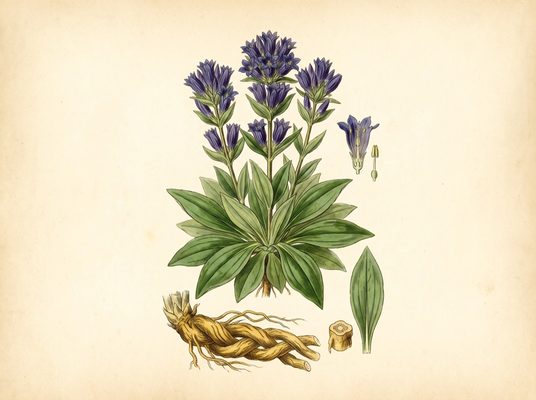 Large-leaf gentianGentiana macrophylla
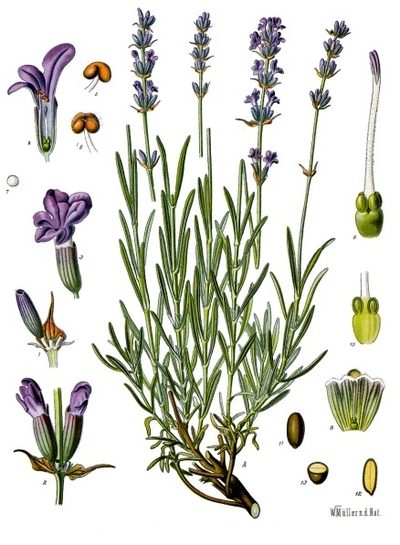 LavenderLavandula spp.
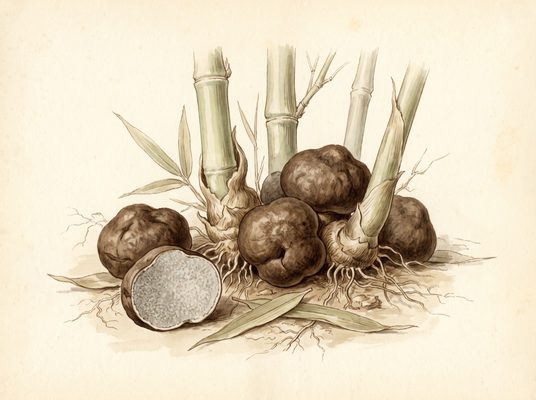 Lei wanOmphalia lapidescens
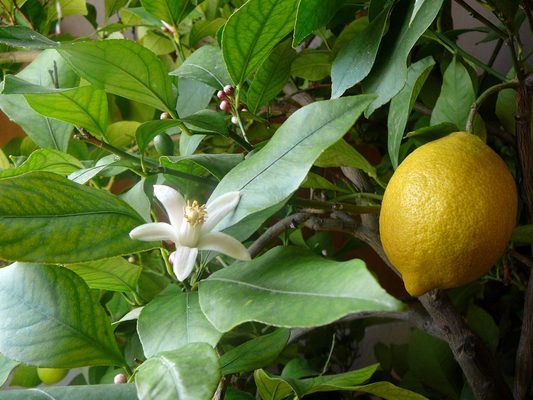 LemonCitrus limon
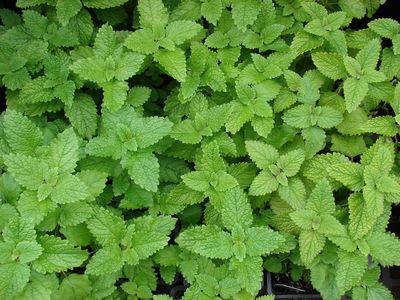 Lemon BalmMelissa officinalis
 Lemon VerbenaAloysia citrodora
The whole plate is in the library. The compass, Compare, the Sky of eleven hundred plants and the formulary open with an email address and a password, free, with the formula builder and its safety engine. Herbert in full, his formulating, clients, the handouts and the labels are the paid room.
Open the library, free