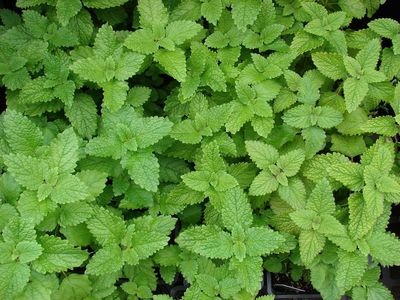
Western Herbalism
Lemon Balm
Melissa officinalis
Also known as Balm, Honeyplant, Sweet Balm, Thymus melissa Krause, Melissa, honey plant, balm mint, blue balm.
This herb forms a pleasant and slightly aromatic drink, which may be used without hesitation by all classes of fever patients, in preference to cold water. It slightly favors the flow of sweat and urine, soothes the nerves, and sometimes promotes the menstrual flow moderately. It is a popular family remedy in recent colds, and an adjunct to less pleasant diaphoretics. Medical Herbalism journal and medherb.com The Physiomedical Dispensatory by William Cook, M.D., 1869

Ask Herbert about Lemon Balm. Herbert is the master herbalist inside Bountiful Herbs: he answers from this plate and eleven hundred others, with dosing, pairing and cautions. Your first ten questions are free.
Ask HerbertActions
Indications what the tradition reached for it in
- Graves disease
- Colic
- Depression
- Dyspepsia
- Herpes viruses
- Migraine (stress-induced)
- Palpitations (Stress-induced)
- Viral infections
- Nausea
- Gas/bloating
- Hypertension
- Restlessness
- Headache
- Anxiety
- Irritable bowel syndrome
- Hyperthyroidism
- Colds
- Insomnia
- Excitability
- Flu
- Hyperactivity
- Abdominal distension
- Bloating
- Cramps
- Digestive discomfort
- Flatulence
- Gas
- Muscle spasms
- Nervous tension
- Stress
Safety
Pregnancy: Limited safety data in pregnancy
Breastfeeding: Use with care while breastfeeding
The record lists 3 contraindications; open the plate in the library to read them in full.
Dosing as the sources wrote it
| Preparation | As written | Metric |
|---|---|---|
| Tincture (1:2-1:3) | 2-5 ml TID | 2-5 mL |
| Infusion | 1 Tbs/c BID-TID | |
| Dried herb 1.5-4.5 g as an infusion in 150 mL water several times daily .(G4) Topical application Cream containing 1% of a lyophilised aqueous extract of dried leaves of Melissa officinalis (70 : 1) t | 1500-4500 mg | |
| · Fresh herb: 1.5-4.5 g two-three times daily | 1500-4500 mg | |
| · Infusion: 1.5-4.5 g in 150 mL water | 1500-4500 mg | |
| · Fluid extract (1:1) (g/mL): 6-12 mL/day | 6-12 mL |
Doses are reproduced from the sources for practitioners and are not a recommendation for any person.
From the sources
Properties and Uses. This herb forms a pleasant and slightly aromatic drink, which may be used without hesitation by all classes of fever patients, in preference to cold water. It slightly favors the flow of sweat and urine, soothes the nerves, and sometimes promotes the menstrual flow moderately. It is a popular family remedy in recent colds, and an adjunct to less pleasant diaphoretics. Medical Herbalism journal and medherb.com The Physiomedical Dispensatory by William Cook, M.D., 1869
Description. Natural Order, Labiatae. Stem in clusters, erect, branching, eighteen inches to two feet high. Leaves broadly ovate, deeply serrate, exhaling an odor much resembling lemons. Calyx bilabiate, upper lip flattened and three-toothed, lower lip two-cleft. Corolla white or cream colored, with a recurved and ascending tube, very sweet. Stamens four, curved, ascending under the upper lip. Flowers in small and one-sided clusters. Flowering in June and July.
indications. Lemon Balm is traditionally indicated for: Graves disease, Colic, Depression, Dyspepsia, Herpes viruses, Migraine (stress-induced), Palpitations (Stress-induced), Viral infections, Nausea, Gas/bloating, Hypertension, Restlessness, Headache, Anxiety, Irritable bowel syndrome, and 20 further conditions.
Drawn from Cook's Physio-Medical Dispensatory; King's American Dispensatory, 18th edition (Felter and Lloyd), and the Bountiful Herbs editorial.
In formulas
Lemon Balm stands in 27 documented formulas in the library, among them Anxiety & Stress Relief Formula, Depression & Mood Support Formula, jia jiǎn dá yuán yin, Léi shì xuân tou mó yuán fà, xiè huáng sǎn, wũ yè lú gẽn tāng.
Often paired with
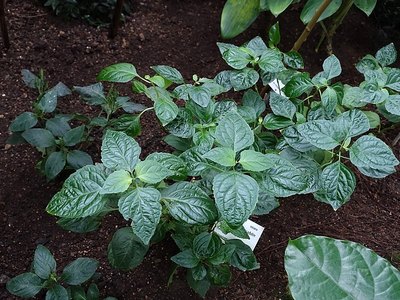 PatchouliPogostemon cablin
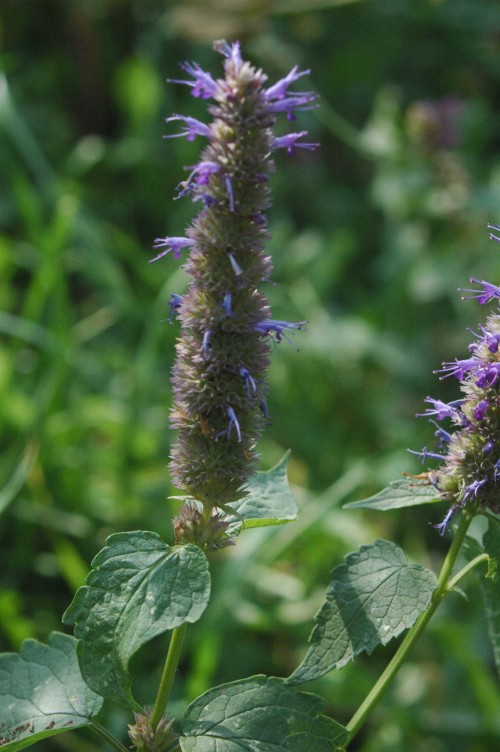 Korean MintAgastache rugosa
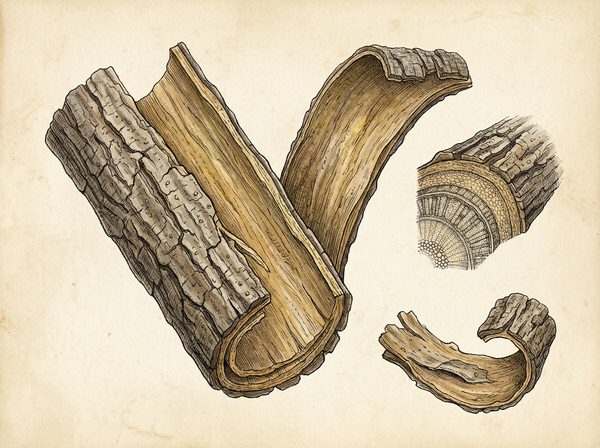 Magnolia BarkMagnolia officinalis
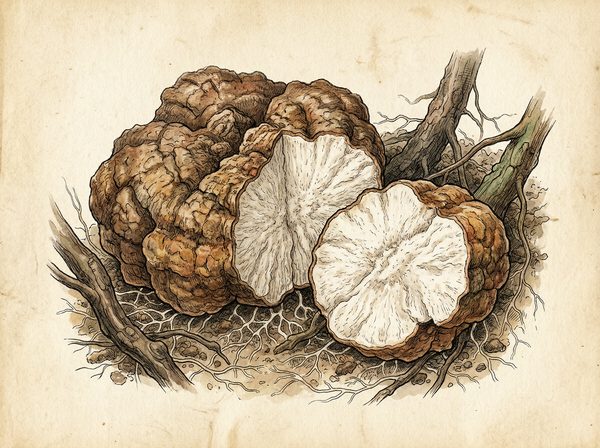 PoriaWolfiporia extensa
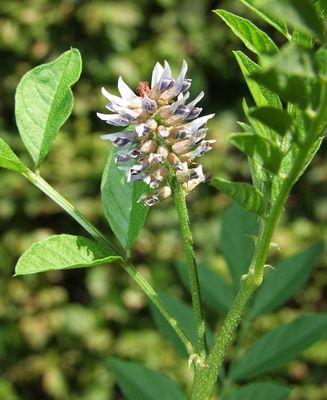 Licorice rootGlycyrrhiza glabra
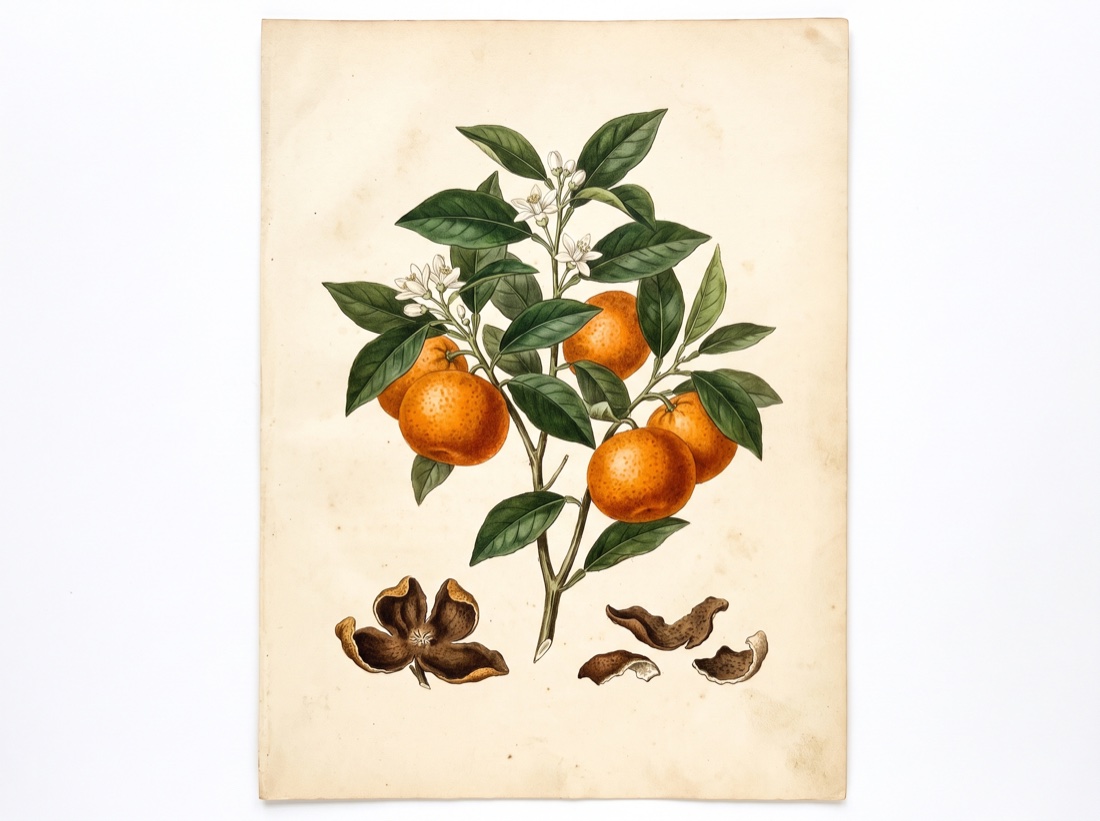 tangerineCitrus reticulata
Nearby on the shelf
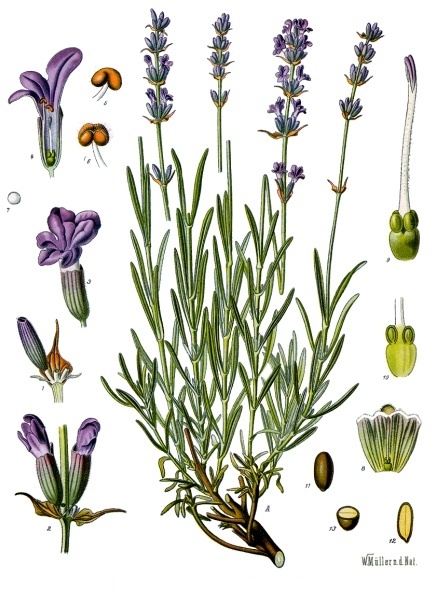 LavenderLavandula spp.
 LeatherwoodDirca
 Lei wanOmphalia lapidescens
 LemonCitrus limon
 Lemon VerbenaAloysia citrodora
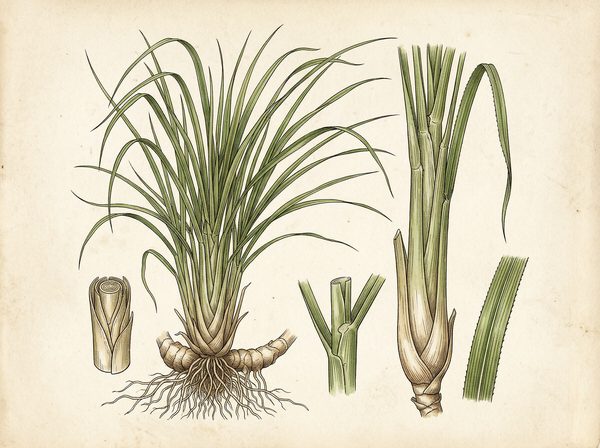 LemongrassCymbopogon citratus
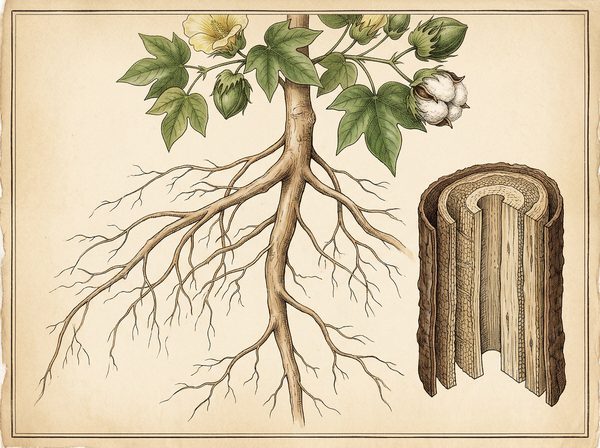 Levant cottonGossypium herbaceum
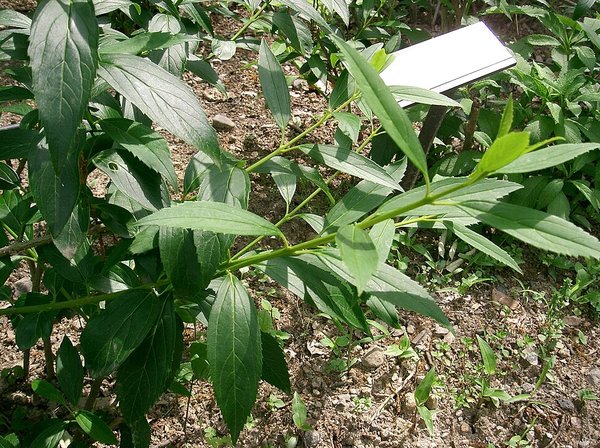 Lian QiaoForsythia suspensa
The whole plate is in the library. The compass, Compare, the Sky of eleven hundred plants and the formulary open with an email address and a password, free, with the formula builder and its safety engine. Herbert without limit, his formulating, clients, the handouts and the labels are the paid room.
Open the library, free