Chinese Herbalism
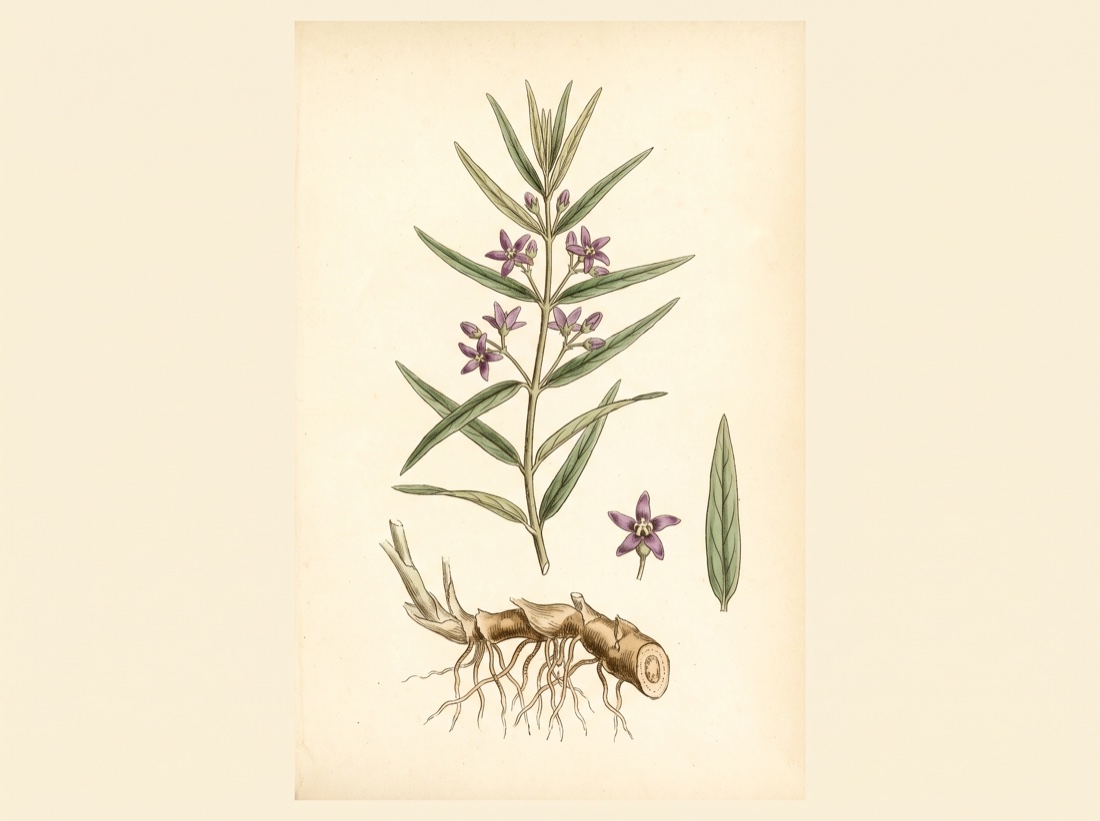
Willowleaf swallowwort
Vincetoxicum stauntonii
Also known as cynanchum root, bai qian, bái qián, mì bái qián.
Bai qian is the slender, yellowish-white rhizome and root of a swallowwort that grows along stream banks and damp ground in the lower Yangtze provinces of Zhejiang, Anhui, Jiangsu and Hubei; the glaucous-leaved Cynanchum glaucescens is an accepted alternative source. The roots are dug in autumn and dried. Botanists have moved the plant into Vincetoxicum, but the pharmacopoeial name remains Cynanchum stauntonii. It is a phlegm-dispelling cough herb of moderate temperature, so it serves in both cold and hot patterns provided phlegm is present.

Ask Herbert about Willowleaf swallowwort. Herbert is the master herbalist inside Bountiful Herbs: he answers from this plate and eleven hundred others, with dosing, pairing and cautions. Your first ten questions are free.
Ask HerbertActions
Indications what the tradition reached for it in
- Cough with copious phlegm
- Wheezing and chest oppression from phlegm obstruction
- Cough after wind-cold with phlegm that will not shift
- Rattling productive cough in children
- Chronic bronchitis with sputum
- Cough with counterflow qi and difficulty lying flat
- Phlegm-heat cough when combined with cooling herbs
- Whooping cough (in combination)
Specific indications
A wet, rattling cough with a full chest and abundant white or yellow sputum, where the patient is not weak and the phlegm must come up
Cough after a cold that has become productive and stubborn, treated with bai qian, bai bu and zi wan together
Safety
The record lists 4 contraindications; open the plate in the library to read them in full.
In practice
Bai qian earns its place by going downward. When lung qi rebels upward with phlegm, giving cough, a full chest and wheezing, it settles the qi and brings the phlegm up, and because it is only slightly warm it can be turned either way: with sang bai pi, ting li zi or huang qin for phlegm-heat, or with ban xia, zi su zi and gan jiang for cold phlegm.
In Chinese medicine
Temperature: slightly warm. Taste: acrid, bitter. Channels: Lung. Actions: Directs Lung qi downward and stops cough; Dispels phlegm and relieves wheezing from phlegm obstructing the Lung.
Dosing as the sources wrote it
| Preparation | As written | Metric |
|---|---|---|
| Decoction | 3-10 g dried rhizome and root daily | 3000-10000 mg |
| Honey-fried root in decoction | 3-10 g daily | 3000-10000 mg |
| Tincture (1:5, 45%) | 1-3 mL three times daily | 1-3 mL |
Doses are reproduced from the sources for practitioners and are not a recommendation for any person.
From the sources
Overview. Bai qian is the slender, yellowish-white rhizome and root of a swallowwort that grows along stream banks and damp ground in the lower Yangtze provinces of Zhejiang, Anhui, Jiangsu and Hubei; the glaucous-leaved Cynanchum glaucescens is an accepted alternative source. The roots are dug in autumn and dried. Botanists have moved the plant into Vincetoxicum, but the pharmacopoeial name remains Cynanchum stauntonii. It is a phlegm-dispelling cough herb of moderate temperature, so it serves in both cold and hot patterns provided phlegm is present.
Clinical Notes. Bai qian earns its place by going downward. When lung qi rebels upward with phlegm, giving cough, a full chest and wheezing, it settles the qi and brings the phlegm up, and because it is only slightly warm it can be turned either way: with sang bai pi, ting li zi or huang qin for phlegm-heat, or with ban xia, zi su zi and gan jiang for cold phlegm.
Chinese Medicine Profile. Temperature: slightly warm. Taste: acrid, bitter. Channels: Lung. Actions: Directs Lung qi downward and stops cough; Dispels phlegm and relieves wheezing from phlegm obstructing the Lung.
In formulas
Willowleaf swallowwort stands in 9 documented formulas in the library, among them má hung dèng shi wei wán, zhi sòu sǎn.
Often paired with
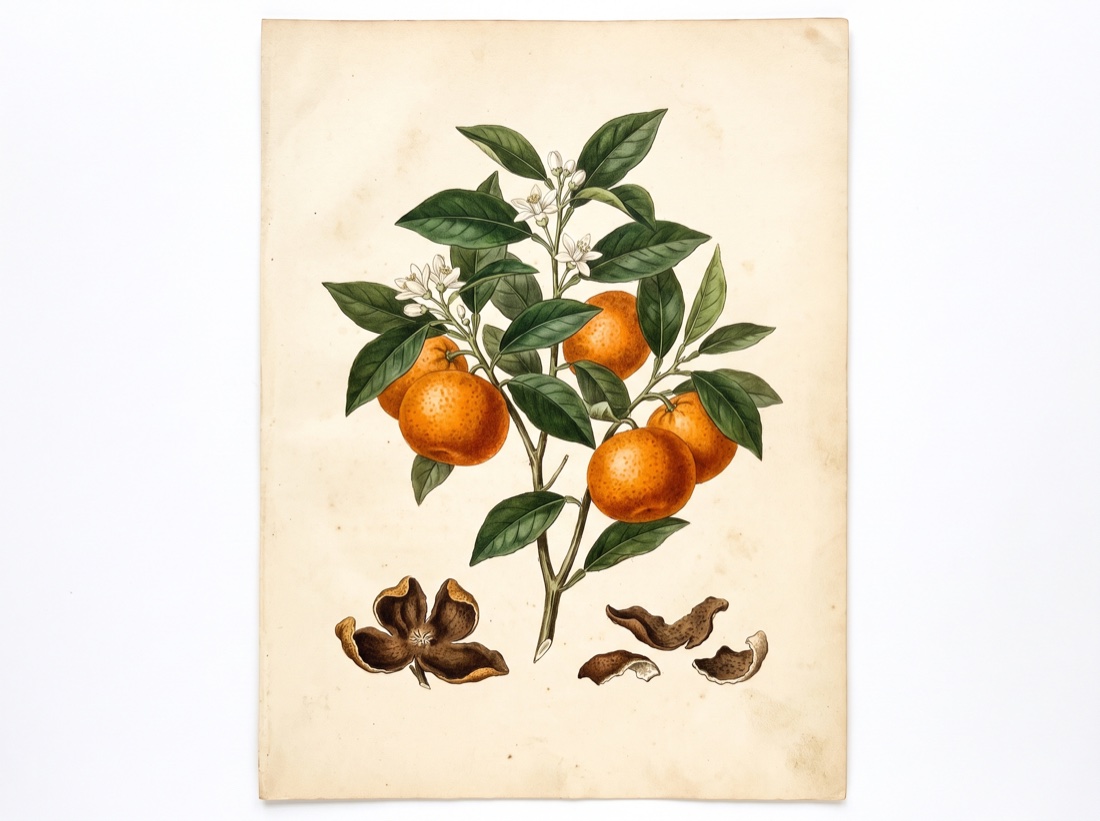 tangerineCitrus reticulata
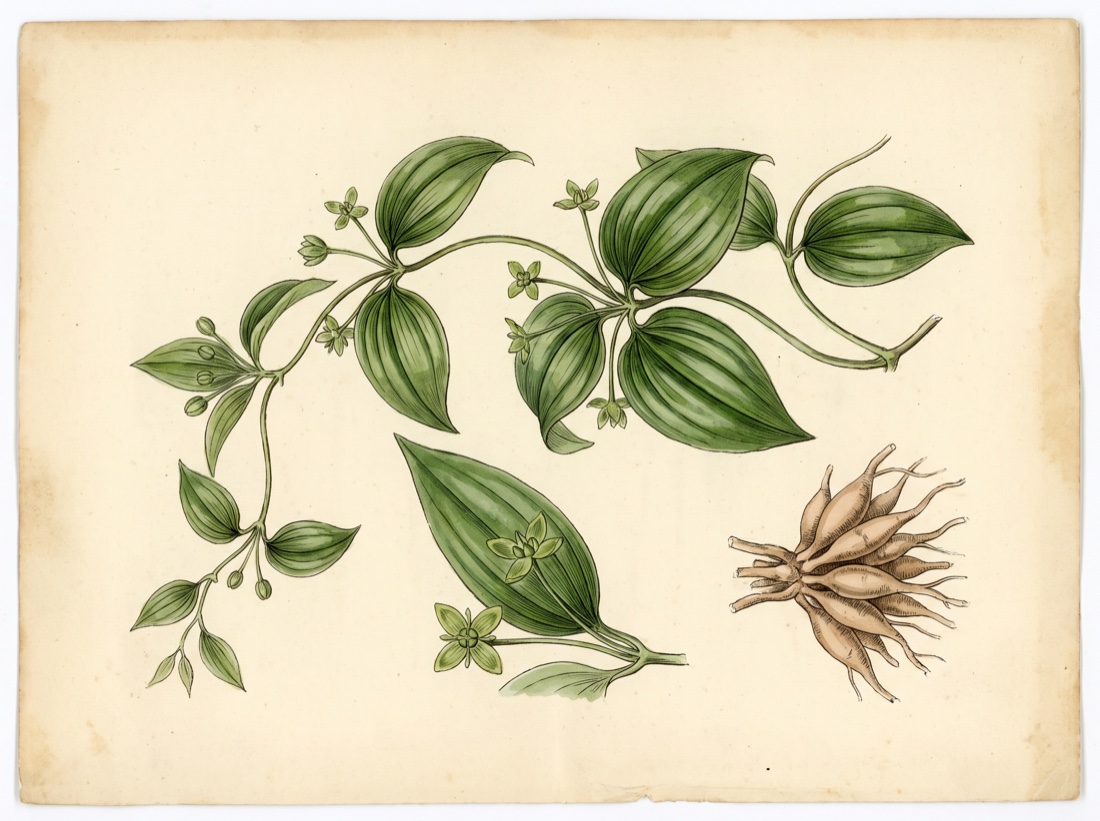 Japanese stemonaStemona japonica
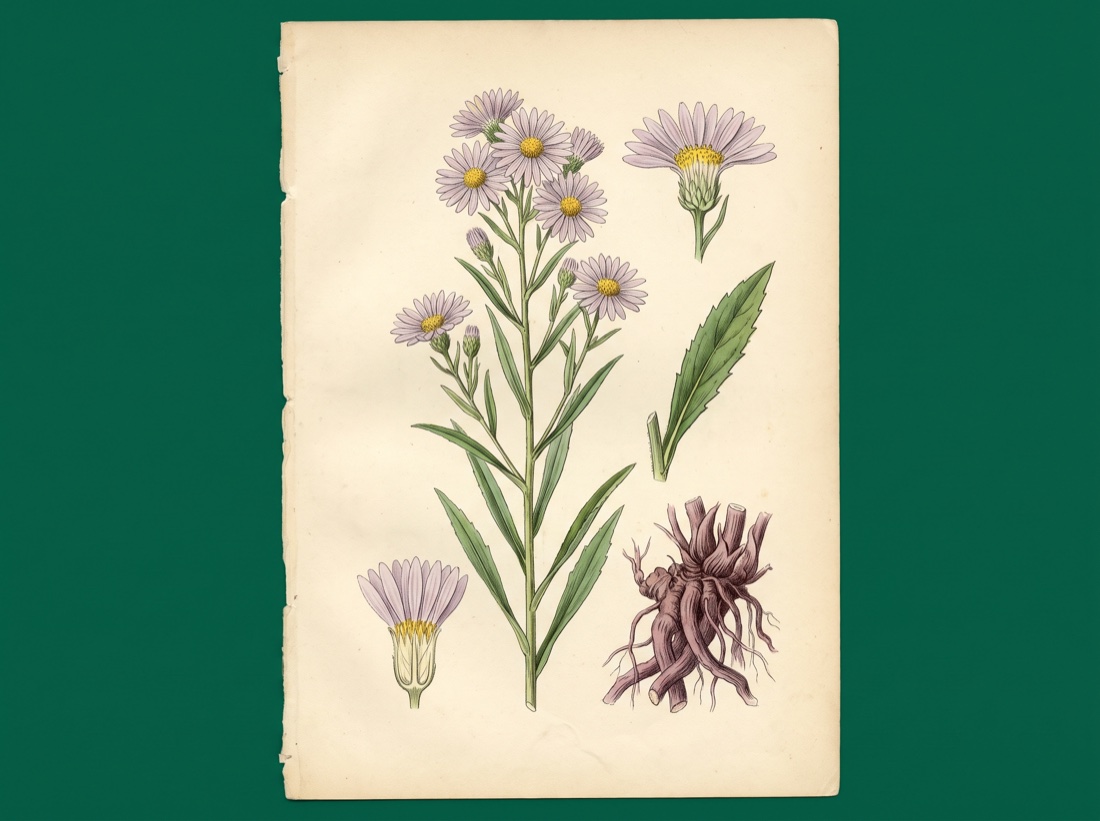 Tatarian asterAster tataricus
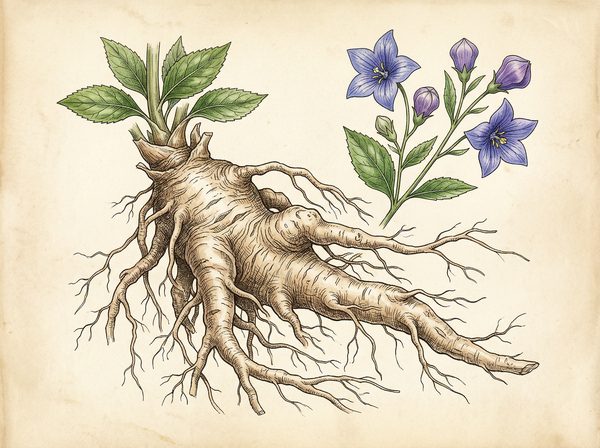 Balloon Flower RootPlatycodon grandiflorus
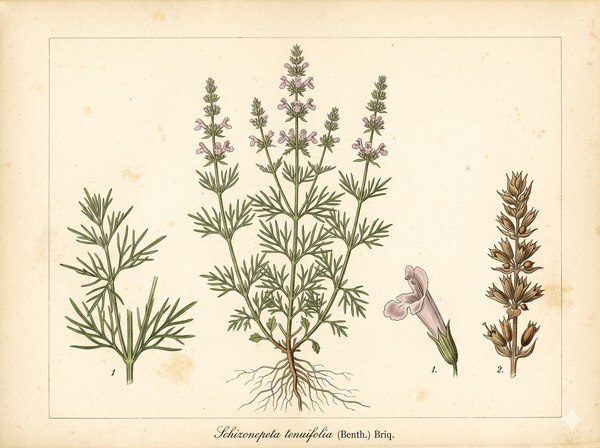 Jing JieSchizonepeta tenuifolia
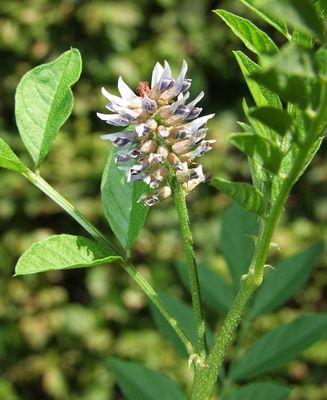 Licorice rootGlycyrrhiza glabra
Nearby on the shelf
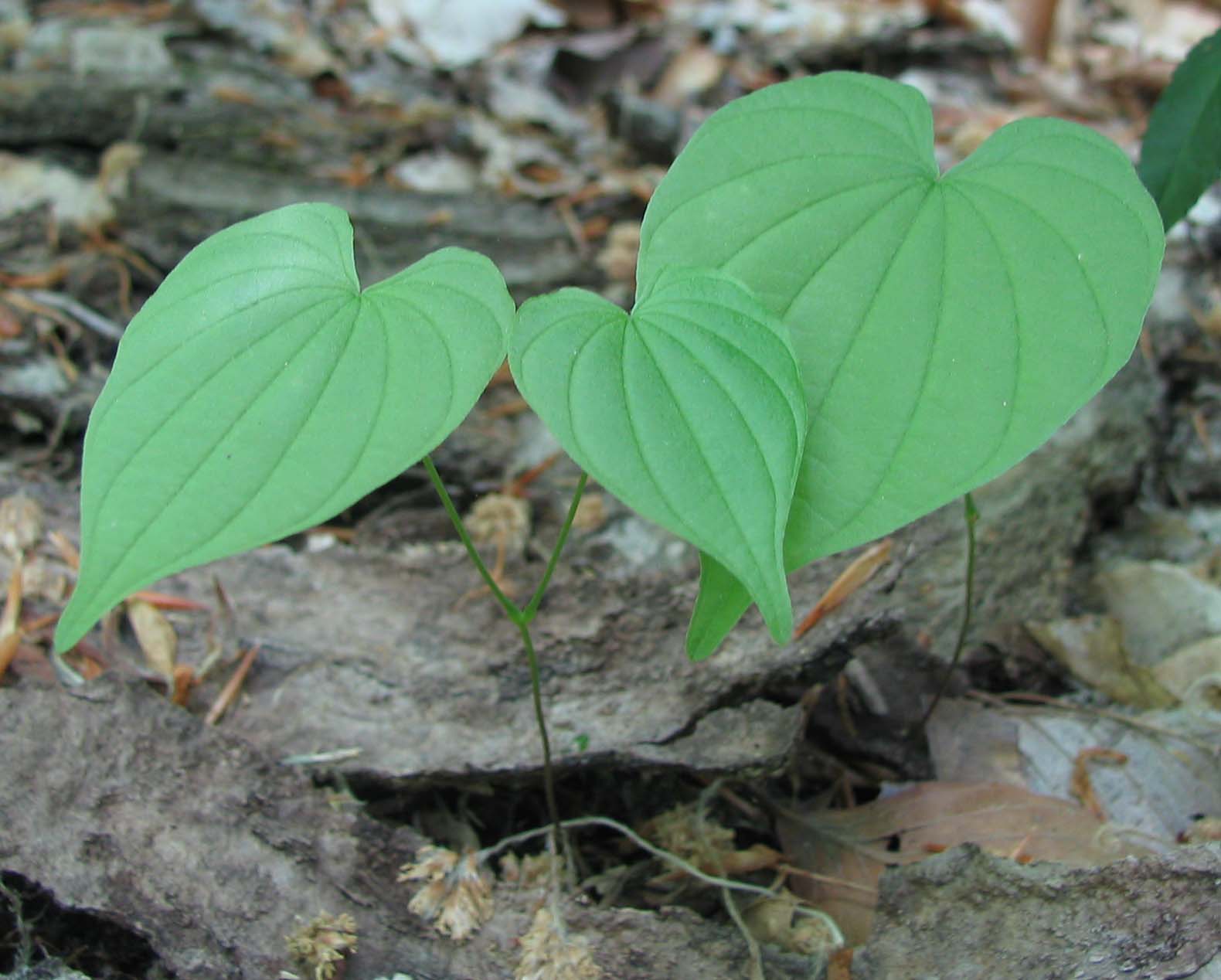 Wild yamDioscorea villosa
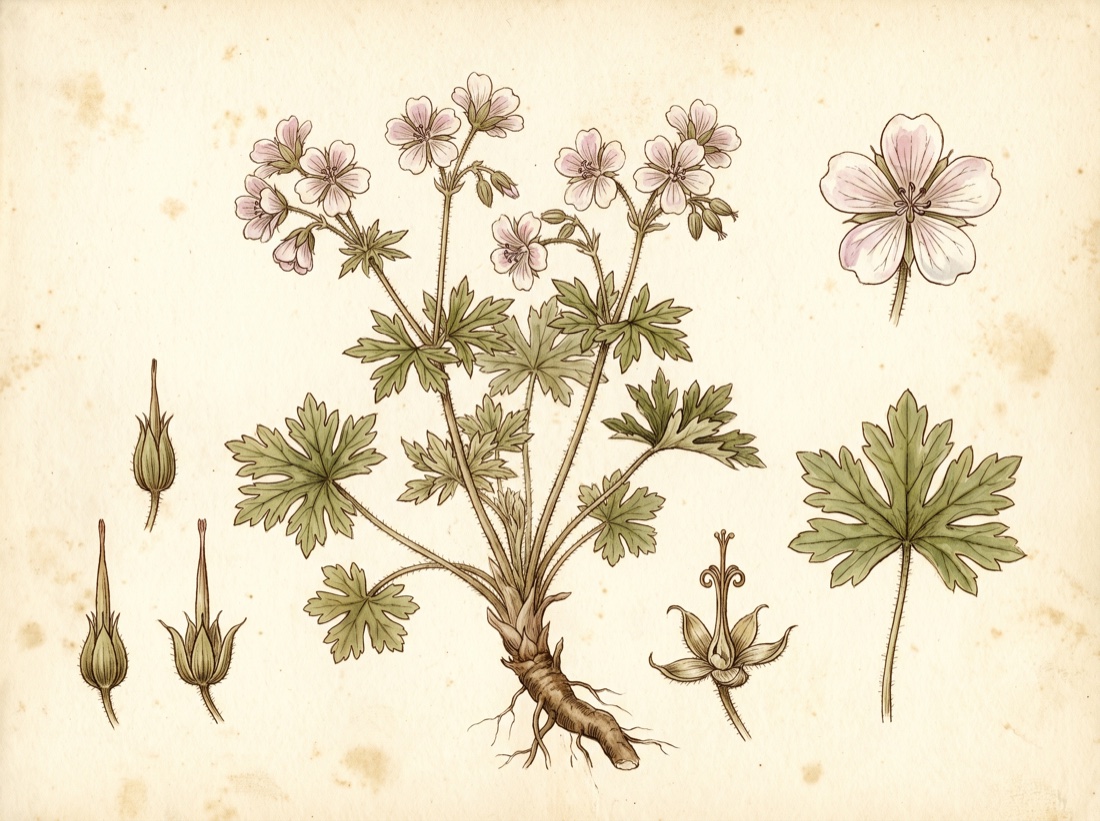 Wilford's cranesbillGeranium wilfordii
 WillowSalix spp.
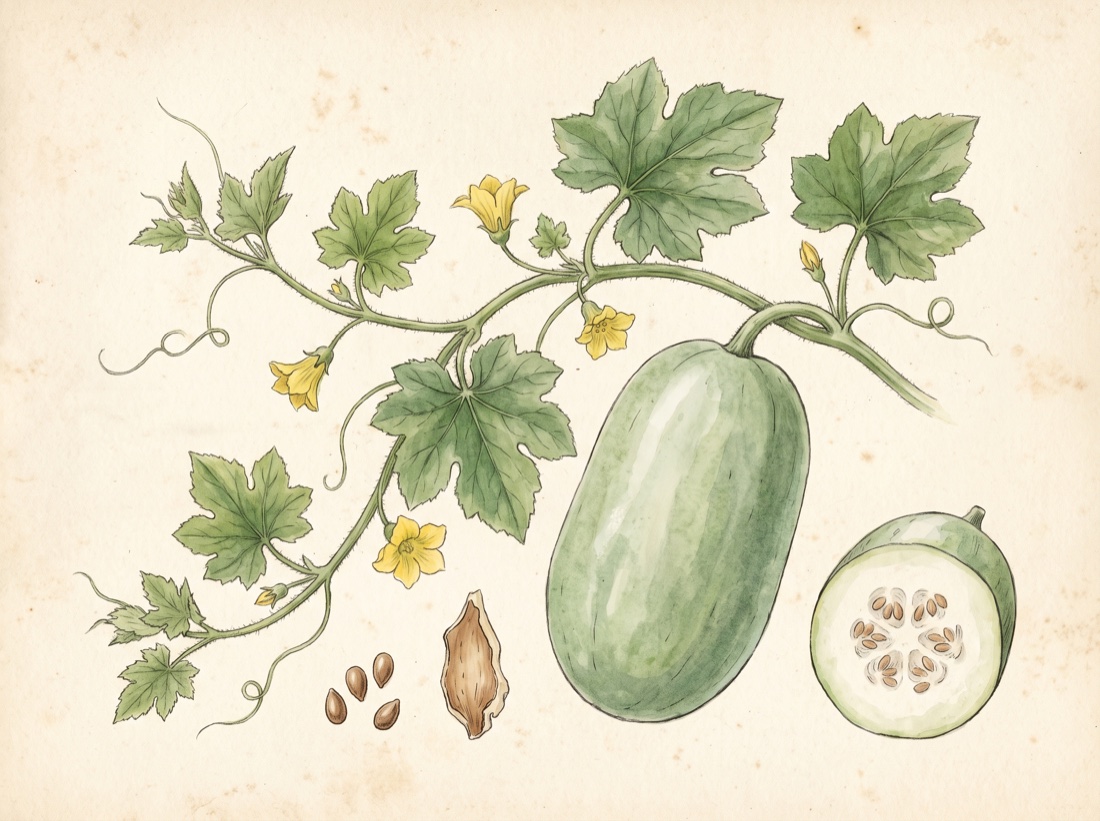 Winter melonBenincasa hispida
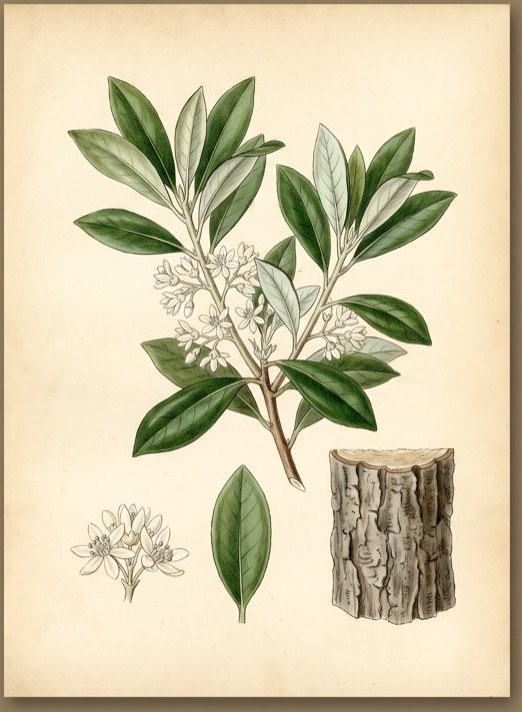 Winter's barkWintera
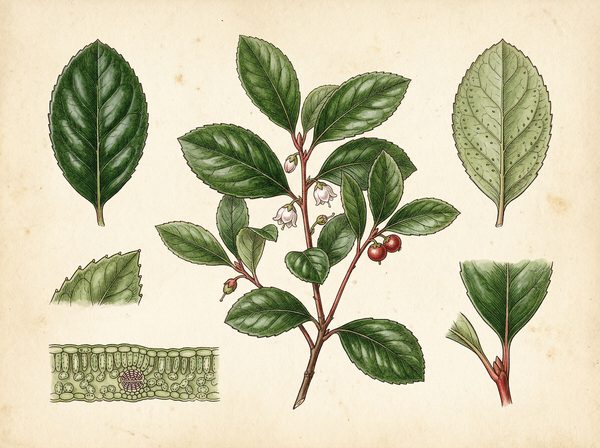 WintergreenGaultheria procumbens
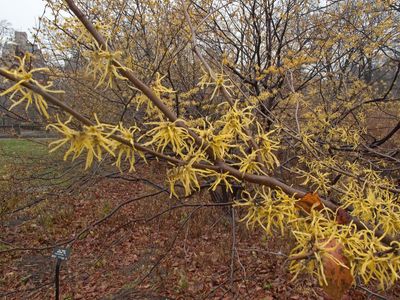 Witch hazelHamamelis virginiana
The whole plate is in the library. The compass, Compare, the Sky of eleven hundred plants and the formulary open with an email address and a password, free, with the formula builder and its safety engine. Herbert without limit, his formulating, clients, the handouts and the labels are the paid room.
Open the library, free