Western Herbalism
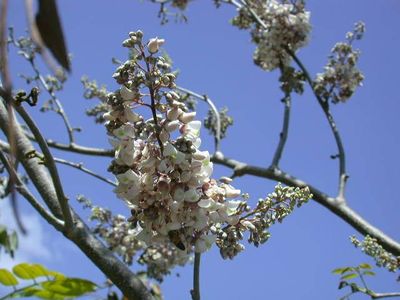
Jamaican dogwood
Piscidia piscipula
Also known as Fish poison tree, Fish Poison Bark, Blake, Quentin, Piscidia, Jamaica Dogwood.
External. Reputed to relieve toothache due to exposed dental pulp, alveolar abscess, or peridental inflammation, and has been advised locally for the relief of pain in hemorrhoids. Internally. Jamaica dogwood is used to relieve pain, overcome spasm, allay nervous excitability, and produce sleep.

Ask Herbert about Jamaican dogwood. Herbert is the master herbalist inside Bountiful Herbs: he answers from this plate and eleven hundred others, with dosing, pairing and cautions. Your first ten questions are free.
Ask HerbertActions
Indications what the tradition reached for it in
- Neuralgia
- Pain (spastic)
- Renal colic
- Anxiety
- Pain (ovarian)
- Intestinal colic
- Nervous tachycardia
- Cough (spastic)
- Insomnia (d/t anxiety or pain)
- Gallstone colic
- Pain
- Dysmenorrhea
- Migraine
- Colic
- Cramps
- Insomnia
- Muscle spasms
- Restlessness
- Headache
- Dysmenorrhoea
- Specifically for insomnia due to neuralgia
- Nervous tension
Specific indications
Insomnia and nervous unrest; spasm, pain, and nervous irritability; migraine, neuralgia.
Safety
Low dose botanical. Used in drop doses in the classical practice; not a plant to dose freely.
Pregnancy: Not for use in pregnancy
Breastfeeding: Not for use while breastfeeding
The record lists 4 contraindications; open the plate in the library to read them in full.
Dosing as the sources wrote it
| Preparation | As written | Metric |
|---|---|---|
| Tincture (1:4) | 1-2 ml BID-TID | 1-2 mL |
| Decoction | 1-2 tsp/c BID-TID | |
| Dried root bark 1-2 g as a decoction three times daily | 1000-2000 mg | |
| (G6, G7) Liquid extract 1-2 mL (1 : 1 in 30% alcohol) three times daily .(G6, G7) Liquid Extract of Piscidia (BPC 1934) 2 -8 mL | 1-2 mL | |
| Extractum Piscidiae Fluidum, Fluid Extract of Piscidia | Dose, from a half to two drams. | 1944-7776 mg |
| The agent, in doses of from a half drachm to a drachm, will produce quiet and restful sleep, when the insomnia is due to nervous excitement, mental worry or anxiety, and in elderly patients, neurasthenics and children. | 1944-3888 mg |
Doses are reproduced from the sources for practitioners and are not a recommendation for any person.
From the sources
Therapy. External. Reputed to relieve toothache due to exposed dental pulp, alveolar abscess, or peridental inflammation, and has been advised locally for the relief of pain in hemorrhoids. Internally. Jamaica dogwood is used to relieve pain, overcome spasm, allay nervous excitability, and produce sleep.
Therapy. In susceptible patients it will control pain and relieve general distress. It is distinctly a nerve sedative, and overcomes nervous excitability and also reflex irritability. It is an antispasmodic of much power in mild cases.
Action, Medical Uses, and Dosage. This agent was introduced as a remedy for rheumatism, the decoction having been so employed by the people living in the region of the Amazon. It was also reputed to be a remedy for syphilitic complaints, hence its name, vegetable mercury.
Action and Toxicology. Jamaica dogwood controls pain and produces sleep by its narcotic action. It increases salivary and cutaneous secretion, slows the pulse, first increases then lowers arterial tension (due to the heart weakening), dilates the pupils, reduces reflex activity, may induce convulsions, and proves narcotic to man and animals. Nausea, vomiting, and convulsions have followed a half-drachm dose of the fluidextract. Death, in animals, is caused by either heart failure or respiratory paralysis.
Drawn from King's American Dispensatory, 18th edition (Felter and Lloyd); Ellingwood's American Materia Medica, Therapeutics and Pharmacognosy; Felter's Eclectic Materia Medica, Pharmacology and Therapeutics, and the Bountiful Herbs editorial.
In formulas
Jamaican dogwood stands in 1 documented formula in the library, among them Muscle Spasm & Cramp Formula.
Often paired with
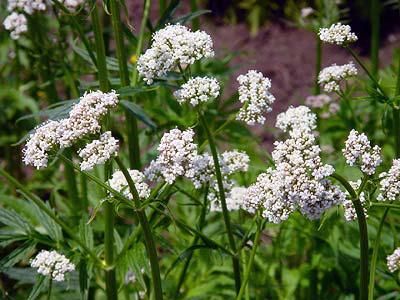 ValerianValeriana officinalis
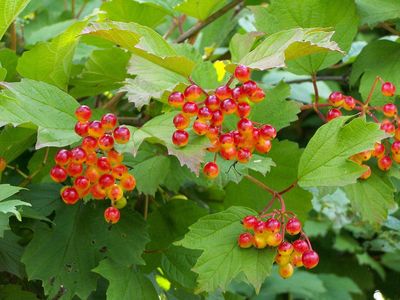 Cramp barkViburnum opulus
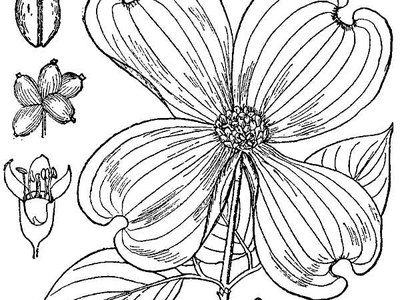 Flowering dogwoodCornus florida
Nearby on the shelf
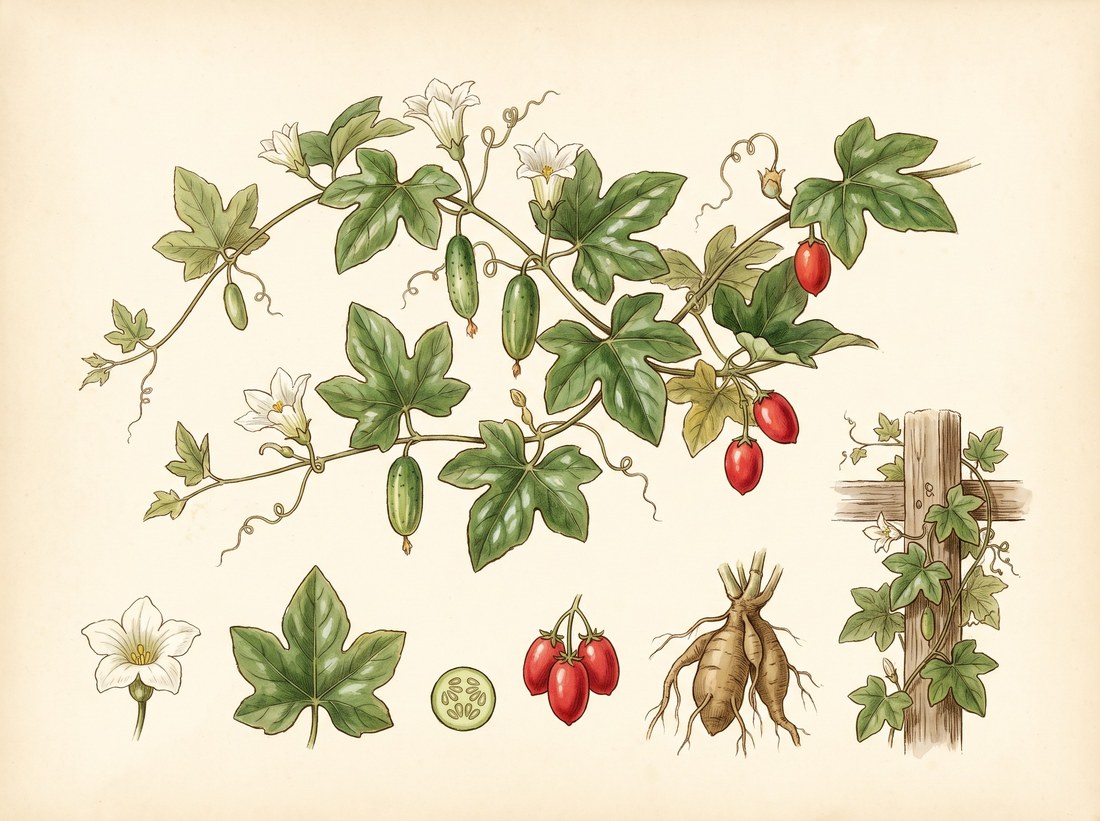 Ivy gourdCoccinia grandis
 JaborandiPilocarpus jaborandi
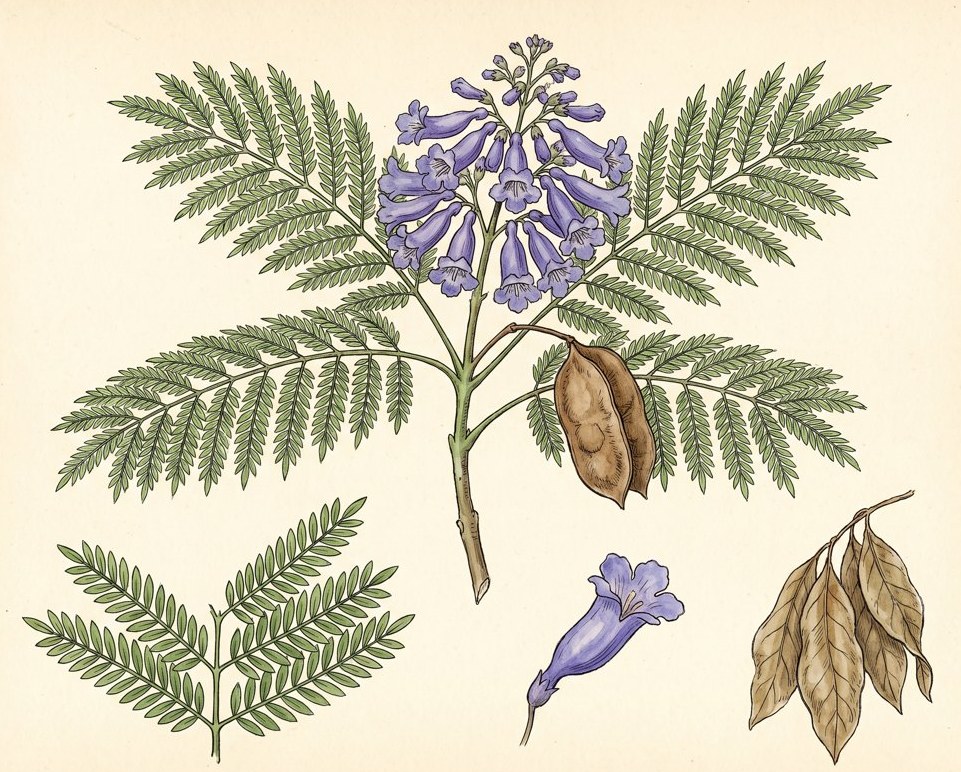 JacarandaJacaranda
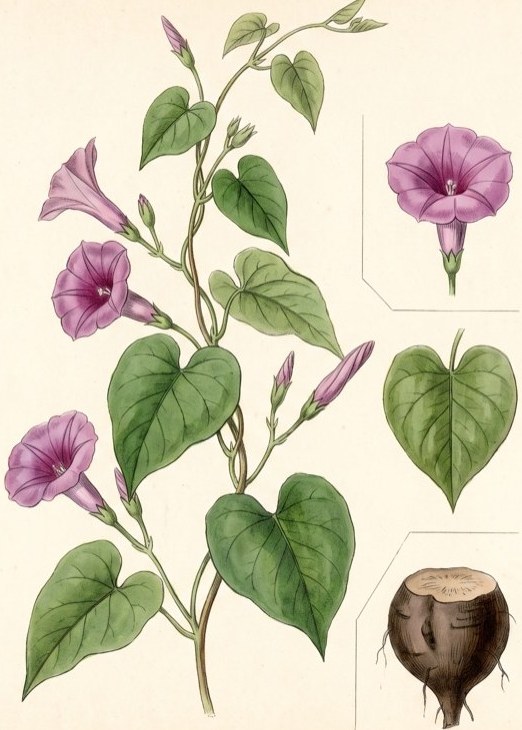 JalapIpomea jalapa
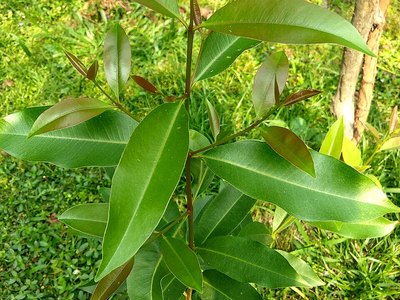 JambulSyzygium cumini
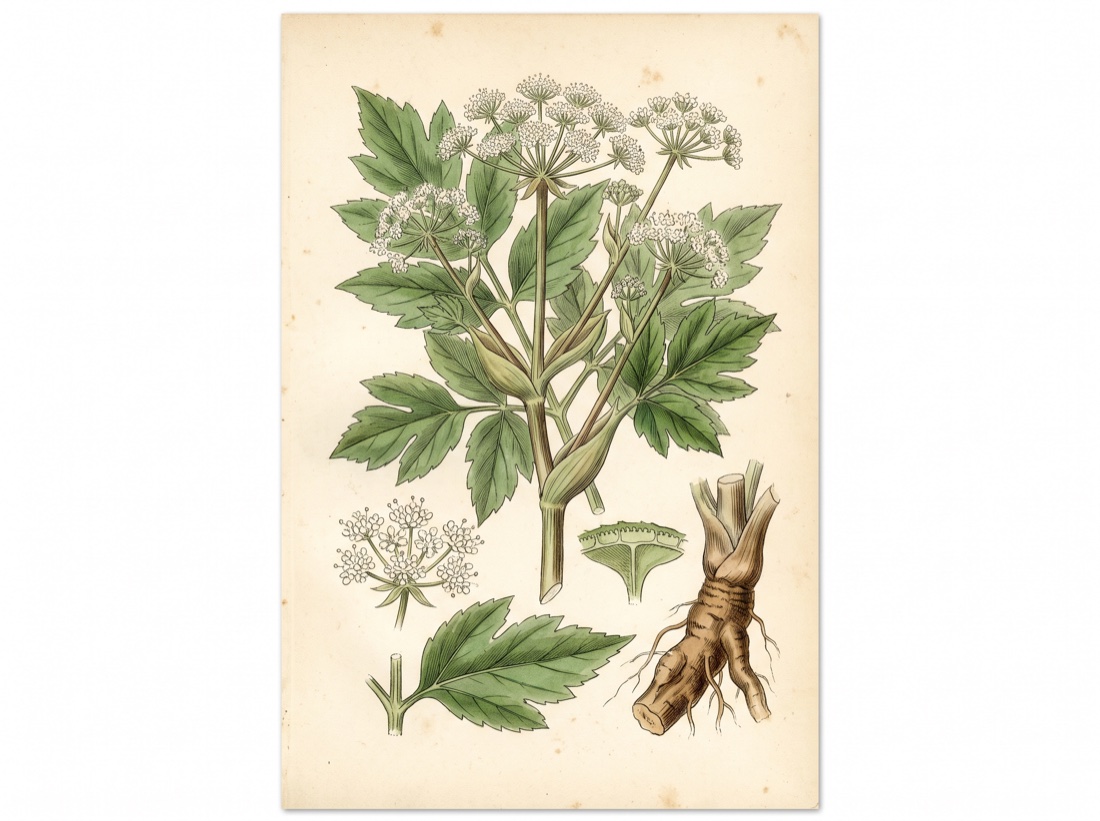 Japanese angelicaAngelica acutiloba
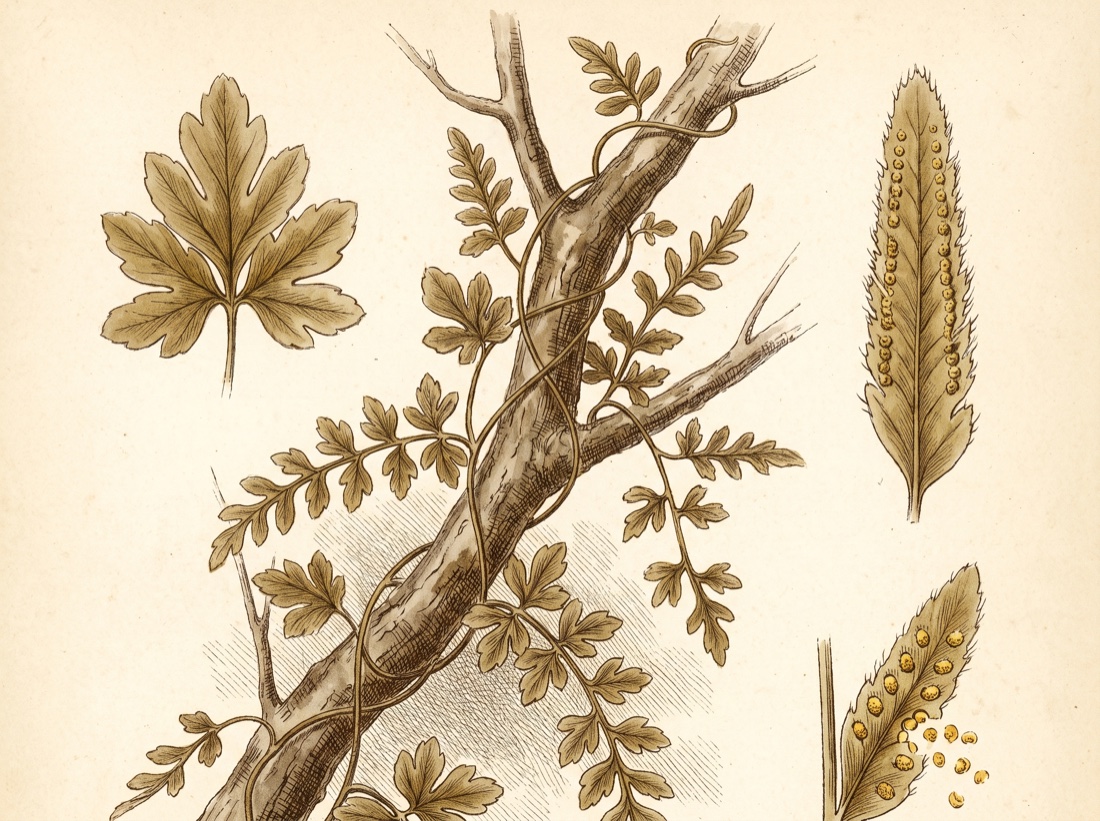 Japanese climbing fernLygodium japonicum
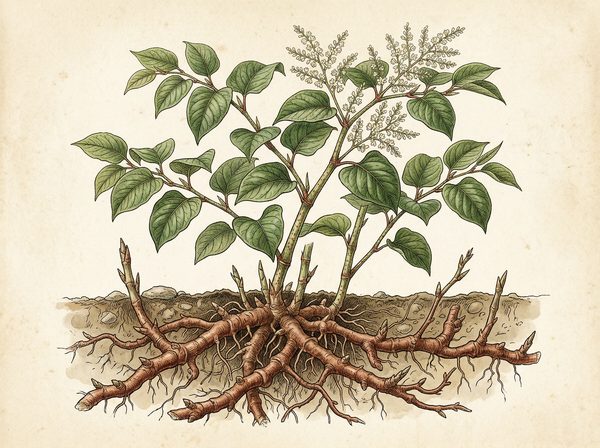 Japanese KnotweedReynoutria japonica
The whole plate is in the library. The compass, Compare, the Sky of eleven hundred plants and the formulary open with an email address and a password, free, with the formula builder and its safety engine. Herbert without limit, his formulating, clients, the handouts and the labels are the paid room.
Open the library, free