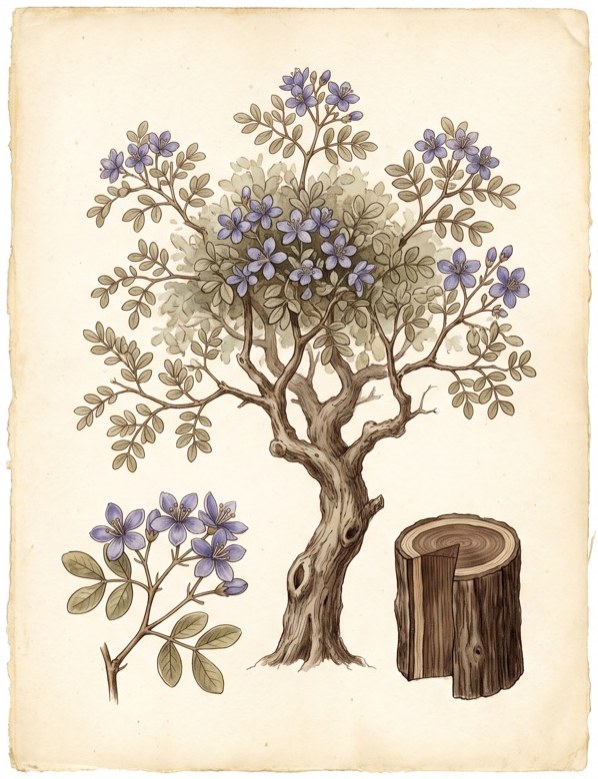
Western Herbalism
Guaiacum
Guaiacum officinale
Also known as Guaiac, Lignum Vitae, Pockwood, Guajacum, Guayacar, Palo Santo, Guaiacum wood, Lignum sanctum.
Guaiacum wood is the dense, resin-rich heartwood of Guaiacum officinale and the closely related Guaiacum sanctum, small evergreen trees native to the Caribbean and northern South America. The wood and its exuded resin, guaiac, were introduced to European medicine in the sixteenth century as a treatment for syphilis and were later carried forward by the eclectic physicians as a warming alterative for chronic rheumatic and gouty complaints. It remains best known today as the reagent used in the traditional guaiac based fecal occult blood test, a legacy of its distinctive chemistry rather than its clinical use.

Ask Herbert about Guaiacum. Herbert is the master herbalist inside Bountiful Herbs: he answers from this plate and eleven hundred others, with dosing, pairing and cautions. Your first ten questions are free.
Ask HerbertActions
Indications what the tradition reached for it in
- Chronic rheumatism and rheumatoid arthritis
- Gout and gouty diathesis
- Osteoarthritis with stiffness worse in cold, damp weather
- Chronic tonsillitis and sore throat
- Secondary syphilis (historical)
- Chronic skin conditions of arthritic constitution
- Fibrous-tissue stiffness and contraction
- Subacute rheumatism
- Prophylaxis against gout
- Specifically for chronic rheumatism
- Rheumatoid arthritis
- Chronic rheumatism
- Gouty joint pain
- Chronic skin eruptions of a sluggish or scrofulous type
- Atonic amenorrhea
- Dysmenorrhea with scanty flow
- Chronic tonsillitis and sore throat (topical resin)
- Secondary and tertiary syphilis (historic alterative use)
- Chronic bronchitis with thick mucus
- Sluggish constitutional states needing an alterative
Safety
Breastfeeding: Pregnancy and lactation
The record lists 5 contraindications; open the plate in the library to read them in full.
Dosing as the sources wrote it
| Preparation | As written | Metric |
|---|---|---|
| Resin (guaiacum resin) | Resin (guaiacum resin): 0.3-1 g/day | 300-1000 mg |
| Wood decoction | Wood decoction: 2-4 g/day | 2000-4000 mg |
| Tincture (1:5) | Tincture (1:5): 1-3 ml three times daily | 1-3 mL |
| Dried wood 1-2 g as a decoction three times daily | 1000-2000 mg | |
| (G6, G7) Liquid extract 1-2 mL (1 : 1 in 80% alcohol) three times daily .(G6, G7) Tincture of Guaiacum (BPC 1934) 2 -4 mL. | 1-2 mL | |
| Dose of the resin, powdered, from three to eight grains three times a day | 194-518 mg |
Doses are reproduced from the sources for practitioners and are not a recommendation for any person.
From the sources
Overview. Guaiacum wood is the dense, resin-rich heartwood of Guaiacum officinale and the closely related Guaiacum sanctum, small evergreen trees native to the Caribbean and northern South America. The wood and its exuded resin, guaiac, were introduced to European medicine in the sixteenth century as a treatment for syphilis and were later carried forward by the eclectic physicians as a warming alterative for chronic rheumatic and gouty complaints. It remains best known today as the reagent used in the traditional guaiac based fecal occult blood test, a legacy of its distinctive chemistry rather than its clinical use.
Clinical Notes. Guaiacum wood was reached for by the eclectics as a deep acting alterative for chronic, sluggish constitutional states, particularly chronic rheumatism and gout that worsened with cold and damp and eased with warmth.
Therapy. This remedy is a most active astringent in full doses, and yet in overdoses it acts as a cathartic. In medium doses it influences acute dysentery and diarrhea, and other relaxed conditions of the bowels.
Properties and Uses. This resin is an active stimulant, quite local in action, exciting to the stomach and slowly so to the remote circulation, and elevating all the secretory organs by increasing their sensibility and capillary flow.
Drawn from Cook's Physio-Medical Dispensatory; Scudder's Specific Medication and Specific Medicines; King's American Dispensatory, 18th edition (Felter and Lloyd); Ellingwood's American Materia Medica, Therapeutics and Pharmacognosy, and the Bountiful Herbs editorial.
Often paired with
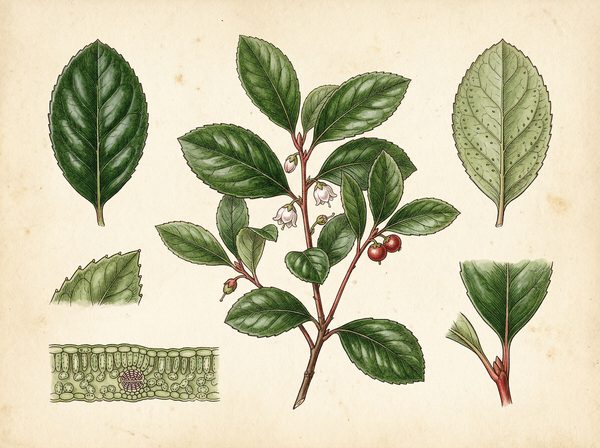 WintergreenGaultheria procumbens
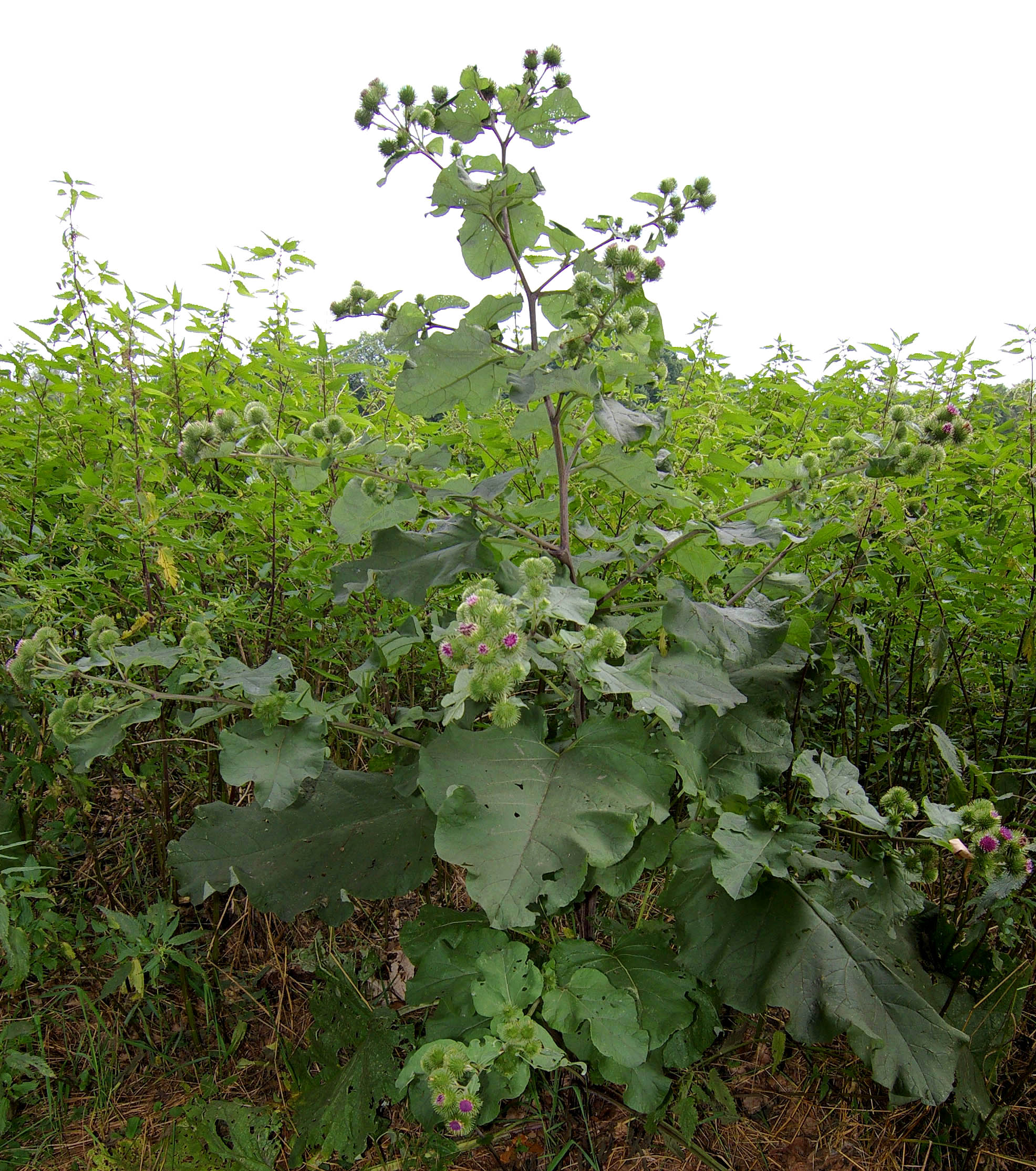 BurdockArctium lappa
 SarsaparillaSmilax spp.
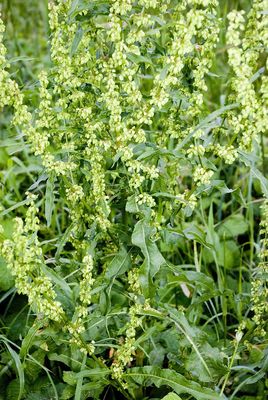 Curly dockRumex crispus
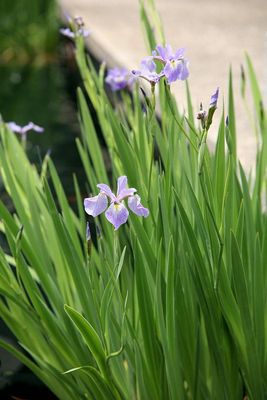 Blue flagIris versicolor
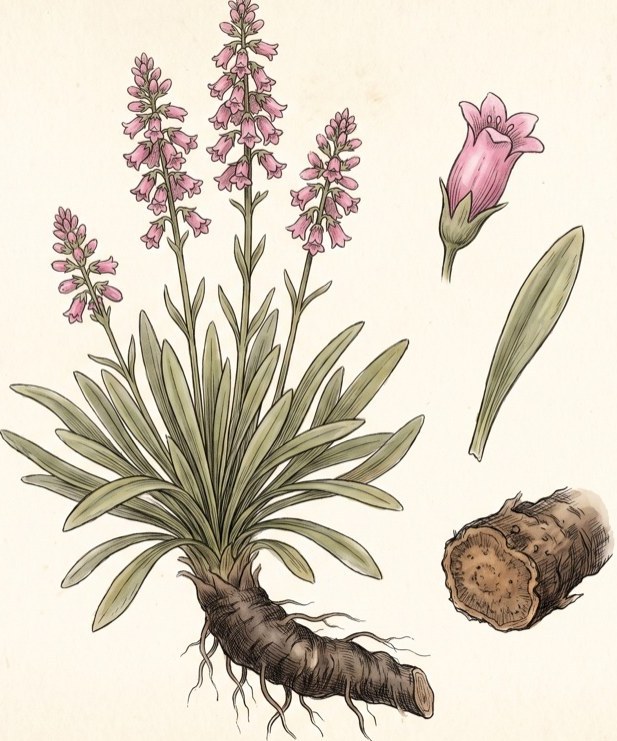 jatamansiNardostachys jatamansi
Nearby on the shelf
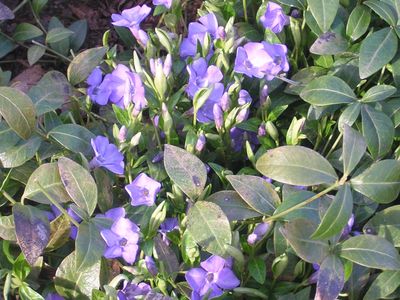 Greater periwinkleVinca major
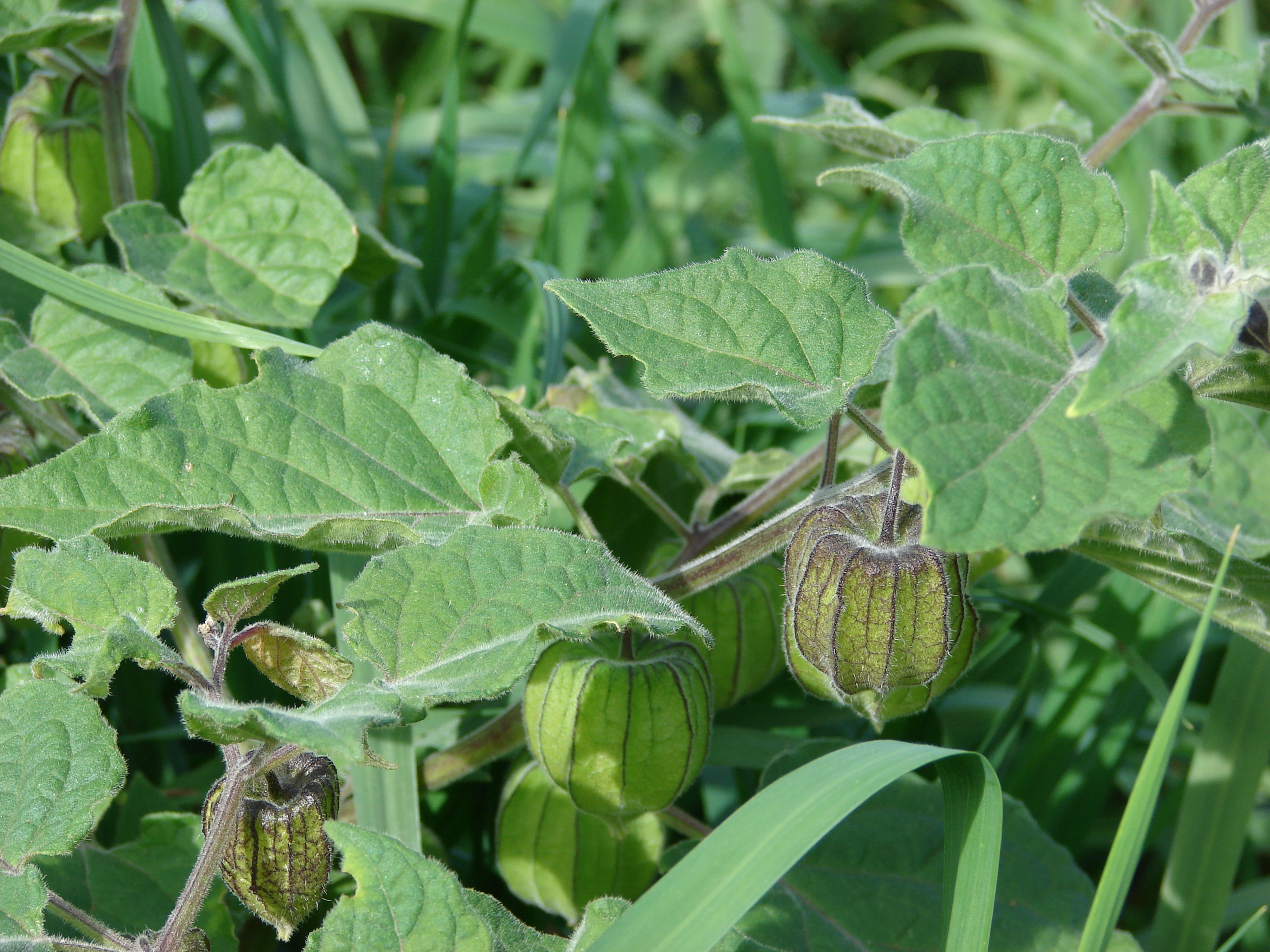 Ground CherryPhysalis
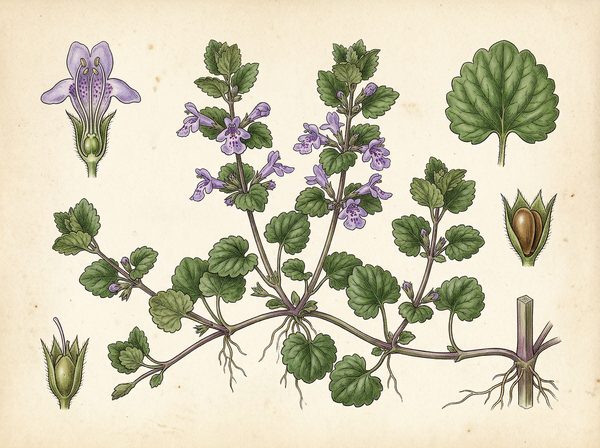 Ground IvyGlechoma hederacea
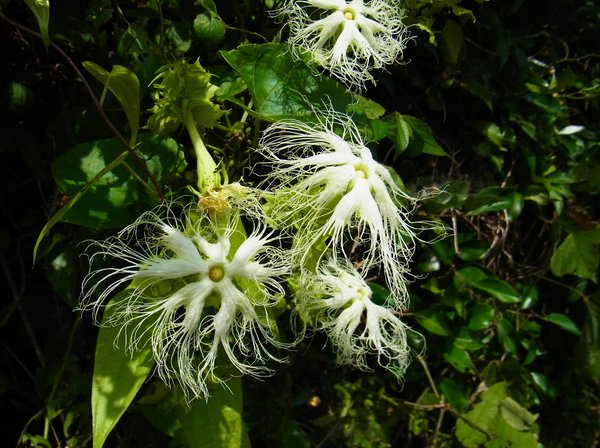 Gua LouTrichosanthes kirilowii
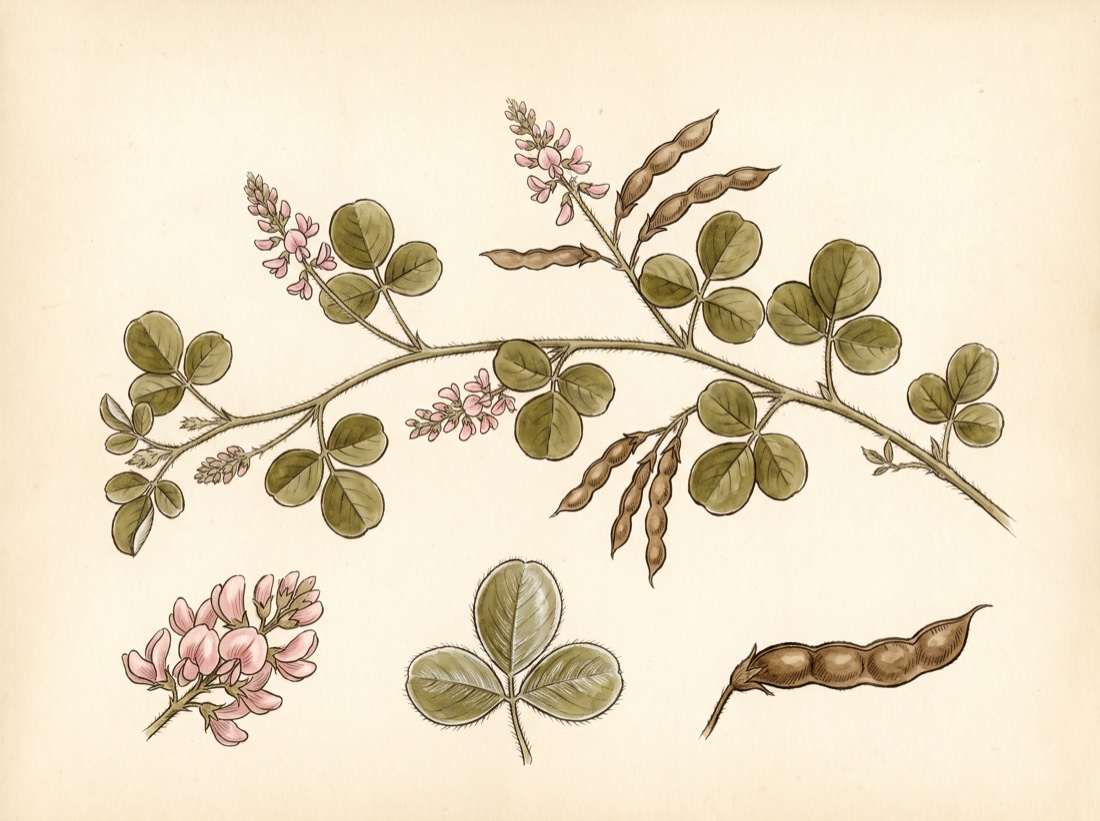 Guangdong money grassGrona styracifolia
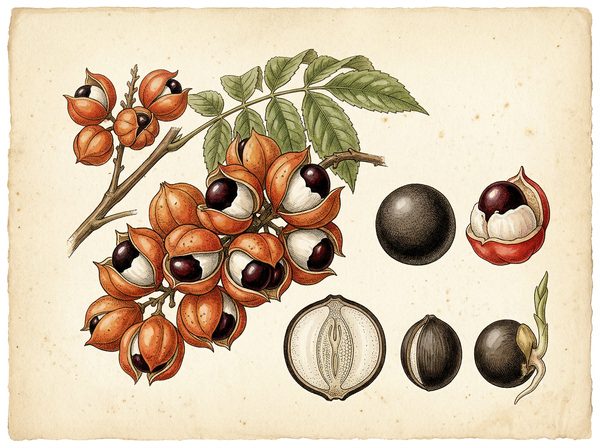 GuaranaPaullinia cupana
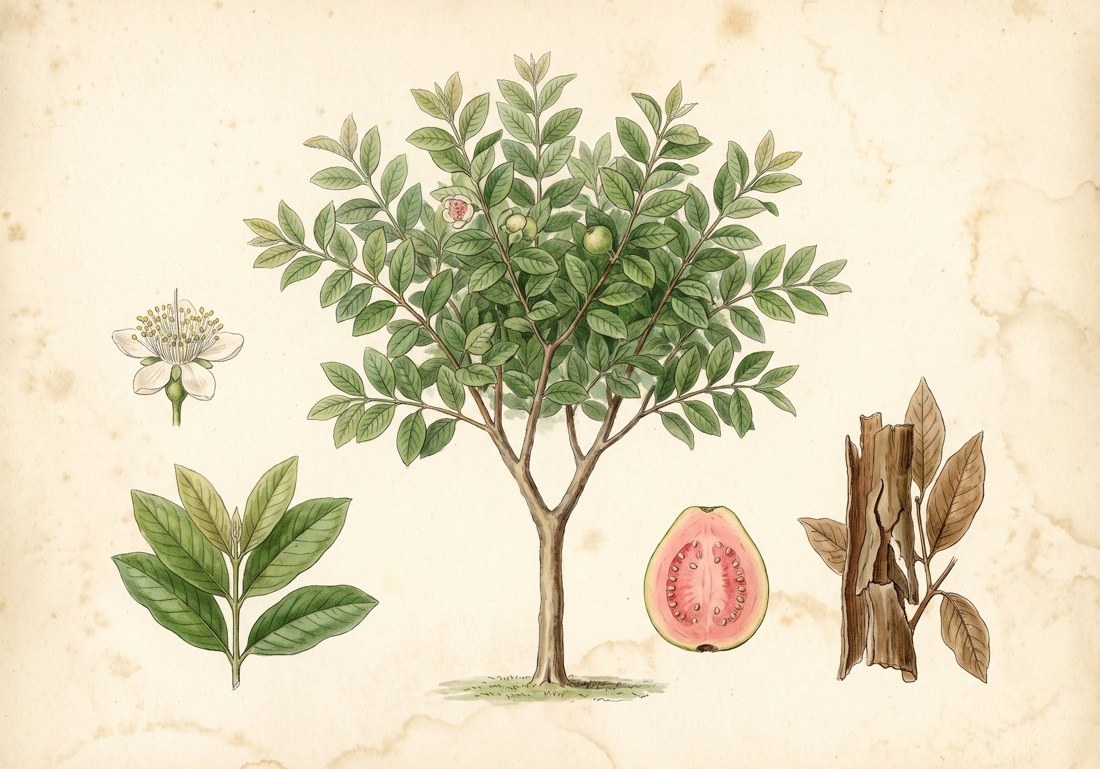 GuavaPsidium guajava
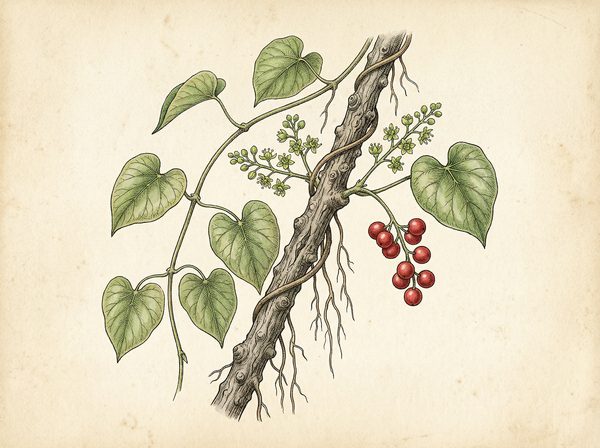 GuduchiTinospora cordifolia
The whole plate is in the library. The compass, Compare, the Sky of eleven hundred plants and the formulary open with an email address and a password, free, with the formula builder and its safety engine. Herbert without limit, his formulating, clients, the handouts and the labels are the paid room.
Open the library, free