Western and Ayurvedic herbalism
Guggul
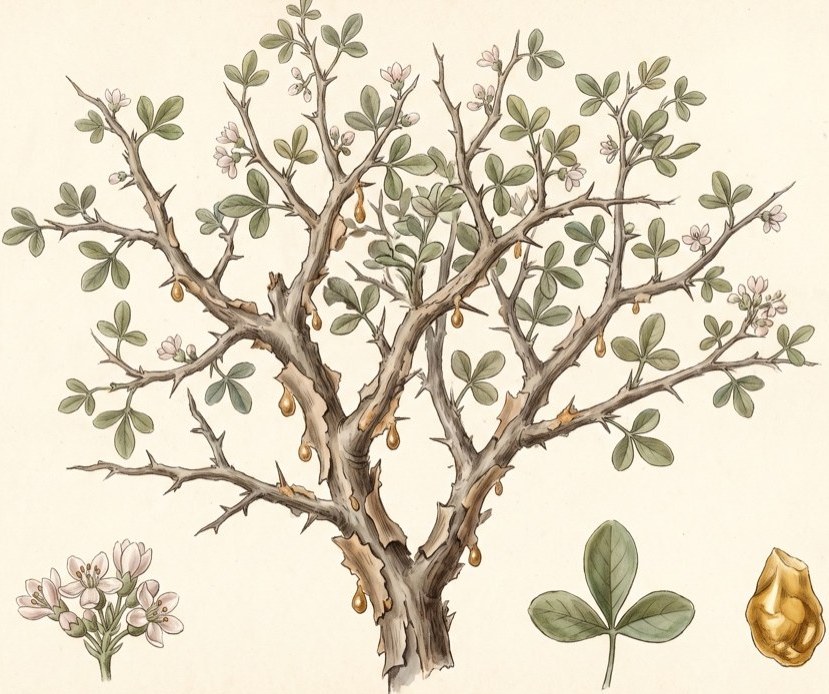
Commiphora mukul
Also known as Indian bdellium, mukul myrrh tree, gum guggul, guggul lipid, Guggulu, Devadhupa, Palankasha.
Guggulu is the oleo-gum-resin of a small, thorny, gnarled tree of the arid scrub of Rajasthan, Gujarat and adjoining Pakistan, tapped by cutting the bark in winter. Ayurveda ranks it among its most important drugs for vata and for the disorders of fat and tissue congestion, and nearly every classical compendium carries a family of guggulu pills built around it. It is heating, penetrating and scraping, and the tradition draws a sharp line between the fresh resin, which nourishes and builds, and the old resin, which scrapes and reduces.

Ask Herbert about Guggul. Herbert is the master herbalist inside Bountiful Herbs: he answers from this plate and eleven hundred others, with dosing, pairing and cautions. Your first ten questions are free.
Ask HerbertActions
Indications what the tradition reached for it in
- Hyperlipidemia and mixed dyslipidemia
- Osteoarthritis with stiffness and swelling
- Rheumatoid arthritis and other inflammatory joint disease (adjunct)
- Obesity with sluggish metabolism
- Metabolic syndrome
- Cervical lymphadenopathy and chronic swollen glands
- Cystic acne and nodular skin lesions
- Hypothyroid tendency with weight gain (adjunct)
- Hemorrhoids (traditional)
- Chronic sinus tracts, boils and slow wounds
- Fracture healing (traditional)
- Hyperlipidemia
- Allergies
- Arthritis
- Bronchitis (chronic)
- Hepatitis
- Asthma
- Acne
- Bleeding
- Diarrhea
- Inflammation
- Respiratory complaints
- Skin conditions
- Excessive discharge
- High cholesterol
Specific indications
A heavy, sluggish kapha patient with high cholesterol, cold hands, low energy and joints that ache and stiffen in damp weather
Osteoarthritis of the knees in a stout older person who feels better with movement and heat and whose joints are swollen rather than hot and red
Chronic nodular or cystic swellings, whether in the neck glands, the skin or the breast, in a person whose tissues seem congested and slow to clear
Rheumatoid arthritis in a patient with morning stiffness, poor appetite and a coated tongue, where digestion needs to be kindled as the joints are treated
Safety
Pregnancy: Not for use in pregnancy
Breastfeeding: Not for use while breastfeeding
The record lists 9 contraindications; open the plate in the library to read them in full.
In practice
The Ayurvedic physician reaches for Guggulu when tissues are congested, heavy and slow: high lipids, obesity, stiff swollen joints, swollen glands, cystic acne, deep seated boils and nodules. The resin is almost never given alone.
In Ayurveda
Rasa: tikta (bitter), katu (pungent), kashaya (astringent), madhura (sweet). Virya: ushna (heating). Vipaka: katu (pungent). Guna: laghu (light), ruksha (dry), sukshma (subtle, penetrating), sara (mobile), vishada (clear), tikshna (sharp). Dosha: pacifies all three doshas, especially kapha and vata; the fresh resin is said to build tissue and the old resin to reduce it. Prabhava: lekhana (scraping action on fat and deposits); considered the foremost drug for vata and for medoroga. Karma: lekhana (scrapes away fat and deposits); medohara (reduces fat); vatahara (pacifies vata); shothahara (reduces swelling); vedanasthapana (relieves pain); rasayana (rejuvenative); deepana (kindles digestion); bhagnasandhanakara (unites fractures); vranashodhana and vranaropana (cleans and heals wounds); krimighna (antimicrobial). Classical indications: medoroga (obesity and lipid disorders); amavata (rheumatoid arthritis); sandhivata (osteoarthritis); vatavyadhi (neuromuscular disorders of vata); gandamala and apachi (cervical lymphadenopathy, scrofula); granthi and arbuda (nodules and tumors); bhagna (fracture); vrana and nadivrana (ulcers and sinuses); prameha (urinary disorders including diabetes); kushtha (skin disease); arsha (hemorrhoids). The oleo-gum-resin exudes from cuts in the bark of the small thorny tree and is collected in the cool season, then purified (shodhana) by boiling in Triphala decoction or milk before use. It is given as vati (pills) compounded with other herbs, as a component of taila for massage, and as dhupa (fumigation) for wounds and infections. Classical formulations: Yogaraja guggulu, Kaishora guggulu, Triphala guggulu, Kanchanara guggulu, Simhanada guggulu, Gokshuradi guggulu, Punarnavadi guggulu, Mahayogaraja guggulu, Lakshadi guggulu. Described in: Charaka Samhita, Sushruta Samhita, Ashtanga Hridaya, Bhavaprakasha Nighantu, Dhanvantari Nighantu, Raja Nighantu, Sharngadhara Samhita, Kaiyadeva Nighantu, Ayurvedic Pharmacopoeia of India.
Dosing as the sources wrote it
| Preparation | As written | Metric |
|---|---|---|
| Shuddha guggulu | 1-3 g purified resin daily in divided doses with warm water | 1000-3000 mg |
| Guggulu vati (compound pills) | 500-1000 mg pills two to three times daily after food | 500-1000 mg |
| Guggulipid extract | 500-1000 mg standardized extract two to three times daily with food | 500-1000 mg |
| Guggulsterone content | 25-75 mg guggulsterones daily | 25-75 mg |
| Often standardized to contain | Often standardized to contain 2.5-5% guggulsterones | |
| Most products are standardized to 2.5% or 5%. Therapeutic dose is 25 mg tid = 500 mg of 5% extract tid. Some companies are | 25 mg |
Doses are reproduced from the sources for practitioners and are not a recommendation for any person.
From the sources
Overview. Guggulu is the oleo-gum-resin of a small, thorny, gnarled tree of the arid scrub of Rajasthan, Gujarat and adjoining Pakistan, tapped by cutting the bark in winter. Ayurveda ranks it among its most important drugs for vata and for the disorders of fat and tissue congestion, and nearly every classical compendium carries a family of guggulu pills built around it. It is heating, penetrating and scraping, and the tradition draws a sharp line between the fresh resin, which nourishes and builds, and the old resin, which scrapes and reduces.
Clinical Notes. The Ayurvedic physician reaches for Guggulu when tissues are congested, heavy and slow: high lipids, obesity, stiff swollen joints, swollen glands, cystic acne, deep seated boils and nodules. The resin is almost never given alone.
indications. Guggul is traditionally indicated for: Hyperlipidemia, Allergies, Arthritis, Bronchitis (chronic), Hepatitis, Asthma, Acne, Bleeding, Diarrhea, Inflammation, Respiratory complaints, Skin conditions, Excessive discharge, High cholesterol.
Ayurvedic Profile. Rasa: tikta (bitter), katu (pungent), kashaya (astringent), madhura (sweet). Virya: ushna (heating). Vipaka: katu (pungent). Guna: laghu (light), ruksha (dry), sukshma (subtle, penetrating), sara (mobile), vishada (clear), tikshna (sharp).
In formulas
Guggul stands in 20 documented formulas in the library, among them Karpūrādyarka, Madhusnuhī Rasāyana, Kāṅcanāra Guggulu, Kaiśora Guggulu, Gokṣurādi Guggulu, Triphalā Guggulu.
Often paired with
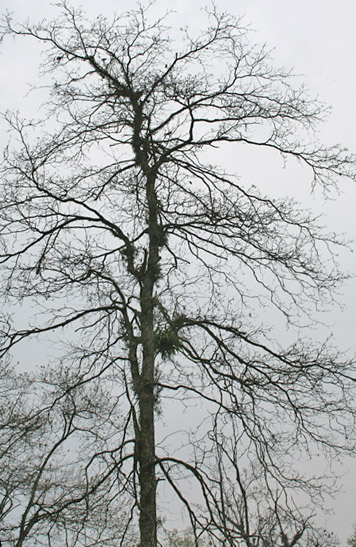 chebulic myrobalanTerminalia chebula
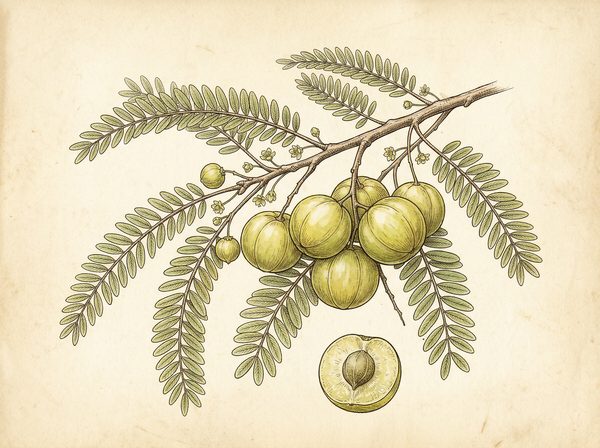 Indian gooseberryPhyllanthus emblica
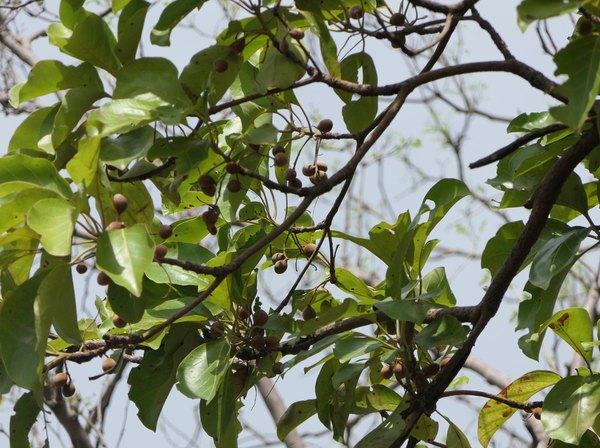 beleric myrobalanTerminalia bellirica
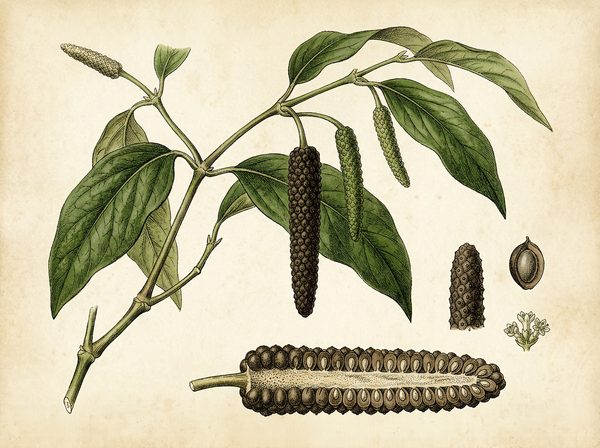 long pepperPiper longum
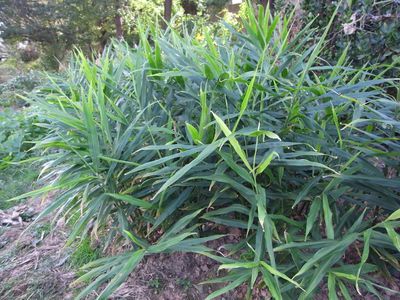 GingerZingiber officinale
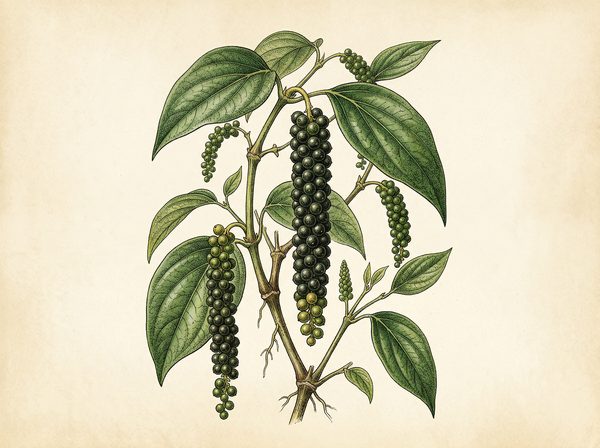 black pepperPiper nigrum
Nearby on the shelf
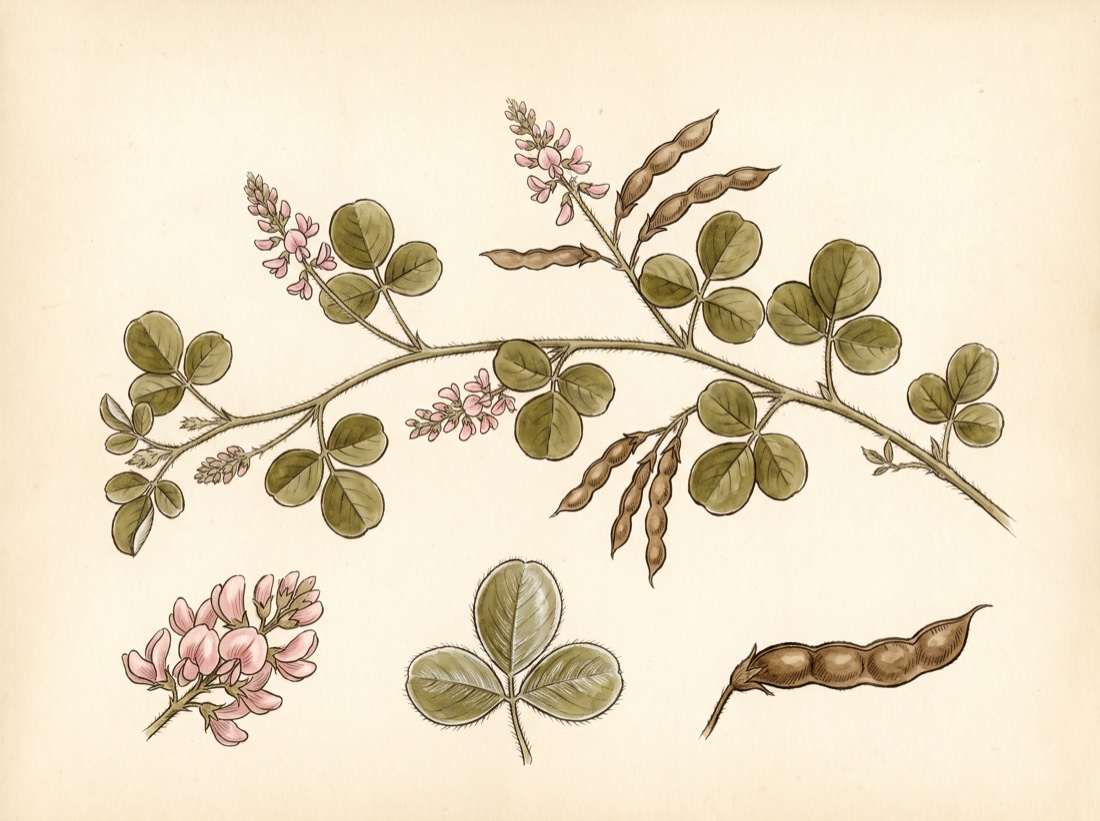 Guangdong money grassGrona styracifolia
 GuaranaPaullinia cupana
 GuavaPsidium guajava
 GuduchiTinospora cordifolia
 Gum ammoniacumDorema ammoniacum
 Gum arabicAcacia vera
 Gum weedGrindelia spp.
 Gutta-PerchaGutta-Percha
The whole plate is in the library. The compass, Compare, the Sky of eleven hundred plants and the formulary open with an email address and a password, free, with the formula builder and its safety engine. Herbert without limit, his formulating, clients, the handouts and the labels are the paid room.
Open the library, free