Chinese Herbalism
Guangdong money grass
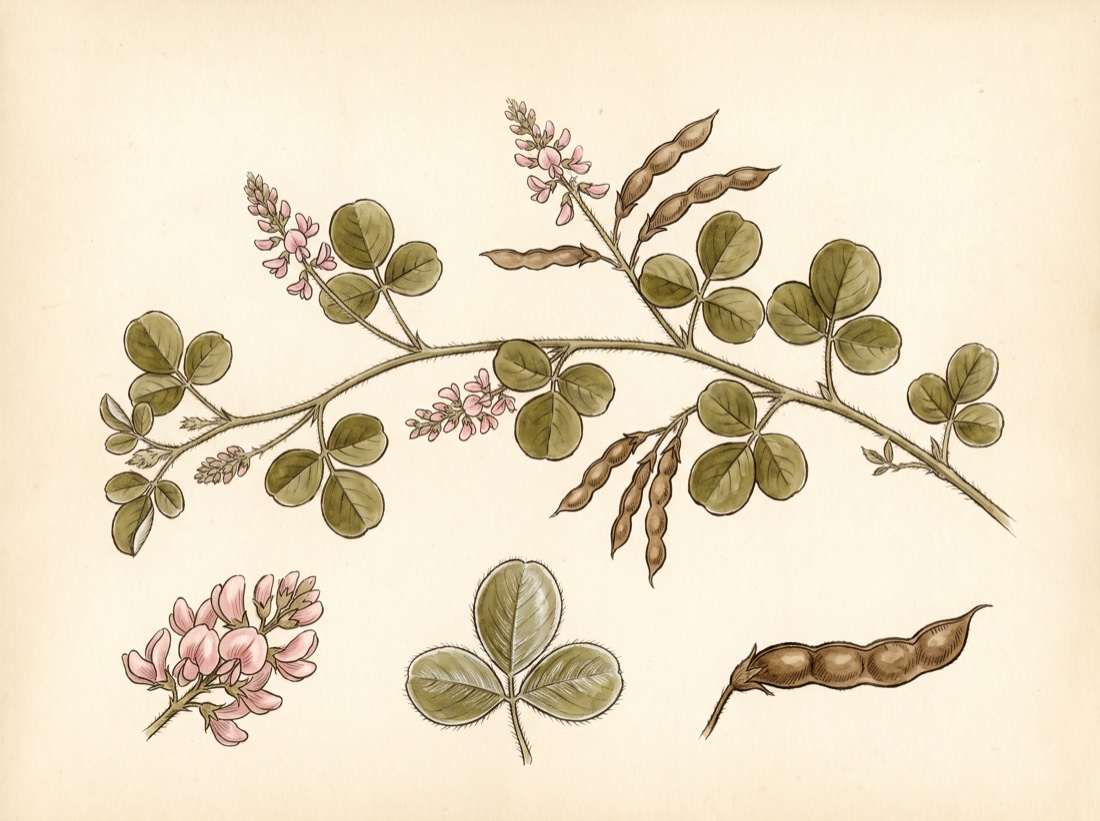
Grona styracifolia
Also known as coin-leaf desmodium, snowflake desmodium, guang jin qian cao, desmodium herb, guǎng jīn qián cǎo.
Grona styracifolia, long known as Desmodium styracifolium, is a low, spreading legume of southern China and Southeast Asia with round, leathery leaves shaped like old coins, hence the Chinese name money grass. The dried aerial parts are guang jin qian cao, the Guangdong money grass and the official stone-expelling species. It is sweet, bland, and cool, one of the herbs that drain damp-heat from the bladder and gallbladder, and it is the base of several modern Chinese stone formulas.

Ask Herbert about Guangdong money grass. Herbert is the master herbalist inside Bountiful Herbs: he answers from this plate and eleven hundred others, with dosing, pairing and cautions. Your first ten questions are free.
Ask HerbertActions
Indications what the tradition reached for it in
- Kidney and ureteric stones (stony lin)
- Renal colic with hematuria during stone passage
- Prevention of recurrent calcium oxalate stones
- Urinary tract infection with burning, frequent urination (hot lin)
- Damp-heat jaundice
- Cholelithiasis and biliary sludge (adjunct)
- Edema with scanty dark urine
- Chronic pyelonephritis with damp-heat signs
- Gout with urinary gravel (adjunct)
Specific indications
A small stone in the lower ureter with intermittent flank pain, blood in the urine, and a damp-heat tongue, where the aim is to flush it through
A patient who forms calcium oxalate stones every few years and wants a daily tea to lower the risk
Yellowing of the skin and eyes with dark urine and a sticky yellow tongue coat in an acute hepatitis picture, used alongside yin chen hao
Safety
The record lists 6 contraindications; open the plate in the library to read them in full.
In practice
This is the first herb to consider for urinary stones in a damp-heat presentation: flank or lower abdominal pain, blood in the urine, and burning or dribbling urination. Use it at the top of its range, 30 g a day, as a decoction or a daily tea, and keep the patient drinking water.
In Chinese medicine
Temperature: cool. Taste: sweet, bland. Channels: Liver, Kidney, Bladder. Actions: Clears damp-heat from the lower burner and relieves painful urination; Promotes urination and expels urinary stones; Drains dampness and relieves jaundice; Reduces edema by moving water.
Dosing as the sources wrote it
| Preparation | As written | Metric |
|---|---|---|
| Decoction | 15-30 g dried aerial parts daily in decoction | 15000-30000 mg |
| Infusion (daily tea for prevention) | 15-20 g dried herb steeped in 1 L hot water and drunk through the day | 15000-20000 mg |
| Granules (5:1 concentrate) | 3-6 g granules twice daily in warm water | 3000-6000 mg |
Doses are reproduced from the sources for practitioners and are not a recommendation for any person.
From the sources
Overview. Grona styracifolia, long known as Desmodium styracifolium, is a low, spreading legume of southern China and Southeast Asia with round, leathery leaves shaped like old coins, hence the Chinese name money grass. The dried aerial parts are guang jin qian cao, the Guangdong money grass and the official stone-expelling species. It is sweet, bland, and cool, one of the herbs that drain damp-heat from the bladder and gallbladder, and it is the base of several modern Chinese stone formulas.
Clinical Notes. This is the first herb to consider for urinary stones in a damp-heat presentation: flank or lower abdominal pain, blood in the urine, and burning or dribbling urination. Use it at the top of its range, 30 g a day, as a decoction or a daily tea, and keep the patient drinking water.
Chinese Medicine Profile. Temperature: cool. Taste: sweet, bland. Channels: Liver, Kidney, Bladder. Actions: Clears damp-heat from the lower burner and relieves painful urination; Promotes urination and expels urinary stones; Drains dampness and relieves jaundice; Reduces edema by moving water.
In formulas
Guangdong money grass stands in 1 documented formula in the library, among them sân jin tàng.
Often paired with
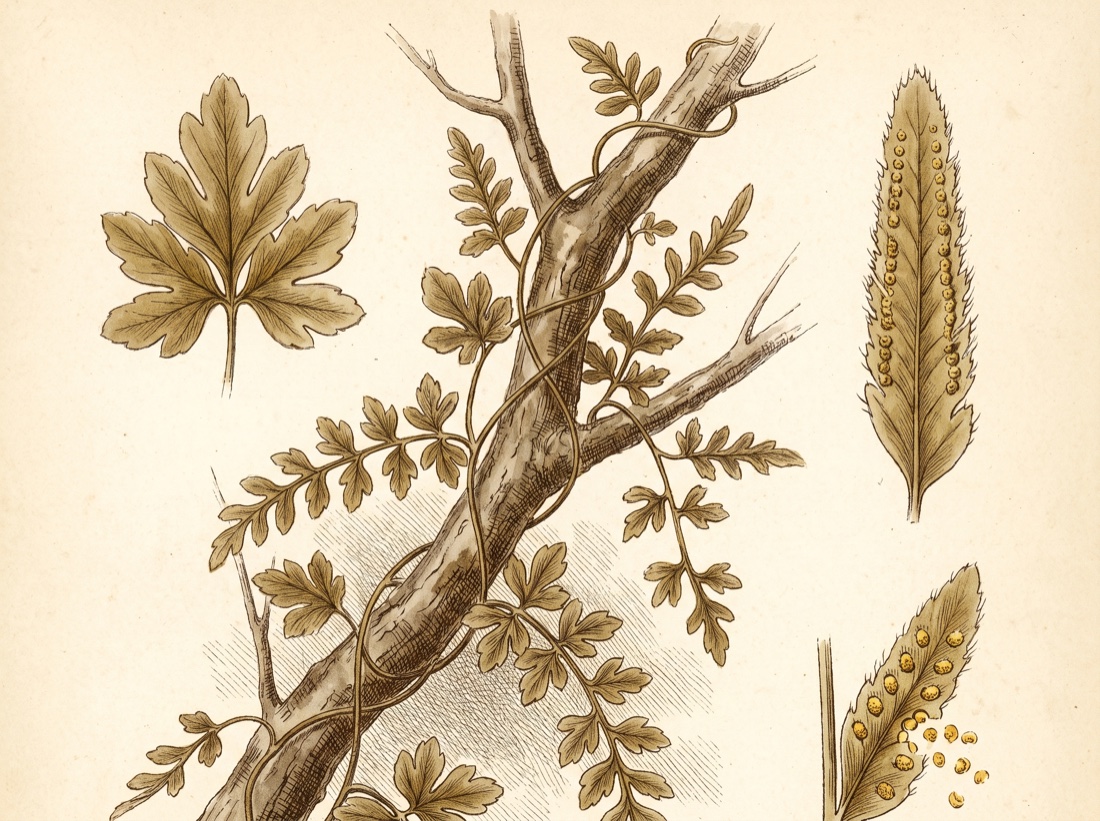 Japanese climbing fernLygodium japonicum
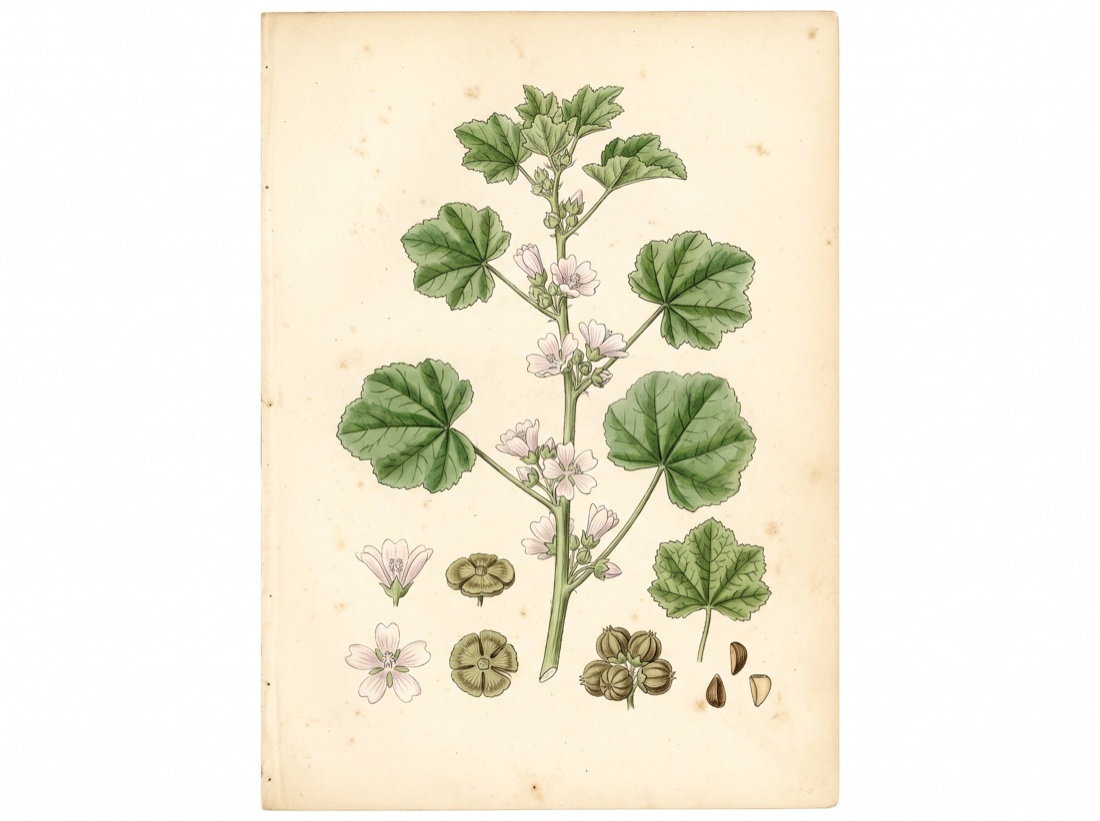 cluster mallowMalva verticillata
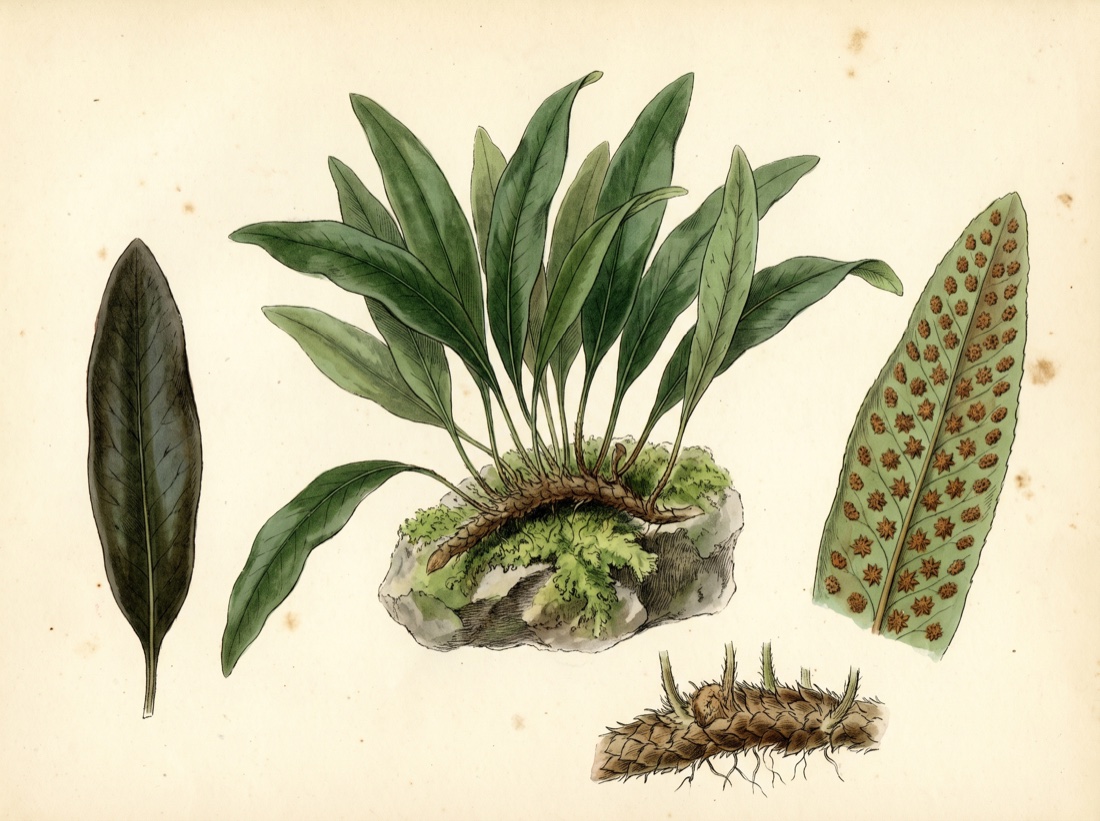 tongue fernPyrrosia lingua
Nearby on the shelf
 Ground CherryPhysalis
 Ground IvyGlechoma hederacea
 Gua LouTrichosanthes kirilowii
 GuaiacumGuaiacum officinale
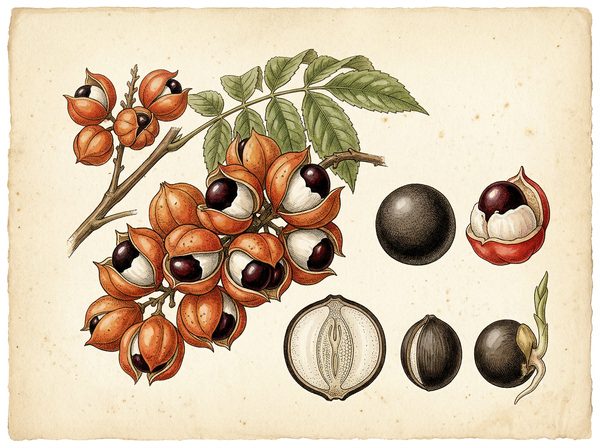 GuaranaPaullinia cupana
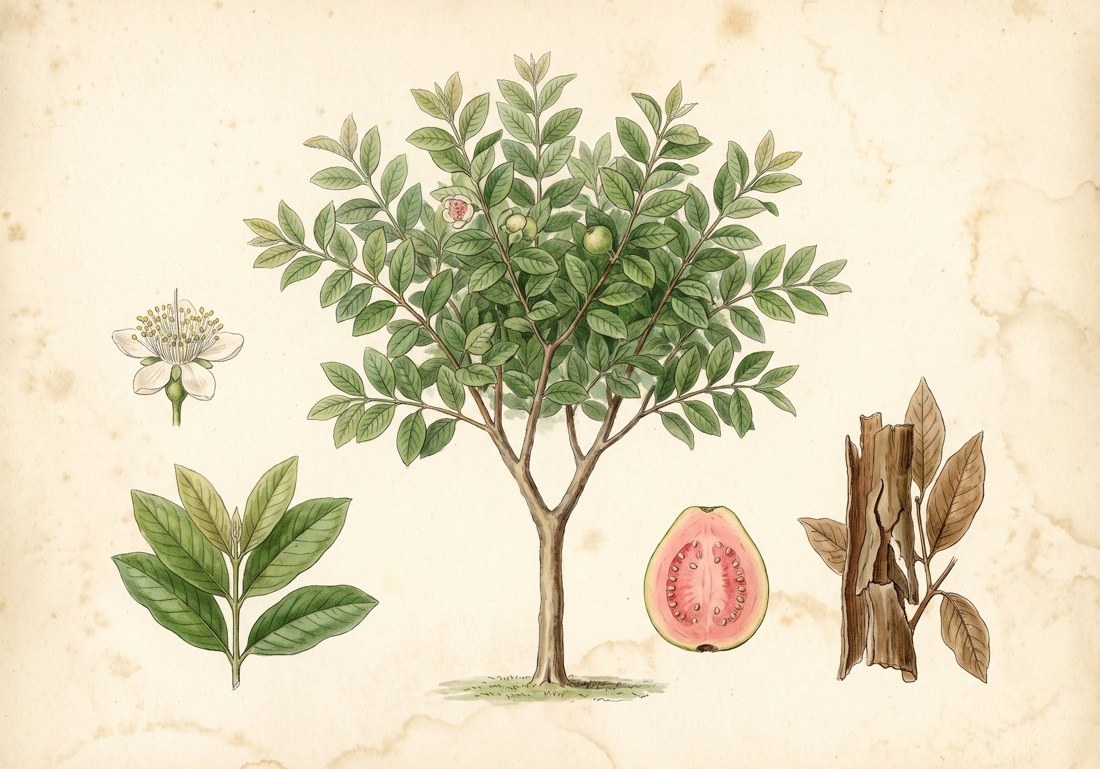 GuavaPsidium guajava
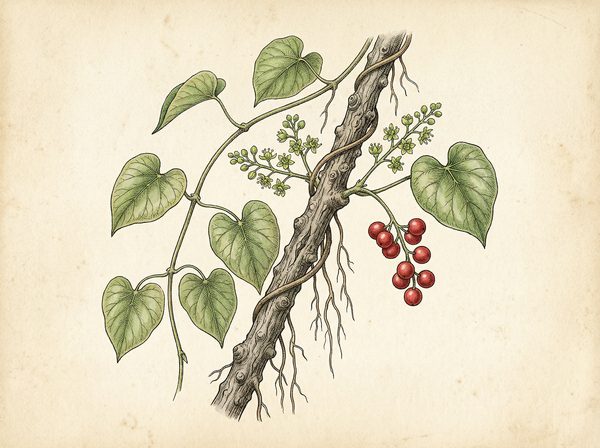 GuduchiTinospora cordifolia
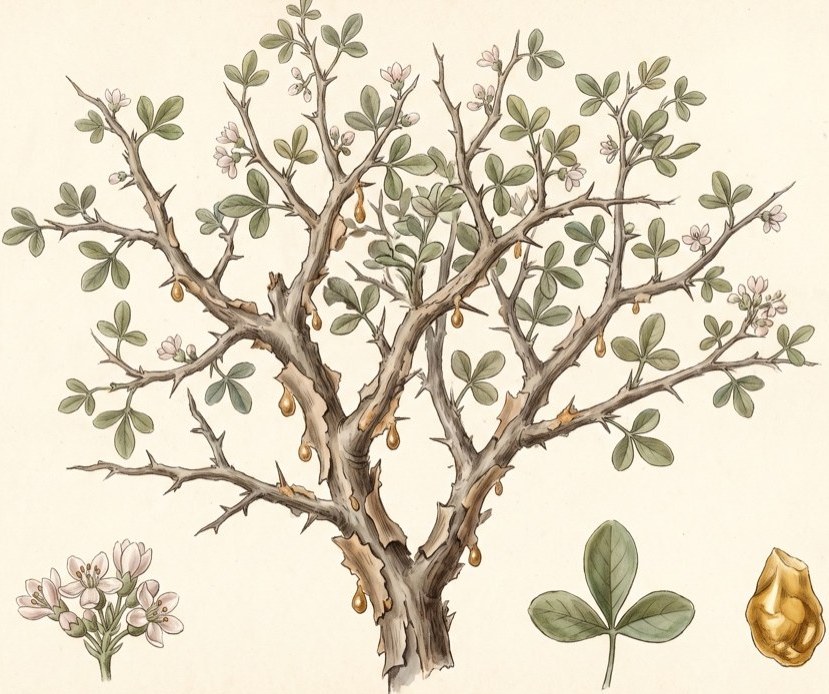 GuggulCommiphora mukul
The whole plate is in the library. The compass, Compare, the Sky of eleven hundred plants and the formulary open with an email address and a password, free, with the formula builder and its safety engine. Herbert without limit, his formulating, clients, the handouts and the labels are the paid room.
Open the library, free