Western Herbalism
Gum ammoniacum
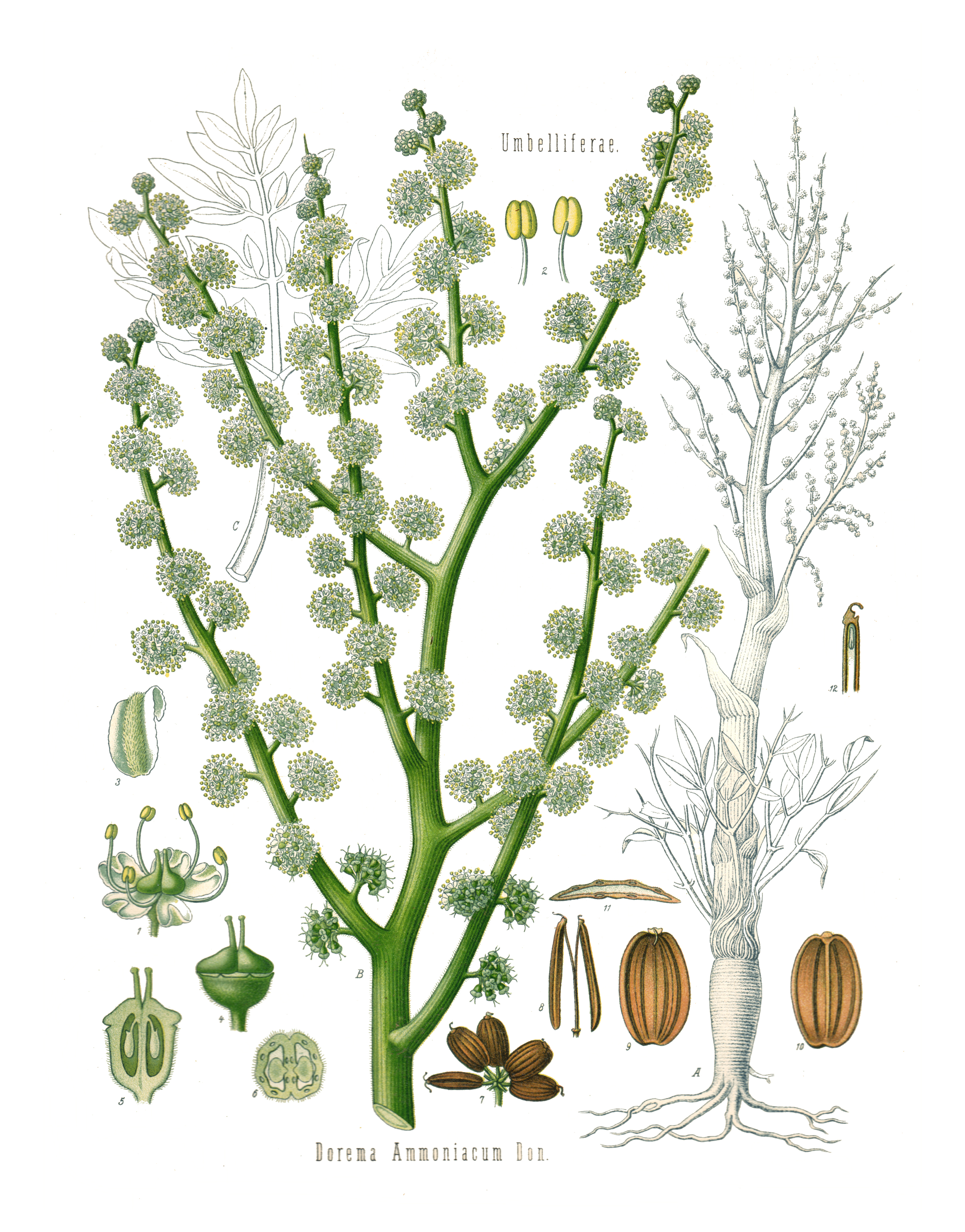
Dorema ammoniacum
Also known as Ammoniac gum, Persian gum ammoniac, Ammoniac, Gum ammoniac, Gummi-resina ammoniacum.
Dorema ammoniacum is a tall biennial or perennial umbellifer native to the arid plains and plateaus of Persia (Iran) and neighboring regions of Central and Southern Asia. The medicinal part is the milky gum resin that exudes when the stem and root are cut, which hardens on exposure into brittle yellowish tears. Gum ammoniacum has a long history of use across Persian, Greco-Roman, and later Western herbal traditions as a stimulating expectorant and resolvent, and it found a place in nineteenth-century physiomedicalist practice as a warming agent for relaxed, atonic mucous membranes.

Ask Herbert about Gum ammoniacum. Herbert is the master herbalist inside Bountiful Herbs: he answers from this plate and eleven hundred others, with dosing, pairing and cautions. Your first ten questions are free.
Ask HerbertActions
Indications what the tradition reached for it in
- Chronic bronchitis with copious mucus
- Chronic cough in a debilitated patient
- Catarrhal asthma
- Amenorrhea from atony
- Leucorrhea with atonic tissue
- Hoarseness with relaxed throat tissue
- Flatulent colic
- Indurated glandular swellings (external use)
- Chronic joint or tendon swellings (external plaster)
- Old, lingering catarrh without active inflammation
Specific indications
Persistent loose cough with profuse thin mucus in a pale, debilitated patient, without fever or active inflammation
Amenorrhea or scanty menses in a cold, atonic constitution with sluggish circulation
Safety
Pregnancy: Avoid in pregnancy: traditionally regarded as an emmenagogue and modern safety data are lacking.
Breastfeeding: Avoid in lactation due to absence of modern safety data.
The record lists 5 contraindications; open the plate in the library to read them in full.
In practice
Physiomedicalist writers such as Cook placed gum ammoniacum among the stimulating agents with a secondary relaxant quality, distinguishing it from purely heating stimulants by its particular affinity for mucous surfaces.
Dosing as the sources wrote it
| Preparation | As written | Metric |
|---|---|---|
| Gum resin, powdered or in pill | 0.3-1 g up to three times daily | 300-1000 mg |
| Ammoniacum emulsion (traditional Mistura Ammoniaci) | 5-10 mL three times daily | 5-10 mL |
| Tincture (1:5, 60%) | 1-2 mL three times daily | 1-2 mL |
| Plaster (external, softened gum resin) | applied topically over indurated swelling, changed daily | |
| From ten to twenty grains may be given at a dose, three times a day | 648-1296 mg | |
| The dose is from 1 to 30 grains, in pill or in emulsion. | 64.8-1944 mg |
Doses are reproduced from the sources for practitioners and are not a recommendation for any person.
From the sources
Properties and Uses. Stimulant, with moderate relaxing powers, rather diffusive in its action, chiefly influencing the mucous membranes. It should not be used in any case where inflammation is present, but is suited to relaxed and atonic conditions.
Description. Natural Order, Umbelliferae. A native of Persia, India, and other Oriental countries. It is a biennial, attaining the height of six or seven feet, and abounding in a somewhat milky juice. This juice is gathered in the spring time, from incisions made in the roots, after the manner of asafoetida. It is a gum resin, and comes to market in the form of tears consolidated into rough masses; yellowish without, whitish within, compact and brittle. At a moderate heat, it softens without melting; and will burn with a white flame and much smoke. It is partly soluble in water, with which it forms a milky emulsion; and acts as other resins with alcohol.
Drawn from Cook's Physio-Medical Dispensatory; King's American Dispensatory, 18th edition (Felter and Lloyd), and the Bountiful Herbs editorial.
Nearby on the shelf
 GuaranaPaullinia cupana
 GuavaPsidium guajava
 GuduchiTinospora cordifolia
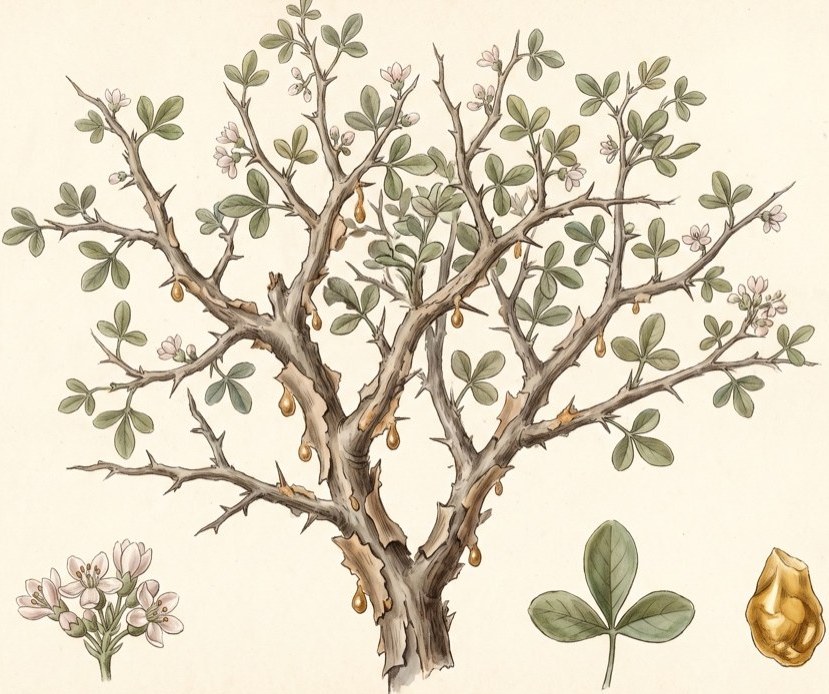 GuggulCommiphora mukul
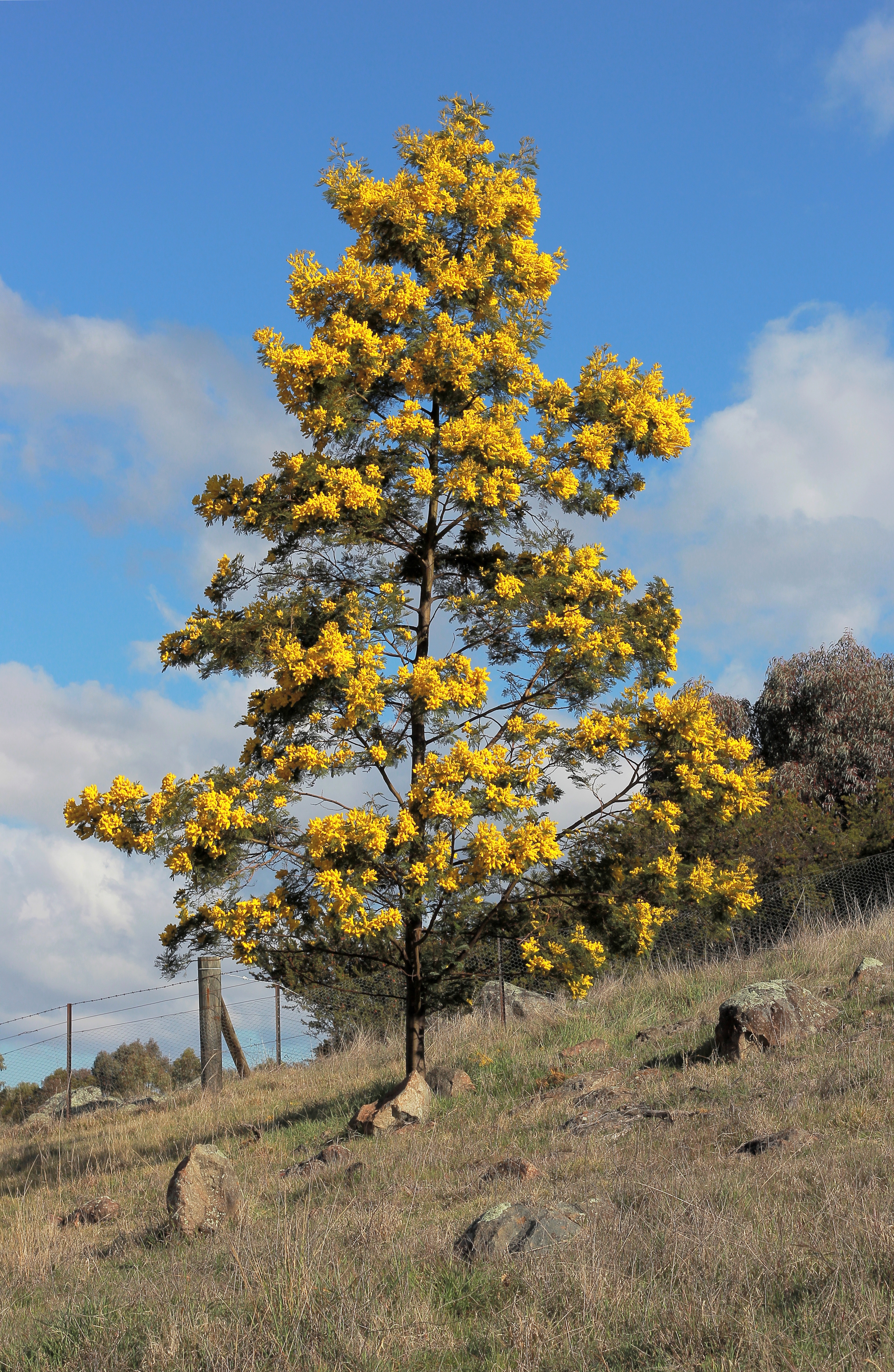 Gum arabicAcacia vera
 Gum weedGrindelia spp.
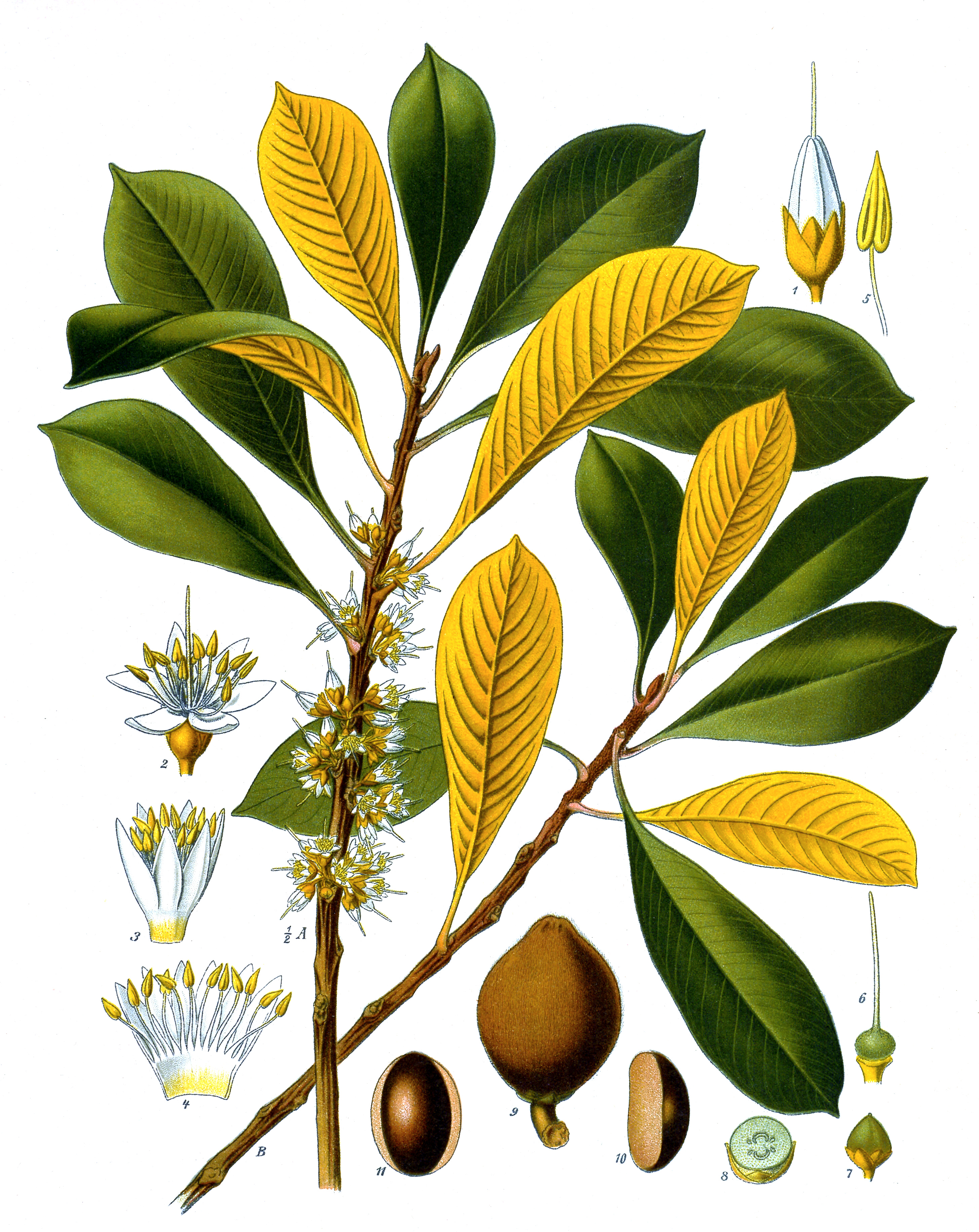 Gutta-PerchaGutta-Percha
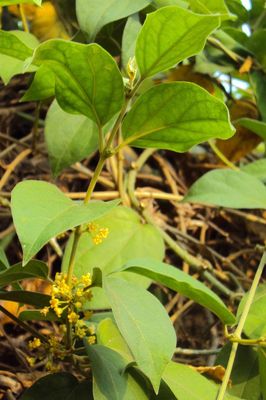 GymnemaGymnema sylvestre
The whole plate is in the library. The compass, Compare, the Sky of eleven hundred plants and the formulary open with an email address and a password, free, with the formula builder and its safety engine. Herbert without limit, his formulating, clients, the handouts and the labels are the paid room.
Open the library, free