Ayurvedic Herbalism
Gaja pippali
Scindapsus officinalis
Also known as elephant pepper, medicinal scindapsus, Gajapippali, Karipippali, Hastipippali.
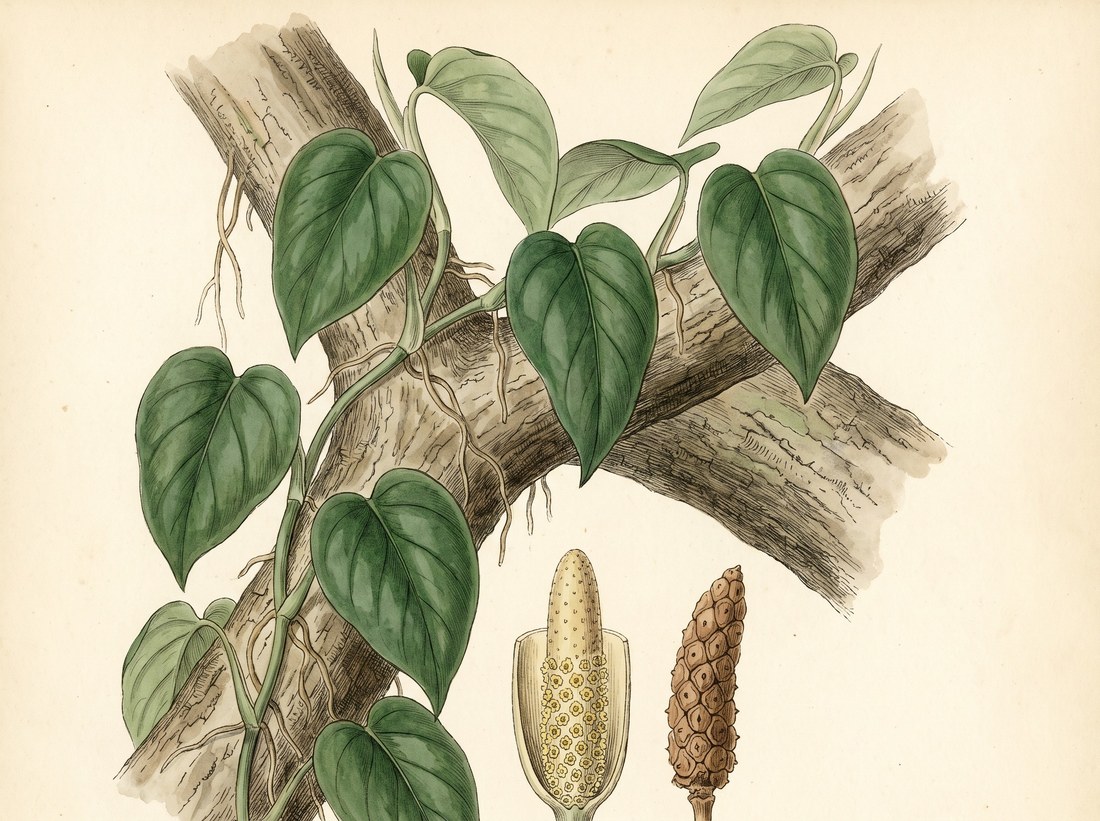
Scindapsus officinalis is a large climbing aroid of the moist forests of the eastern Himalayan foothills, Assam, Bengal, the Western Ghats and the Andamans, clinging to trees by its roots and bearing a stout cylindrical spadix that dries into the drug. Ayurveda calls this fruit Gajapippali, the elephant's long pepper, for its resemblance to a swollen Pippali, and uses it as a warming pungent for cough, dyspnea and weak digestion in the company of the true long pepper. It is a minor but classical drug, better known in the older texts than in the modern dispensary.

Ask Herbert about Gaja pippali. Herbert is the master herbalist inside Bountiful Herbs: he answers from this plate and eleven hundred others, with dosing, pairing and cautions. Your first ten questions are free.
Ask HerbertActions
Indications what the tradition reached for it in
- Productive cough with thick white phlegm
- Chronic bronchitis in a cold constitution
- Bronchial asthma with kapha (adjunct)
- Loss of appetite and slow digestion
- Bloating and colic after meals
- Chronic diarrhea with undigested food
- Intestinal worms (adjunct)
- Hoarseness and throat congestion
- Chronic rhinitis with clear discharge
- Post-viral fatigue with poor appetite
Specific indications
A cold, heavy patient with a rattling productive cough, a thick white tongue coating and no appetite, who needs warming, drying and kindling all at once
Chronic loose stool with undigested food, gas and a sluggish, cold digestion where Pippali would suit but a milder, less heating relative is preferred
Children with recurrent wet coughs and worms in whom a pinch of the powder with honey serves both complaints
Hoarseness and throat mucus in a singer or teacher with a kapha constitution
Safety
Pregnancy: No published safety class is known to us; the pungent group to which it belongs is traditionally withheld in pregnancy in medicinal doses, so avoid it.
The record lists 8 contraindications; open the plate in the library to read them in full.
In practice
Gajapippali sits beside Pippali and Chavya among the pungent kindlers of digestion and clearers of kapha from the chest. The classical practitioner gives it as churna with honey for cough and dyspnea, with ghee or warm water for indigestion and diarrhea, and in decoction with Shunthi, Pippali and Yavani for colic and worms.
In Ayurveda
Rasa: katu (pungent), tikta (bitter). Virya: ushna (heating). Vipaka: katu (pungent). Guna: laghu (light), ruksha (dry), tikshna (sharp). Dosha: pacifies kapha and vata; aggravates pitta in excess. Karma: deepana (kindles digestion); pachana (digests ama); kasahara (relieves cough); shvasahara (relieves dyspnea); krimighna (anthelmintic); shulaprashamana (relieves colic); grahi (absorbs, binds the stool); kanthya (benefits the throat and voice); vrishya (aphrodisiac, in nighantu accounts); kaphavatahara (pacifies kapha and vata). Classical indications: kasa (cough); shvasa (dyspnea, asthma); agnimandya (weak digestion); ajirna (indigestion); atisara (diarrhea); krimi (worms); shula (colic); kanthroga (throat disorders); pratishyaya (rhinitis); jvara (fever with kapha); shotha (swelling). The dried fruiting spadix, which resembles a thick, stout long pepper, is the drug, given as churna with honey or ghee, in kwatha with other pungent digestives, and as a member of the Pippalyadi group in classical compound powders for cough and indigestion. It is not used fresh because the aroid tissue is acrid. Classical formulations: Pippalyadi gana kwatha, Gajapippali churna, Gajapippalyadi churna, Kaphaketu-type cough churnas (regional), Vidangadi churna (regional variants). Described in: Charaka Samhita, Sushruta Samhita, Ashtanga Hridaya, Bhavaprakasha Nighantu, Dhanvantari Nighantu, Raja Nighantu, Kaiyadeva Nighantu, Ayurvedic Pharmacopoeia of India.
Dosing as the sources wrote it
| Preparation | As written | Metric |
|---|---|---|
| Churna | 1-3 g fruit powder twice daily with honey or warm water | 1000-3000 mg |
| Kwatha | 30-60 mL decoction twice daily | 30-60 mL |
| Compound churna (Pippalyadi) | 2-4 g twice daily with honey | 2000-4000 mg |
Doses are reproduced from the sources for practitioners and are not a recommendation for any person.
From the sources
Overview. Scindapsus officinalis is a large climbing aroid of the moist forests of the eastern Himalayan foothills, Assam, Bengal, the Western Ghats and the Andamans, clinging to trees by its roots and bearing a stout cylindrical spadix that dries into the drug. Ayurveda calls this fruit Gajapippali, the elephant's long pepper, for its resemblance to a swollen Pippali, and uses it as a warming pungent for cough, dyspnea and weak digestion in the company of the true long pepper. It is a minor but classical drug, better known in the older texts than in the modern dispensary.
Clinical Notes. Gajapippali sits beside Pippali and Chavya among the pungent kindlers of digestion and clearers of kapha from the chest. The classical practitioner gives it as churna with honey for cough and dyspnea, with ghee or warm water for indigestion and diarrhea, and in decoction with Shunthi, Pippali and Yavani for colic and worms.
Ayurvedic Profile. Rasa: katu (pungent), tikta (bitter). Virya: ushna (heating). Vipaka: katu (pungent). Guna: laghu (light), ruksha (dry), tikshna (sharp). Dosha: pacifies kapha and vata; aggravates pitta in excess. Karma: deepana (kindles digestion); pachana (digests ama); kasahara (relieves cough); shvasahara (relieves dyspnea); krimighna (anthelmintic); shulaprashamana (relieves colic); grahi (absorbs, binds the stool); kanthya (benefits the throat and voice); vrishya (aphrodisiac, in nighantu accounts); kaphavatahara (pacifies kapha and vata).
Conservation. Wild collection from forest climbers and a limited natural range have made the drug scarce, which drives adulteration; cultivated material is not yet widely available.
In formulas
Gaja pippali stands in 22 documented formulas in the library, among them Kuṭajāriṣta, Punarnavāsava, Miśreyārka, Kalyāṇaka Guḍa, Śivā Guṭikā, Saubhāgyaśuṇṭhī.
Often paired with
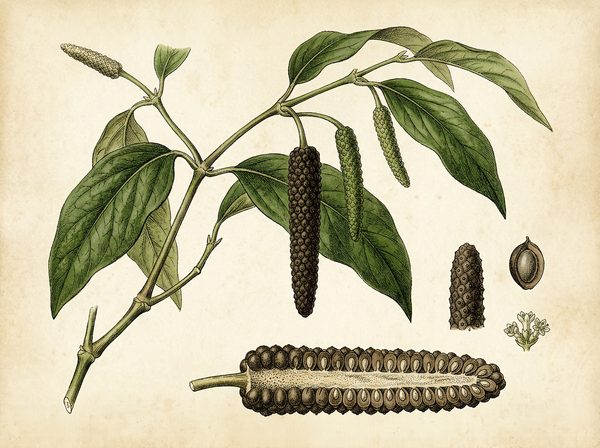 long pepperPiper longum
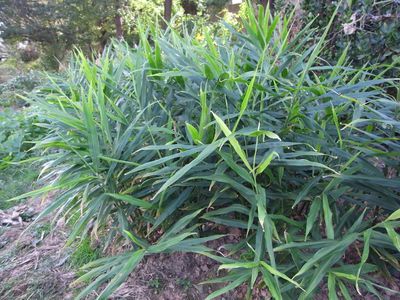 GingerZingiber officinale
 chebulic myrobalanTerminalia chebula
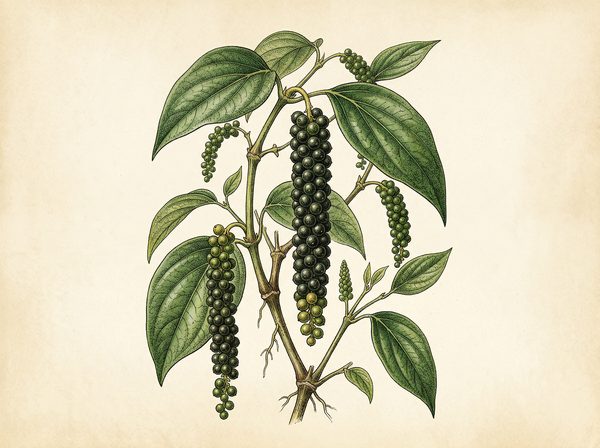 black pepperPiper nigrum
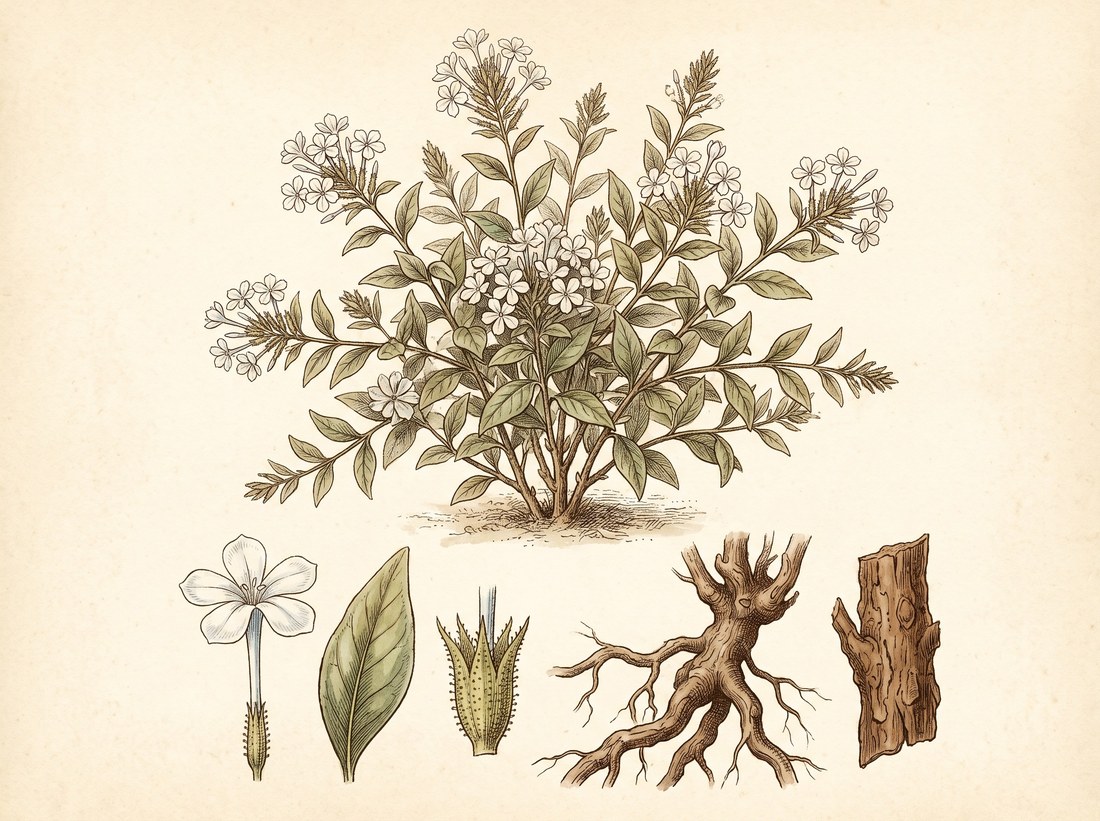 Ceylon leadwortPlumbago zeylanica
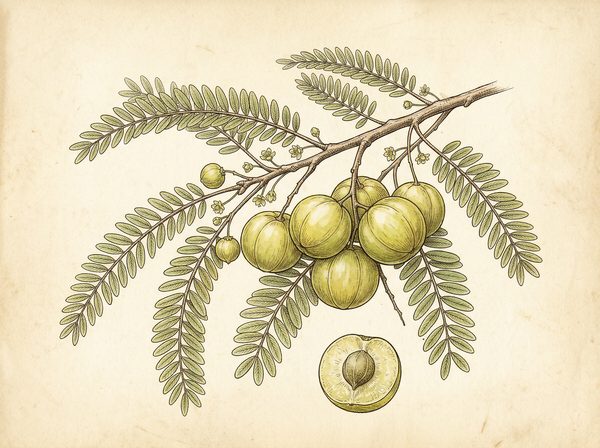 Indian gooseberryPhyllanthus emblica
Nearby on the shelf
 FrankincenseBoswellia spp.
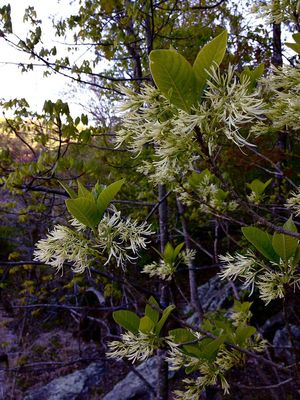 Fringe treeChionanthus virginicus
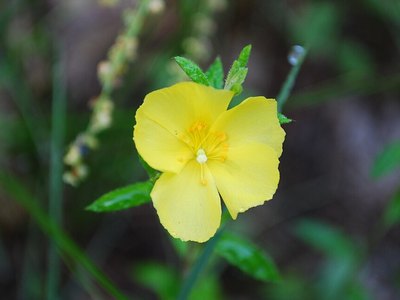 FrostweedHelianthemum canadense
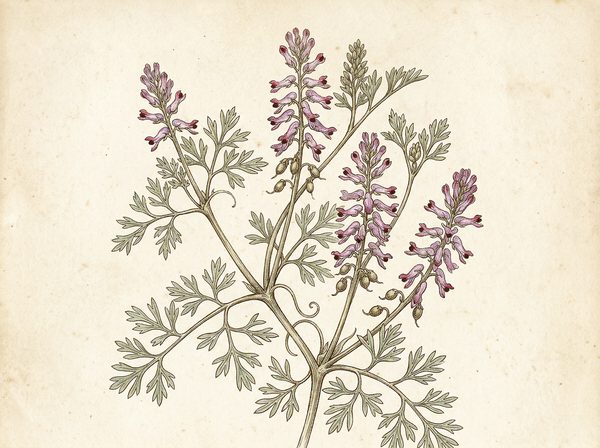 FumitoryFumaria officinalis
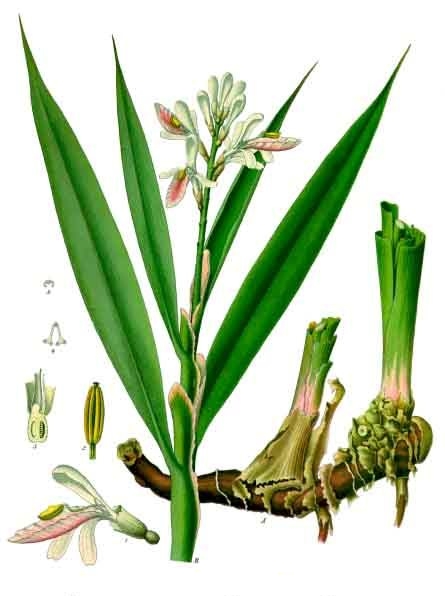 GalangalAlpinia officinarum
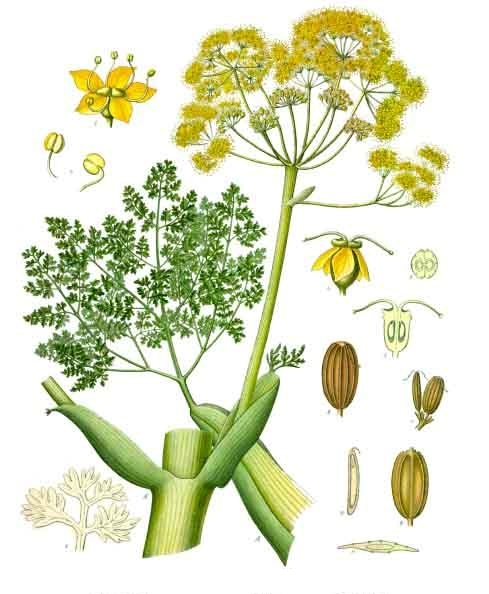 GalbanumGalbanum officinale
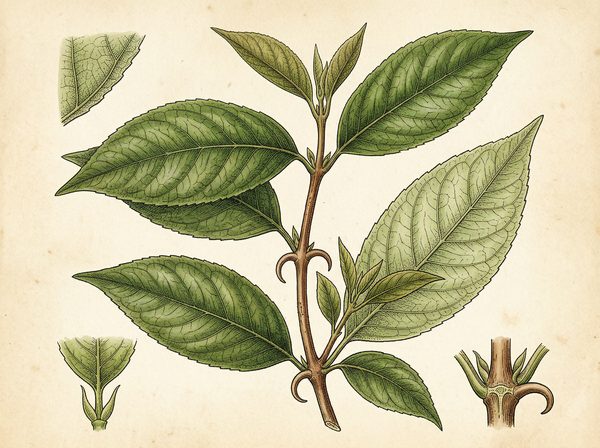 GambirUncaria gambir
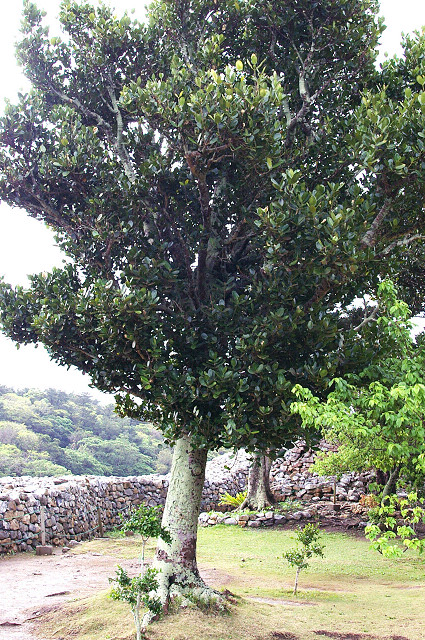 GambogeCambogia
The whole plate is in the library. The compass, Compare, the Sky of eleven hundred plants and the formulary open with an email address and a password, free, with the formula builder and its safety engine. Herbert without limit, his formulating, clients, the handouts and the labels are the paid room.
Open the library, free