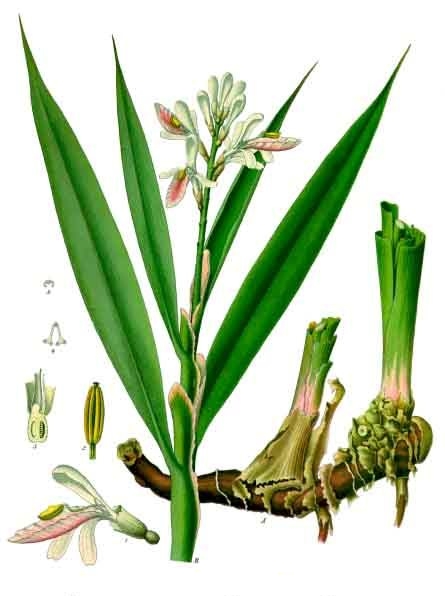
Western and Chinese herbalism
Galangal
Alpinia officinarum
Also known as Lesser galangal, Colic root, East India root, gāo liáng jiāng, liáng jiāng.
Used in TCM as Gao Liang Jiang for spleen/stomach meridians supports traditional uses for GI cold conditions modern studies confirm anti-ulcer, anti-inflammatory effects more clinical trials needed

Ask Herbert about Galangal. Herbert is the master herbalist inside Bountiful Herbs: he answers from this plate and eleven hundred others, with dosing, pairing and cautions. Your first ten questions are free.
Ask HerbertActions
Indications what the tradition reached for it in
- Epigastric cold pain
- Cold abdominal pain
- Colic
- Abdominal pain from cold/cholera
- GERD
- Qi stagnation
- Kidney deficiency pain
- Dyspepsia
- Stomach cold vomiting
- Toothache
- Loss of appetite
- Epigastric pain
- Cheek pain/swelling
- Belching
- Cold phlegm gathering
- Food stagnation
- Liver qi stagnation with stomach cold
- Diarrhea
- Typhoid vomiting
- Dysentery
- Vomiting
- Abdominal distension
- Bloating
- Cramps
- Debility
- Digestive discomfort
- Fatigue
- Flatulence
- Gas
- Inflammation
Safety
The record lists 2 contraindications; open the plate in the library to read them in full.
Dosing as the sources wrote it
| Preparation | As written | Metric |
|---|---|---|
| dried rhizome | dried rhizome 2-4 g daily | 2000-4000 mg |
| tincture | tincture 2-4 g daily | 2000-4000 mg |
| decoction | decoction 3-5 g Ayurvedic sources | 3000-5000 mg |
| tea: 1 tbsp rhizome in 0.5 L boiling water 15 min, 2-3 cups/day | 500 mL | |
| Its best form of administration is in tincture, the dose of which is from ½ to 1 fluid drachm. | 1.85-3.7 mL | |
| The powder may be given in doses of | The powder may be given in doses of 15 to 20 grains; from 30 to 60 grains may be given in infusion. | 972-1296 mg |
Doses are reproduced from the sources for practitioners and are not a recommendation for any person.
From the sources
Clinical Notes. Used in TCM as Gao Liang Jiang for spleen/stomach meridians supports traditional uses for GI cold conditions modern studies confirm anti-ulcer, anti-inflammatory effects more clinical trials needed
indications. Galangal is traditionally indicated for: Epigastric cold pain, Cold abdominal pain, Colic, Abdominal pain from cold/cholera, GERD, Qi stagnation, Kidney deficiency pain, Dyspepsia, Stomach cold vomiting, Toothache, Loss of appetite, Epigastric pain, Cheek pain/swelling, Belching, Cold phlegm gathering, and 21 further conditions.
constituents. Notable constituents of Galangal include: essential oil (1,8-cineole, camphene, borneol), flavonoids (galangin, kaempferol, quercetin), diarylheptanoids, pungent principles.
dose-reference. Reference preparation/dosing for Galangal: dried rhizome 2-4 g daily; tincture 2-4 g daily ; decoction 3-5 g Ayurvedic sources; tea: 1 tbsp rhizome in 0.5 L boiling water 15 min, 2-3 cups/day
Drawn from King's American Dispensatory, 18th edition (Felter and Lloyd), and the Bountiful Herbs editorial.
In formulas
Galangal stands in 19 documented formulas in the library, among them cháng shân yin, tiàn tái wù yào sǎn, vù dài wán, ǎn zhông sắn, láng fù wán.
Often paired with
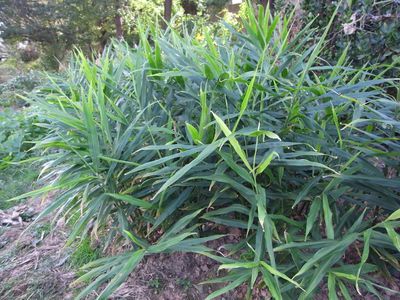 GingerZingiber officinale
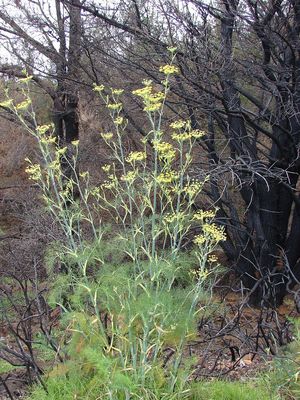 FennelFoeniculum vulgare
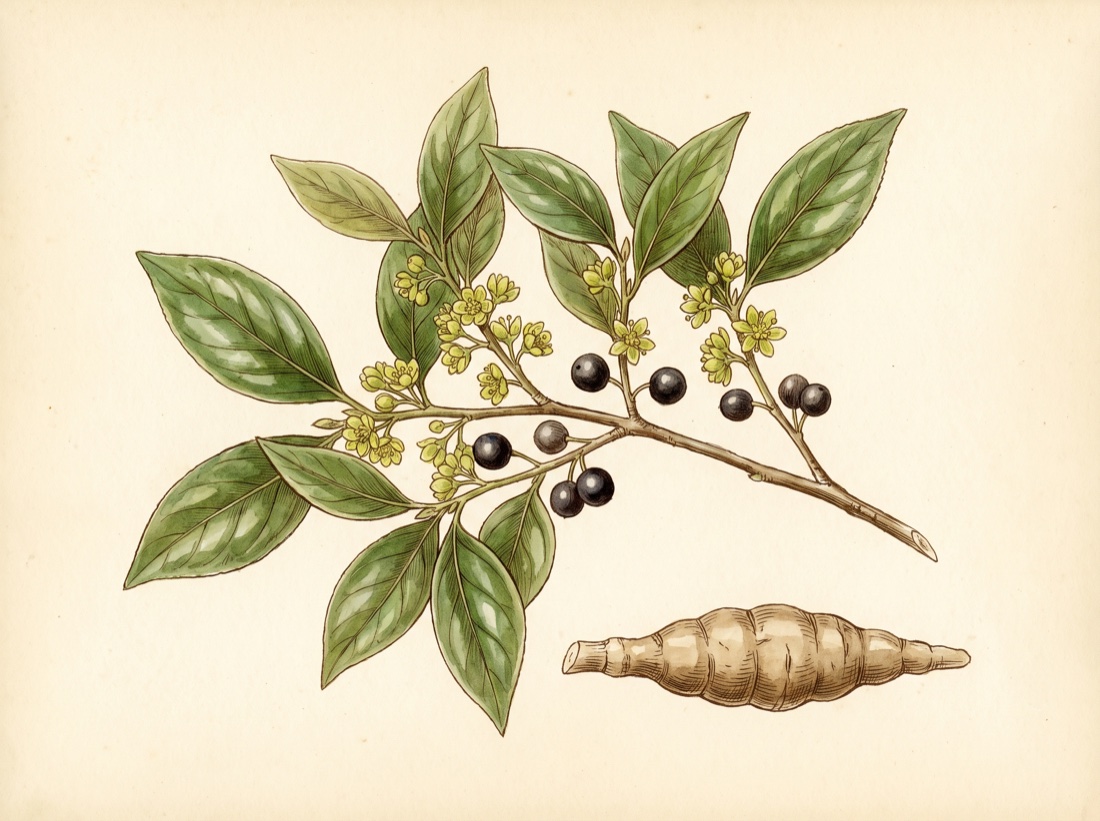 evergreen linderaLindera aggregata
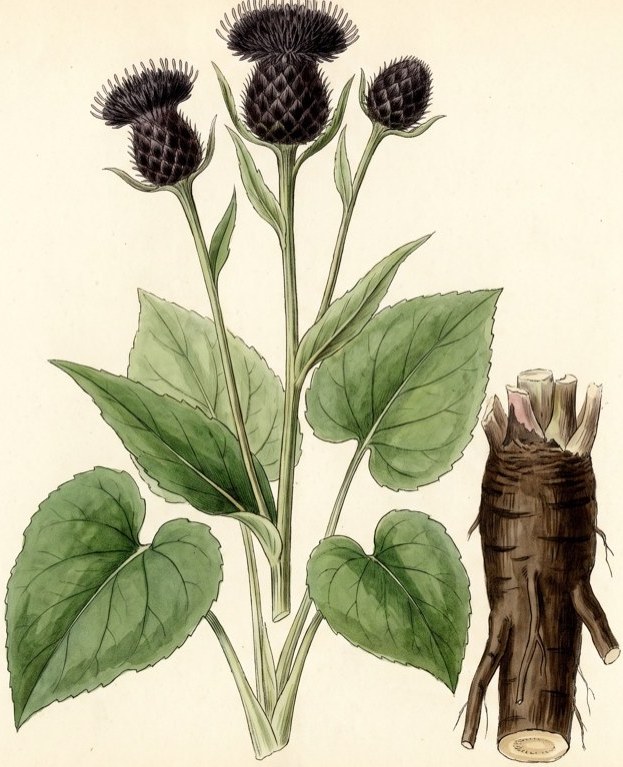 costusSaussurea costus
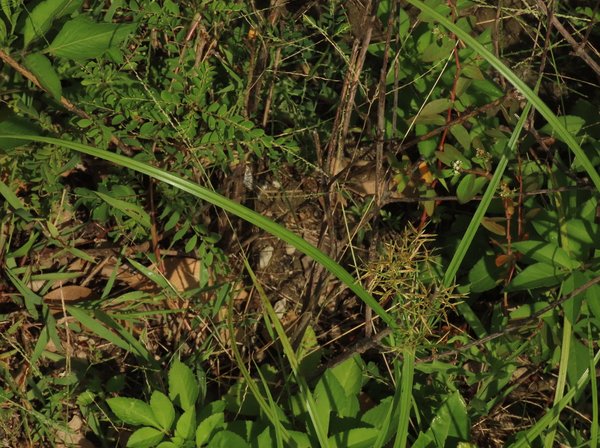 nut grassCyperus rotundus
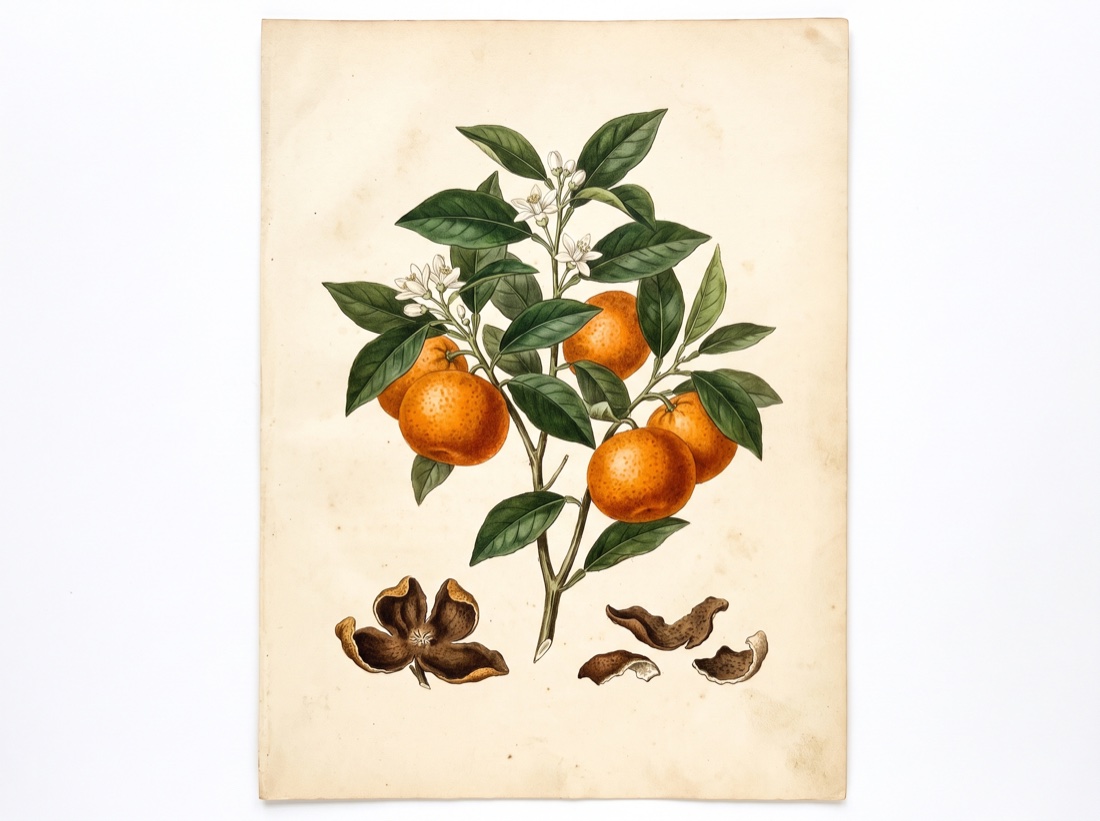 tangerineCitrus reticulata
Nearby on the shelf
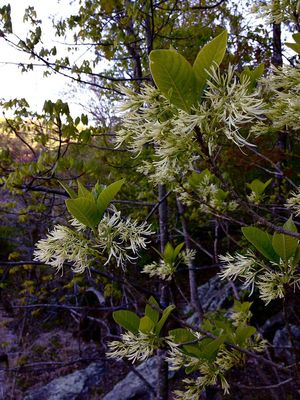 Fringe treeChionanthus virginicus
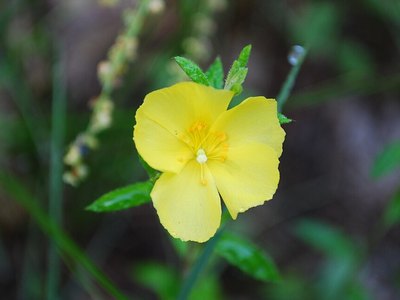 FrostweedHelianthemum canadense
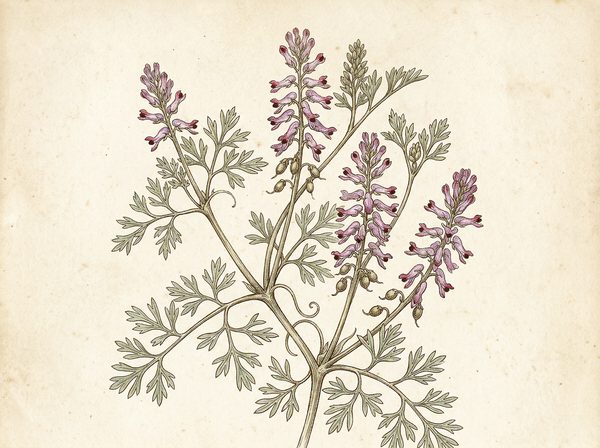 FumitoryFumaria officinalis
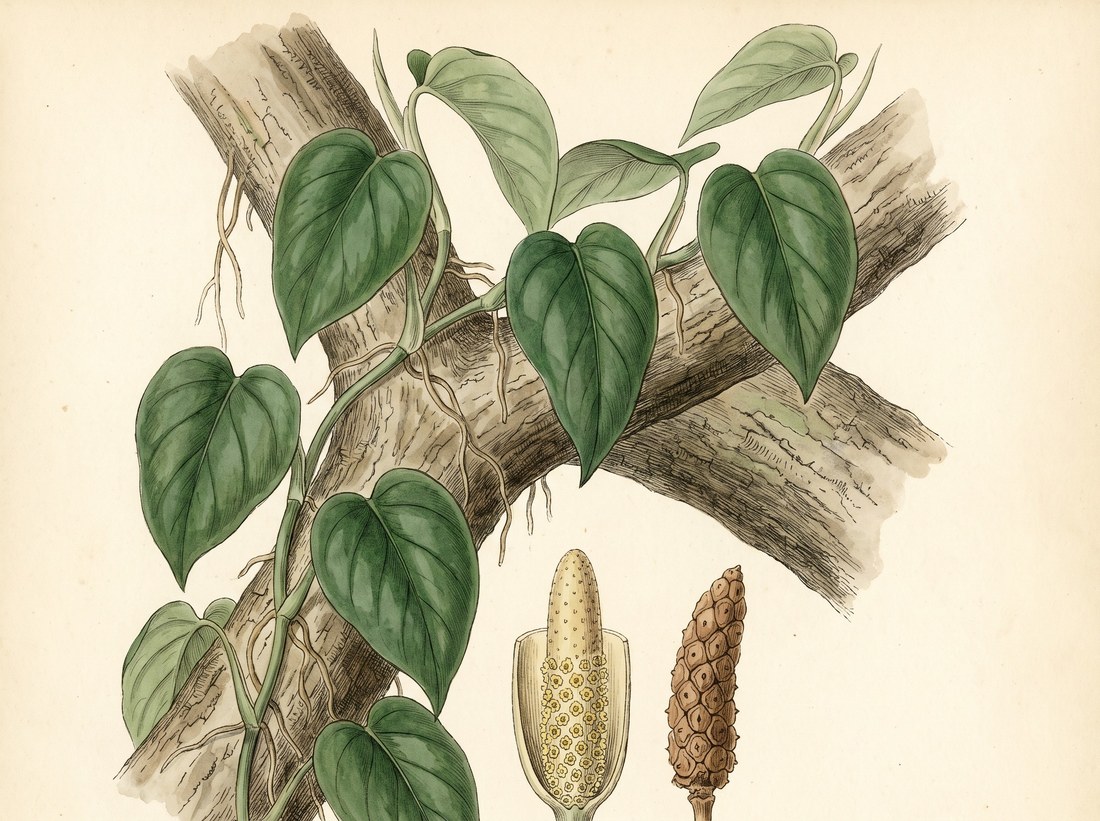 Gaja pippaliScindapsus officinalis
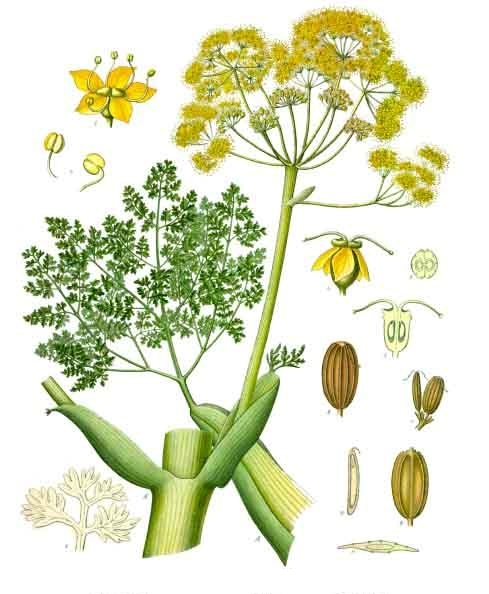 GalbanumGalbanum officinale
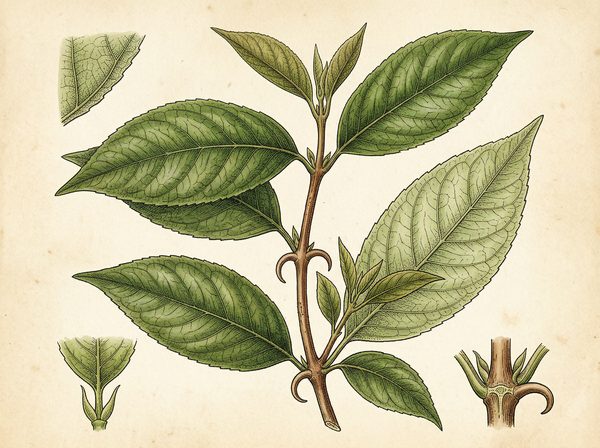 GambirUncaria gambir
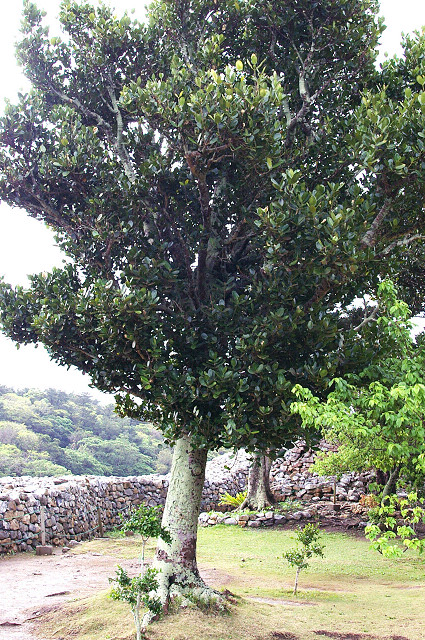 GambogeCambogia
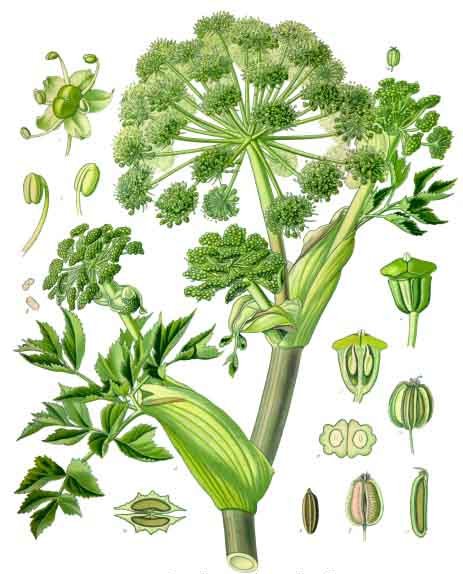 Garden AngelicaAngelica archangelica
The whole plate is in the library. The compass, Compare, the Sky of eleven hundred plants and the formulary open with an email address and a password, free, with the formula builder and its safety engine. Herbert without limit, his formulating, clients, the handouts and the labels are the paid room.
Open the library, free