Western Herbalism
Frostweed
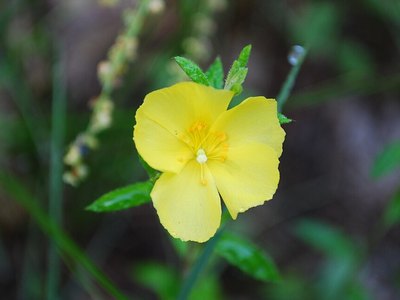
Helianthemum canadense
Also known as Rockrose, Canada frostweed, Frost plant, Frostwort, Frostplant, Rock-rose.
Frostweed is a small, downy native North American herb of the rockrose family, growing on sandy, open ground mostly east of the Alleghenies. Its name comes from the curious ribbons of ice that extrude from cracks at the base of the dried stem in early frosts, a phenomenon unrelated to its medicinal use. The whole herb, sometimes with root, was employed by physiomedicalist and Eclectic practitioners of the nineteenth century as a mild astringent tonic for weak, discharging mucous membranes.

Ask Herbert about Frostweed. Herbert is the master herbalist inside Bountiful Herbs: he answers from this plate and eleven hundred others, with dosing, pairing and cautions. Your first ten questions are free.
Ask HerbertActions
Indications what the tradition reached for it in
- Chronic diarrhea
- Scrofulous constitution with lax mucous membranes
- Sore throat
- Aphthous ulceration of the mouth
- Leucorrhea
- Intestinal catarrh
- Slow-healing skin eruptions
- General debility of the assimilative organs
Specific indications
Chronic diarrhea in a poorly nourished, scrofulous patient with pale, relaxed mucous membranes
Aphthous or ulcerated sore throat and mouth, used as a gargle or wash
Chronic mucous discharges from bowel or vagina in a debilitated, tissue-lax constitution
Safety
Pregnancy: No safety data exist; avoid or use only under professional guidance given the lack of information.
Breastfeeding: No safety data exist; avoid or use only under professional guidance given the lack of information.
The record lists 2 contraindications; open the plate in the library to read them in full.
In practice
Cook placed frostweed among the alterant tonics, a category meant to describe agents that both tighten lax tissue and gradually improve the quality of nutrition reaching it. In practice this meant it was reached for in patients described as scrofulous: pale, poorly nourished, prone to glandular swelling and to a chronic, low-grade diarrhea that did not respond to simple astringents alone.
Dosing as the sources wrote it
| Preparation | As written | Metric |
|---|---|---|
| Decoction | 2-4 g dried herb per cup, three times daily | 2000-4000 mg |
| Tincture (1:5, 45%) | 2-4 mL three times daily | 2-4 mL |
| The fluid extract is the best form for internal use; dose, 1 or 2 fluid drachms, 3 or 4 times a day. | 7.39-7.39 mL |
Doses are reproduced from the sources for practitioners and are not a recommendation for any person.
From the sources
Overview. Frostweed is a small, downy native North American herb of the rockrose family, growing on sandy, open ground mostly east of the Alleghenies. Its name comes from the curious ribbons of ice that extrude from cracks at the base of the dried stem in early frosts, a phenomenon unrelated to its medicinal use. The whole herb, sometimes with root, was employed by physiomedicalist and Eclectic practitioners of the nineteenth century as a mild astringent tonic for weak, discharging mucous membranes.
Clinical Notes. Cook placed frostweed among the alterant tonics, a category meant to describe agents that both tighten lax tissue and gradually improve the quality of nutrition reaching it. In practice this meant it was reached for in patients described as scrofulous: pale, poorly nourished, prone to glandular swelling and to a chronic, low-grade diarrhea that did not respond to simple astringents alone.
Properties and Uses. This plant possesses astringent and stimulating properties, of the class commonly termed alterant tonics. It strengthens the mucous membranes and the assimilative apparatus. Its principal employment is in those forms of scrofula where there is a tendency to diarrhea, with impurities dependent upon the absorption of ill-vitalized nutriment; in which cases it is an excellent agent, though a mild one.
Description. Natural Order, Cistaceae. A small herb, found mostly on sandy soils east of the Alleghenies, but also common in some places westward. Leaves simple, nearly an inch long, oblong, nearly sessile, tomentose beneath, opposite below, alternate above. Flowers of two sorts, the earlier ones being an inch wide, with five yellow petals, an indefinite number of stamens, and pods about half an inch long, bearing many seeds; the later ones with very small petals or none at all, three to ten stamens, and pods about as large as a pin’s head, and only a few seeds; the yellow petals open but once, and fall off the next day. The whole plant has a downy look.
Drawn from Cook's Physio-Medical Dispensatory; King's American Dispensatory, 18th edition (Felter and Lloyd), and the Bountiful Herbs editorial.
Nearby on the shelf
 Fragrant sumacRhus Aromatica
 FrangipaniPlumeria rubra
 FrankincenseBoswellia spp.
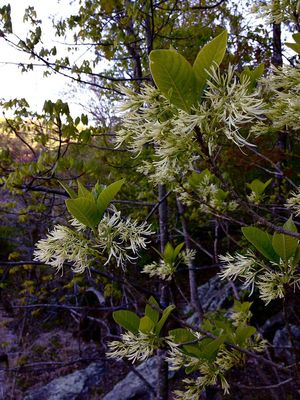 Fringe treeChionanthus virginicus
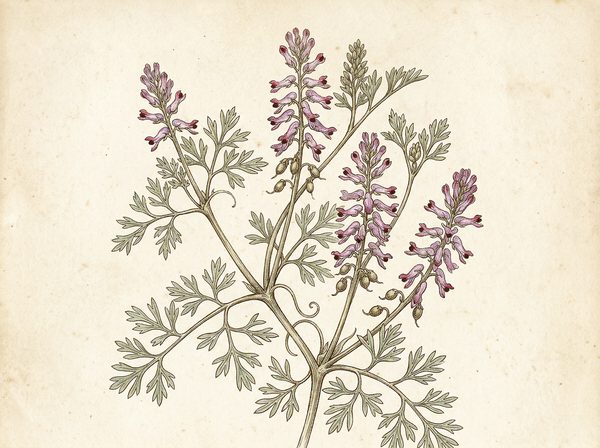 FumitoryFumaria officinalis
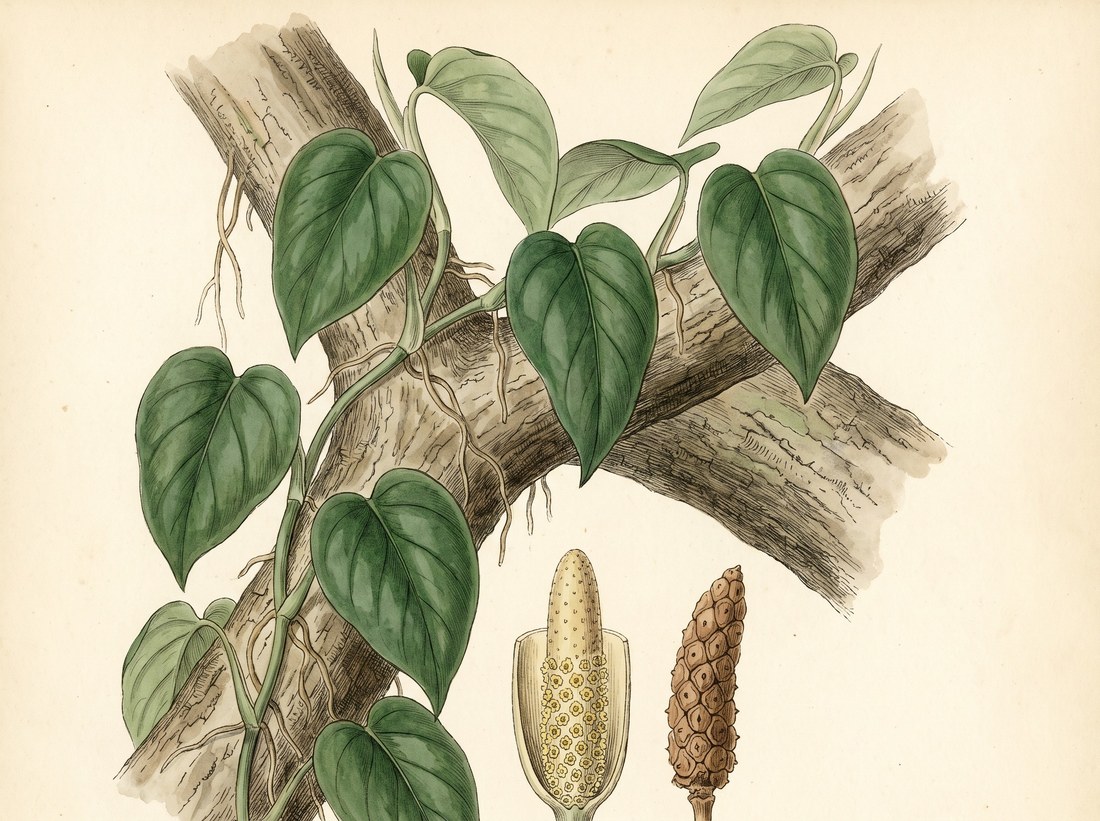 Gaja pippaliScindapsus officinalis
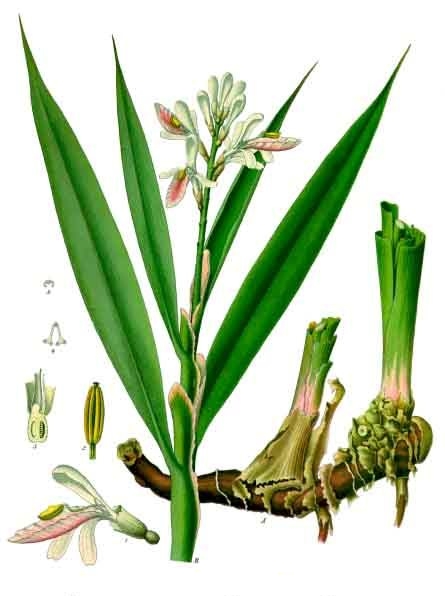 GalangalAlpinia officinarum
 GalbanumGalbanum officinale
The whole plate is in the library. The compass, Compare, the Sky of eleven hundred plants and the formulary open with an email address and a password, free, with the formula builder and its safety engine. Herbert without limit, his formulating, clients, the handouts and the labels are the paid room.
Open the library, free