Western Herbalism
Elaterium
Ecballium elaterium
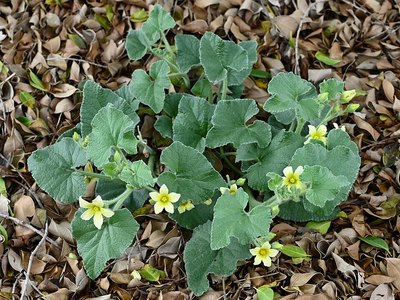
Also known as Squirting cucumber, Wild cucumber, Exploding cucumber, Squirting gherkin, Trailing Arbutus, Gravel Weed, Gravel Plant, Ground Laurel.
Ecballium elaterium, the squirting cucumber, is a low, trailing Mediterranean and Middle Eastern plant of the cucumber family, notable for its ripe fruit which explosively ejects its seeds and juice when disturbed. The dried sediment of the fruit's juice, called elaterium, was one of the most powerful hydragogue cathartics of nineteenth century eclectic and regular medicine, reserved for severe dropsical states. Its use has almost entirely disappeared from modern practice because of its extreme potency and narrow margin of safety.

Ask Herbert about Elaterium. Herbert is the master herbalist inside Bountiful Herbs: he answers from this plate and eleven hundred others, with dosing, pairing and cautions. Your first ten questions are free.
Ask HerbertActions
Indications what the tradition reached for it in
- Dropsy with ascites
- Anasarca
- Hydrothorax
- Cerebral effusion (historical eclectic use)
- Chronic nephritis with fluid retention
- Obstinate constipation (historical, not recommended)
- Amenorrhea (historical emmenagogue use)
- Ringworm and skin parasites (topical, historical)
Specific indications
Dropsy with a tense, fluid-distended abdomen and scanty urine, where a violent hydragogue purge was historically used as a last resort to clear fluid via the bowel
Cerebral or pulmonary effusion in acute febrile illness, where eclectic physicians used minute, carefully titrated doses to draw fluid away from vital organs
Safety
Recognised toxicity. This plant carries a toxicity flag in the record; it is for trained practitioners only.
Low dose botanical. Used in drop doses in the classical practice; not a plant to dose freely.
Pregnancy: Avoid entirely in pregnancy: it is a violent purgative and uterine stimulant risk with a long history of use to provoke abortion, and this alone makes it unsafe.
Breastfeeding: Avoid in lactation: no safety data exist and the drastic purgative action makes any use inappropriate.
The record lists 6 contraindications; open the plate in the library to read them in full.
In practice
Eclectic physicians valued elaterium as a drastic remedy for dropsy that had not responded to gentler diuretics, particularly when ascites or anasarca threatened vital function and the case seemed otherwise hopeless.
Dosing as the sources wrote it
| Preparation | As written | Metric |
|---|---|---|
| Historical trituration of elaterin | 30-35 mg as a single dose, used only under close historical eclectic supervision | 30-35 mg |
| Historical specific medicine elaterium (tincture) | 0.02-1 mL, shaken well before each dose, historical use only | 0.02-1 mL |
| Trituratiae Elaterii, Trituration of Elaterin | Dose, grain one-half. | |
| Specific Medicine Elaterium | Dose, one-third to fifteen minims. | 0.02-0.92 mL |
| They produced its hydragogue action for its derivative influence first, by half drachm doses of the tincture until its full influence was obtained, subsequently they gave smaller doses. | 1944-1944 mg | |
| Dose, 1 to 20 drops. | 0.02-0.4 mL |
Doses are reproduced from the sources for practitioners and are not a recommendation for any person.
From the sources
Overview. Ecballium elaterium, the squirting cucumber, is a low, trailing Mediterranean and Middle Eastern plant of the cucumber family, notable for its ripe fruit which explosively ejects its seeds and juice when disturbed. The dried sediment of the fruit's juice, called elaterium, was one of the most powerful hydragogue cathartics of nineteenth century eclectic and regular medicine, reserved for severe dropsical states. Its use has almost entirely disappeared from modern practice because of its extreme potency and narrow margin of safety.
Clinical Notes. Eclectic physicians valued elaterium as a drastic remedy for dropsy that had not responded to gentler diuretics, particularly when ascites or anasarca threatened vital function and the case seemed otherwise hopeless.
Action and Therapy. Elaterium is the most powerful and the best of the hydragogue cathartics. As such it is indicated only in individuals strong enough to stand depletion, and is always contraindicated in the weak and feeble.
Action and Therapy. Trailing arbutus is a useful diuretic when the urine is loaded with deposits of red, sandy material, mucus or muco-pus. It renders the urine less irritating, and is valuable to relieve irritation of the mucous membranes, vesical tenesmus, dysuria, and strangury.
Drawn from Scudder's Specific Medication and Specific Medicines; King's American Dispensatory, 18th edition (Felter and Lloyd); Ellingwood's American Materia Medica, Therapeutics and Pharmacognosy; Felter's Eclectic Materia Medica, Pharmacology and Therapeutics, and the Bountiful Herbs editorial.
Often paired with
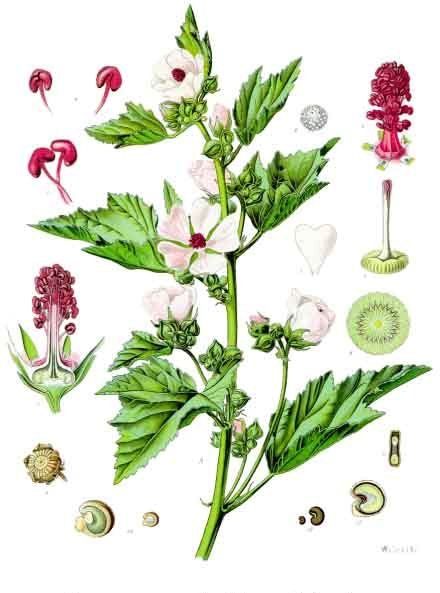 MarshmallowAlthaea officinalis
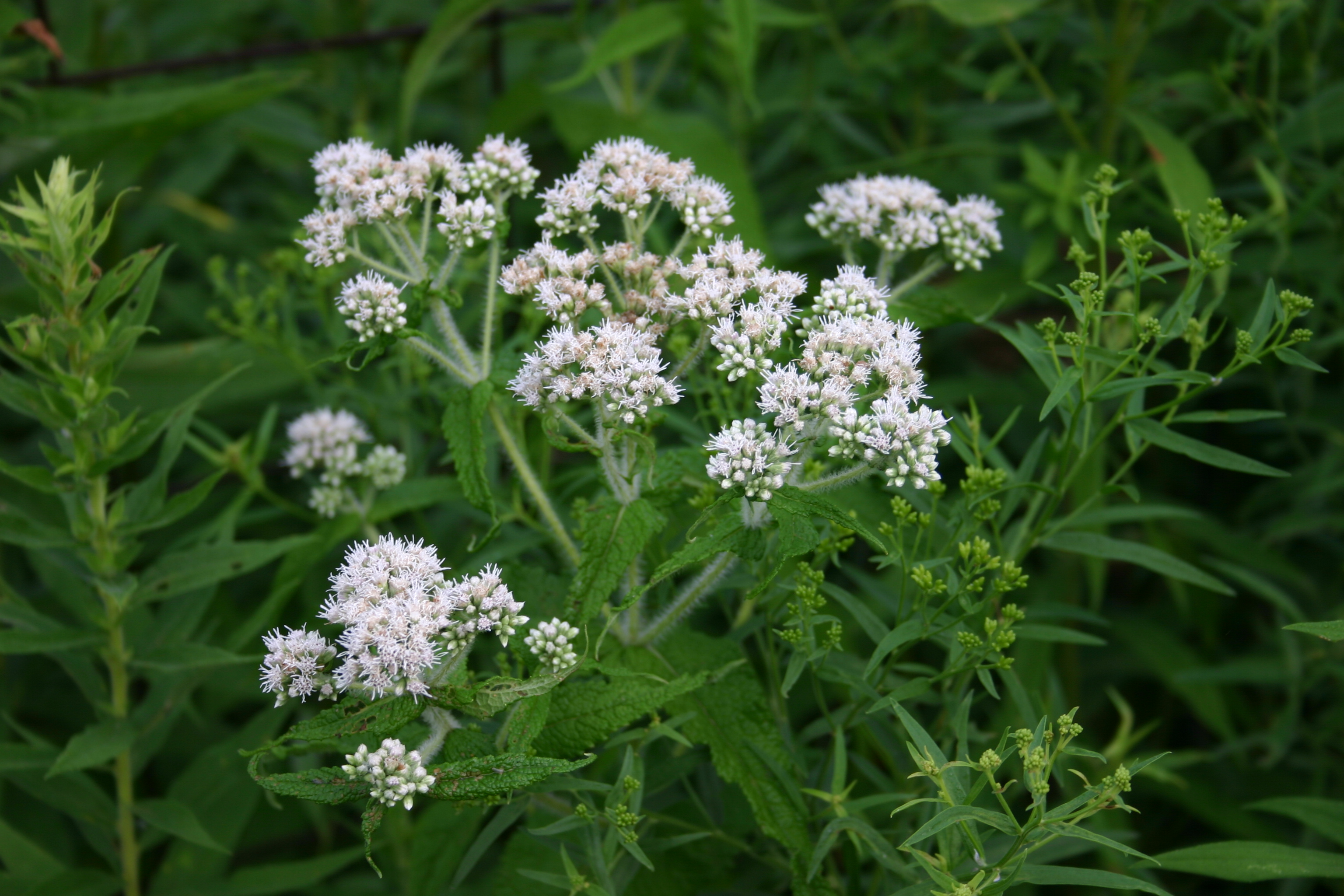 Gravel rootEupatorium purpureum
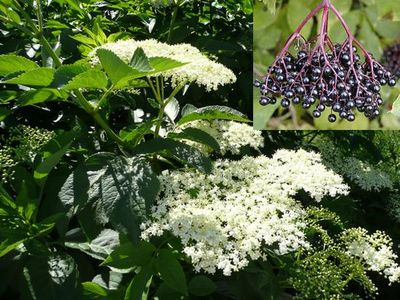 Black elderSambucus nigra
 Dwarf ElderAralia Hispida
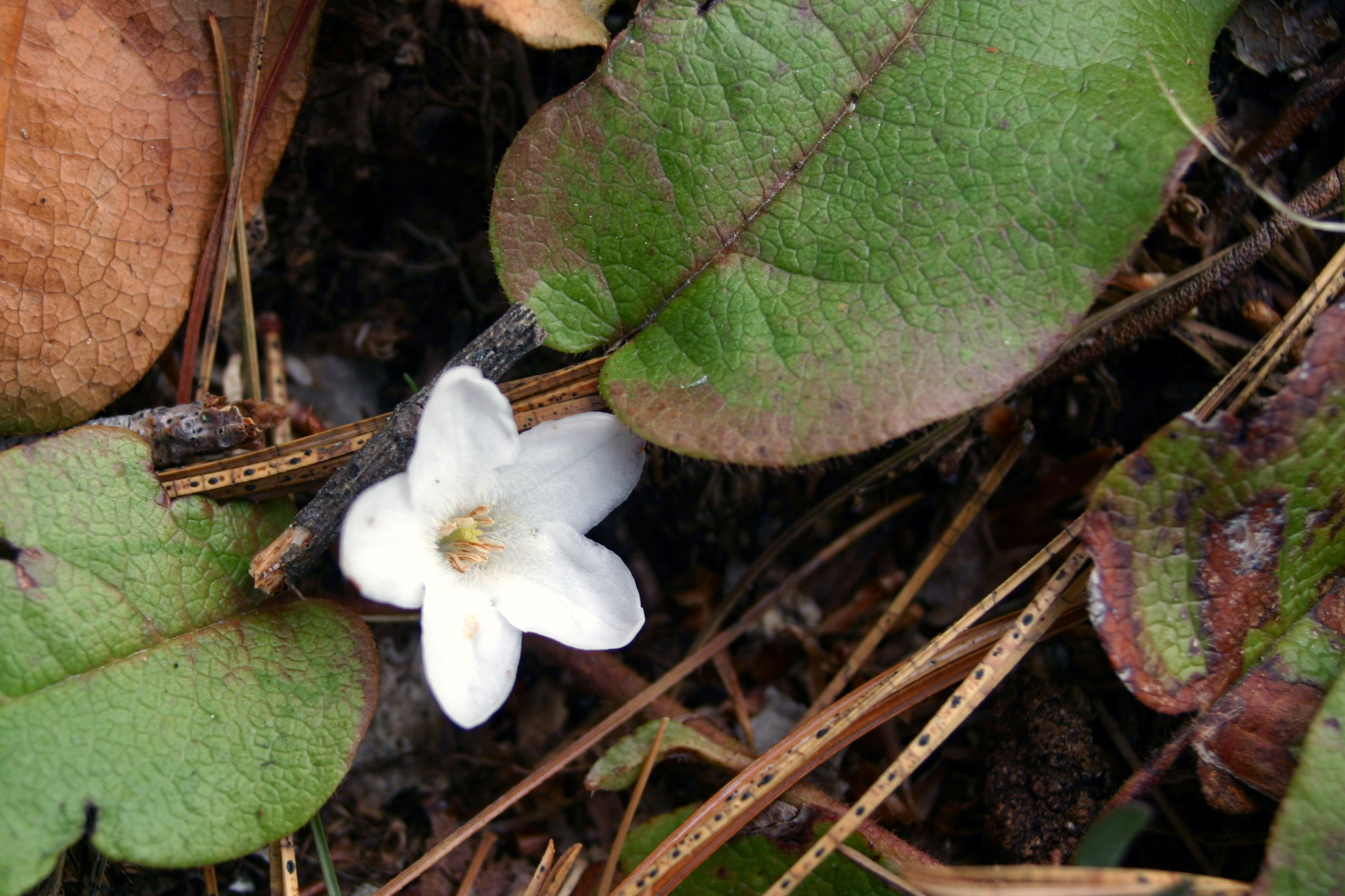 EpigaeaEpigaea repens
 aloe veraAloe vera
Nearby on the shelf
 Eastern HemlockAbies Canadensis
 Eastern red cedarJuniperus virginiana
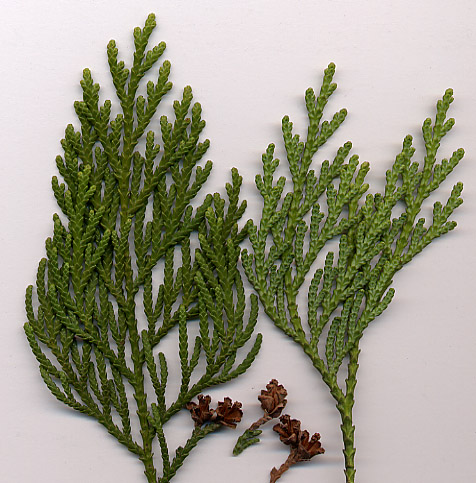 Eastern white cedarThuja occidentalis
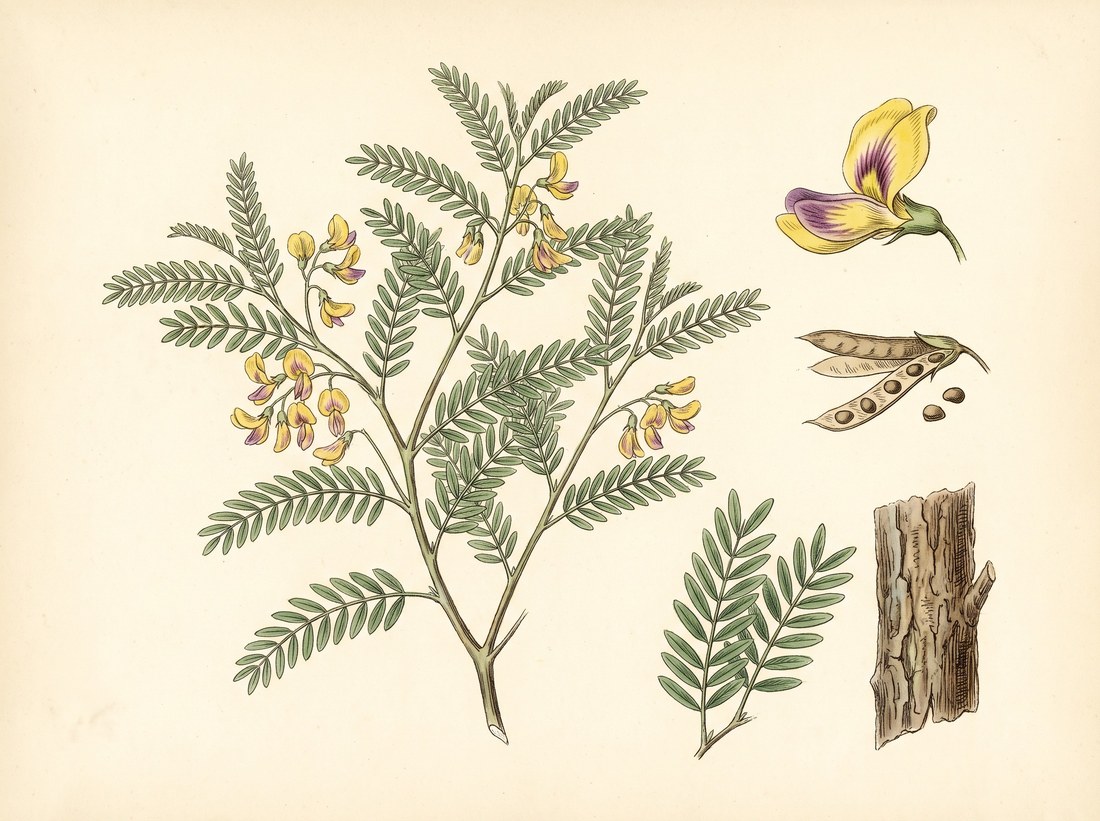 Egyptian riverhempSesbania sesban
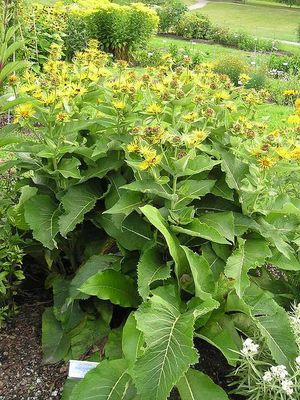 ElecampaneInula helenium
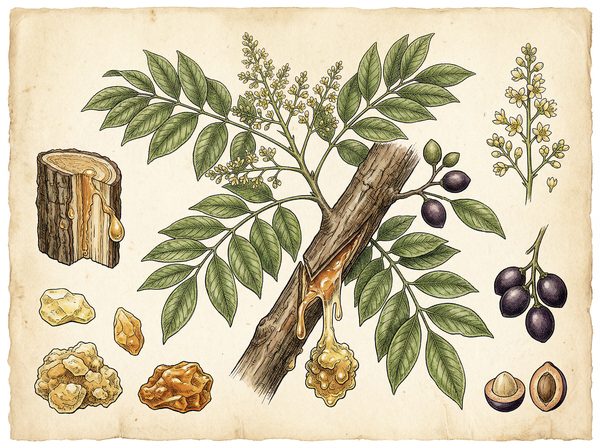 ElemiCanarium luzonicum
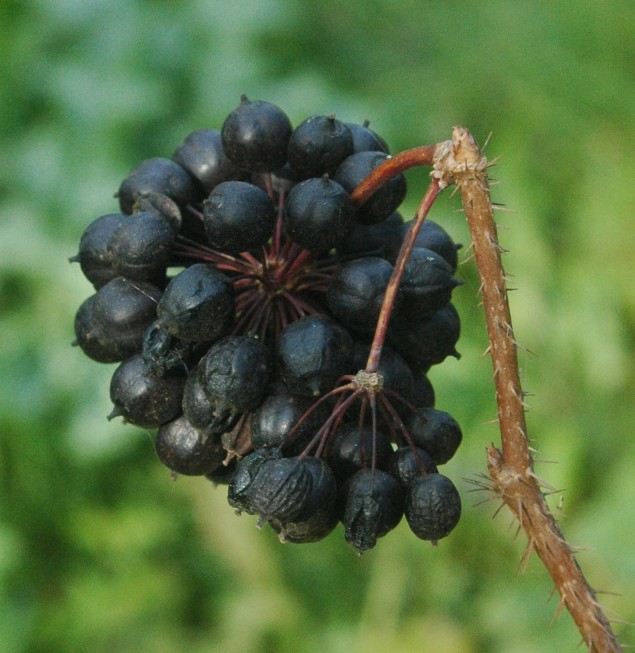 EleutheroEleutherococcus senticosus
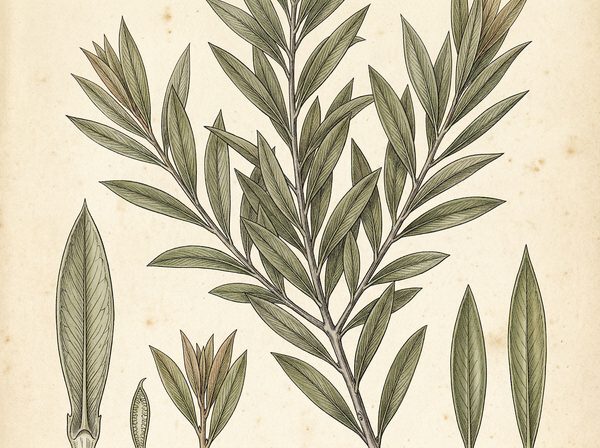 Emu BushEremophila spp.
The whole plate is in the library. The compass, Compare, the Sky of eleven hundred plants and the formulary open with an email address and a password, free, with the formula builder and its safety engine. Herbert without limit, his formulating, clients, the handouts and the labels are the paid room.
Open the library, free