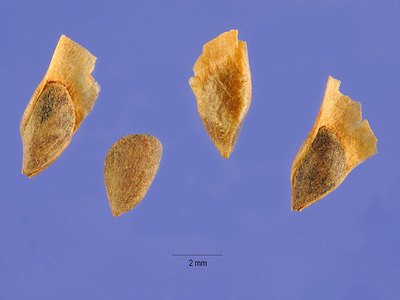
Western Herbalism
Black spruce
Abies Nigra
Also known as Double spruce, Bog spruce, Swamp spruce.
Black spruce is a slow-growing conifer of northern bogs and cold forests across Canada and the northeastern United States. The bark, young twigs, and the essential oil distilled from the needles were used by eclectic physicians of the nineteenth century, often marketed under the name Pinus canadensis for the alcoholic preparations. The bark decoction served as an astringent for relaxed mucous tissues, while the oil was applied as a stimulating liniment and occasionally taken internally in very small doses.

Ask Herbert about Black spruce. Herbert is the master herbalist inside Bountiful Herbs: he answers from this plate and eleven hundred others, with dosing, pairing and cautions. Your first ten questions are free.
Ask HerbertActions
Indications what the tradition reached for it in
- Leucorrhea
- Uterine prolapse
- Rectal prolapse
- Diarrhea with relaxed, pale mucosa
- Passive hemorrhage
- Chronic catarrh of mucous membranes
- Gastric irritation with vomiting
- Rheumatic and muscular pain (topical)
- Croup, as a stimulating chest liniment
- Scalds and minor burns (topical)
- Aphthous mouth ulcers (as a gargle or rinse)
Specific indications
Pale, relaxed, boggy mucous membranes with a thin, watery catarrhal discharge that calls for a mild astringent stimulant rather than a harsh drying agent
Persistent low-grade oozing or passive venous bleeding from mucosal surfaces where a gentle astringent tonic is wanted
Safety
Low dose botanical. Used in drop doses in the classical practice; not a plant to dose freely.
Pregnancy: Avoid internal use of the essential oil in pregnancy, as it has a documented history of misuse as an abortifacient and carries real risk of harm; bark preparations lack safety data and are best avoided as well.
The record lists 4 contraindications; open the plate in the library to read them in full.
In practice
The bark decoction was historically reached for when mucous membranes looked pale, boggy, and relaxed rather than acutely inflamed, whether in the vagina, rectum, or gut. It was given both by mouth and as an enema or douche for leucorrhea and prolapse, valued for a gentle toning astringency rather than a harsh drying effect.
Dosing as the sources wrote it
| Preparation | As written | Metric |
|---|---|---|
| Bark decoction | 2-4 g dried bark simmered in 250 mL water, taken up to three times daily | 2000-4000 mg |
| Tincture of bark (1:5) | 1-2 mL three times daily | 1-2 mL |
| Essential oil, diluted, topical liniment | 5-10% dilution in a carrier oil, applied to affected area two to three times daily | |
| Essential oil, internal (historical, low dose only) | 1-2 drops in water, occasional use only, not recommended without professional guidance | 0.02-0.04 mL |
Doses are reproduced from the sources for practitioners and are not a recommendation for any person.
From the sources
Overview. Black spruce is a slow-growing conifer of northern bogs and cold forests across Canada and the northeastern United States. The bark, young twigs, and the essential oil distilled from the needles were used by eclectic physicians of the nineteenth century, often marketed under the name Pinus canadensis for the alcoholic preparations. The bark decoction served as an astringent for relaxed mucous tissues, while the oil was applied as a stimulating liniment and occasionally taken internally in very small doses.
Clinical Notes. The bark decoction was historically reached for when mucous membranes looked pale, boggy, and relaxed rather than acutely inflamed, whether in the vagina, rectum, or gut. It was given both by mouth and as an enema or douche for leucorrhea and prolapse, valued for a gentle toning astringency rather than a harsh drying effect.
Action, Medical Uses, and Dosage. A strong decoction of the bark of this tree is beneficial in leucorrhoea, prolapsus uteri, prolapsus ani, diarrhoea, etc., administered internally, and used in enema; it is likewise of service as a local application in gangrene, and in aphthous, and other oral ulcerations.
Specific Indications and Uses. General asthenic state, with feeble digestion, vascular weakness, and pale mucous membranes; broncho-pulmonary irritation, with profuse secretions; coughs and colds; renal torpor; pyrosis and gastric irritation, with vomiting and diarrhoea; some cutaneous affections. Never to be used in inflammatory or sthenic conditions.
Drawn from King's American Dispensatory, 18th edition (Felter and Lloyd), and the Bountiful Herbs editorial.
Nearby on the shelf
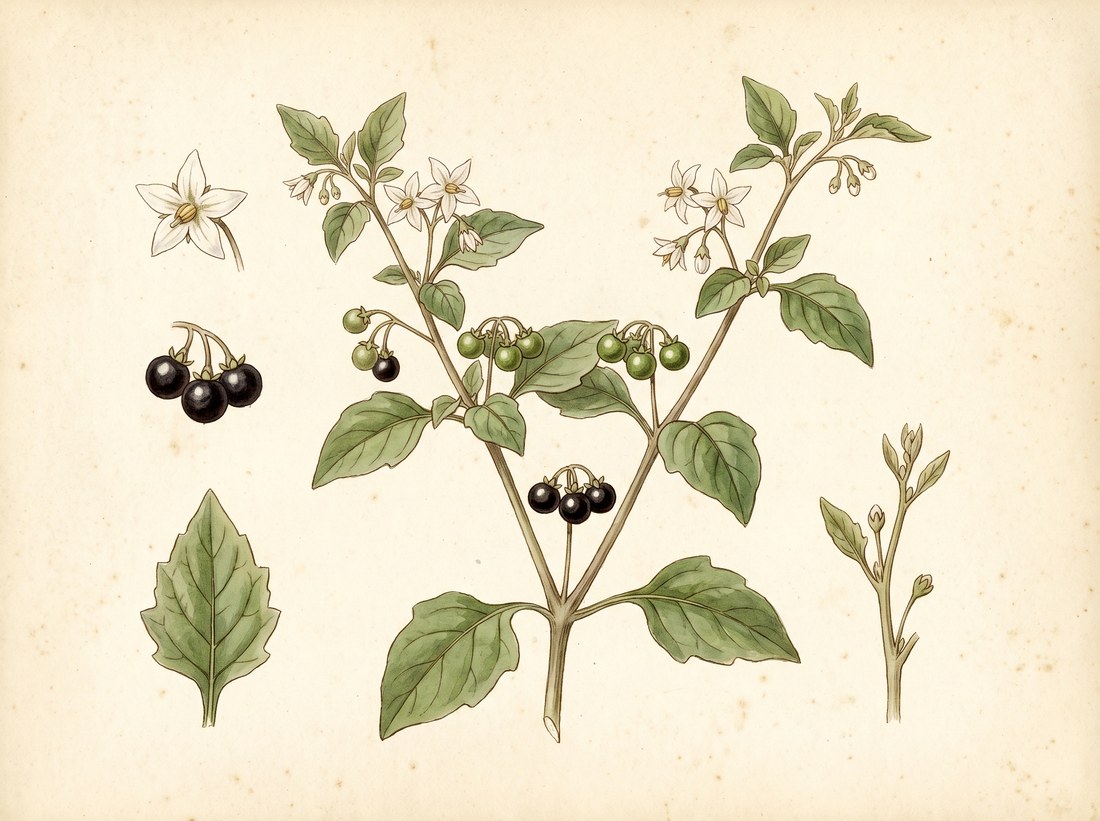 Black nightshadeSolanum nigrum
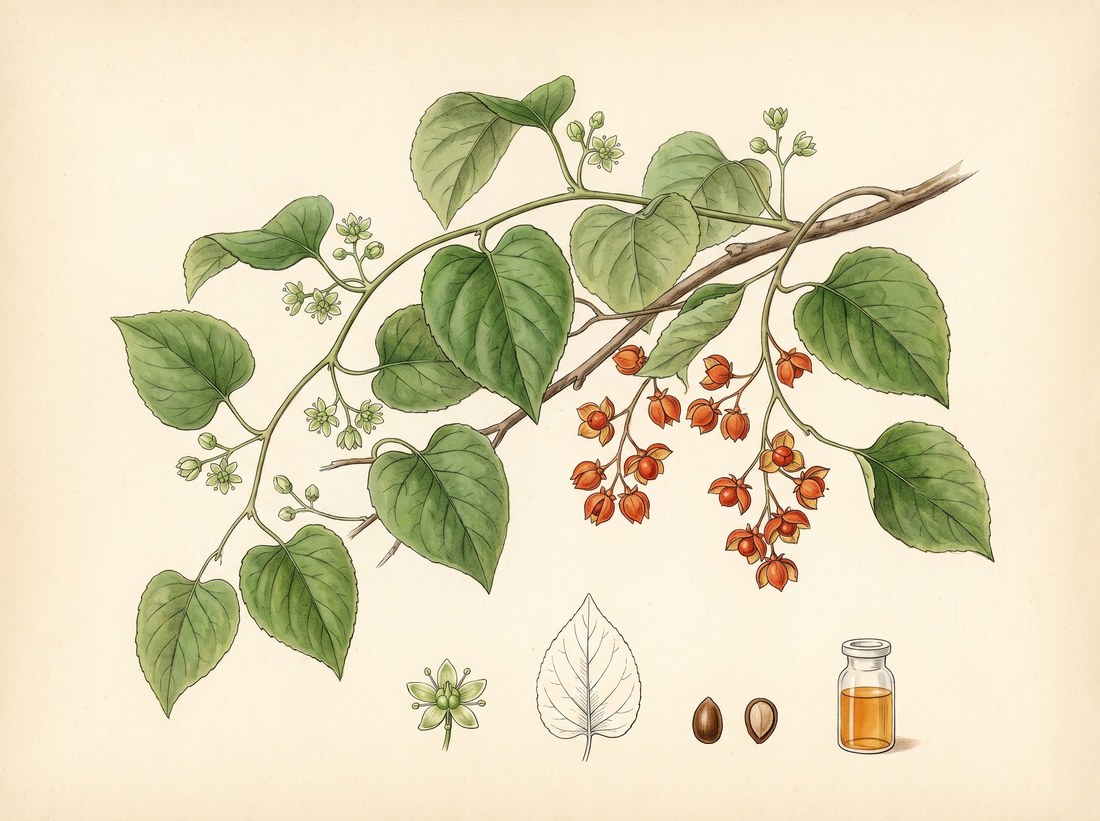 Black oil plantCelastrus paniculatus
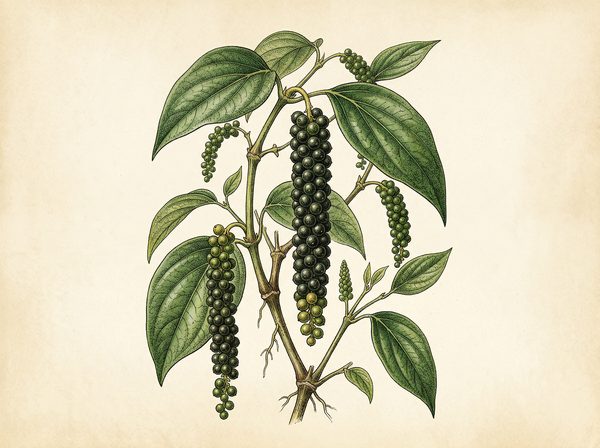 Black pepperPiper nigrum
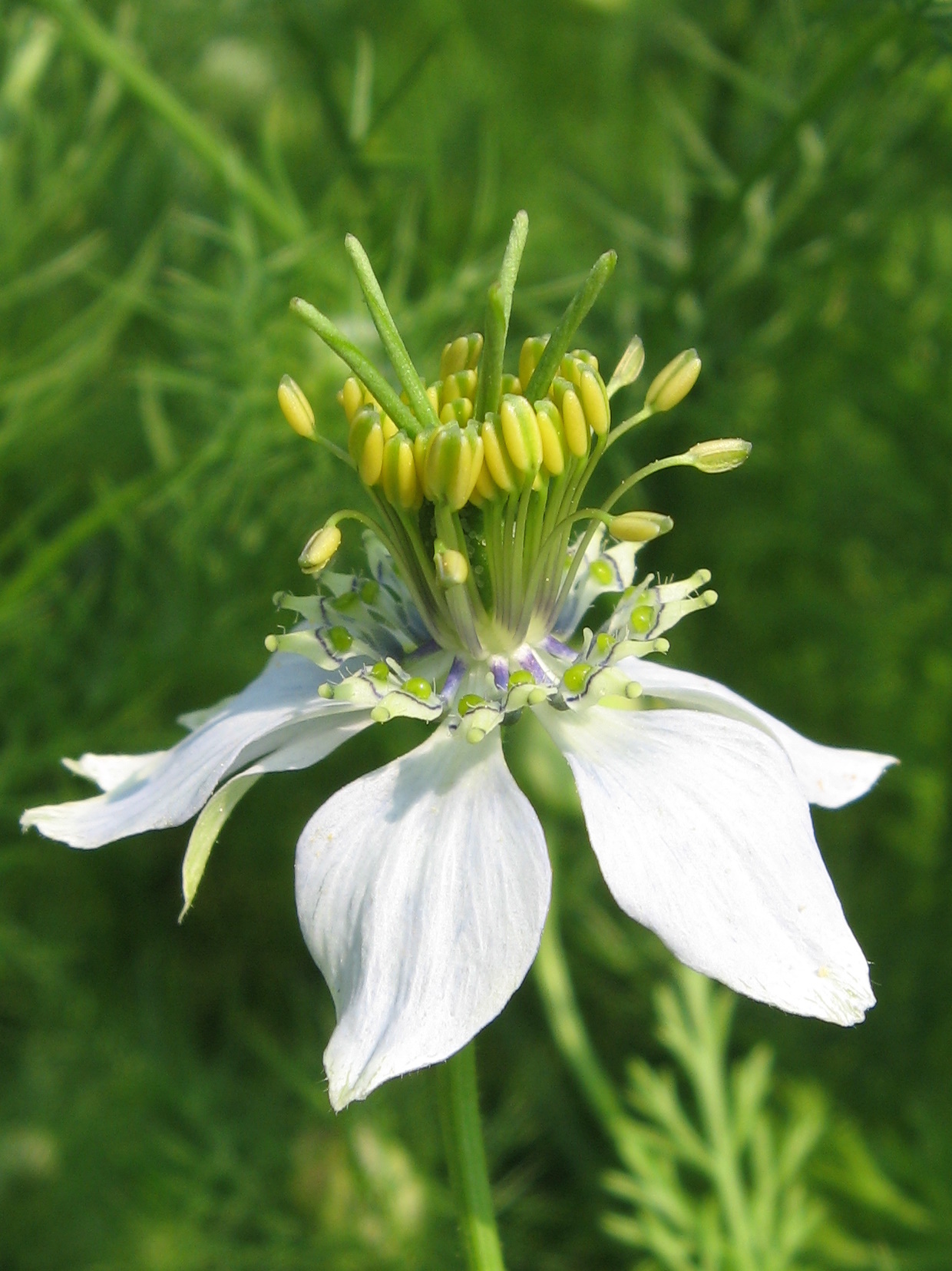 Black seedNigella sativa
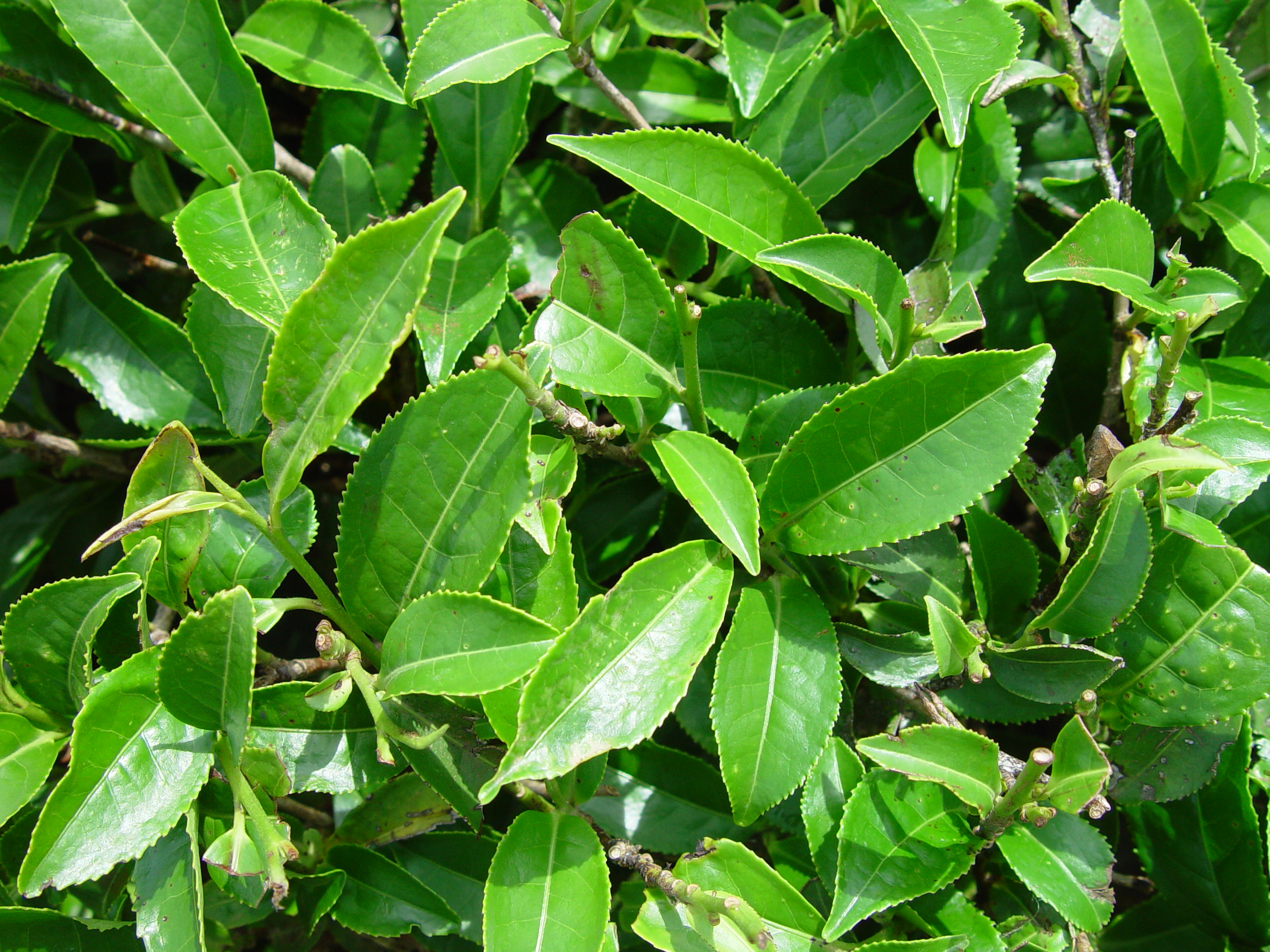 Black teaCamellia sinensis
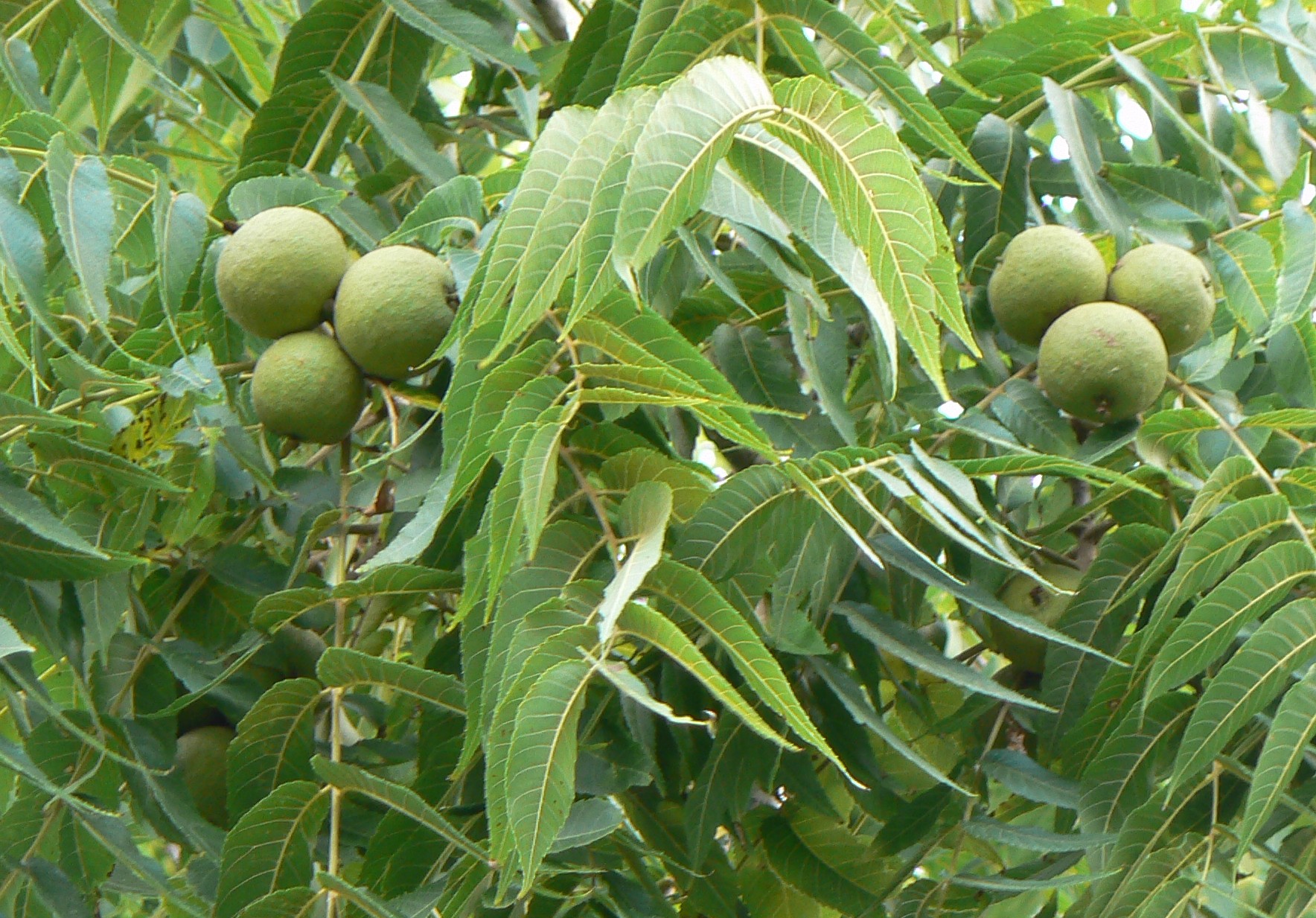 Black walnutJuglans nigra
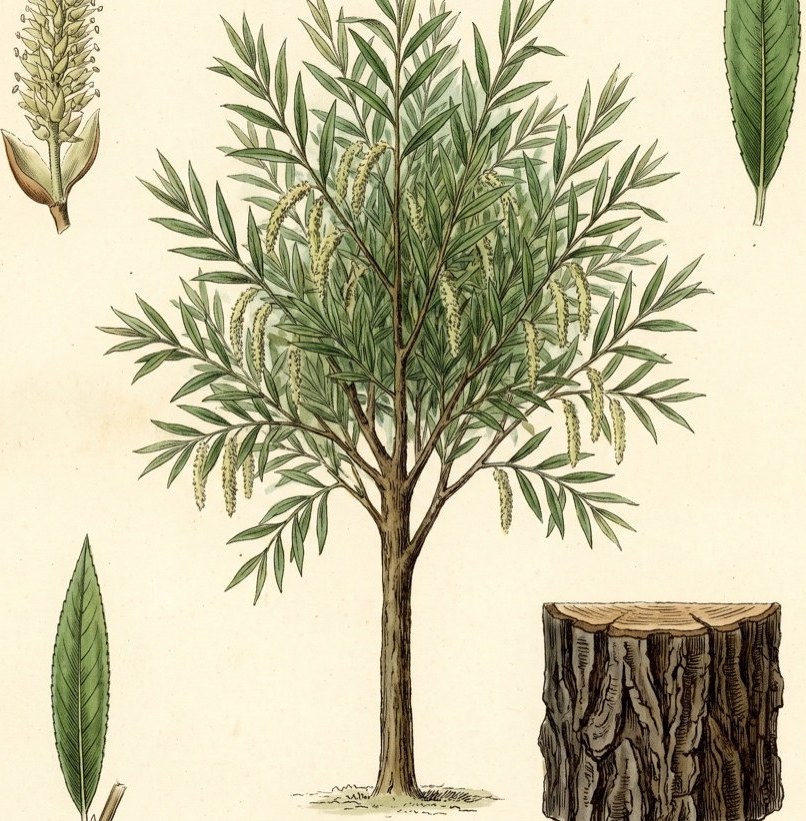 Black willowSalix Nigra
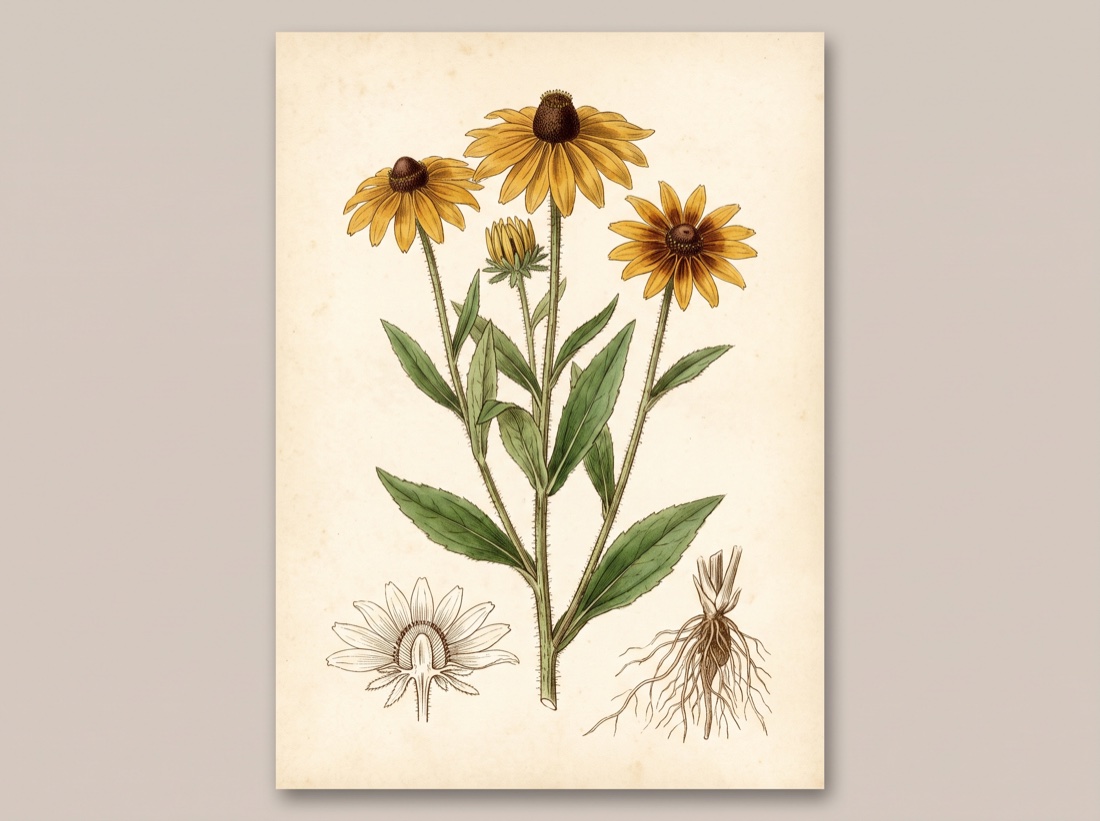 Black-eyed SusanRudbeckia hirta
The whole plate is in the library. The compass, Compare, the Sky of eleven hundred plants and the formulary open with an email address and a password, free, with the formula builder and its safety engine. Herbert without limit, his formulating, clients, the handouts and the labels are the paid room.
Open the library, free