Western, Chinese and Ayurvedic herbalism
Sichuan chinaberry
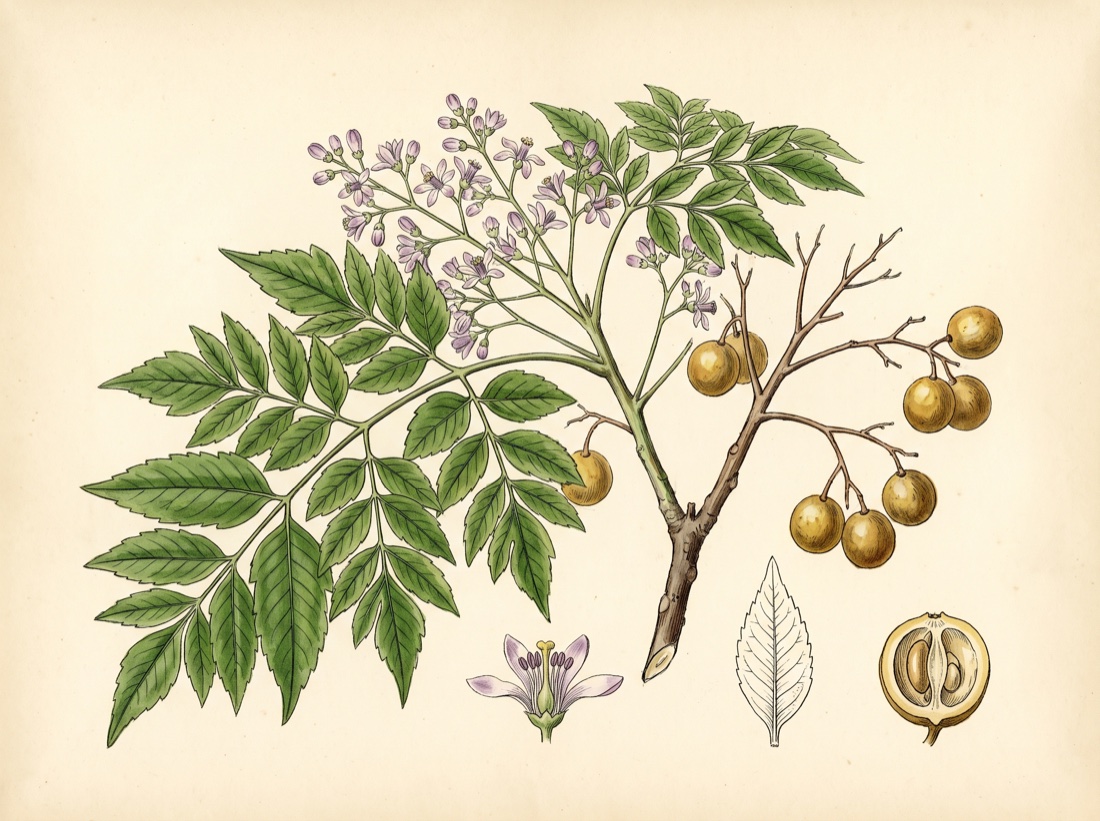
Melia toosendan
Also known as toosendan, Sichuan pagoda tree, Sichuan chinaberry fruit, chuan lian zi, Azedarach, Pride of India, Pride of China, Bead-tree, chuān liàn zǐ, jīn líng zǐ, Mahanimba.
Chuan lian zi is the dried ripe fruit of the Sichuan chinaberry, a fast-growing deciduous tree of Sichuan, Yunnan, Guizhou, Hubei and Gansu. Botanically it is now generally treated as part of the wider Melia azedarach complex, but the Chinese Pharmacopoeia keeps it as a separate drug source, distinct from ku lian pi, the root bark of the same trees. The bitter, cold, mildly toxic fruit is one of the principal qi-moving analgesics for Liver-pattern pain, and its limonoid triterpene toosendanin gives both its worm-killing power and its toxicity.

Ask Herbert about Sichuan chinaberry. Herbert is the master herbalist inside Bountiful Herbs: he answers from this plate and eleven hundred others, with dosing, pairing and cautions. Your first ten questions are free.
Ask HerbertActions
Indications what the tradition reached for it in
- Hypochondriac and flank pain from Liver qi constraint with heat
- Epigastric and abdominal pain that is worse with stress or anger
- Chest and rib pain with irritability and a bitter taste
- Hernia pain and testicular pain (with other herbs)
- Dysmenorrhea from Liver qi stagnation with heat
- Abdominal pain from intestinal parasites (roundworm)
- Tinea capitis and other fungal scalp infections (topical, with other herbs)
- Reflux and epigastric burning with rib-side distension
- Cholecystitis and biliary colic pain (adjunctive, with other herbs)
- Chronic gastritis with Liver-Stomach disharmony (with other herbs)
- Intestinal roundworm and threadworm (bark, adjunct)
- Scabies and head lice (leaf and seed oil, topical)
- Chronic itching skin disease and eczema (topical)
- Ringworm and fungal skin infection (topical)
- Fever with heat and thirst (traditional, low dose bark)
- Chronic diarrhea with heat (traditional)
- Non-healing ulcers and wounds (leaf wash)
- Gouty and rheumatic swelling (leaf poultice and oil)
- Dandruff and scalp itch (leaf oil)
- Hemorrhoids with itching (topical)
Specific indications
Sharp or distending pain under the ribs or in the epigastrium that flares with frustration, with a bitter taste, red tongue edges and a wiry rapid pulse, the classic Jin Ling Zi San picture
Lower abdominal or testicular pain dragging into the groin (hernia-type pain) with heat signs, where it is combined with xiao hui xiang or ju he
Yin-deficient Liver heat with rib pain and dry mouth, where a small dose is added to a nourishing base such as Yi Guan Jian
Safety
Low dose botanical. Used in drop doses in the classical practice; not a plant to dose freely.
The record lists 9 contraindications; open the plate in the library to read them in full.
In practice
This is a herb for pain that comes from Liver qi constraint with heat: rib-side, epigastric, hernia and menstrual pain in an irritable patient with a red tongue and wiry pulse. The two-herb formula Jin Ling Zi San, equal parts chuan lian zi and yan hu suo, remains the template, and is folded into larger prescriptions for gastritis, cholecystitis and dysmenorrhea.
In Ayurveda
Rasa: tikta (bitter), kashaya (astringent). Virya: sheeta (cooling). Vipaka: katu (pungent). Guna: laghu (light), ruksha (dry). Dosha: pacifies kapha and pitta; may aggravate vata in excess. Karma: krimighna (anthelmintic); kushthaghna (useful in skin disease); kandughna (relieves itching); jvaraghna (relieves fever); raktashodhana (cleanses blood); vishaghna (counters poison); grahi (absorbs, binds the stool); shothahara (reduces swelling); vamana in large dose (emetic); kaphapittahara (pacifies kapha and pitta). Classical indications: krimi (intestinal worms); kushtha (skin disease); kandu (itching); jvara (fever); visha (poisoning); atisara (diarrhea); arsha (hemorrhoids); vatarakta (gout and vascular vata disorder); hrillasa (nausea); prameha (urinary disorders); raktapitta (bleeding disorders); shiroroga (head disorders, leaf topical). The stem and root bark are the internal drugs, given as kwatha in small doses and as churna for worms and fever; the leaf is used as swarasa, as a paste and in medicated oils for skin disease and lice; the fruit is used almost only externally and in veterinary practice because of its toxicity; the seed oil is a topical for scabies, ulcers and rheumatic pain. Classical formulations: Mahanimba twak kwatha, Mahanimbadi kwatha, Nimbadi churna (as a substitute for Nimba), Mahanimba patra taila, Krimighna kwatha compounds. Described in: Charaka Samhita, Sushruta Samhita, Ashtanga Hridaya, Bhavaprakasha Nighantu, Dhanvantari Nighantu, Raja Nighantu, Kaiyadeva Nighantu, Madanapala Nighantu.
In Chinese medicine
Temperature: cold, slightly toxic. Taste: bitter. Channels: Liver, Small Intestine, Bladder. Actions: Spreads constrained Liver qi and drains Liver heat; Moves qi and relieves pain; Kills parasites and treats fungal skin infections (topical).
Dosing as the sources wrote it
| Preparation | As written | Metric |
|---|---|---|
| Decoction (stir-fried, crushed fruit) | 5-10 g dried fruit daily | 5000-10000 mg |
| Powder in pills or capsules (with other herbs) | 1-3 g dried fruit powder daily | 1000-3000 mg |
| Topical wash or paste for tinea | 10-30 g crushed fruit per 500 mL water as needed | 10000-30000 mg |
| powdered bark | Dose of the powdered bark, 20 grains; of the decoction (which is the best form for administration, 2 ounces of the bark to 1 pint of water, and boiled to ½ pint), 1 tablespoonful every 1, 2, or 3 hours till the desired effect obtains; a purgative should follow its employment. | 1296-1296 mg |
| Kwatha (bark) | 20-40 mL bark decoction twice daily for up to seven days | 20-40 mL |
| Churna (bark) | 1-2 g bark powder twice daily with honey for up to seven days | 1000-2000 mg |
Doses are reproduced from the sources for practitioners and are not a recommendation for any person.
From the sources
Overview. Chuan lian zi is the dried ripe fruit of the Sichuan chinaberry, a fast-growing deciduous tree of Sichuan, Yunnan, Guizhou, Hubei and Gansu. Botanically it is now generally treated as part of the wider Melia azedarach complex, but the Chinese Pharmacopoeia keeps it as a separate drug source, distinct from ku lian pi, the root bark of the same trees. The bitter, cold, mildly toxic fruit is one of the principal qi-moving analgesics for Liver-pattern pain, and its limonoid triterpene toosendanin gives both its worm-killing power and its toxicity.
Overview. Melia toosendan is the East Asian form of the Persian lilac, a fast growing deciduous tree with lilac flowers and clusters of yellow berries that persist through winter, native from Iran across the Himalaya to China and widely planted through India as a shade and avenue tree. The Ayurvedic tradition knows the tree as Mahanimba, the great neem, a cooler, bitter relative of Nimba used for worms, skin disease and fever, and it is best treated as one species with Melia azedarach for medicinal purposes. Its fruit is poisonous, and the bark and leaf are the parts used.
Clinical Notes. This is a herb for pain that comes from Liver qi constraint with heat: rib-side, epigastric, hernia and menstrual pain in an irritable patient with a red tongue and wiry pulse. The two-herb formula Jin Ling Zi San, equal parts chuan lian zi and yan hu suo, remains the template, and is folded into larger prescriptions for gastritis, cholecystitis and dysmenorrhea.
Clinical Notes. Mahanimba is used where Nimba would be, but with more caution: the bark and leaf are bitter, cooling and drying, and the tradition reaches for them in kapha pitta skin disease, itching, worms and fever.
Drawn from King's American Dispensatory, 18th edition (Felter and Lloyd), and the Bountiful Herbs editorial.
In formulas
Sichuan chinaberry stands in 45 documented formulas in the library, among them jn líng zĩ sǎn, bèn tún wán, tiàn tái wù yào sǎn, dão gì tāng, thèn gàn xì fêng tāng, hua chóng wán.
Often paired with
 costusSaussurea costus
 cutch treeAcacia catechu
 White PeonyPaeonia lactiflora
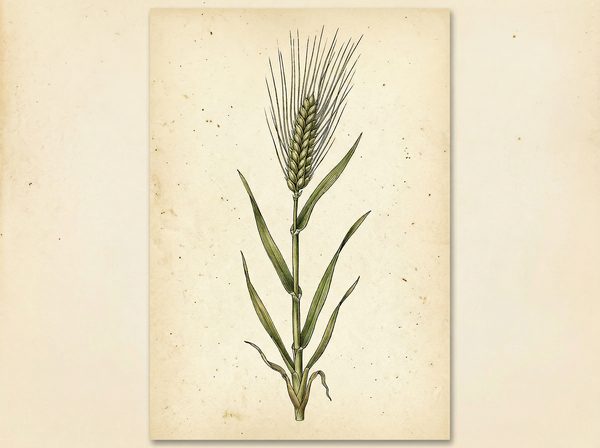 barleyHordeum vulgare
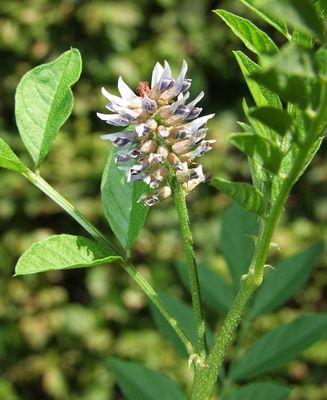 Licorice rootGlycyrrhiza glabra
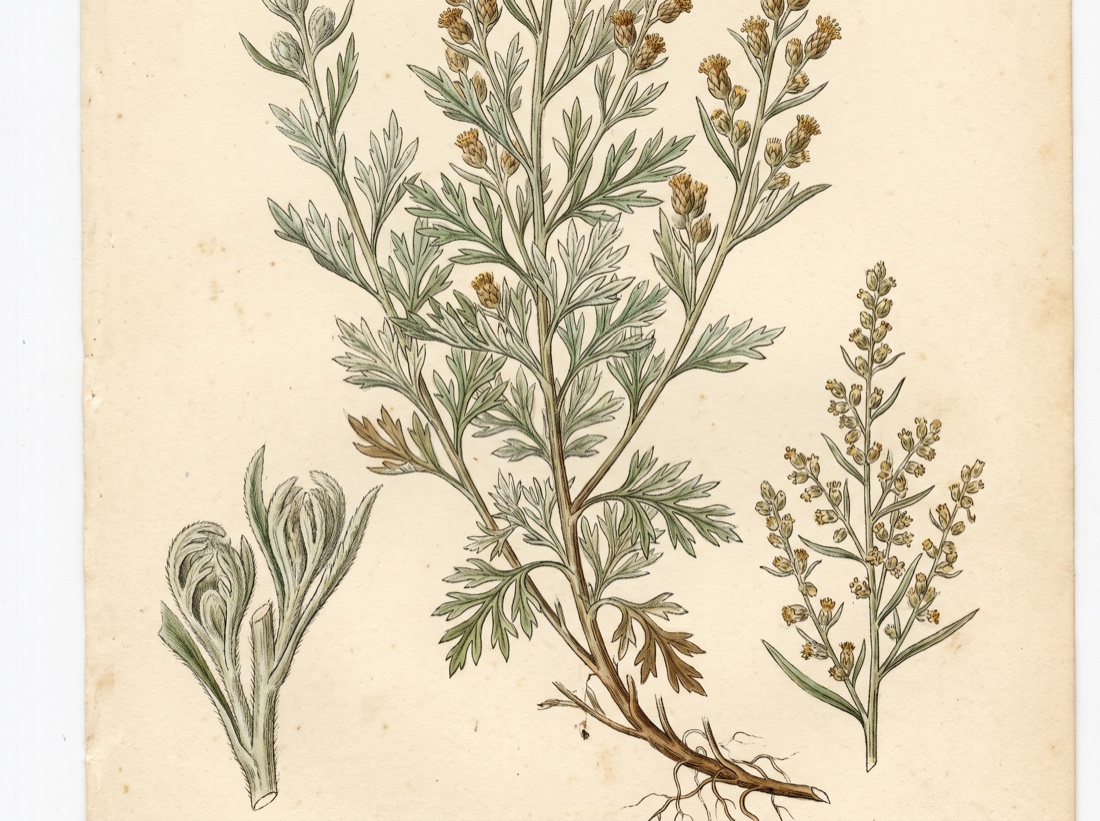 capillary wormwoodArtemisia capillaris
Nearby on the shelf
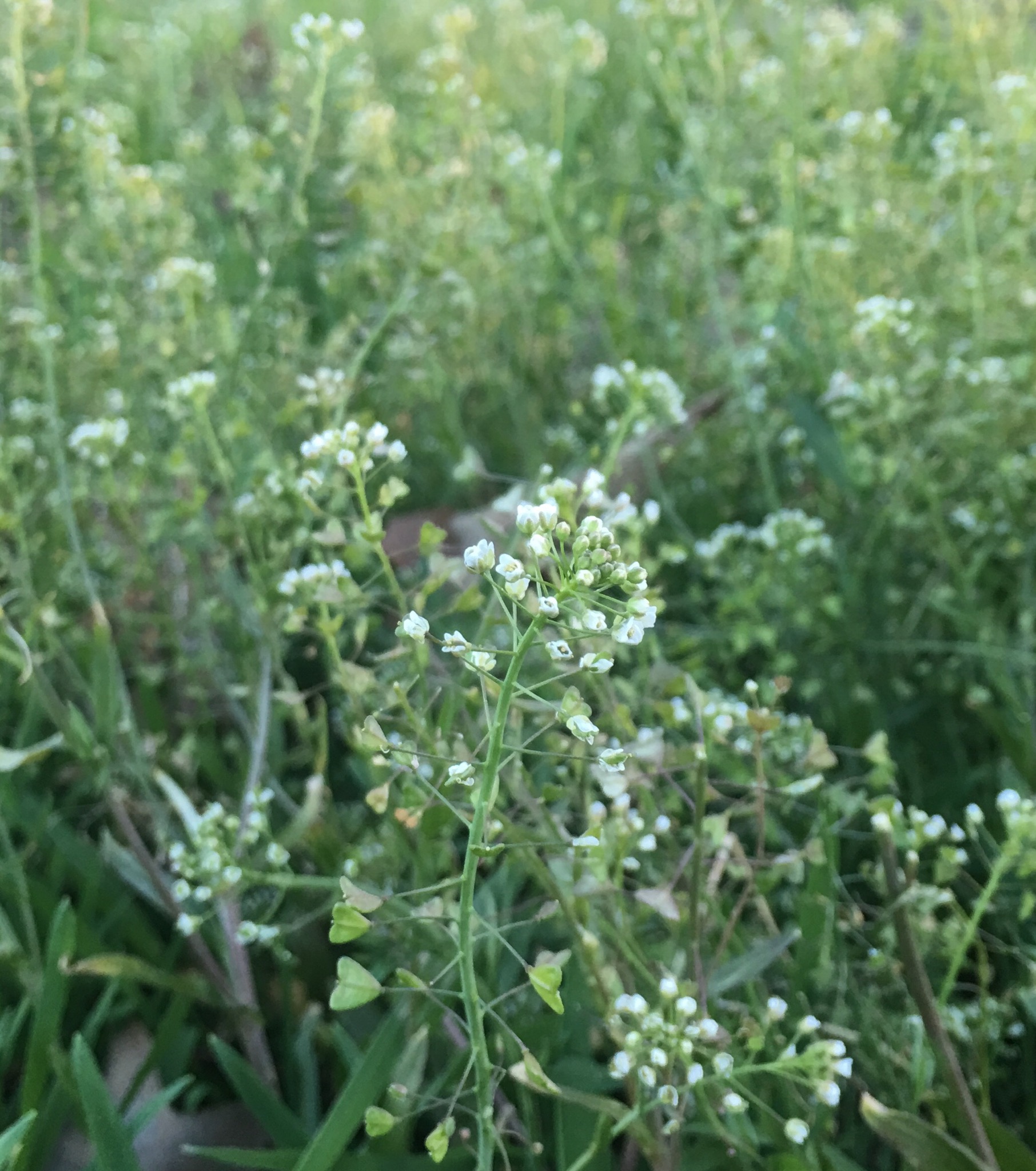 Shepherd's purseCapsella bursa-pastoris
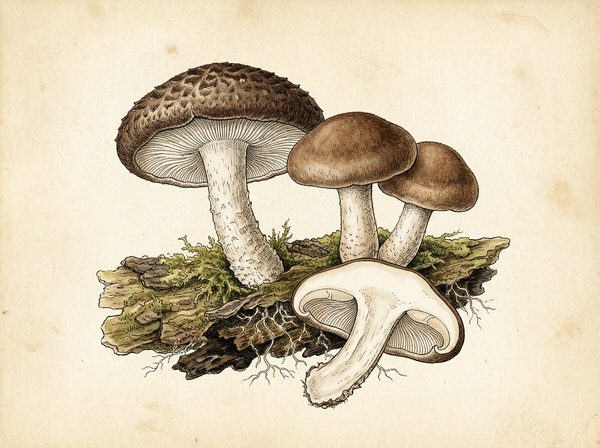 ShiitakeLentinula edodes
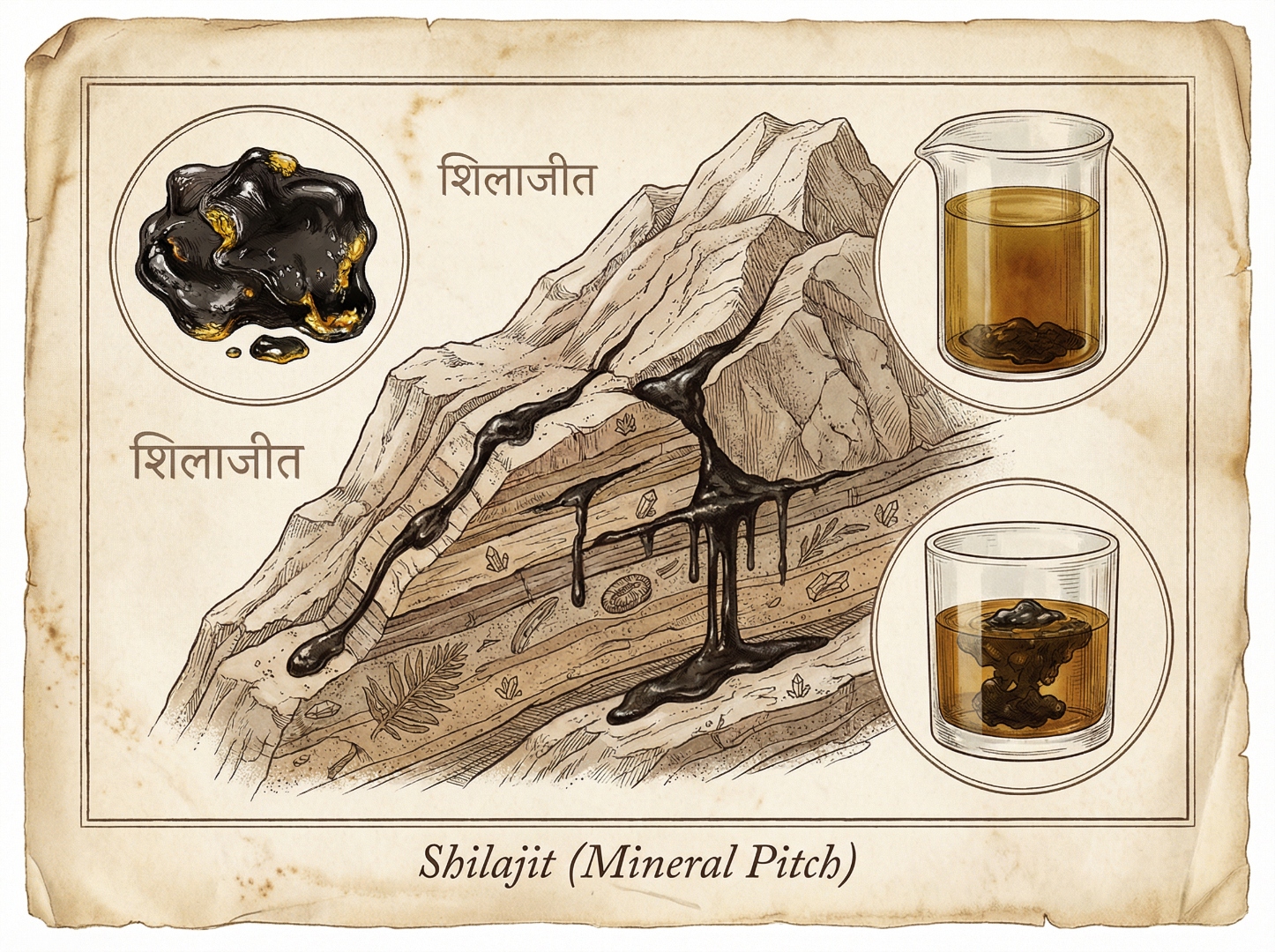 ShilajitAsphaltum punjabianum
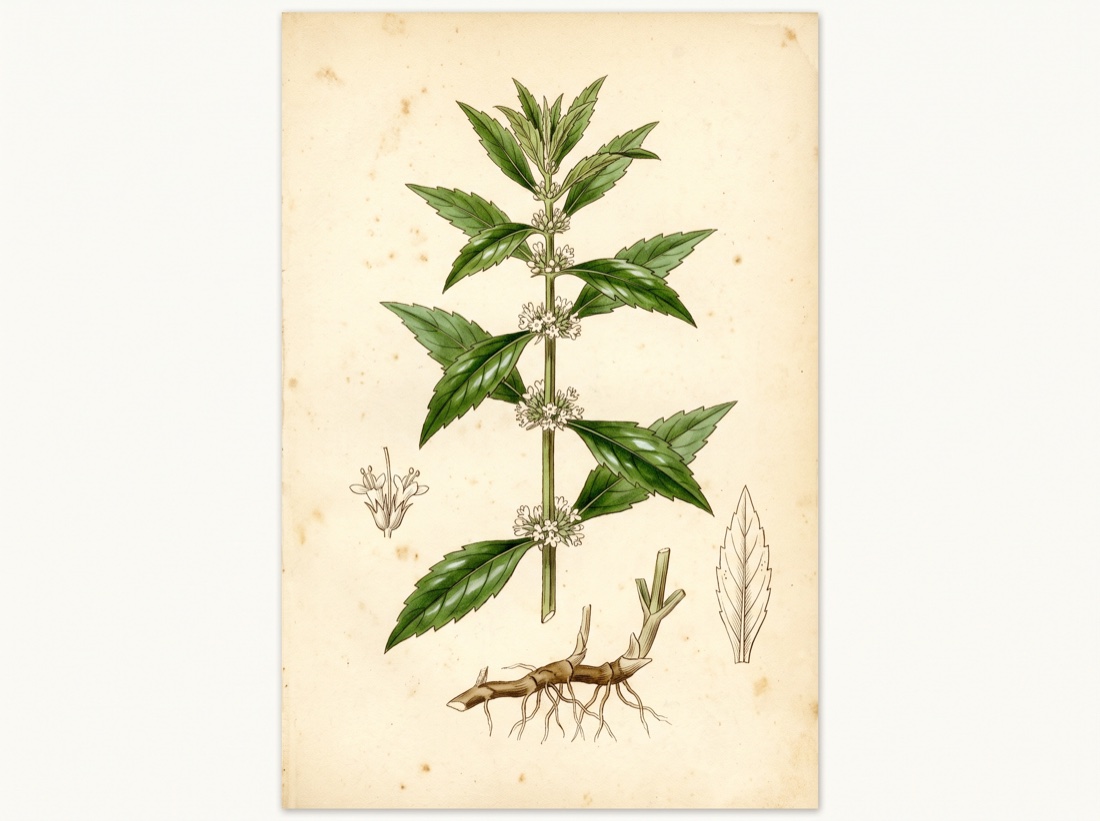 Shiny bugleweedLycopus lucidus
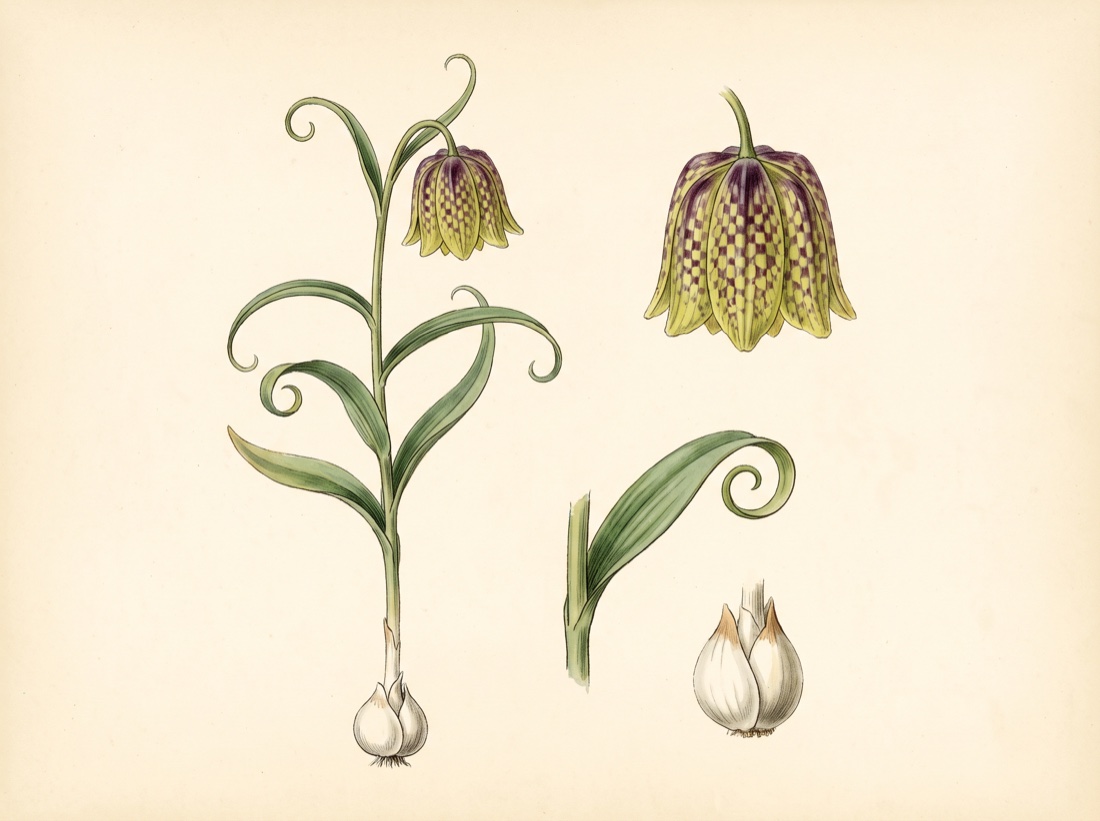 Sichuan fritillaryFritillaria cirrhosa
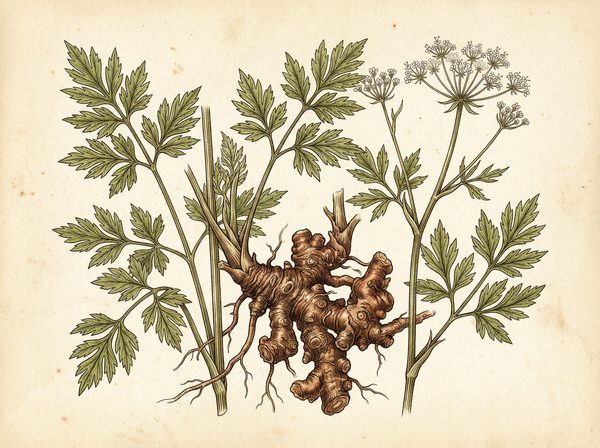 Sichuan Lovage RhizomeLigusticum chuanxiong
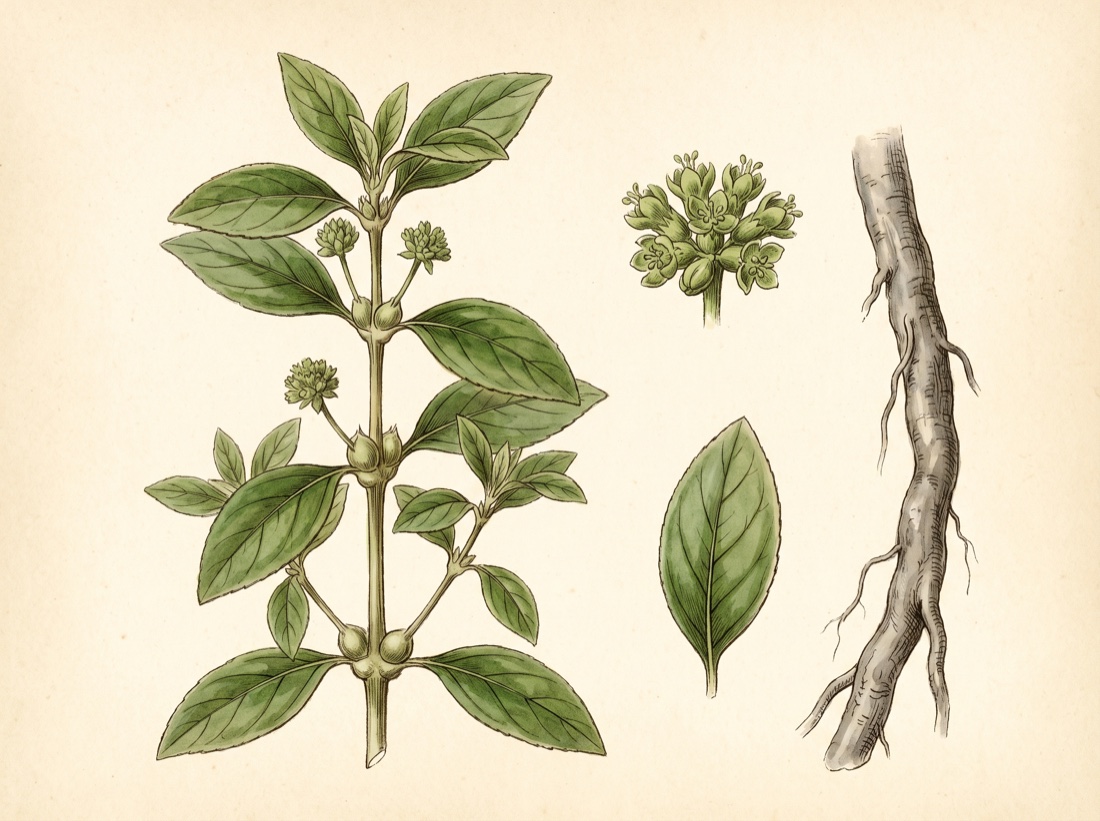 Sichuan ox kneeCyathula officinalis
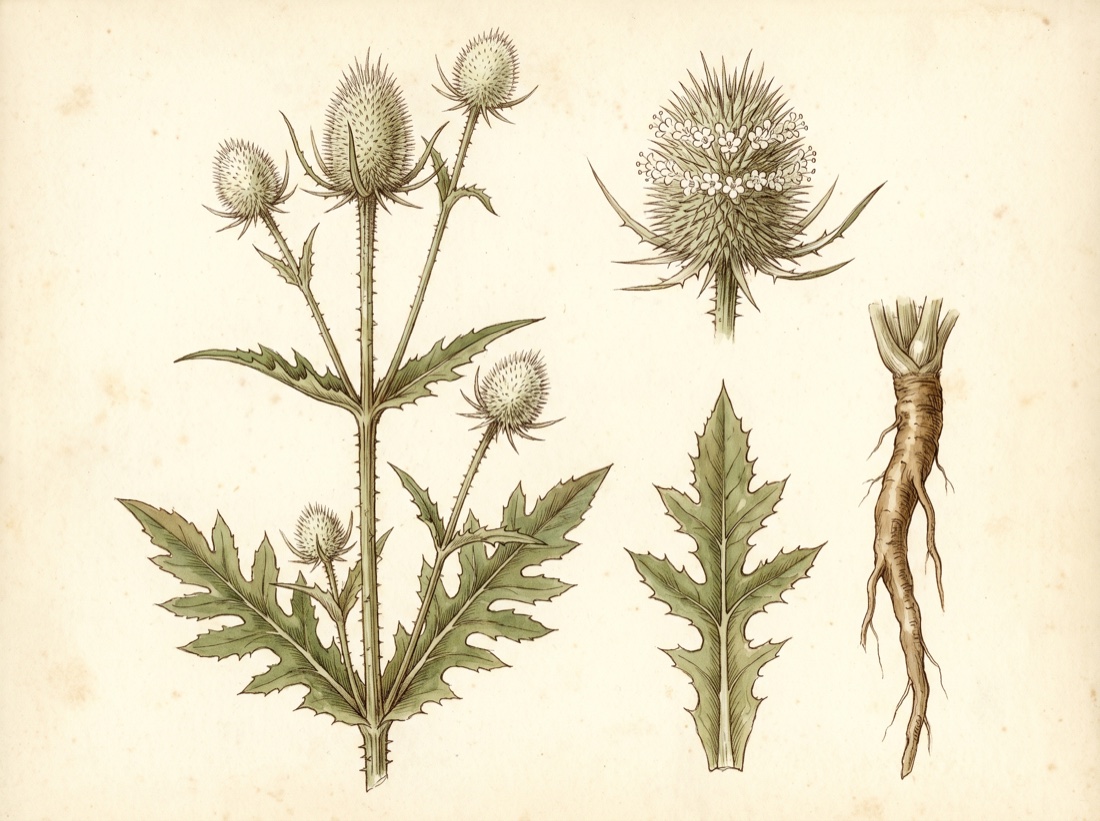 Sichuan teaselDipsacus asper
The whole plate is in the library. The compass, Compare, the Sky of eleven hundred plants and the formulary open with an email address and a password, free, with the formula builder and its safety engine. Herbert without limit, his formulating, clients, the handouts and the labels are the paid room.
Open the library, free