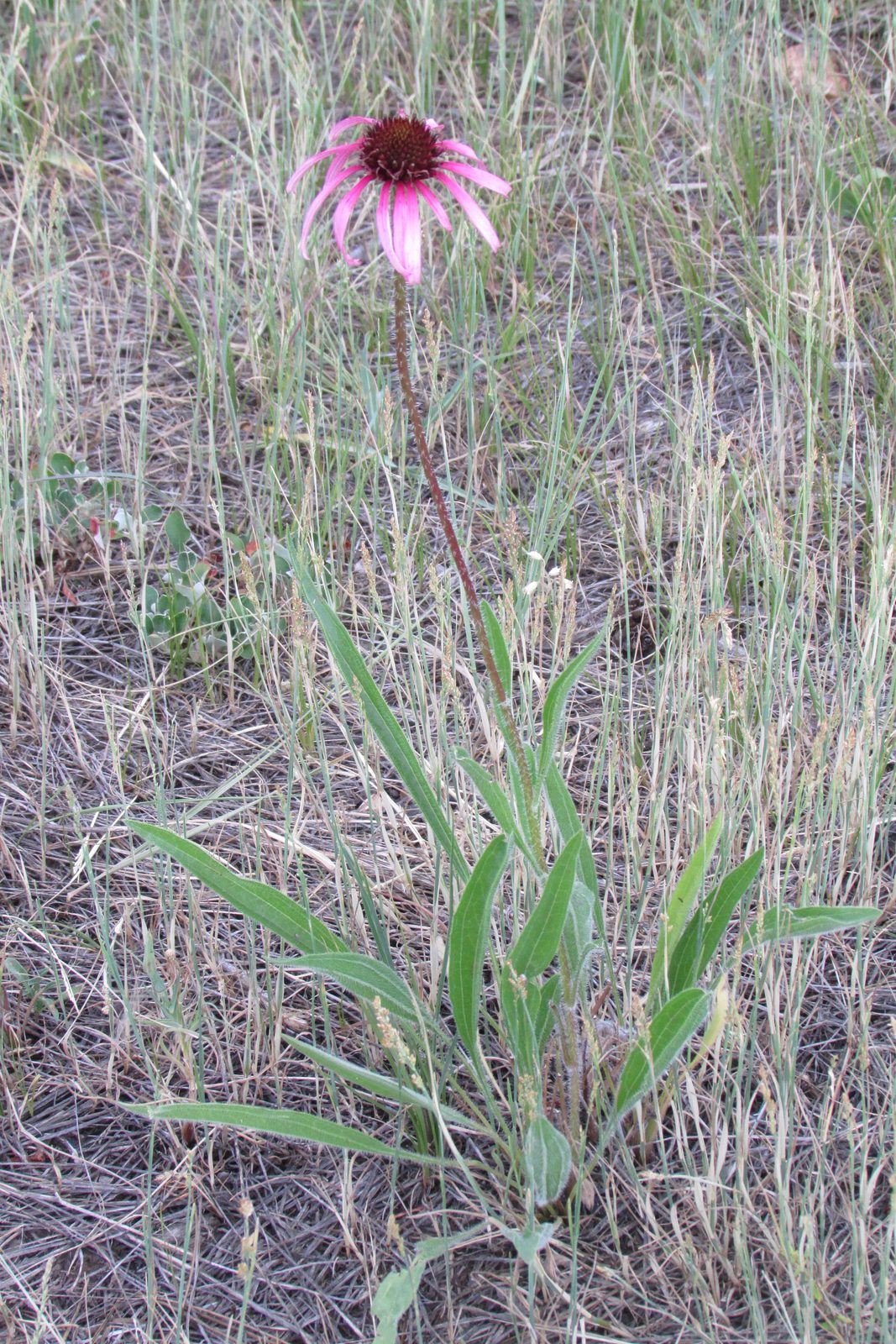
Western Herbalism
Coneflower
Echinacea angustifolia
Also known as Echinacea, Black Sampson, cone flower, purple cone flower, Narrow-leaved Purple Coneflower, Purple Coneflower, Narrow-leaved purple cone-flower.
Ingestion increased # and activity of TNF alpha, interleukins 1 & 6, interferon-2, T lymphocytes, PMNs & macrophages Discontinue if rash occurs Becoming endangered, use harvested rather than wildcrafted Alkamides/isobuylamides=concentrated in root and mature seed head, considered inflammation modulating, cause tingling in mouth, lipophilic/alcohol soluble Polysaccharides/arabanogalactans=concentrated in immature flower and aerial portion of plant, considered immune stimulating and activate macrophage activity, water soluble

Ask Herbert about Coneflower. Herbert is the master herbalist inside Bountiful Herbs: he answers from this plate and eleven hundred others, with dosing, pairing and cautions. Your first ten questions are free.
Ask HerbertActions
Indications what the tradition reached for it in
- Cuts
- Gangrene
- Proteus
- Upper respiratory infection
- Otitis media
- Abscess
- Sinusitis
- Tonsillitis
- Pharyngitis
- Syphilis
- Insect sting
- Laryngitis
- Bacteremia
- Boils
- Stasis (blood)
- Bacterial infections
- Heat condition
- Streptococcus
- Viral infections
- Urinary tract infection
- Ulcers
- Sepsis
- Insect bite
- Staphylococcus
- Cancer
- Colds
- Acne
- Flu
- Wounds
- Skin abrasions
Safety
Pregnancy: No concern. No proven increase in harm to the fetus despite wide use (Mills & Bone category A)
Pregnancy, our record's flag: No concern in pregnancy (our record's flag)
Pregnancy, a modern clinical reference: The exposed group of women had telephoned a hospital teratogen information service regarding the use of echinacea during pregnancy; the unexposed group had also telephoned the service for this reason, but subsequently did not use echinacea or used a non-teratogenic antibiotic instead; In the exposed group there were six major and six minor malformations, compared with seven major and seven minor m
Pregnancy, a modern clinical reference: Oral use of echinacea is considered safe in pregnancy when used in recommended doses
Breastfeeding: No concern. Compatible with breastfeeding (Mills & Bone C)
Breastfeeding, our record's flag: No concern while breastfeeding (our record's flag)
The record lists 10 contraindications; open the plate in the library to read them in full.
Dosing as the sources wrote it
| Preparation | As written | Metric |
|---|---|---|
| Decoction | 1 Tbs/c q few hrs for acute infection | |
| Tincture (1:2-1:3) | 3-5 ml TID | 3-5 mL |
| At first signs of cold/flu, take 3-5 ml of tincture q 2 waking hrs X 1-2 days, then decrease dose | ||
| Dried root/rhizome 1 g by infusion or decoction three times daily. Liquid extract 0.5-1.0 mL (1 : 5 in 45% alcohol) three times daily, or 0.25 -1.0 mL (1 : 1 in 45% alcohol) three times | ||
| purpurea herb 6-9 mL expressed juice daily. E | ||
| angustifolia root 1-3 g daily Echinacea preparations (i.e |
Doses are reproduced from the sources for practitioners and are not a recommendation for any person.
From the sources
Clinical Notes. Ingestion increased # and activity of TNF alpha, interleukins 1 & 6, interferon-2, T lymphocytes, PMNs & macrophages Discontinue if rash occurs Becoming endangered, use harvested rather than wildcrafted Alkamides/isobuylamides=concentrated in root and mature seed head, considered inflammation modulating, cause tingling in mouth, lipophilic/alcohol soluble Polysaccharides/arabanogalactans=concentrated in immature flower and aerial portion of plant, considered immune stimulating and activate macrophage activity, water soluble
Therapy. External. Echinacea is a local antiseptic, stimulant, deodorant, and anesthetic. Alcoholic preparations applied to denuded surfaces cause considerable burning discomfort, but as soon as the alcohol is evaporated a sense of comfort and lessening of previous pain is experienced.
Therapy. Echinacea, is par excellence a corrector of any deprivation of the body fluids. It influences those. conditions included under the terms septic, fermentative and zymotic. Those which manifest themselves in a disturbed balance of the fluids, resulting in alterations of the tissues such as are exhibited in boils, carbuncles.
Action, Medical Uses, and Dosage. As a therapeutic agent echinacea is often used both internally and locally at the same time; therefore in this article the internal and external uses will not be given separately, but collectively. And inasmuch as echafolta is a name given to distinguish a purified form of echinacea, the remarks concerning the one are equally applied to the other, except in important surgical cases, where greater cleanliness is desired, when echafolta is to be preferred.
Drawn from King's American Dispensatory, 18th edition (Felter and Lloyd); Ellingwood's American Materia Medica, Therapeutics and Pharmacognosy; Felter's Eclectic Materia Medica, Pharmacology and Therapeutics, and the Bountiful Herbs editorial.
In formulas
Coneflower stands in 6 documented formulas in the library, among them Upper Respiratory Infection Formula, Urinary Tract Infection Formula.
Often paired with
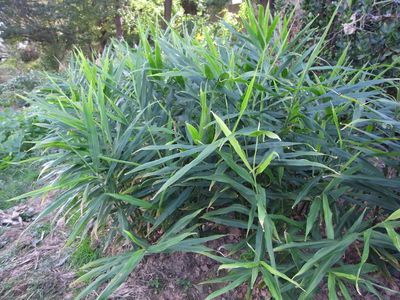 GingerZingiber officinale
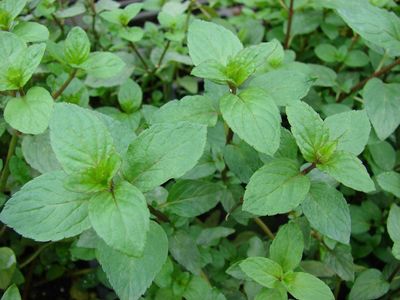 PeppermintMentha piperita
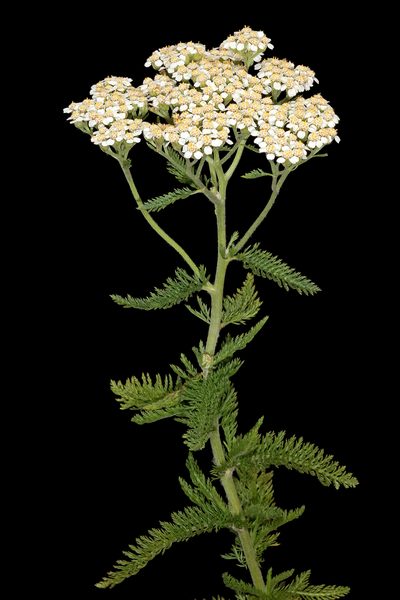 YarrowAchillea millefolium
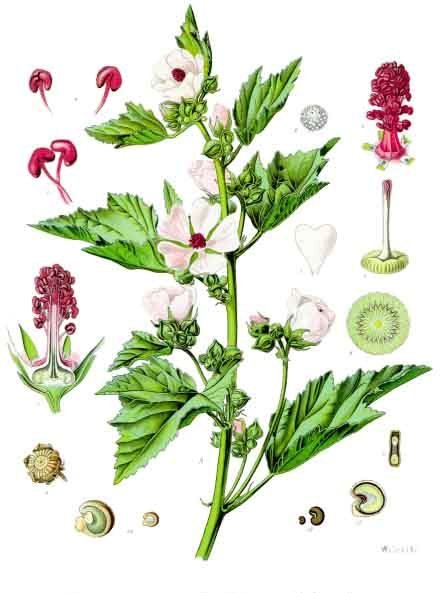 MarshmallowAlthaea officinalis
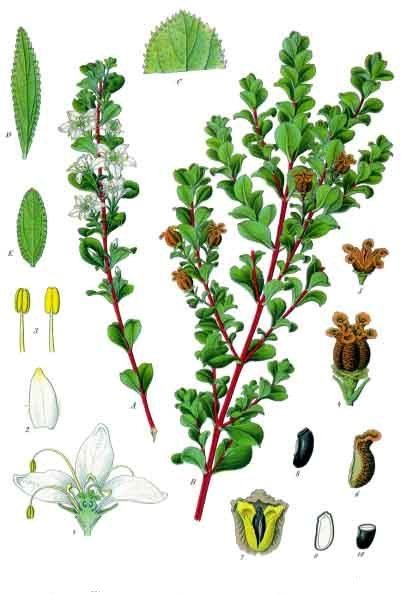 BuchuAgathosma betulina
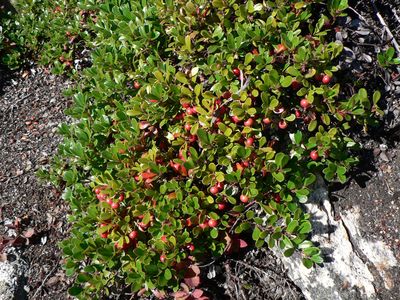 BearberryArctostaphylos uva-ursi
Nearby on the shelf
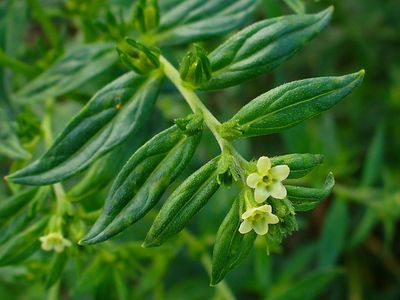 Common gromwellLithospermum officinale
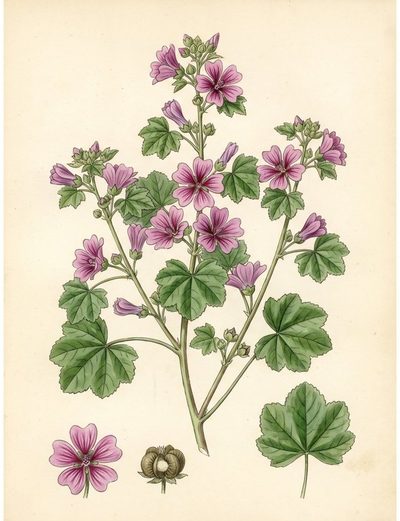 Common MallowMalva sylvestris
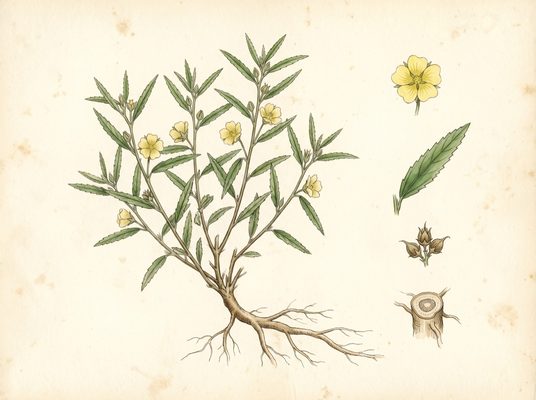 Common wireweedSida acuta
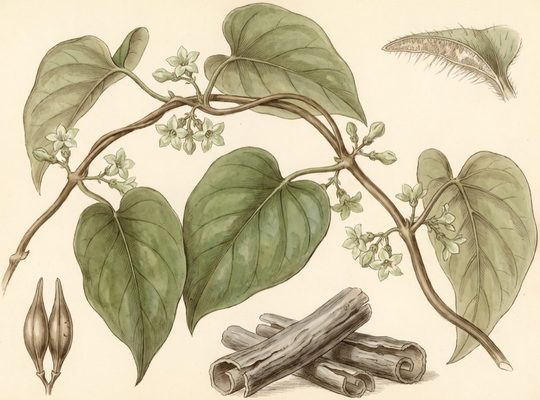 CondurangoMarsdenia cundurango
 ContrayervaDorstemia contrayerva
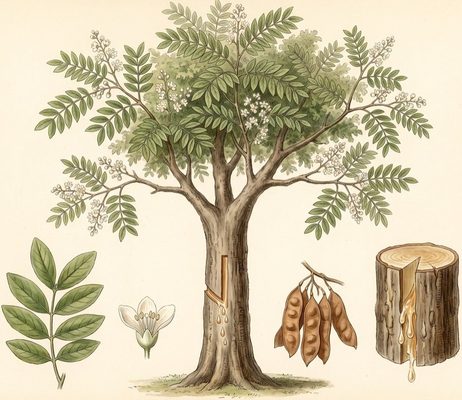 CopaibaCopaifera officinalis
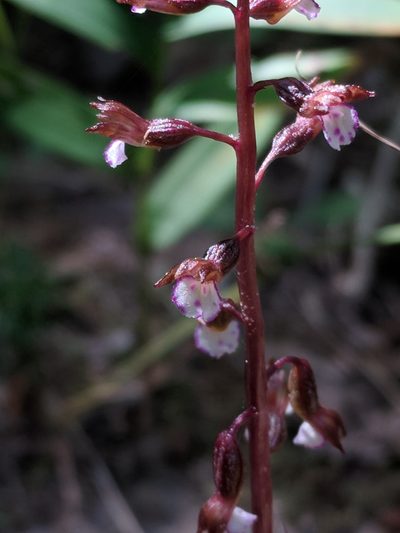 Coral rootCorallorhiza odontorhiza
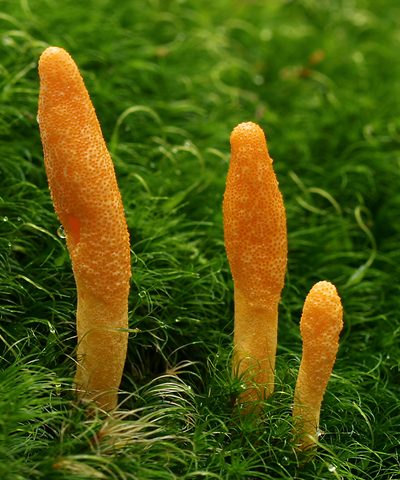 CordycepsCordyceps militaris
The whole plate is in the library. The compass, Compare, the Sky of eleven hundred plants and the formulary open with an email address and a password, free, with the formula builder and its safety engine. Herbert in full, his formulating, clients, the handouts and the labels are the paid room.
Open the library, free