Chinese Herbalism
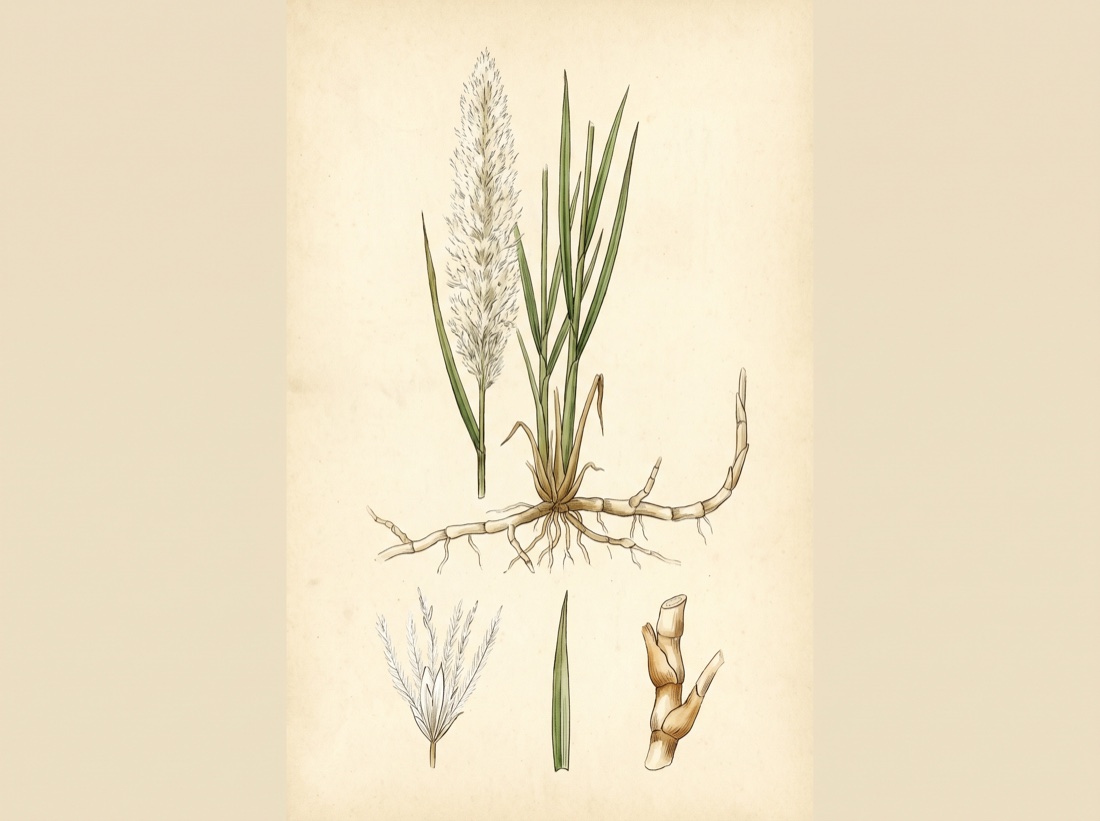
Cogongrass
Imperata cylindrica
Also known as cogon grass, blady grass, satintail, lalang, alang-alang, woolly grass, white grass, Japanese blood grass (red cultivar), bái máo gēn, bái máo huā (flower spike).
Bai mao gen is the long, white, jointed rhizome of cogongrass, an aggressive rhizomatous grass found across Asia, Africa, Australia and the Mediterranean and now an invasive weed in the southern United States. The rhizomes are dug in spring or autumn, washed and used fresh or dried; the silky flower spike is kept separately as a styptic. In Chinese medicine it is a sweet, cold, mild herb that cools the blood, stops bleeding and clears heat through the urine, and because it tastes pleasant and is nearly food-like it is given freely, especially to children and in febrile disease.

Ask Herbert about Cogongrass. Herbert is the master herbalist inside Bountiful Herbs: he answers from this plate and eleven hundred others, with dosing, pairing and cautions. Your first ten questions are free.
Ask HerbertActions
Indications what the tradition reached for it in
- Nosebleed from heat in the blood
- Coughing up blood from lung heat
- Blood in the urine with burning
- Acute nephritis with edema and hematuria (adjunct)
- Painful, hot, scanty urination
- Thirst and dry mouth in fever
- Nausea and vomiting from stomach heat
- Damp-heat jaundice
- Edema with heat signs
- Hiccup from stomach heat (with lu gen)
- Summer heat with irritability and dark urine
Specific indications
A feverish child or adult with nosebleeds, dark scanty urine and a dry mouth, who will happily drink a sweet, cold grass-root tea by the cupful
Acute glomerulonephritis after a sore throat, with puffy face, tea-colored urine and a red tongue, where a cooling diuretic hemostatic is wanted alongside medical care
Safety
The record lists 7 contraindications; open the plate in the library to read them in full.
In practice
Think of bai mao gen for bleeding with heat that is not severe: nosebleeds, blood-streaked sputum and hematuria in a patient who is warm, thirsty and passing dark urine. It combines with xiao ji, ce bai ye and ou jie for hematuria, with sheng di huang for nosebleed, and with lu gen for the thirst, nausea and hiccup of stomach heat in the simple two-root decoction that is a standard children's fever drink.
In Chinese medicine
Temperature: cold. Taste: sweet. Channels: Lung, Stomach, Bladder. Actions: Cools the blood and stops bleeding; Clears heat and promotes urination; Generates fluids and relieves thirst in febrile disease; Clears stomach heat to settle nausea and vomiting; Clears damp-heat and relieves jaundice.
Dosing as the sources wrote it
| Preparation | As written | Metric |
|---|---|---|
| Decoction (dried) | 9-30 g dried rhizome daily in decoction | 9000-30000 mg |
| Decoction (fresh) | 30-60 g fresh rhizome daily in decoction | 30000-60000 mg |
| Tea | 15-30 g dried rhizome simmered in 1 L water and drunk through the day | 15000-30000 mg |
| Flower spike (topical) | dried flower spike pressed onto a bleeding cut or packed into the nostril as needed |
Doses are reproduced from the sources for practitioners and are not a recommendation for any person.
From the sources
Overview. Bai mao gen is the long, white, jointed rhizome of cogongrass, an aggressive rhizomatous grass found across Asia, Africa, Australia and the Mediterranean and now an invasive weed in the southern United States. The rhizomes are dug in spring or autumn, washed and used fresh or dried; the silky flower spike is kept separately as a styptic. In Chinese medicine it is a sweet, cold, mild herb that cools the blood, stops bleeding and clears heat through the urine, and because it tastes pleasant and is nearly food-like it is given freely, especially to children and in febrile disease.
Clinical Notes. Think of bai mao gen for bleeding with heat that is not severe: nosebleeds, blood-streaked sputum and hematuria in a patient who is warm, thirsty and passing dark urine. It combines with xiao ji, ce bai ye and ou jie for hematuria, with sheng di huang for nosebleed, and with lu gen for the thirst, nausea and hiccup of stomach heat in the simple two-root decoction that is a standard children's fever drink.
Chinese Medicine Profile. Temperature: cold. Taste: sweet. Channels: Lung, Stomach, Bladder. Actions: Cools the blood and stops bleeding; Clears heat and promotes urination; Generates fluids and relieves thirst in febrile disease; Clears stomach heat to settle nausea and vomiting; Clears damp-heat and relieves jaundice.
In formulas
Cogongrass stands in 8 documented formulas in the library, among them ning xuè tàng, shí hui sǎn, ging gân yin, Karpūrādyarka, Brāhma Rasāyana, Traikaṇṭaka Ghṛta.
Often paired with
 saffronCrocus sativus
 cardamomElettaria cardamomum
 shatavariAsparagus racemosus
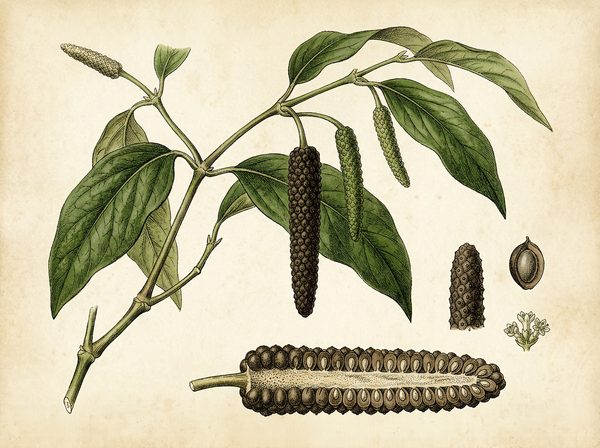 long pepperPiper longum
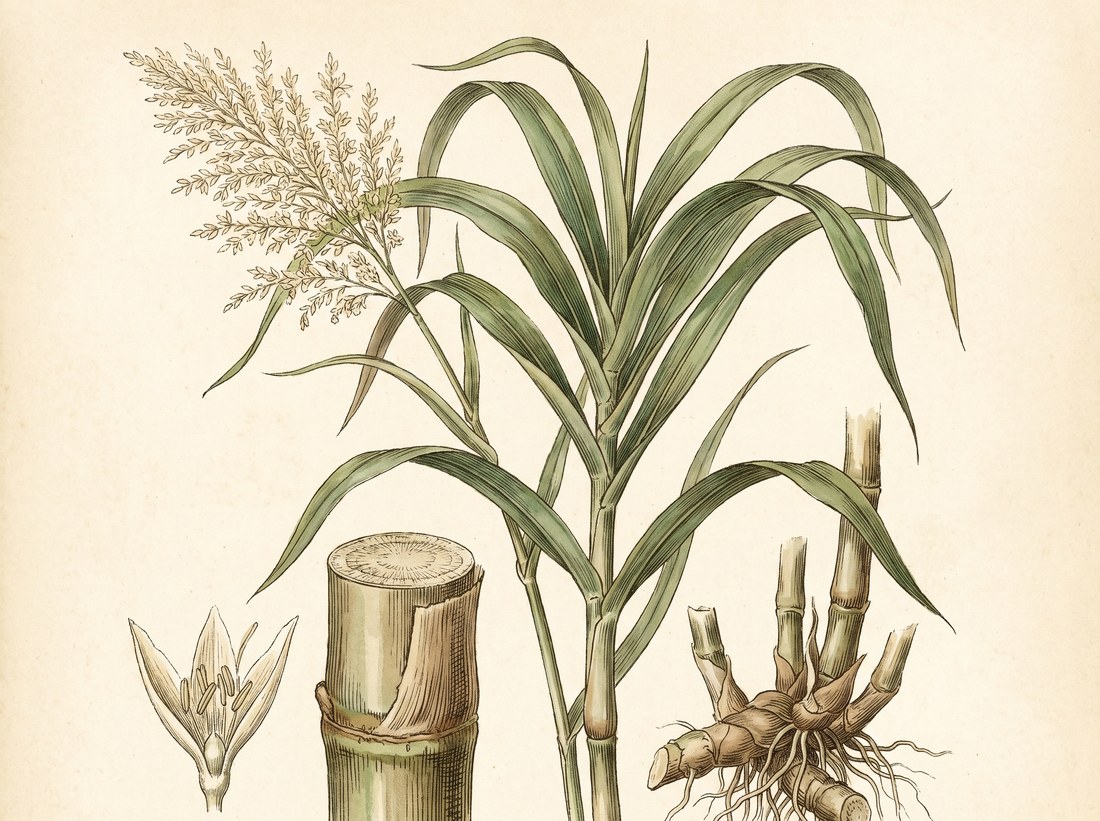 sugarcaneSaccharum officinarum
 puncture vineTribulus terrestris
Nearby on the shelf
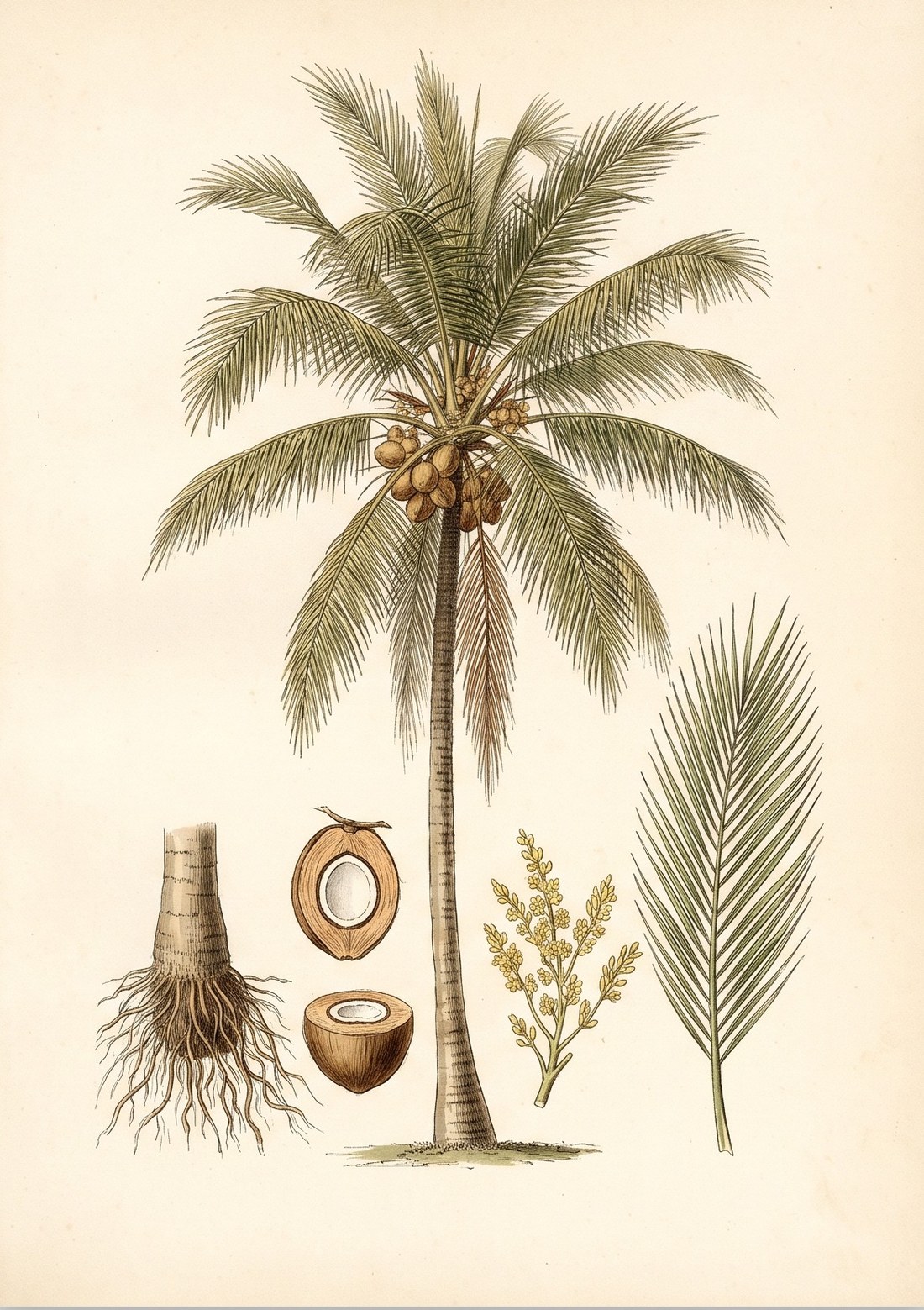 CoconutCocos nucifera
 CodonopsisCodonopsis pilosula
 CoffeeCoffea arabica
 Coffee sennaSenna occidentalis
 ColeusColeus forskohlii
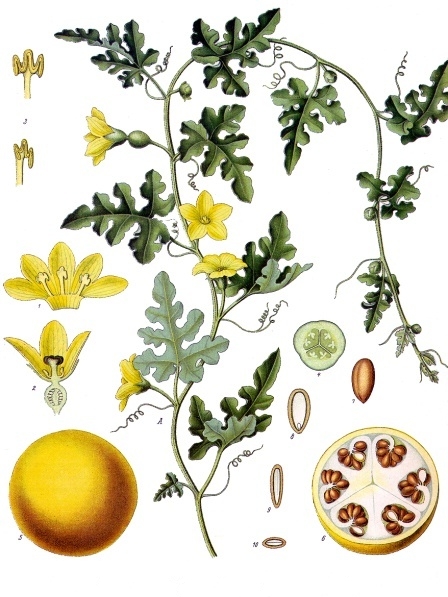 ColocynthCitrullus colocynthis
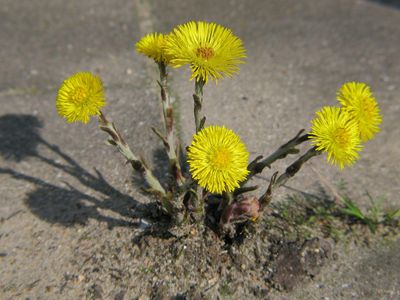 ColtsfootTussilago farfara
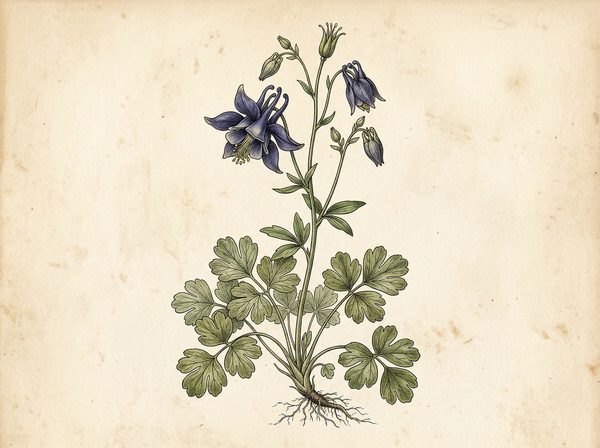 ColumbineAquilegia vulgaris
The whole plate is in the library. The compass, Compare, the Sky of eleven hundred plants and the formulary open with an email address and a password, free, with the formula builder and its safety engine. Herbert without limit, his formulating, clients, the handouts and the labels are the paid room.
Open the library, free