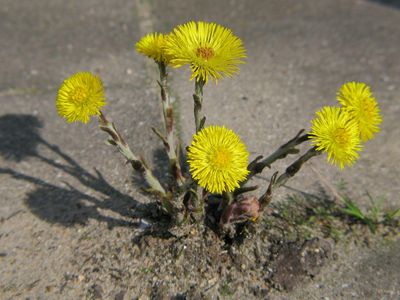
Western and Chinese herbalism
Coltsfoot
Tussilago farfara
Also known as Farfara, Bullsfoot, kuǎn dōng huā.
A demulcent to allay irritation of the bronchial and gastric mucous membrane, and of considerable value in coughs, laryngitis, bronchitis, asthma, pharyngitis, whooping cough, and gastric and intestinal catarrh. A coltsfoot candy is a popular confection for cough and sore throat.

Ask Herbert about Coltsfoot. Herbert is the master herbalist inside Bountiful Herbs: he answers from this plate and eleven hundred others, with dosing, pairing and cautions. Your first ten questions are free.
Ask HerbertActions
Indications what the tradition reached for it in
- Pharyngitis
- Laryngitis
- Cough (dry)
- Silicosis
- Cough (irritable)
- Bronchitis
- Cough (spastic)
- Pertussis
- Asthma (chronic)
- Emphys
- Colic
- Cough
- Cramps
- Dry cough
- Inflammation
- Mucosal irritation
- Muscle spasms
- Respiratory congestion
- Sore throat
- Respiratory complaints
- Asthma
Safety
Recognised toxicity. This plant carries a toxicity flag in the record; it is for trained practitioners only.
Pregnancy: Not safe. Other people who should avoid pyrrolizidine alkaloids include pregnant or nursing mothers.
Pregnancy, our record's flag: Caution. Use with care in pregnancy (our record's flag)
Pregnancy, our record's flag: Not safe. Not for use in pregnancy (our record's flag)
Pregnancy, a modern clinical reference: Coltsfoot should not be taken during pregnancy or lactation in view of the toxicity associated with the pyrrolizidine alkaloid constituents; Coltsfoot is reputed to be an abortifacient.
Breastfeeding: Not safe. Other people who should avoid pyrrolizidine alkaloids include pregnant or nursing mothers.
Breastfeeding, our record's flag: Caution. Use with care while breastfeeding (our record's flag)
Breastfeeding, our record's flag: Not safe. Not for use while breastfeeding (our record's flag)
Breastfeeding, a modern clinical reference: Coltsfoot should not be taken during pregnancy or lactation in view of the toxicity associated with the pyrrolizidine alkaloid constituents
Breastfeeding, published rating: Not safe. Brinker notes: contains pyrrolizidine alkaloids
The record lists 6 contraindications; open the plate in the library to read them in full.
Dosing as the sources wrote it
| Preparation | As written | Metric |
|---|---|---|
| Cold infusion | 2-3 tsp/c TID, 8 hour infusion to extract mucilage | |
| Tincture (1:2-1:3) | 2-5 ml TID-not the best extraction for mucilage | |
| Dried herb 0.6-2.0 g by decoction three times daily | 600-2000 mg | |
| C 185 Liquid extract 0.6-2.0 mL (1 : 1 in 25% alcohol) three times daily. Tincture 2-8 mL (1 : 5 in 45% alcohol) three times daily | ||
| Syrup 2-8 mL (liquid extract 1 : 4 in syrup) three times daily | ||
| Dose, 10 to 120 grains. | 648-7776 mg |
Doses are reproduced from the sources for practitioners and are not a recommendation for any person.
From the sources
Action and Therapy. A demulcent to allay irritation of the bronchial and gastric mucous membrane, and of considerable value in coughs, laryngitis, bronchitis, asthma, pharyngitis, whooping cough, and gastric and intestinal catarrh. A coltsfoot candy is a popular confection for cough and sore throat.
Properties and Uses. The root is stimulant and relaxant, of an agreeable and warming taste, and associated with some demulcent property. Like the asarum canadense, also called coltsfoot, its warm infusion promotes an outward circulation, increases expectoration, and leaves a warm and slightly tonic impression.
Action, Medical Uses, and Dosage. Coltsfoot may be regarded as emollient, demulcent, and slightly tonic (P.). It relieves irritation of the mucous tissues. The decoction is usually administered in doses of from 1 to 3 or 4 fluid ounces, and has been found useful in coughs, asthma, whooping-cough, laryngitis, pharyngitis, bronchitis, and other pulmonary affections; in gastric and intestinal catarrh; and is said to have been useful in scrofula. The powdered leaves form a good errhine for giddiness, headache, nasal obstructions, etc. Used externally, in form of poultice, to scrofulous tumors. A strong tincture of the leaves and the flowers, using strong alcohol, may be given in doses of 1 to 10 drops.
History and Description. This plant grows in Europe, the Crimea, Persia, Siberia, and the East Indies, from the seashore to elevations of nearly 8000 feet; it also grows in this country in wet places, on the sides of brooks, flowering in March and April.
Drawn from Cook's Physio-Medical Dispensatory; King's American Dispensatory, 18th edition (Felter and Lloyd); Felter's Eclectic Materia Medica, Pharmacology and Therapeutics, and the Bountiful Herbs editorial.
In formulas
Coltsfoot stands in 14 documented formulas in the library, among them shè gàn má huáng tàng, jiu xian san, dừng chuǎn tàng, lếng xiào wán.
Often paired with
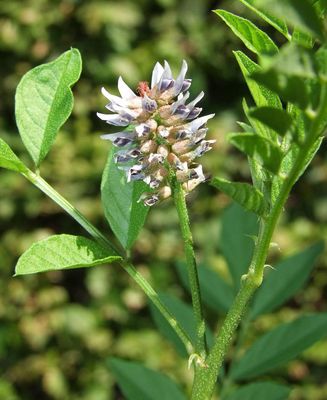 Licorice rootGlycyrrhiza glabra
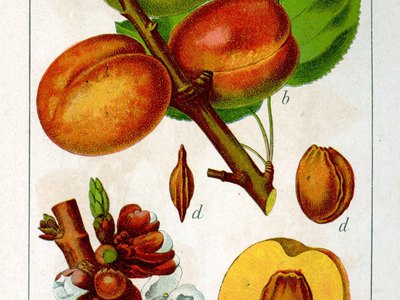 Armeniaca vulgarisArmeniaca vulgaris
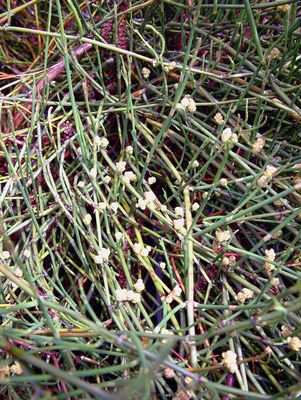 Ma huangEphedra sinica
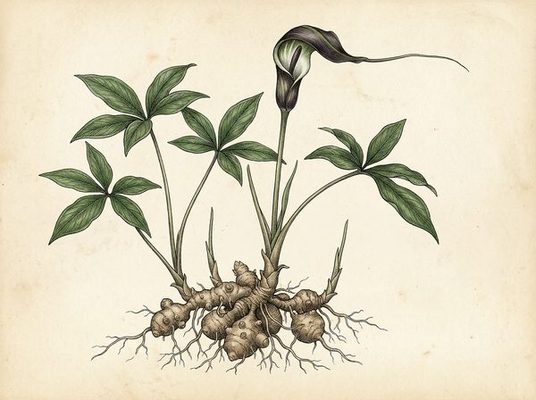 PinelliaPinellia ternata
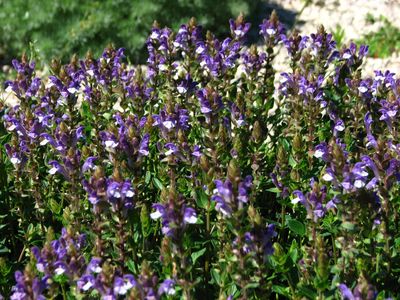 Chinese skullcapScutellaria baicalensis
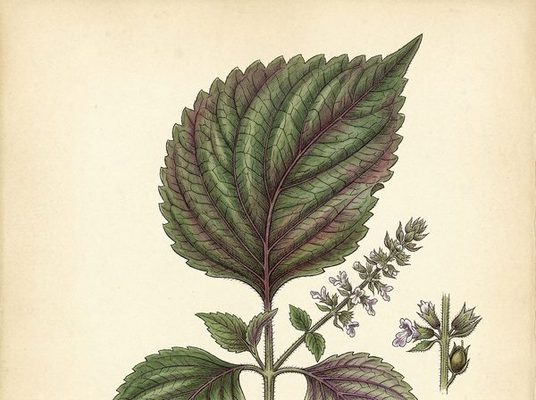 PerillaPerilla frutescens
Nearby on the shelf
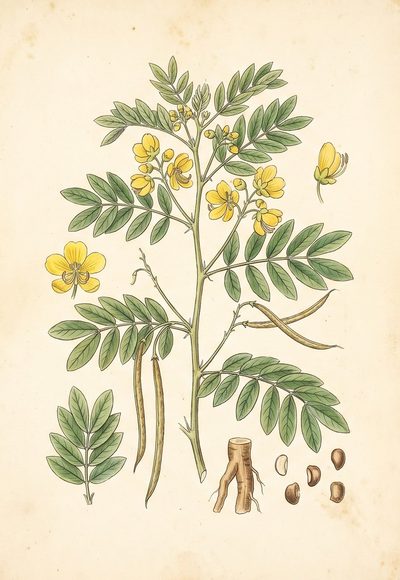 Coffee sennaSenna occidentalis
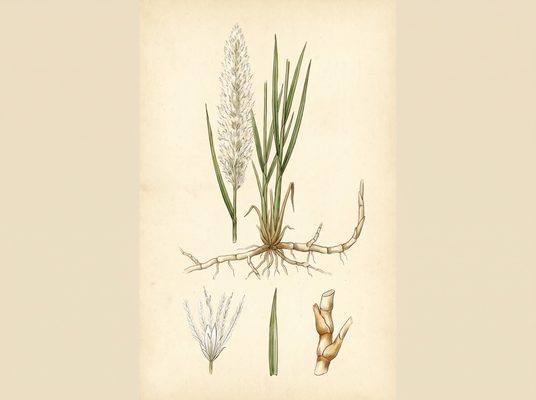 CogongrassImperata cylindrica
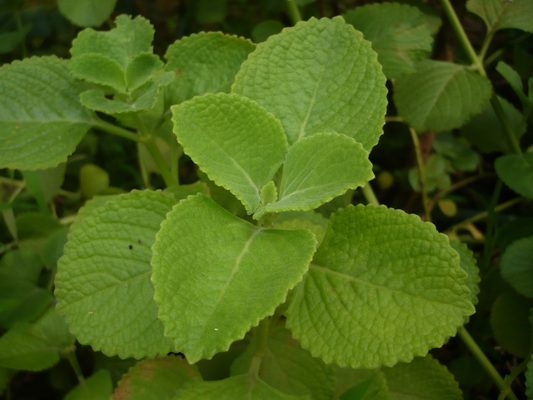 ColeusColeus forskohlii
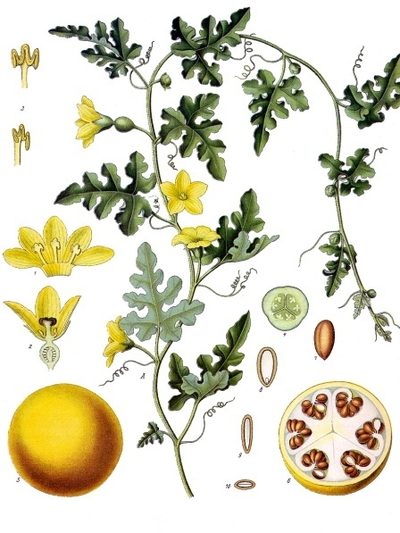 ColocynthCitrullus colocynthis
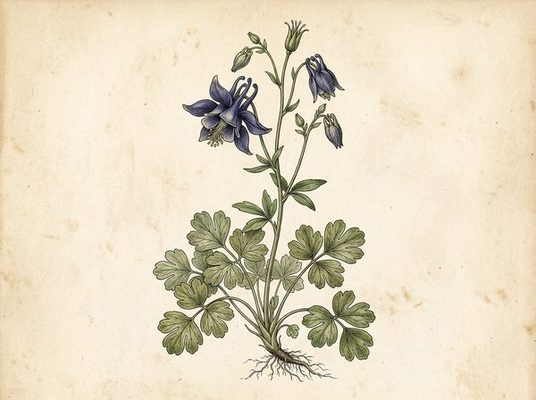 ColumbineAquilegia vulgaris
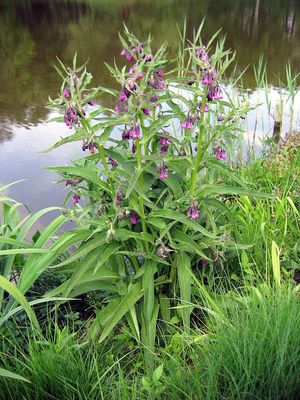 ComfreySymphytum officinale
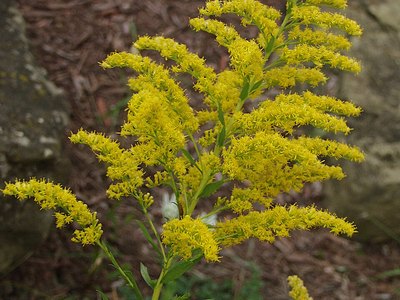 Common goldenrodSolidago altissima
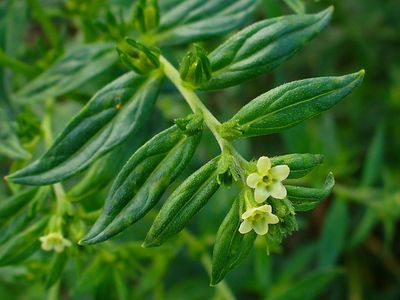 Common gromwellLithospermum officinale
The whole plate is in the library. The compass, Compare, the Sky of eleven hundred plants and the formulary open with an email address and a password, free, with the formula builder and its safety engine. Herbert in full, his formulating, clients, the handouts and the labels are the paid room.
Open the library, free