Ayurvedic Herbalism
Sugarcane
Saccharum officinarum
Also known as noble cane, sugar cane, Ikshu, Rasala, Dirghachhada.
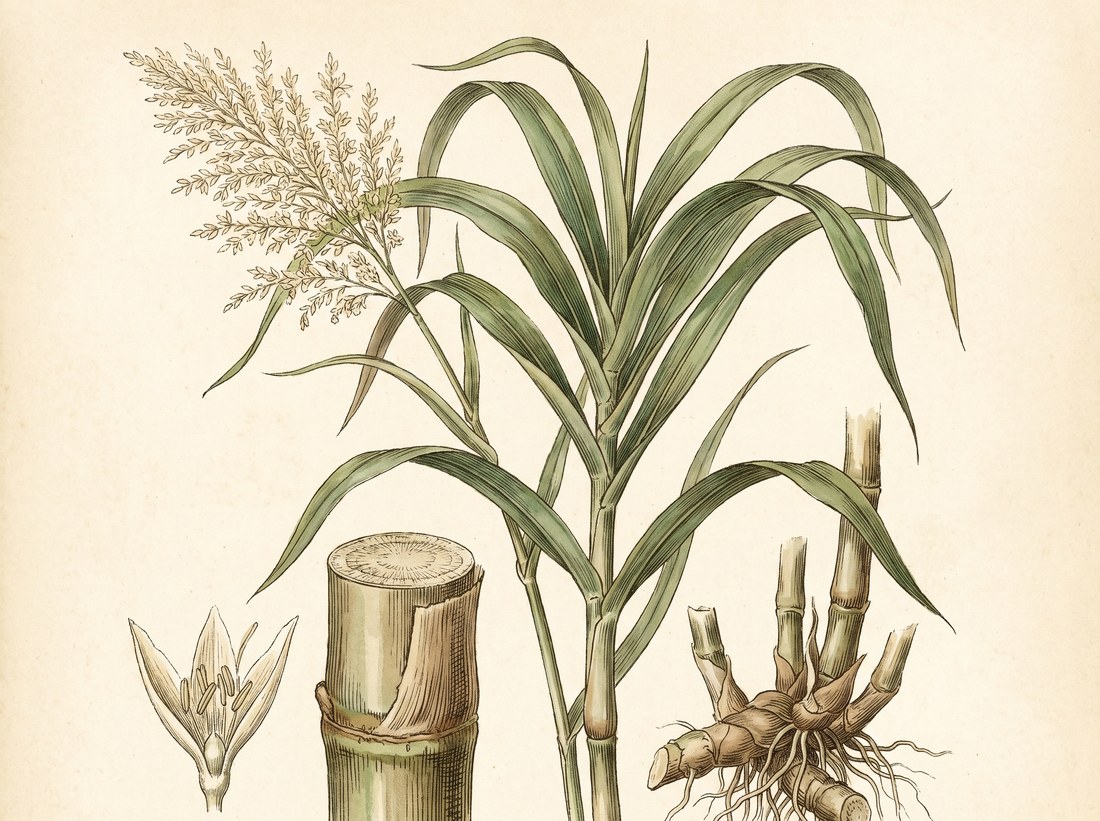
Saccharum officinarum is a tall perennial grass with thick, jointed, sugar-rich stems, domesticated in New Guinea and cultivated in India for well over two thousand years, above all in Uttar Pradesh, Maharashtra and Karnataka; it is the source of the world's sugar and of the Sanskrit word sharkara itself. Ayurveda calls the cane Ikshu and treats its fresh juice as a cooling, nourishing, diuretic drink for thirst, burning, bleeding and wasting, and it classifies the products boiled down from the juice, from jaggery to refined sugar, with care, each grade having its own weight, heat and effect on the doshas. The tradition's respect for jaggery as a mineral-rich food and its wariness of refined sugar as a cause of kapha and worms are both worth keeping.

Ask Herbert about Sugarcane. Herbert is the master herbalist inside Bountiful Herbs: he answers from this plate and eleven hundred others, with dosing, pairing and cautions. Your first ten questions are free.
Ask HerbertActions
Indications what the tradition reached for it in
- Dehydration and thirst in fever or heat exhaustion
- Burning urination and scanty urine
- Jaundice and hepatitis convalescence (traditional supportive drink)
- Weight loss and wasting in convalescence
- Exhaustion after exertion or heat exposure
- Nosebleed and other bleeding of pitta type (traditional)
- Hiccup and vomiting with thirst
- Mild constipation with dryness
- Postpartum weakness and poor lactation (jaggery preparations)
- Iron-deficiency tendency (jaggery as a mineral-rich sweetener)
- Sore throat and dry cough (sugar-based churnas)
Specific indications
A hot, thirsty, exhausted patient after fever or heat exposure who is passing scanty, burning urine and needs fluid, sugar and cooling together
The convalescent with jaundice, a poor appetite and weight loss who can keep down little else and for whom cane juice is both food and medicine
A thin, dry vata patient with constipation, fatigue and a craving for sweet, who needs a nourishing sweetener rather than refined sugar
The nursing mother, tired and anemic, for whom jaggery with sesame or ginger is the traditional restorative
Safety
The record lists 8 contraindications; open the plate in the library to read them in full.
In practice
The Ayurvedic physician uses ikshu rasa as a therapeutic food. Freshly pressed juice, ideally from cane the patient has chewed rather than from a mill, is given in pitta fevers for thirst and burning, in mutrakrichra for scanty burning urine, in raktapitta to cool the blood, and in kamala where it is one of the few things a jaundiced patient will take.
In Ayurveda
Rasa: madhura (sweet). Virya: sheeta (cooling). Vipaka: madhura (sweet). Guna: guru (heavy), snigdha (unctuous), sara (mobile, mildly laxative). Dosha: pacifies vata and pitta; increases kapha, meda (fat) and krimi (worms) in excess. Karma: brimhana (nourishing, builds tissue); balya (strengthening); vrishya (aphrodisiac); mutrala (diuretic); raktapittahara (stops bleeding of pitta origin); trishnanigrahana (relieves thirst); dahaprashamana (relieves burning); shramahara (relieves fatigue); snehana (lubricating); sara (promotes downward movement, mild laxative); kaphakara (increases kapha); shukrala (increases semen). Classical indications: trishna (thirst); daha (burning sensation); raktapitta (bleeding disorders); mutrakrichra (dysuria); mutraghata (urinary retention); kshaya (wasting); shrama (fatigue, exhaustion); kamala (jaundice); jvara (fever, for thirst and weakness); bhrama (dizziness); chardi (vomiting); vibandha (constipation); karshya (emaciation). The fresh juice of the mature stem (ikshu rasa) is the drug and food, best drunk freshly pressed or, in the classical view, sucked directly from the chewed cane, which the texts rank above machine-pressed juice. The juice is boiled down to a series of products graded by refinement: phanita (thick syrup), guda (jaggery), matsyandika, khanda and sharkara (sugar), each with its own qualities, and jaggery and sugar serve as anupana and as bases for avaleha and churna. Classical formulations: Ikshu rasa (fresh cane juice), Guda (jaggery) as anupana and in Guda haritaki, Guda pippali and Gudardraka, Sharkara in Sitopaladi churna and Talisadi churna, Chyawanprash (jaggery and sugar base), Draksharishta and other arishtas (jaggery as fermentation base), Ikshu mula kwatha (root decoction, regional). Described in: Charaka Samhita, Sushruta Samhita, Ashtanga Hridaya, Bhavaprakasha Nighantu, Dhanvantari Nighantu, Raja Nighantu, Kaiyadeva Nighantu, Madanapala Nighantu, Ayurvedic Pharmacopoeia of India.
Dosing as the sources wrote it
| Preparation | As written | Metric |
|---|---|---|
| Swarasa (fresh juice) | 100-200 mL fresh cane juice once or twice daily | 100-200 mL |
| Guda (jaggery) | 10-20 g jaggery daily as sweetener or anupana | 10000-20000 mg |
| Kwatha (root) | 50-100 mL root decoction twice daily | 50-100 mL |
| Chewed cane | 100-200 g stem chewed fresh | 100000-200000 mg |
Doses are reproduced from the sources for practitioners and are not a recommendation for any person.
From the sources
Overview. Saccharum officinarum is a tall perennial grass with thick, jointed, sugar-rich stems, domesticated in New Guinea and cultivated in India for well over two thousand years, above all in Uttar Pradesh, Maharashtra and Karnataka; it is the source of the world's sugar and of the Sanskrit word sharkara itself.
Clinical Notes. The Ayurvedic physician uses ikshu rasa as a therapeutic food. Freshly pressed juice, ideally from cane the patient has chewed rather than from a mill, is given in pitta fevers for thirst and burning, in mutrakrichra for scanty burning urine, in raktapitta to cool the blood, and in kamala where it is one of the few things a jaundiced patient will take.
Ayurvedic Profile. Rasa: madhura (sweet). Virya: sheeta (cooling). Vipaka: madhura (sweet). Guna: guru (heavy), snigdha (unctuous), sara (mobile, mildly laxative). Dosha: pacifies vata and pitta; increases kapha, meda (fat) and krimi (worms) in excess.
In formulas
Sugarcane stands in 11 documented formulas in the library, among them Brāhma Rasāyana, Amṛtaprāśa Ghṛta, Traikaṇṭaka Ghṛta, Dhātryādi Ghṛta, Vastyāmayāntaka Ghṛta, Sukumāra Ghṛta.
Often paired with
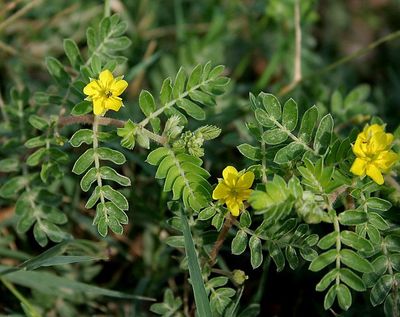 puncture vineTribulus terrestris
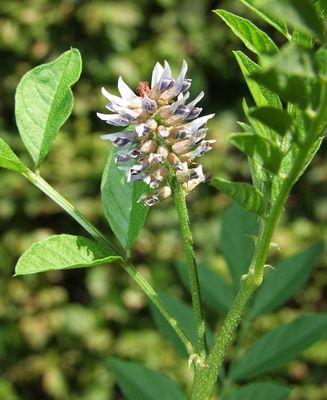 Licorice rootGlycyrrhiza glabra
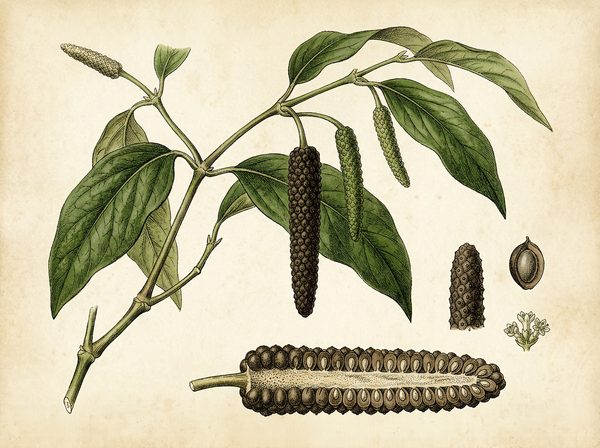 long pepperPiper longum
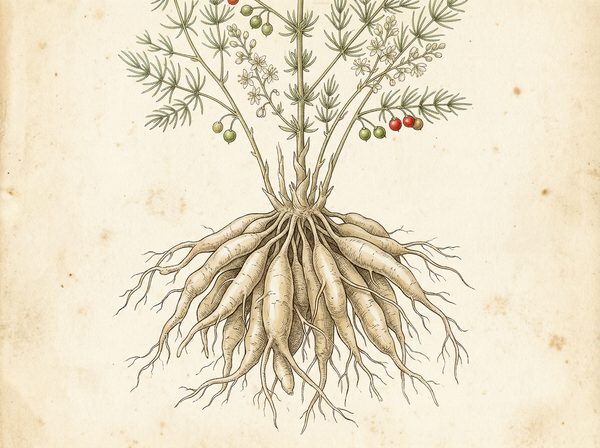 shatavariAsparagus racemosus
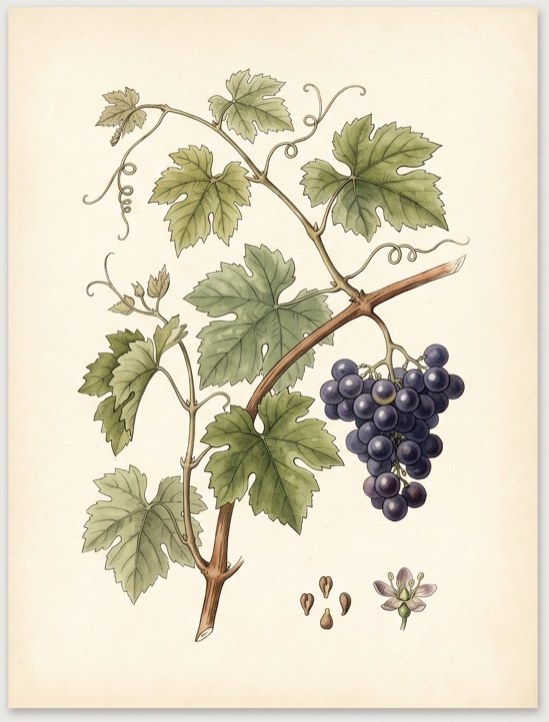 grapeVitis vinifera
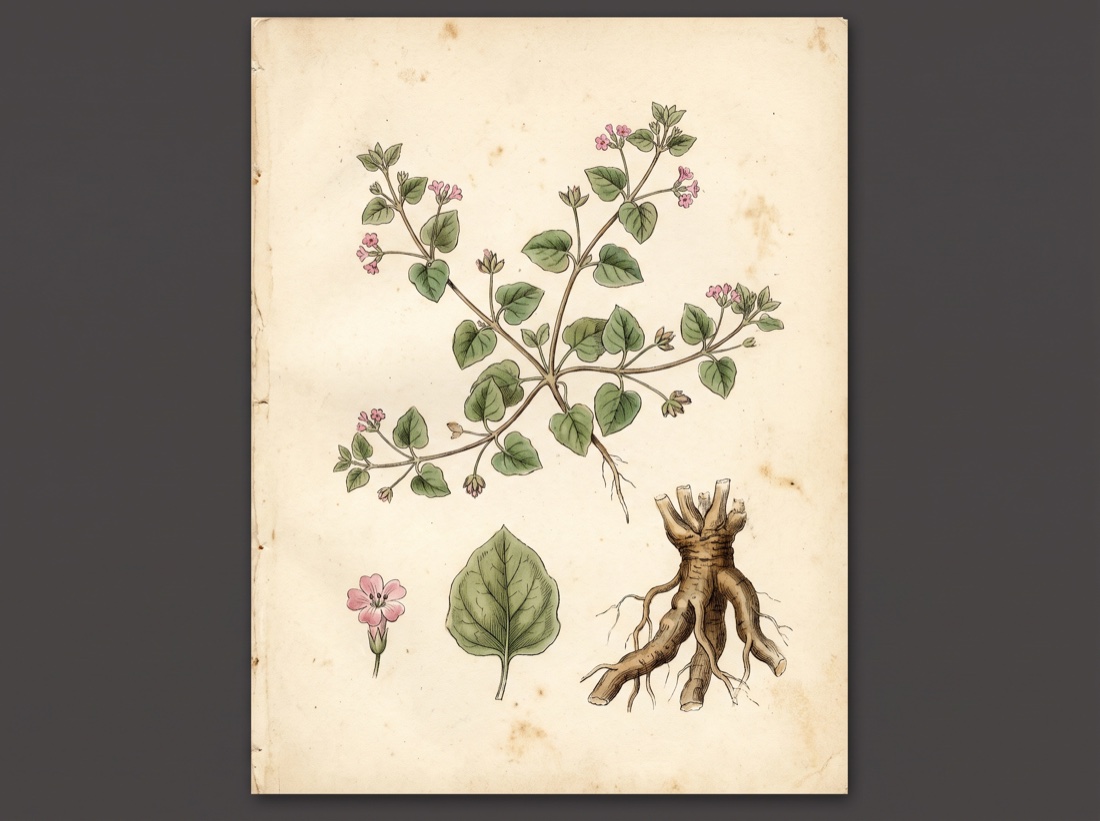 punarnavaBoerhavia diffusa
Nearby on the shelf
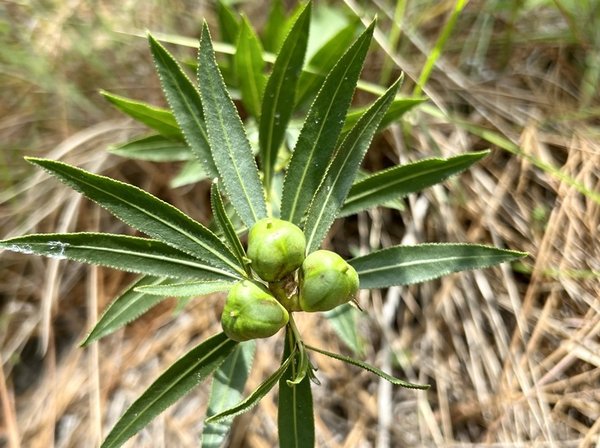 StillingiaStillingia sylvatica
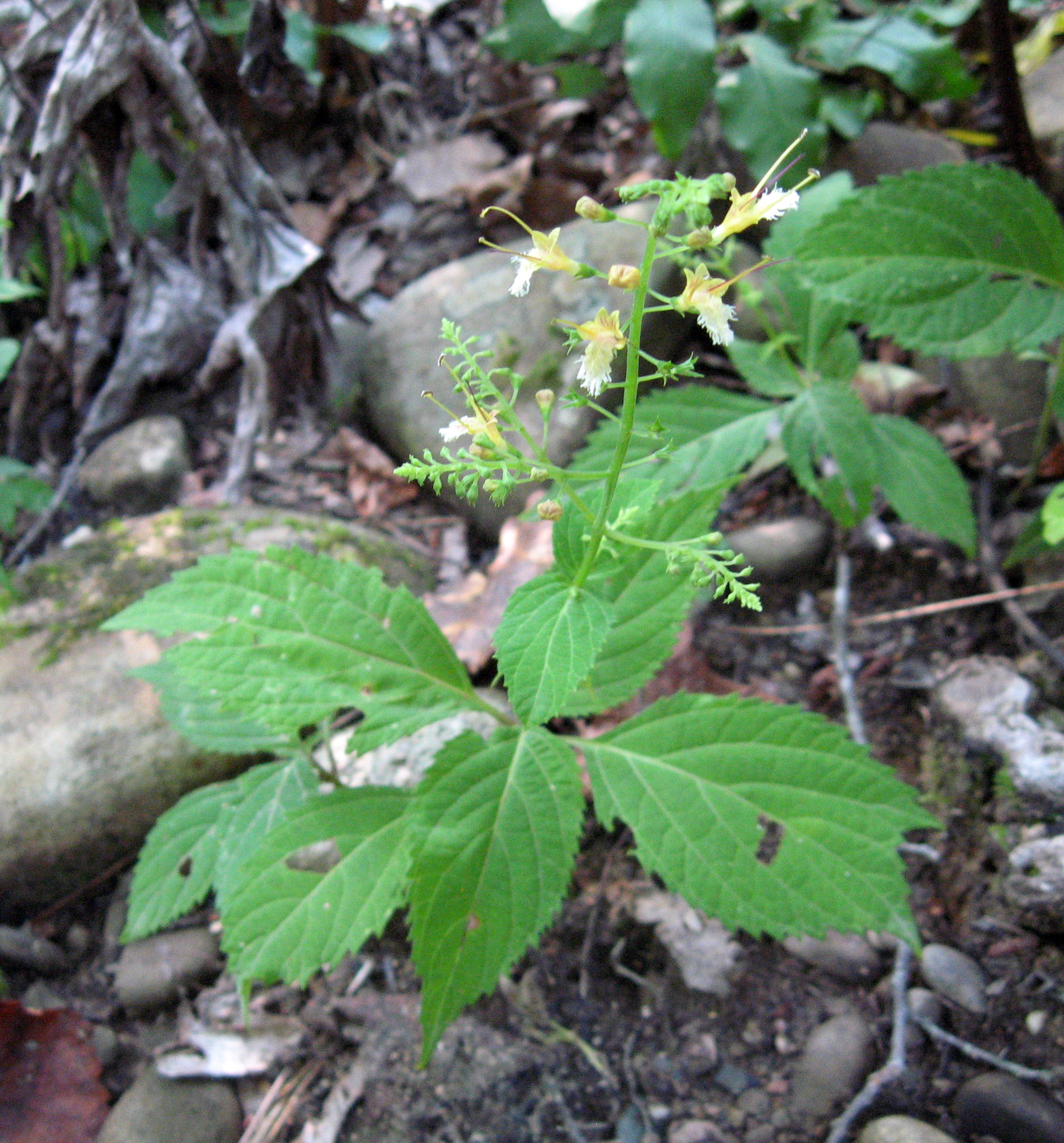 Stone RootCollinsonia canadensis
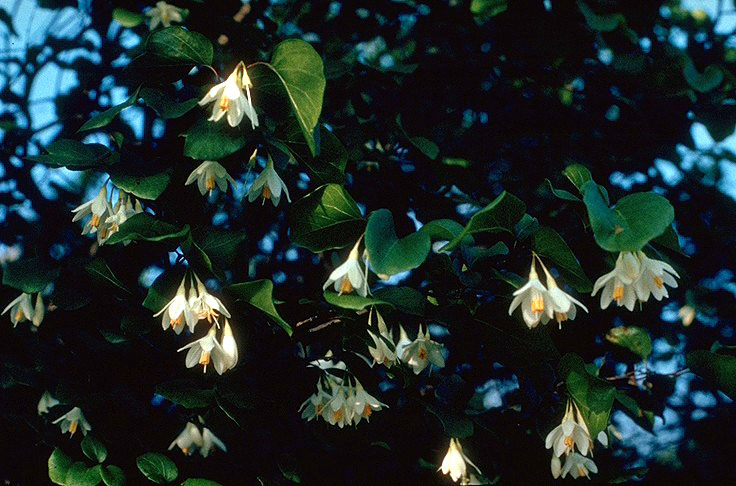 StoraxStyrax officinale
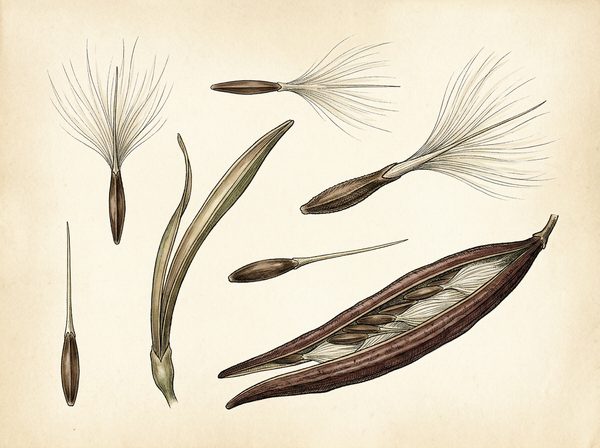 StrophanthusStrophanthus hispidus
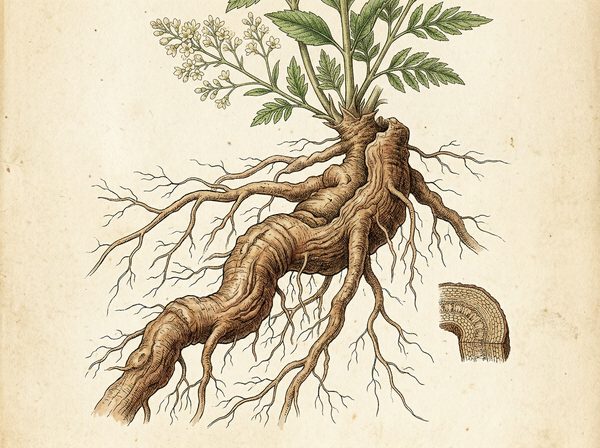 SumaPfaffia paniculata
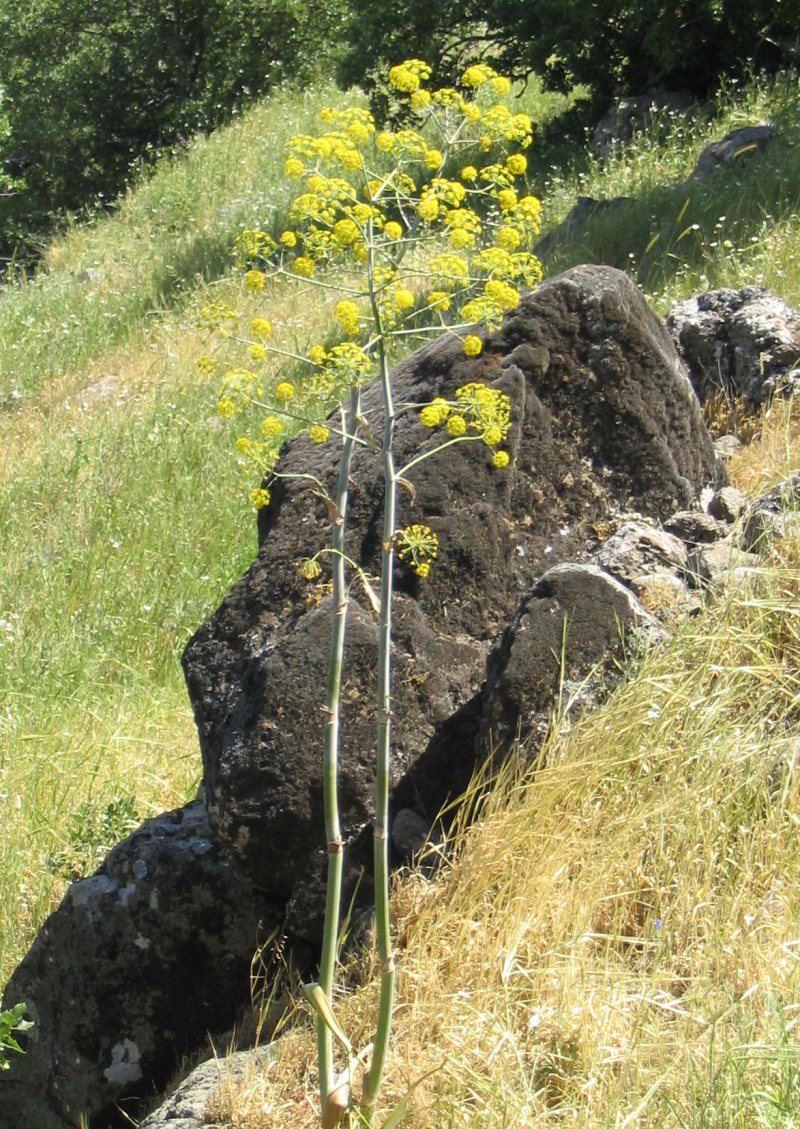 SumbulFerula sumbul
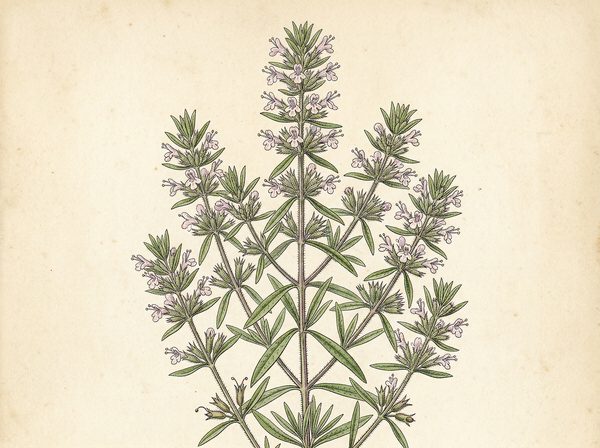 Summer savorySatureja hortensis
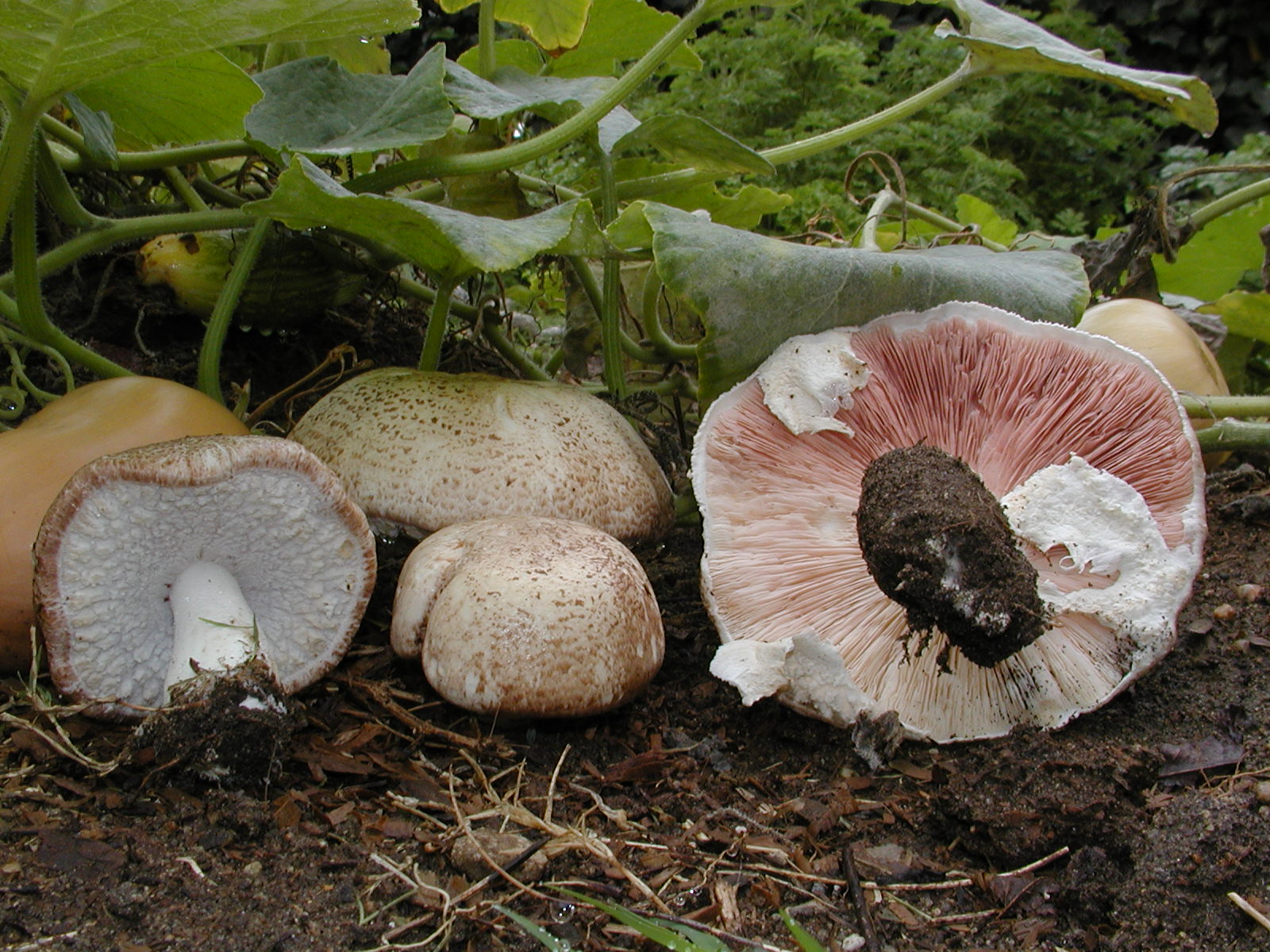 Sun MushroomAgaricus subrufescens
The whole plate is in the library. The compass, Compare, the Sky of eleven hundred plants and the formulary open with an email address and a password, free, with the formula builder and its safety engine. Herbert without limit, his formulating, clients, the handouts and the labels are the paid room.
Open the library, free