Western and Ayurvedic herbalism
Coleus
Coleus forskohlii
Also known as forskohlii, Indian coleus, makandi, false boldo, Gandira, Mayani, Makandi.
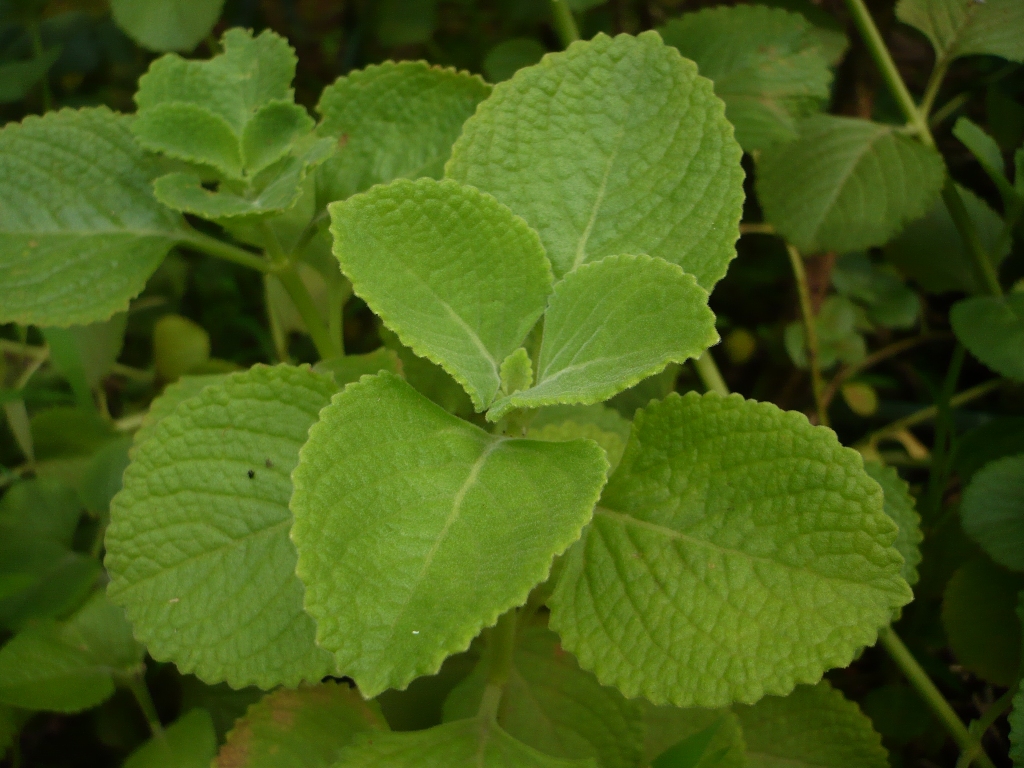
Coleus forskohlii is an aromatic perennial mint with fleshy golden-brown tuberous roots, native to the subtropical hills of India from Kumaon and Nepal through Gujarat and the Deccan to Karnataka and Tamil Nadu, and now cultivated on a large scale for its labdane diterpene forskolin. Ayurveda knows the root as Gandira or Makandi, a pungent, heating digestive and cardiac remedy that also appears as a pickle on the table in south and west India. Its modern fame rests on forskolin, a direct activator of adenylate cyclase that has made the plant a fixture of weight-loss and cardiovascular supplements.

Ask Herbert about Coleus. Herbert is the master herbalist inside Bountiful Herbs: he answers from this plate and eleven hundred others, with dosing, pairing and cautions. Your first ten questions are free.
Ask HerbertActions
Indications what the tradition reached for it in
- Asthma and bronchospasm (adjunct)
- Mild hypertension with sluggish circulation
- Congestive heart failure with low output (adjunct, supervised)
- Obesity and metabolic syndrome with kapha features
- Sluggish digestion with bloating and heaviness
- Glaucoma and raised intraocular pressure (topical forskolin)
- Hypothyroid-type sluggishness (adjunct)
- Colic and intestinal spasm
- Chronic bronchitis with thick phlegm
- Psoriasis (adjunct, low evidence)
- Poor circulation (to heart and brain)
- Insulin resistance
- Asthma (chronic)
- Hypothyroidism
- Congestive heart failure
- Hypertension
- Hyperlipidemia
- Psoriasis
- Urinary spasm
- Rheumatism
- Melanoma
- Glaucoma
- Urinary colic
- Bronchospasm
- Allergies (respiratory system response)
- Gastrointestinal cramps
- Gastrointestinal colic
- Asthma
- Colic
- Cramps
Specific indications
A heavy, cold, congested kapha patient with wheeze, sluggish bowels, slow metabolism and a tendency to gain weight, who needs to be lightened and moved
The overweight adult with borderline blood pressure, tired circulation and a soft pulse, where a warming cardiotonic and lipolytic root fits
Cough and breathlessness with cold, thick, hard-to-raise phlegm and a weak digestive fire
Safety
Pregnancy: Avoid in pregnancy: no published safety class is known to us, but forskolin relaxes and stimulates smooth muscle unpredictably through cyclic AMP and the tradition offers no reassurance.
Breastfeeding: Avoid concentrated extracts while nursing for lack of data; the pickled root as an occasional food is not a concern.
The record lists 10 contraindications; open the plate in the library to read them in full.
In practice
In Ayurvedic terms Makandi is a kapha-vata root: it kindles agni, dries and disperses mucus in the chest, moves the bowel and urine, and strengthens the heart. It is given in shvasa and kasa with cold, heavy phlegm alongside Pippali and Vasa, in agnimandya with Shunthi and Hingu, in shotha with Punarnava and Gokshura, and in medoroga with Guggulu, Triphala and Vidanga.
In Ayurveda
Rasa: katu (pungent), tikta (bitter). Virya: ushna (heating). Vipaka: katu (pungent). Guna: laghu (light), ruksha (dry), tikshna (sharp). Dosha: pacifies kapha and vata; aggravates pitta in excess. Karma: deepana (kindles digestion); pachana (digestive); hridya (cardiac tonic); mutrala (diuretic); shvasahara (relieves dyspnea); kasahara (relieves cough); kaphaghna (reduces kapha); vatanulomana (regulates the downward flow of vata); krimighna (anthelmintic); shulahara (relieves colic). Classical indications: agnimandya (weak digestion); shvasa (dyspnea, asthma); kasa (cough); hridroga (heart disease); shotha (edema); mutrakricchra (difficult urination); udarashula (abdominal colic); krimi (worm infestation); medoroga (obesity); anaha (abdominal distension). The fleshy tuberous root is the drug, sliced and dried for churna and kwatha, pickled as a food in Karnataka and Gujarat, and today mostly dispensed as a standardized root extract of forskolin; the leaf is a minor folk remedy for cough and colic. Classical formulations: Makandi churna, Makandi kwatha, Gandira root pickle (dietary), Standardized forskolin extract (modern). Described in: Charaka Samhita, Sushruta Samhita, Bhavaprakasha Nighantu, Raja Nighantu, Ayurvedic Pharmacopoeia of India.
Dosing as the sources wrote it
| Preparation | As written | Metric |
|---|---|---|
| Churna | 1-3 g powdered root twice daily with warm water or honey | 1000-3000 mg |
| Kwatha | 50-100 mL root decoction twice daily | 50-100 mL |
| Standardized extract | 250-500 mg root extract standardized to 10 percent forskolin daily in divided doses | 250-500 mg |
| Tincture (1:5, 60%) | 2-4 mL three times daily | 2-4 mL |
| Tincture (1:2-1:3) | 3-5 ml TID | 3-5 mL |
| Infusion | 2-3 tsp/c BID-TID |
Doses are reproduced from the sources for practitioners and are not a recommendation for any person.
From the sources
Overview. Coleus forskohlii is an aromatic perennial mint with fleshy golden-brown tuberous roots, native to the subtropical hills of India from Kumaon and Nepal through Gujarat and the Deccan to Karnataka and Tamil Nadu, and now cultivated on a large scale for its labdane diterpene forskolin. Ayurveda knows the root as Gandira or Makandi, a pungent, heating digestive and cardiac remedy that also appears as a pickle on the table in south and west India. Its modern fame rests on forskolin, a direct activator of adenylate cyclase that has made the plant a fixture of weight-loss and cardiovascular supplements.
Clinical Notes. Inhibits platelet activity, decreasing risk of blood clotting Increases force of contraction of heart muscle (without increasing myocardial oxygen consumption) improving heart function Reduces blood pressure in hypertension without reducing contractility Anti-spasmodic in tissues Reduces bronchospasm through nervous system relaxation of smooth muscle Reduces stimulation of histamine in allergic reactions Inhibits melanoma-induced platelet aggregation and tumor colonization Increases secretion of thyroid hormone Improves fat metabolism and insulin modulation Limited research for glaucoma (eyedrops decrease intraocular pressure and reduce flow of aqueous humor) Use internal and external for psoriasis Increases...
Clinical Notes. In Ayurvedic terms Makandi is a kapha-vata root: it kindles agni, dries and disperses mucus in the chest, moves the bowel and urine, and strengthens the heart. It is given in shvasa and kasa with cold, heavy phlegm alongside Pippali and Vasa, in agnimandya with Shunthi and Hingu, in shotha with Punarnava and Gokshura, and in medoroga with Guggulu, Triphala and Vidanga.
primary-actions. Coleus acts primarily as: Antispasmodic, Antiplatelet, Vasodilator, Bronchodilator, Hypotensive, Anti-inflammatory. Secondary actions include Anti-inflammatory, Antiallergic, Insulin modulator, Antihistamine.
In formulas
Coleus stands in 1 documented formula in the library, among them Ayaskṛti.
Often paired with
 cutch treeAcacia catechu
 Indian ateesAconitum heterophyllum
 sweet flagAcorus calamus
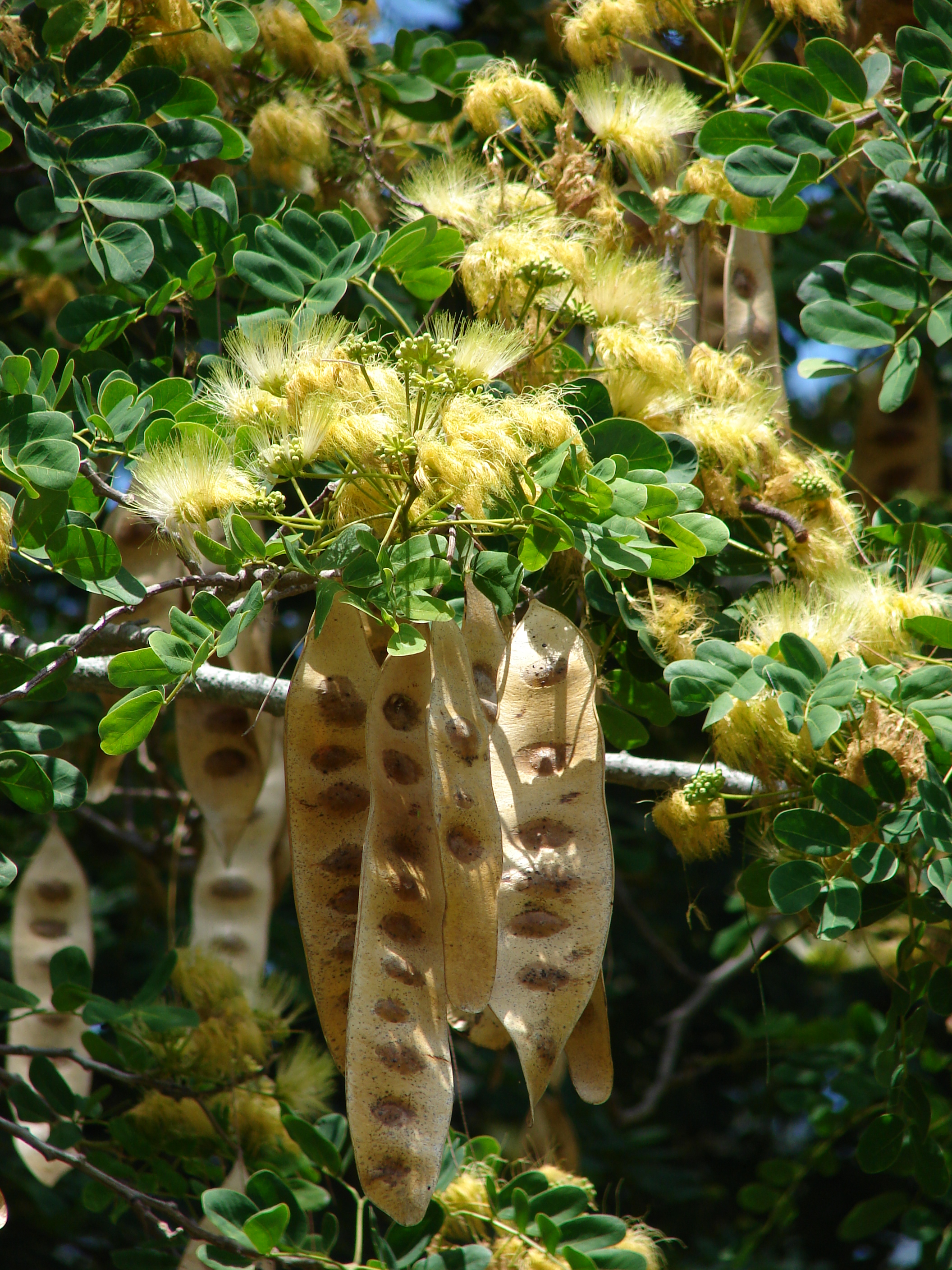 sirisAlbizia lebbeck
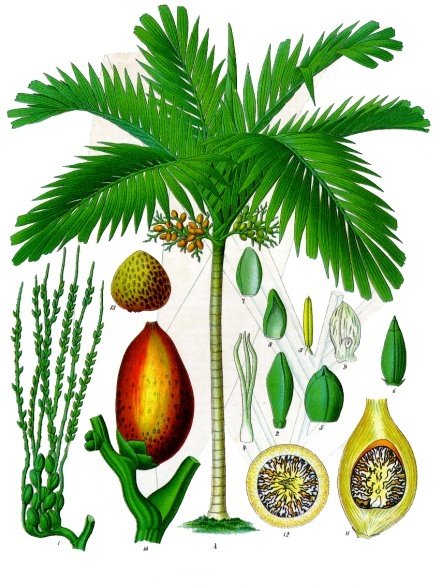 areca nutAreca catechu
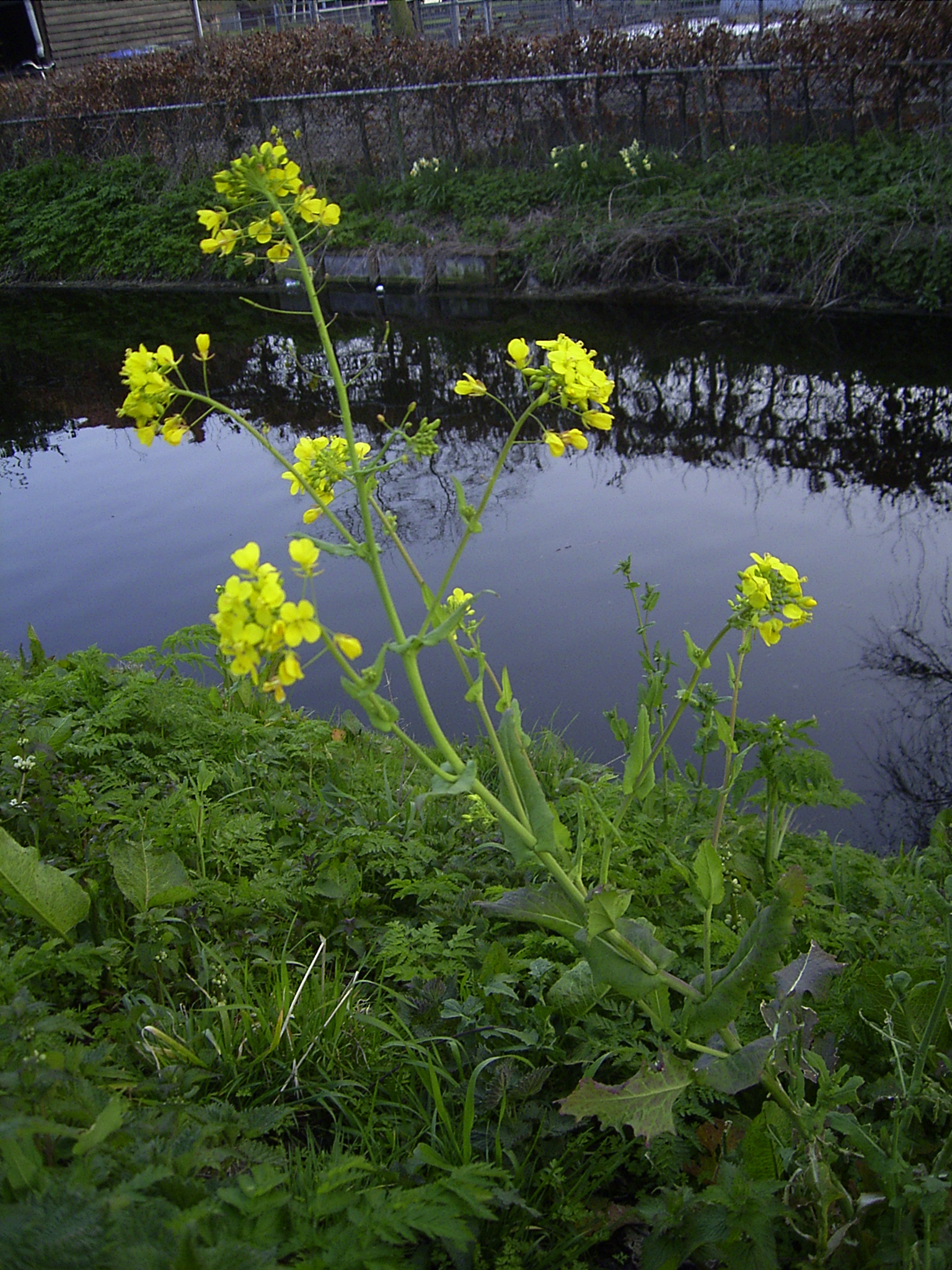 white mustardBrassica alba
Nearby on the shelf
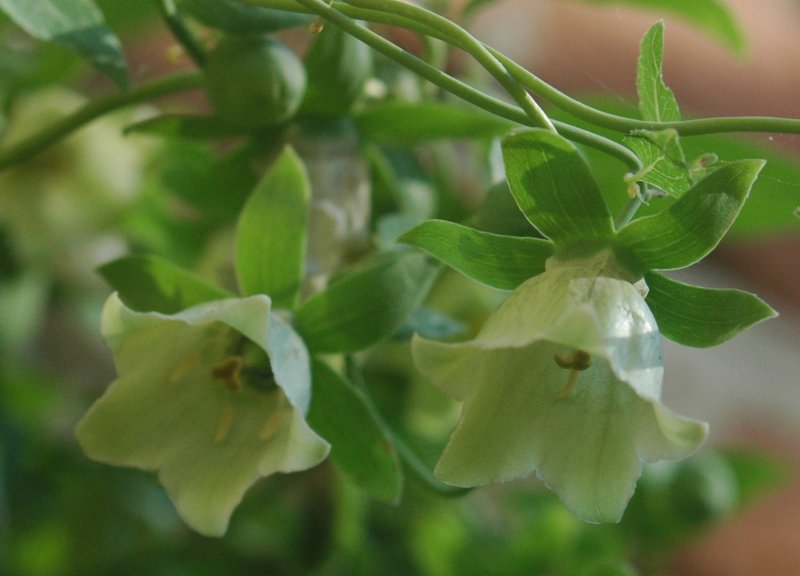 CodonopsisCodonopsis pilosula
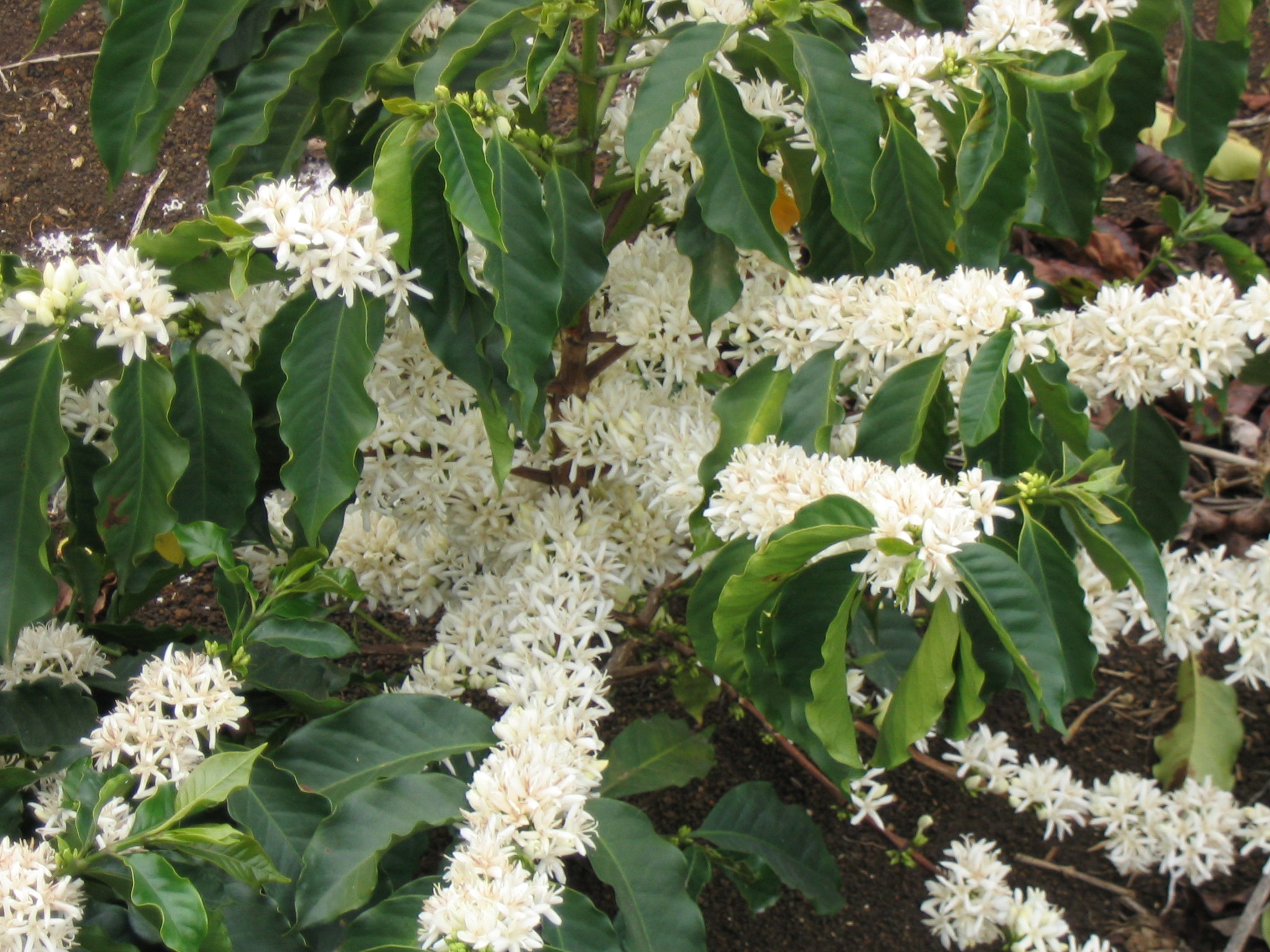 CoffeeCoffea arabica
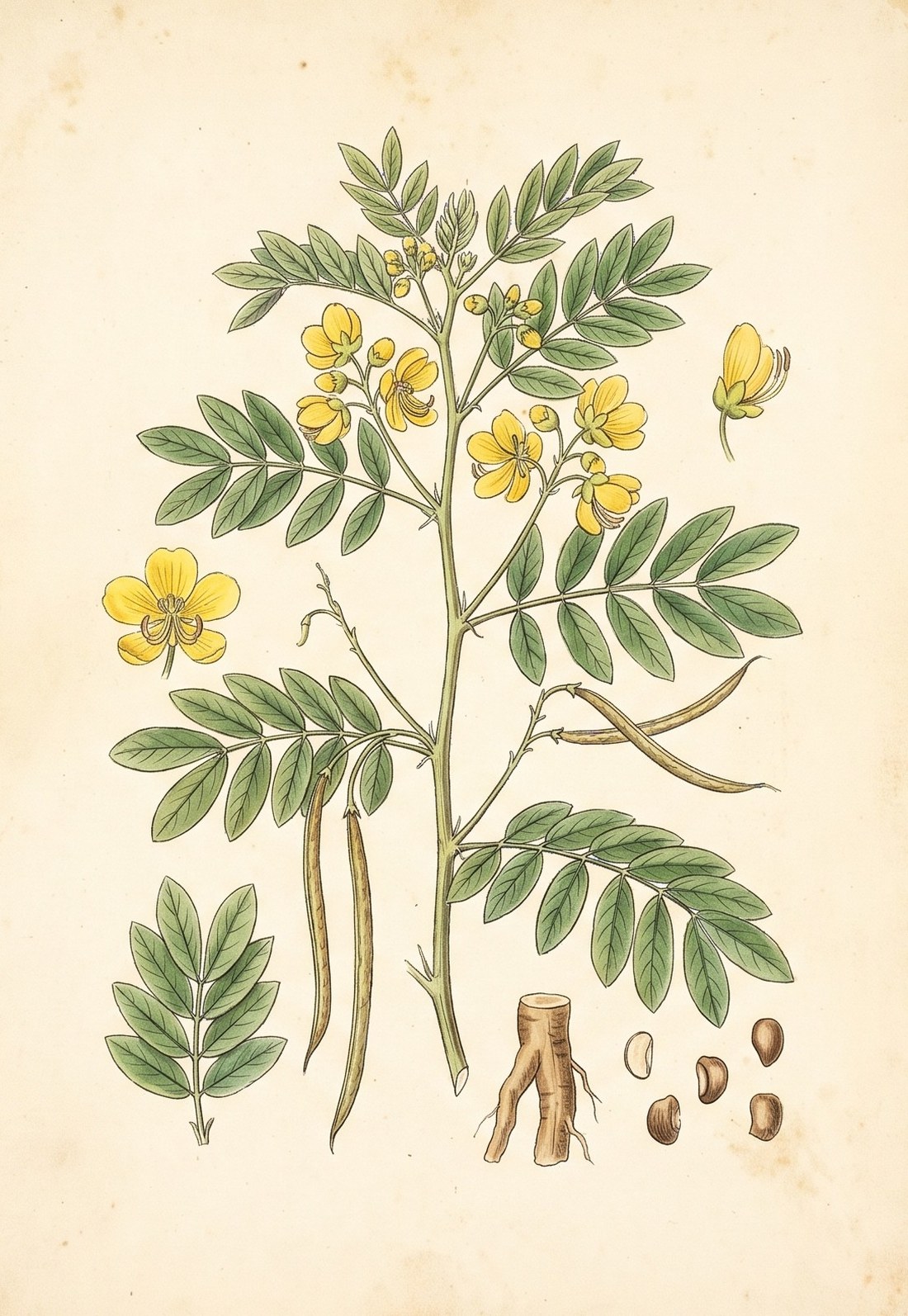 Coffee sennaSenna occidentalis
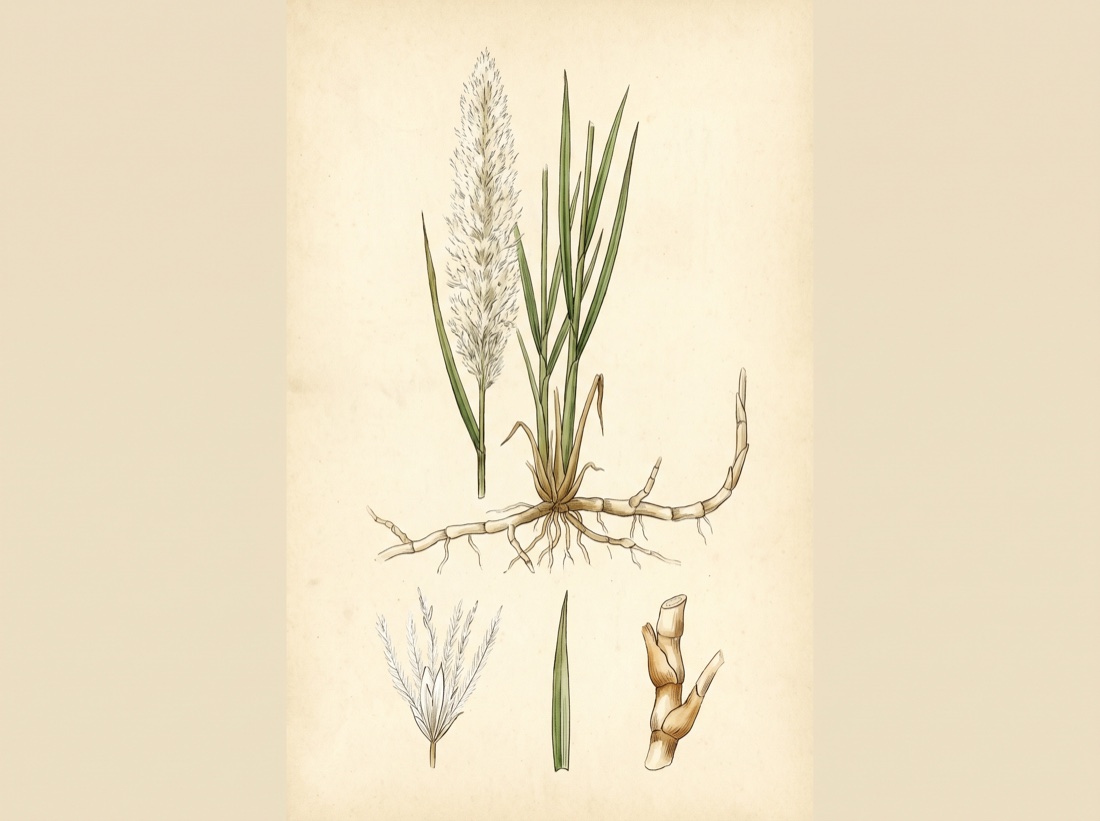 CogongrassImperata cylindrica
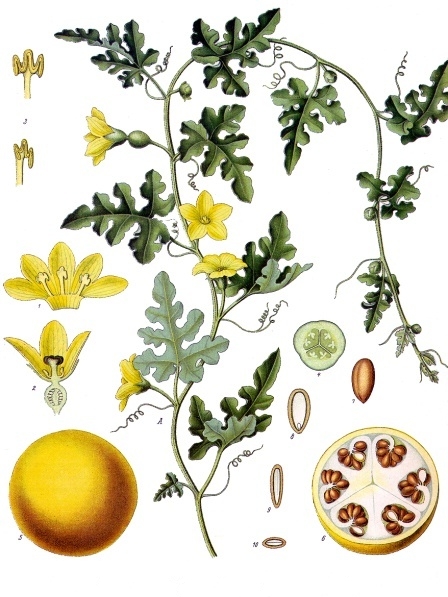 ColocynthCitrullus colocynthis
 ColtsfootTussilago farfara
 ColumbineAquilegia vulgaris
 ComfreySymphytum officinale
The whole plate is in the library. The compass, Compare, the Sky of eleven hundred plants and the formulary open with an email address and a password, free, with the formula builder and its safety engine. Herbert without limit, his formulating, clients, the handouts and the labels are the paid room.
Open the library, free