Chinese Herbalism
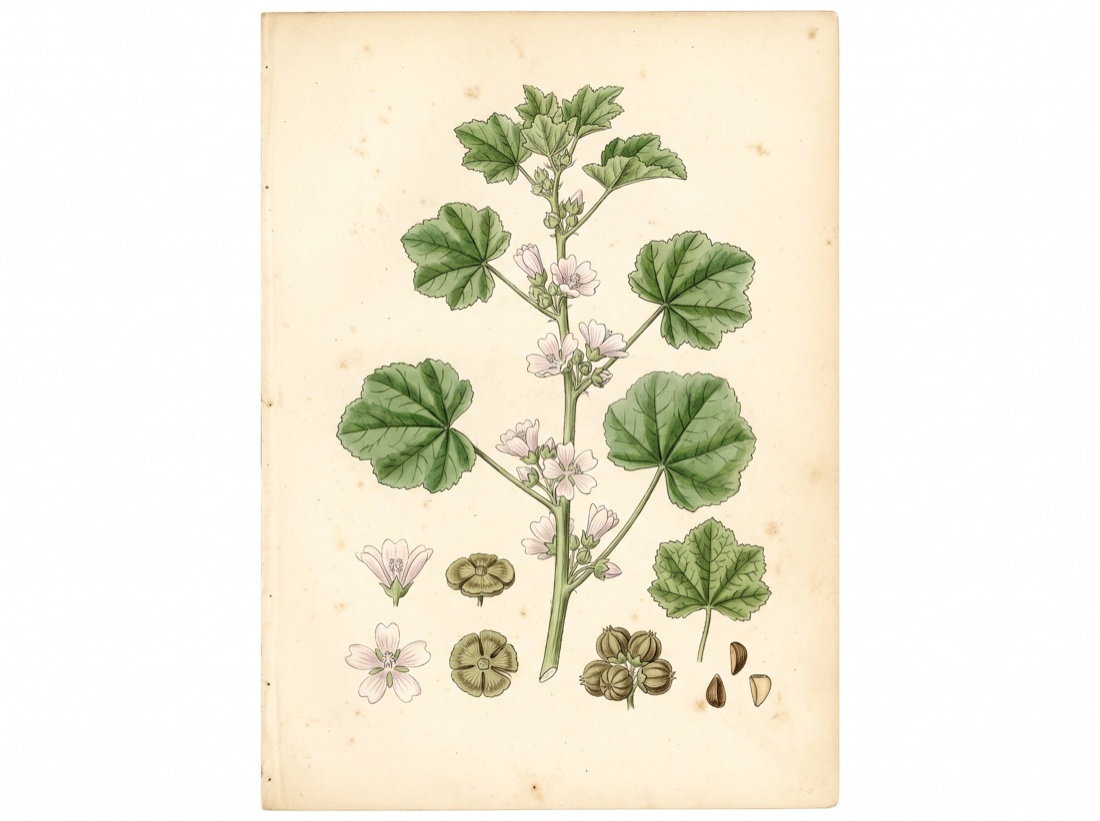
Cluster mallow
Malva verticillata
Also known as Chinese mallow, whorled mallow, curled mallow (var. crispa), dong kui zi (seed), dong kui guo (fruit), dōng kuí zǐ, dōng kuí guǒ, dōng kuí.
Malva verticillata is an annual or biennial mallow grown across China, Korea, and Japan as a leafy vegetable, and its whorled clusters of small pale flowers give it the name cluster mallow. The dried ripe fruits, flat wheels of seeds, are dong kui zi, a mild, slippery, cooling drug that appears in the earliest Chinese herbals. It is a gentle diuretic and lubricant used for painful urination, dry constipation, and milk that will not flow, and the seed also has a place in Tibetan and Mongolian medicine.

Ask Herbert about Cluster mallow. Herbert is the master herbalist inside Bountiful Herbs: he answers from this plate and eleven hundred others, with dosing, pairing and cautions. Your first ten questions are free.
Ask HerbertActions
Indications what the tradition reached for it in
- Painful, hesitant, or dribbling urination with heat (lin syndrome)
- Urinary gravel and small stones with burning and dribbling
- Edema with scanty urine
- Urinary retention or difficulty after childbirth
- Constipation with dry stool in the elderly, the weak, or after delivery
- Poor milk supply in the early weeks of nursing
- Breast engorgement and painful, blocked breast in the first days of mastitis
- Thirst and dry mouth with a hot urinary complaint
- Urinary difficulty in late pregnancy with swelling (in a classical formula, under supervision)
Specific indications
A nursing mother with hard, hot, engorged breasts and scanty milk, or one who also cannot pass urine freely after delivery
Burning, dribbling urination with small gravel, where you want a soothing, slippery diuretic rather than a harsh one
Safety
The record lists 5 contraindications; open the plate in the library to read them in full.
In practice
Dong kui zi is the diuretic to reach for when the patient is dry, hot, and a little depleted rather than damp and heavy: the seeds are mucilaginous and soothe as they drain. For burning or dribbling urination decoct 6 to 15 g with plantain seed, dianthus, talcum, and lygodium spore; for gravel add lysimachia and desmodium.
In Chinese medicine
Temperature: cool to cold. Taste: sweet, astringent. Channels: Large Intestine, Small Intestine, Bladder. Actions: Promotes urination and unblocks painful, dribbling urination; Moistens the intestines to ease dry constipation; Promotes the flow of breast milk and softens breast swelling; Clears heat and reduces swelling.
Dosing as the sources wrote it
| Preparation | As written | Metric |
|---|---|---|
| Decoction (fruit or seed, crushed) | 3-9 g dried fruit daily in decoction | 3000-9000 mg |
| Decoction, traditional upper range | 6-15 g dried seed daily in decoction | 6000-15000 mg |
| Powder | 1-3 g dried seed powder twice daily | 1000-3000 mg |
Doses are reproduced from the sources for practitioners and are not a recommendation for any person.
From the sources
Overview. Malva verticillata is an annual or biennial mallow grown across China, Korea, and Japan as a leafy vegetable, and its whorled clusters of small pale flowers give it the name cluster mallow. The dried ripe fruits, flat wheels of seeds, are dong kui zi, a mild, slippery, cooling drug that appears in the earliest Chinese herbals. It is a gentle diuretic and lubricant used for painful urination, dry constipation, and milk that will not flow, and the seed also has a place in Tibetan and Mongolian medicine.
Clinical Notes. Dong kui zi is the diuretic to reach for when the patient is dry, hot, and a little depleted rather than damp and heavy: the seeds are mucilaginous and soothe as they drain. For burning or dribbling urination decoct 6 to 15 g with plantain seed, dianthus, talcum, and lygodium spore; for gravel add lysimachia and desmodium.
Chinese Medicine Profile. Temperature: cool to cold. Taste: sweet, astringent. Channels: Large Intestine, Small Intestine, Bladder. Actions: Promotes urination and unblocks painful, dribbling urination; Moistens the intestines to ease dry constipation; Promotes the flow of breast milk and softens breast swelling; Clears heat and reduces swelling.
In formulas
Cluster mallow stands in 2 documented formulas in the library, among them sân jin tàng, shí wéi sǎn.
Often paired with
 tongue fernPyrrosia lingua
 Guangdong money grassGrona styracifolia
 Japanese climbing fernLygodium japonicum
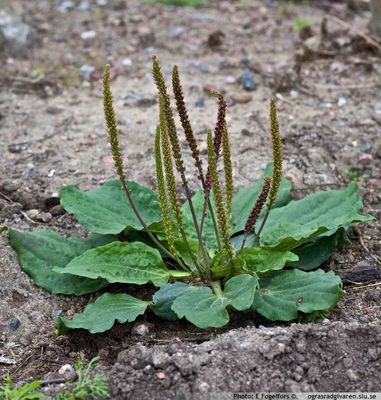 PlantainPlantago lanceolata
Nearby on the shelf
 Clary SageSalvia sclarea
 CleaversGalium aparine
 CloveSyzygium aromaticum
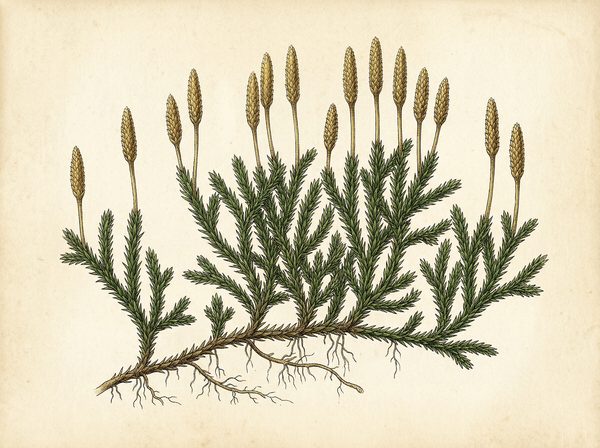 Club MossLycopodium clavatum
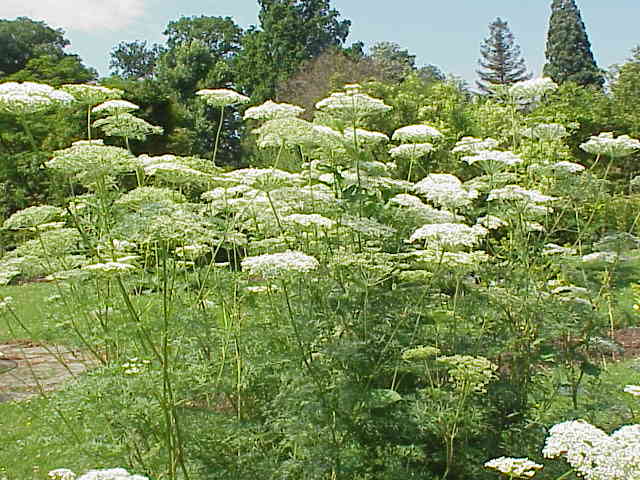 Cnidium SeedCnidium monnieri
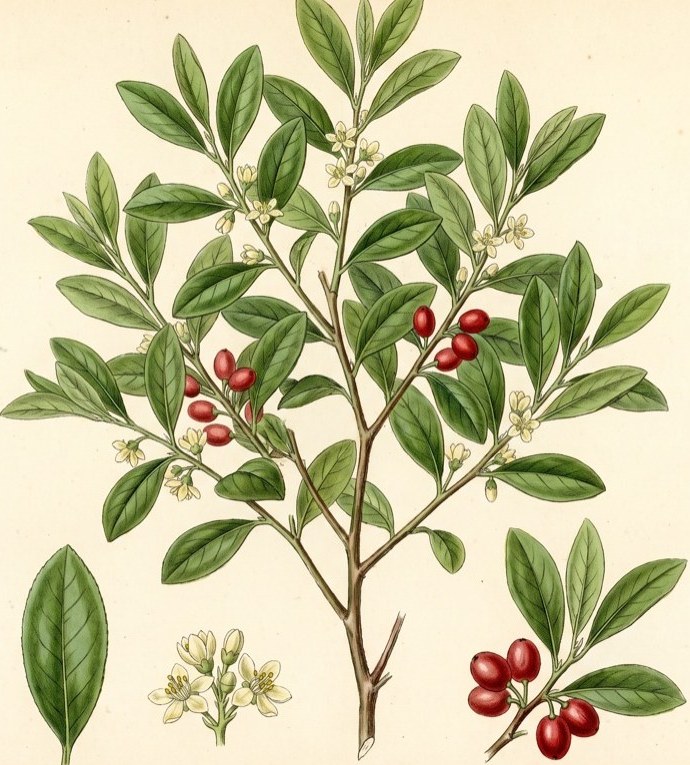 CocaErythroxylon coca
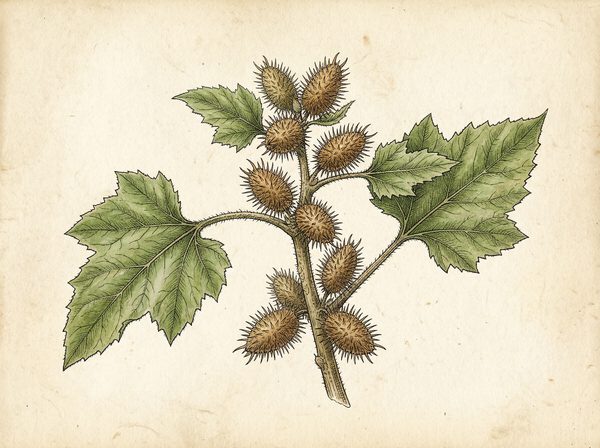 Cocklebur FruitXanthium sibiricum
 CoconutCocos nucifera
The whole plate is in the library. The compass, Compare, the Sky of eleven hundred plants and the formulary open with an email address and a password, free, with the formula builder and its safety engine. Herbert without limit, his formulating, clients, the handouts and the labels are the paid room.
Open the library, free