Western Herbalism
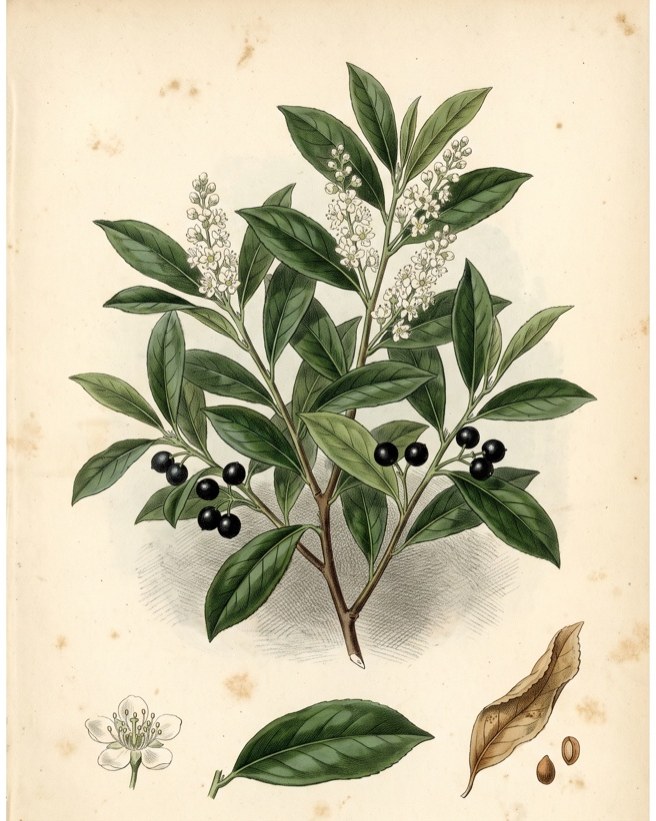
Cherry-Laurel Leaves
Laurocerasi Folia
Also known as Cherry-laurel, English laurel, Common laurel.
Cherry laurel is an evergreen shrub or small tree native to southeastern Europe and western Asia, long cultivated as an ornamental hedge plant across temperate regions. The fresh leaves, when bruised, release a strong smell of bitter almonds from the breakdown of cyanogenic glycosides they contain. In nineteenth century eclectic and European pharmacy the leaves were steam distilled to produce cherry laurel water, a dilute aqueous solution of hydrocyanic acid once used as a mild sedative and antitussive, but this preparation has long since fallen out of use because its potency could not be reliably standardized.

Ask Herbert about Cherry-Laurel Leaves. Herbert is the master herbalist inside Bountiful Herbs: he answers from this plate and eleven hundred others, with dosing, pairing and cautions. Your first ten questions are free.
Ask HerbertActions
Indications what the tradition reached for it in
- Whooping cough (historical)
- Dry, irritating, spasmodic cough
- Gastralgia with spasm
- Nervous dyspepsia
- Insomnia from irritative cough
- Cardiac palpitation with anxiety (historical)
- Nervous excitability
- Hysteria (historical term)
Specific indications
A dry, hacking, spasmodic cough that disturbs sleep, historically treated with a highly diluted distillate
Gastric spasm with nausea where a bitter, sedative distillate was formerly given in minute doses
Safety
Recognised toxicity. This plant carries a toxicity flag in the record; it is for trained practitioners only.
Low dose botanical. Used in drop doses in the classical practice; not a plant to dose freely.
Pregnancy: Avoid entirely: the plant's cyanogenic glycoside content makes any dose unsafe in pregnancy.
Breastfeeding: Avoid entirely: cyanide exposure through breast milk to a nursing infant cannot be ruled out and there is no safety margin to justify use.
The record lists 6 contraindications; open the plate in the library to read them in full.
In practice
Cherry laurel water was historically dispensed by the drop as a flavoring vehicle and mild sedative for irritating coughs, gastric spasm, and nervous complaints, valued for a taste and action reminiscent of bitter almond water. Practitioners of the period were well aware that the distillate's strength varied considerably with the freshness of the leaf and the distillation method, and cases of accidental overdosage with cyanide-like symptoms were reported even at the time. This plant has no place in contemporary practice. The therapeutic window between a nominally sedative dose and a toxic dose of hydrocyanic acid is narrow and unpredictable, and there is no modern standardized preparation that can be dosed safely. Where a gentle antitussive or nervine is required, other herbs with a known, reproducible safety margin should be chosen instead.
Dosing as the sources wrote it
| Preparation | As written | Metric |
|---|---|---|
| Historical cherry laurel water (Aqua Laurocerasi), for reference only, not recommended | historically 0.3-2 mL of a standardized dilute distillate, single dose, under close supervision | 0.3-2 mL |
| Modern clinical use | not recommended in any form; no safe standardized preparation exists |
Doses are reproduced from the sources for practitioners and are not a recommendation for any person.
From the sources
Overview. Cherry laurel is an evergreen shrub or small tree native to southeastern Europe and western Asia, long cultivated as an ornamental hedge plant across temperate regions. The fresh leaves, when bruised, release a strong smell of bitter almonds from the breakdown of cyanogenic glycosides they contain. In nineteenth century eclectic and European pharmacy the leaves were steam distilled to produce cherry laurel water, a dilute aqueous solution of hydrocyanic acid once used as a mild sedative and antitussive, but this preparation has long since fallen out of use because its potency could not be reliably standardized.
Clinical Notes. Cherry laurel water was historically dispensed by the drop as a flavoring vehicle and mild sedative for irritating coughs, gastric spasm, and nervous complaints, valued for a taste and action reminiscent of bitter almond water.
Action, Medical Uses, and Dosage. In Germany, a sort of brandy is made from this fruit. Dried prunes are mildly laxative, and are frequently employed in decoction, or the fruit eaten stewed, in convalescence from acute diseases, forming a nourishing and agreeable diet.
Action, Medical Uses, and Dosage. Peach leaves in infusion have been recommended in morbid irritability of the bladder and urethra, pertussis, ischuria, hematuria, and nausea, as well as in all inflammations of the stomach and abdomen.
Drawn from King's American Dispensatory, 18th edition (Felter and Lloyd), and the Bountiful Herbs editorial.
Nearby on the shelf
 ChaulmoograHydnocarpus laurifolia
 ChavyaPiper chaba
 Chebulic myrobalanTerminalia chebula
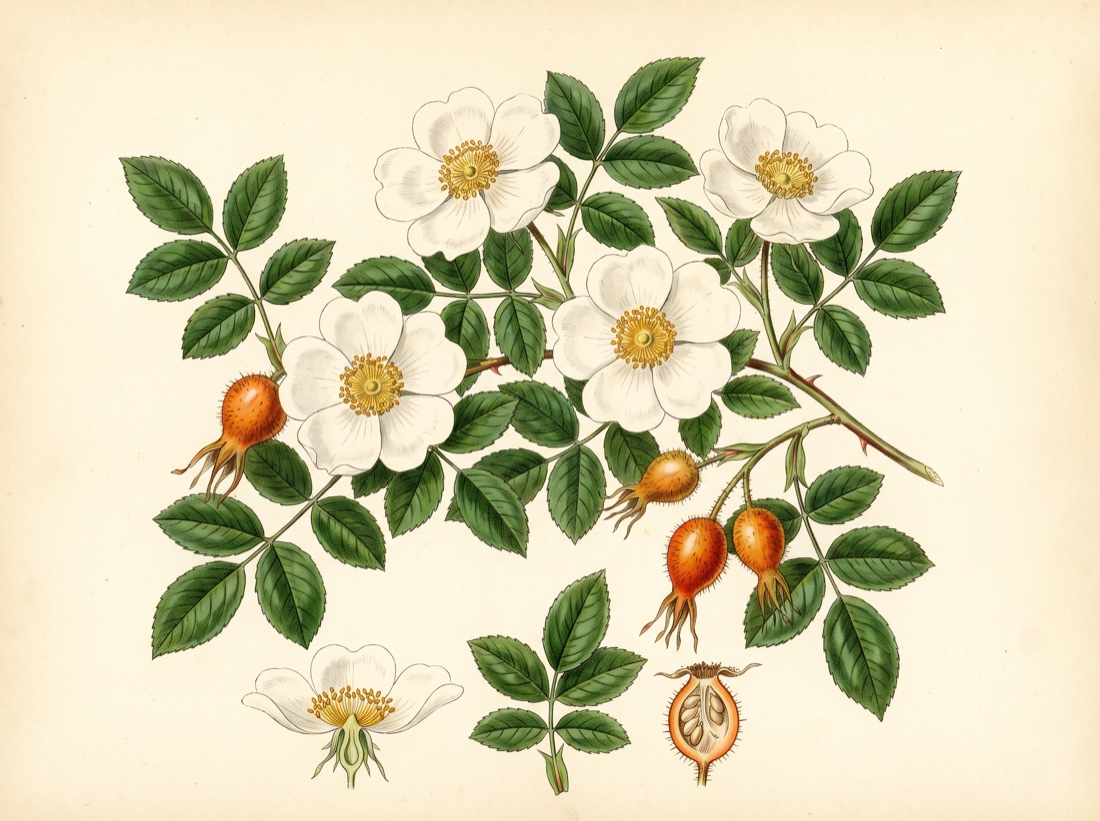 Cherokee roseRosa laevigata
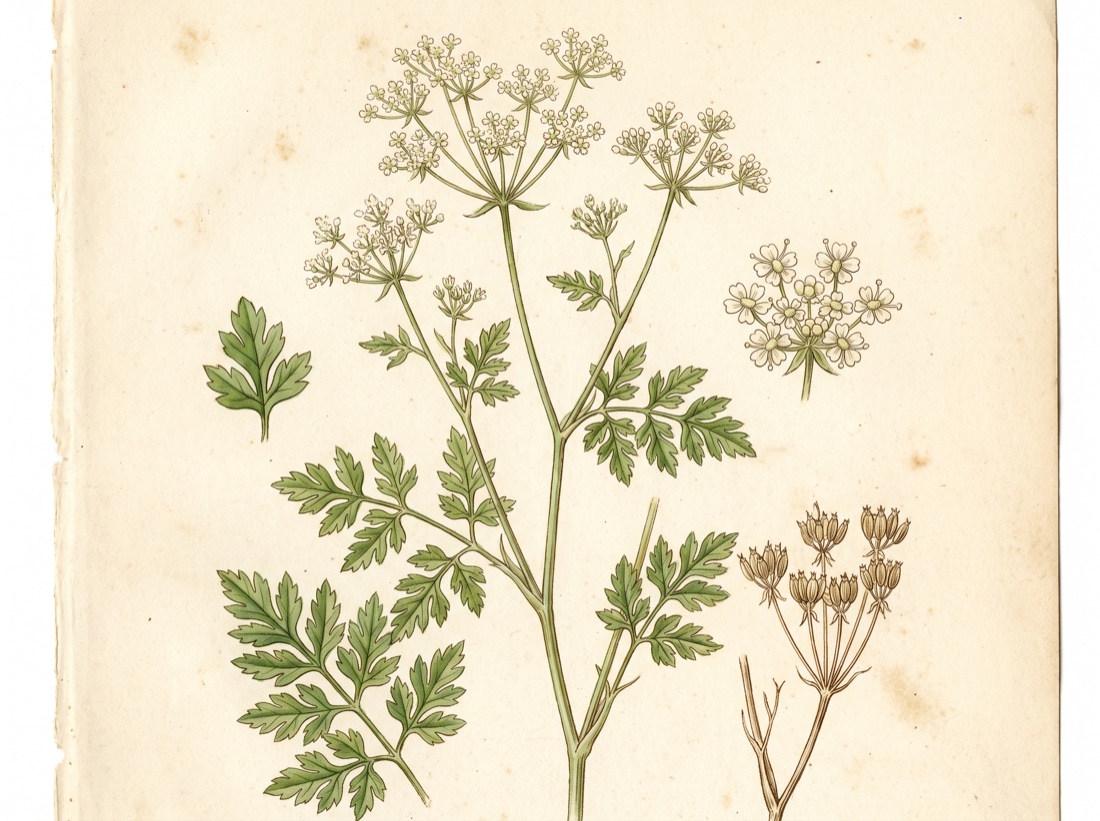 ChervilAnthriscus cerefolium
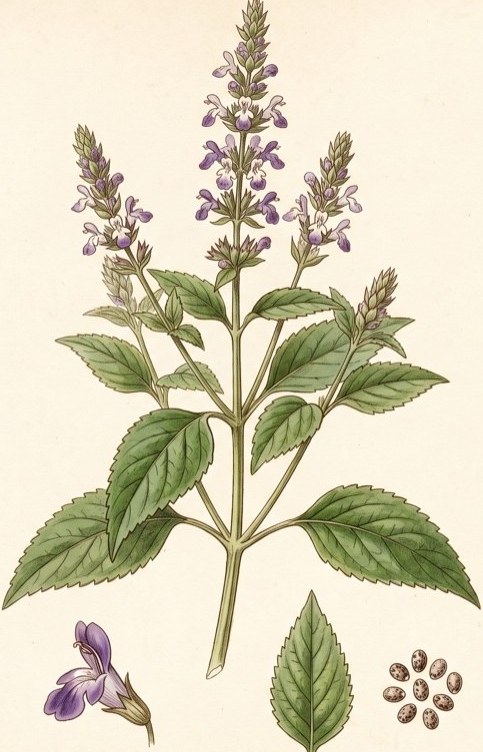 ChiaSalvia hispanica
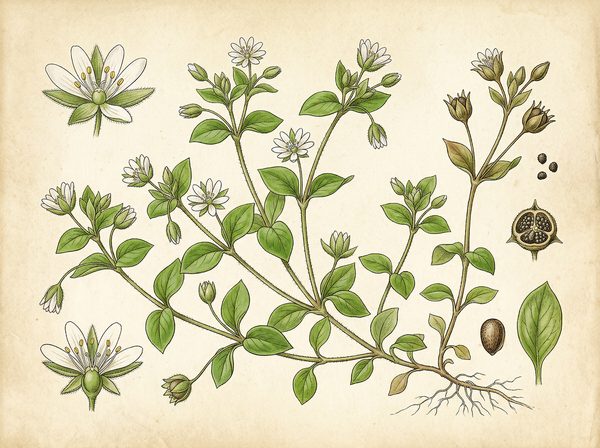 ChickweedStellaria media
 ChicoryCichorium intybus
The whole plate is in the library. The compass, Compare, the Sky of eleven hundred plants and the formulary open with an email address and a password, free, with the formula builder and its safety engine. Herbert without limit, his formulating, clients, the handouts and the labels are the paid room.
Open the library, free